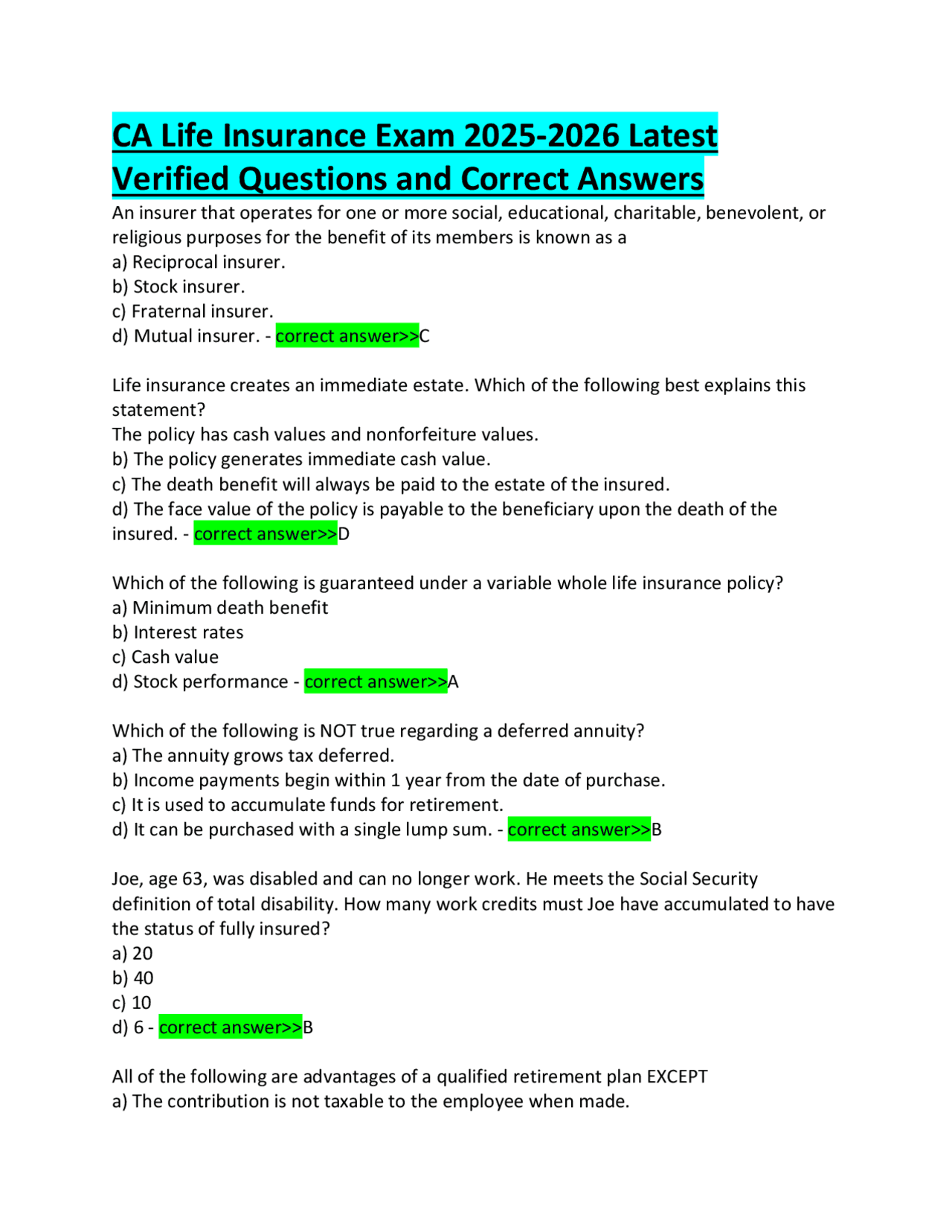
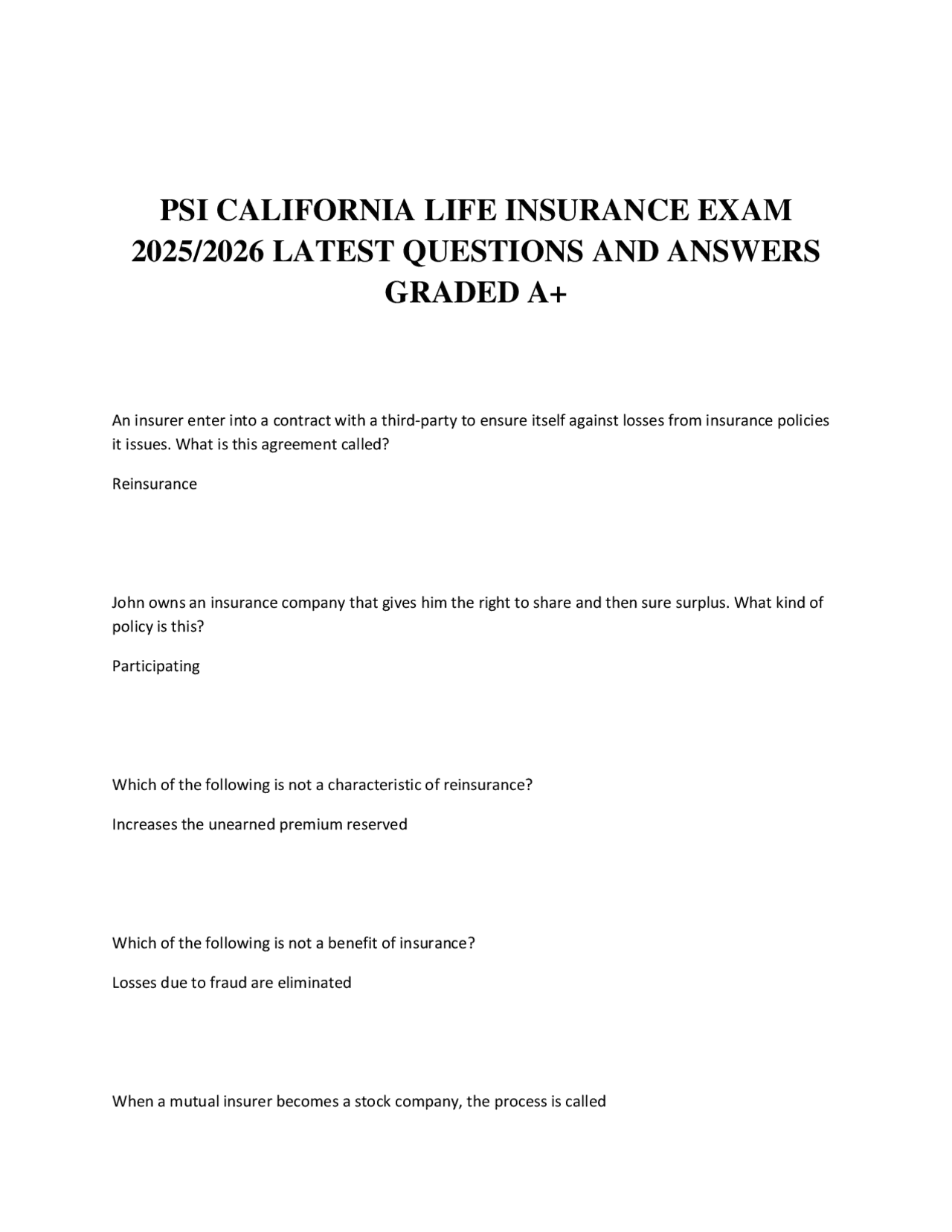
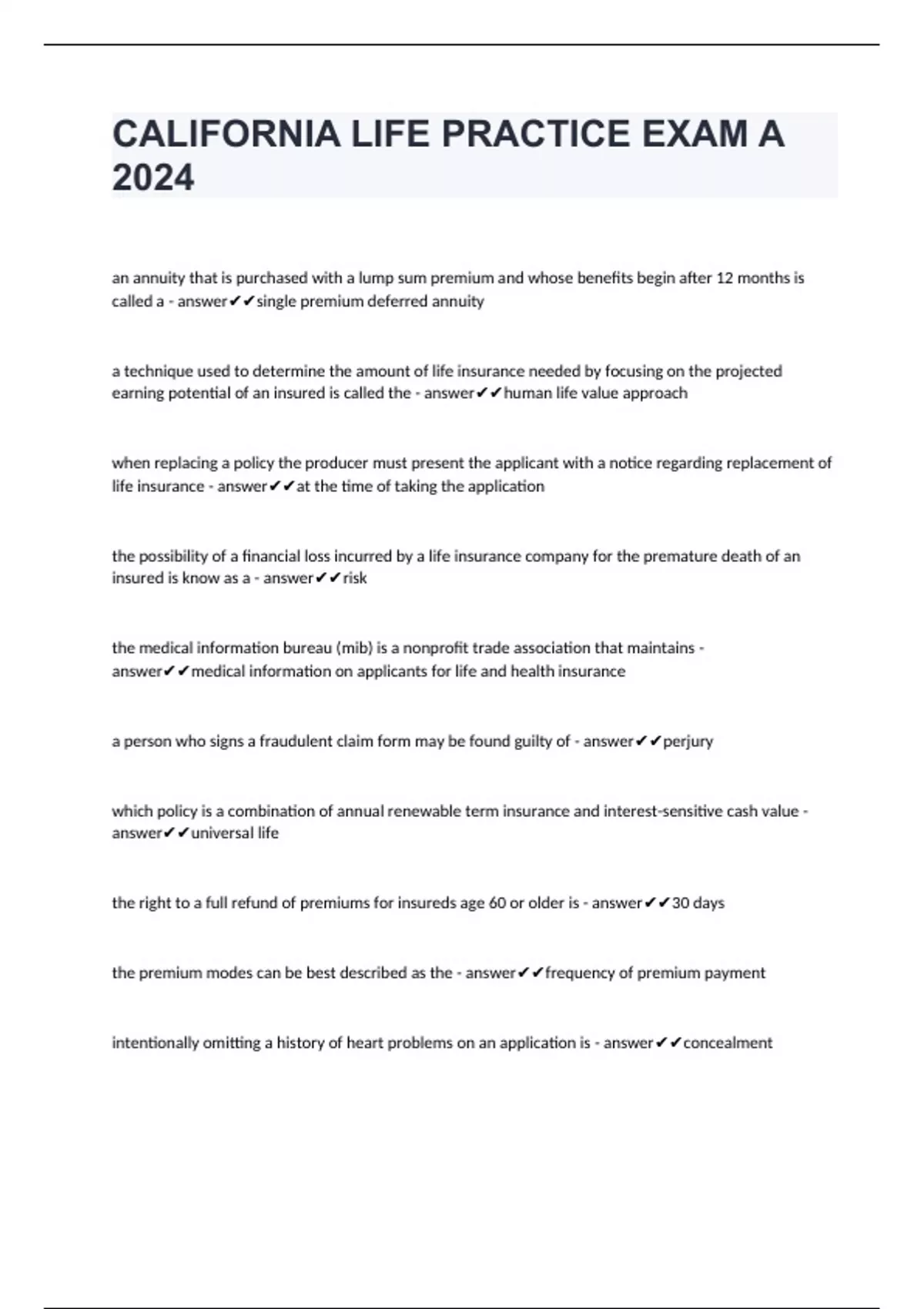
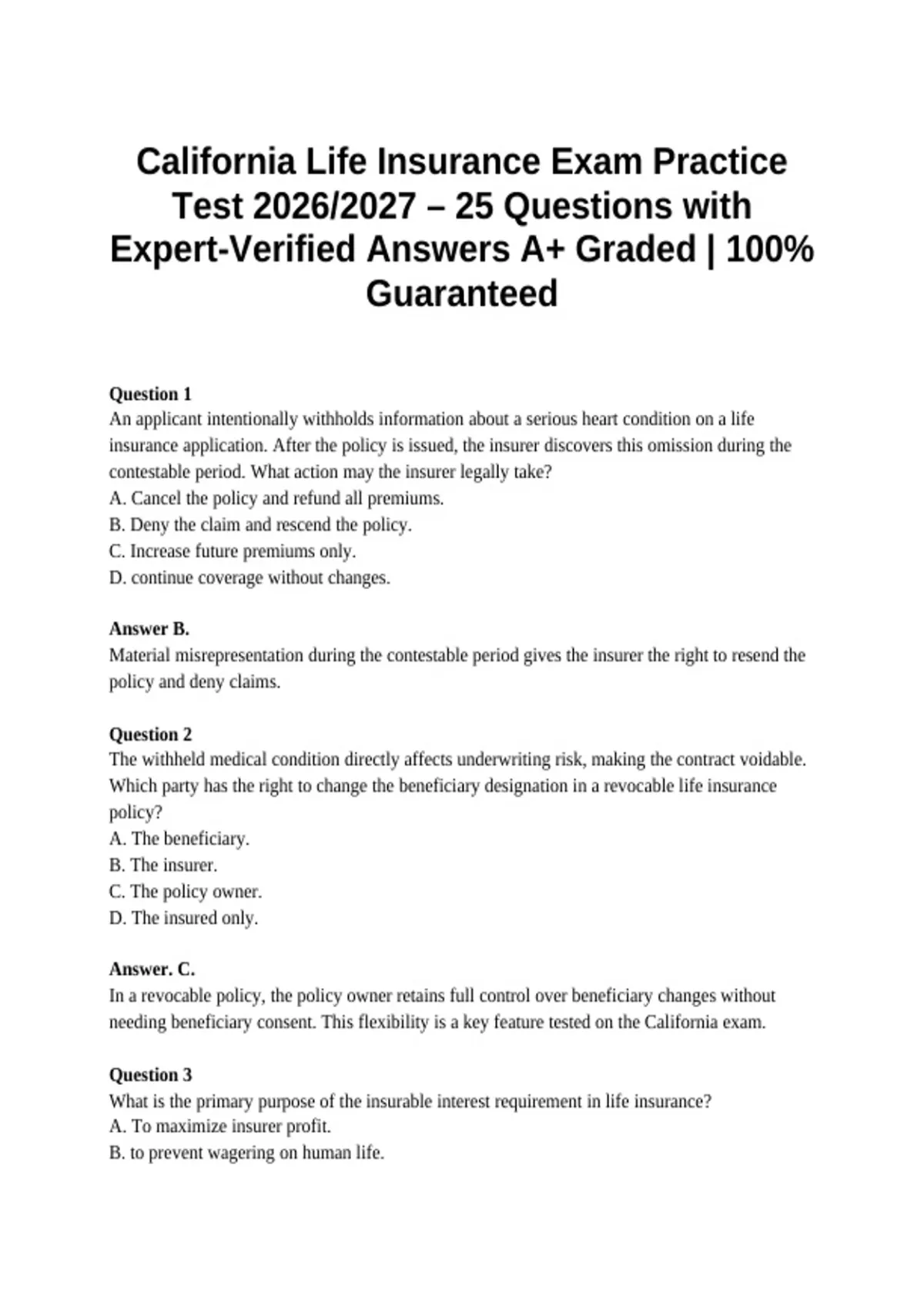
To pass the California Life Insurance exam in 2026, candidates must master the complexities of annuity contracts, including their structure, tax implications, and California-specific suitability standards. Annuities represent a significant portion of the "Life-Only" and "Life, Accident, and Health" examinations, requiring a deep understanding of how these products function as liquidation tools for estates and retirement income.
The Role of Annuities in the California Life Insurance Exam
The California Department of Insurance (CDI) mandates that any individual seeking a Life Agent license must demonstrate proficiency in annuities. For the 2026 exam cycle, annuities are not merely a footnote; they are integrated into several sections of the PSI-administered exam, including "Life Insurance Policy Types," "Policy Provisions," and "California Insurance Code."
Candidates often mistake annuities for life insurance because they are sold by life insurance companies. However, the exam tests your ability to distinguish the two: while life insurance creates an estate upon death, an annuity is designed to liquidate an estate and protect against the risk of outliving one’s income. In the California context, examiners place heavy emphasis on consumer protection, particularly regarding senior citizens (those aged 60 and older). This includes specific requirements for disclosure, the "free-look" period, and the ethical responsibilities of the agent during the sales process.
Success on this portion of the exam requires moving beyond definitions. You must understand the "why" behind the product—why a client would choose a deferred annuity over an immediate one, or why a variable annuity requires an additional securities license.
Core Definitions and Parties to the Contract
Before navigating complex calculations or regulations, the California exam requires a firm grasp of the legal structure of an annuity contract. There are four primary parties involved in every annuity transaction:
- The Owner: This is the person (or entity) who pays the premiums and holds all the rights to the contract. The owner can name the beneficiary, choose the settlement option, and surrender the policy for its cash value.
- The Annuitant: This is the natural person whose life expectancy is used to calculate the income payments. In most cases, the owner and the annuitant are the same person, but the California exam often uses "third-party ownership" scenarios to test your knowledge of who receives the benefits versus who makes the decisions.
- The Beneficiary: This individual receives the remaining contract value if the owner or annuitant dies during the accumulation phase. It is vital to remember that a beneficiary does not receive a "death benefit" in the life insurance sense; they receive the cash value or the total premiums paid, whichever is greater.
- The Insurer (Issuer): The insurance company that issues the contract, manages the funds, and guarantees the lifetime income.
Classification by Investment Objective
The California exam categorizes annuities based on how the underlying funds are invested. Understanding the risk-sharing mechanism in each type is essential for answering suitability questions.
Fixed Annuities
In a fixed annuity, the insurer guarantees a specific interest rate and a minimum payment amount. The insurer bears the investment risk. These funds are placed in the insurance company’s General Account, which consists primarily of conservative investments like high-grade corporate bonds and mortgages. The exam will likely test your knowledge that fixed annuities offer "purchasing power risk" (inflation risk) but provide safety of principal.
Variable Annuities
Variable annuities are designed to keep pace with inflation by allowing the owner to invest in "sub-accounts" that resemble mutual funds. Because the owner bears the investment risk, the value of the annuity can fluctuate. These funds are held in a Separate Account. In California, as in other states, an agent must have both a Life Agent license and a FINRA securities license (typically Series 6 or 7) to sell these products. The exam focuses on the lack of a guaranteed interest rate and the regulatory oversight by the SEC and FINRA.
Equity Indexed Annuities (EIAs)
Indexed annuities are a hybrid. They offer a guaranteed minimum interest rate (like a fixed annuity) but also provide the potential for higher returns based on the performance of a stock market index, such as the S&P 500. Key terms to know for the California exam include:
- Participation Rate: The percentage of the index's growth that is credited to the annuity (e.g., 80%).
- Cap: The maximum interest rate the annuity can earn in a given period.
- Floor: The minimum guaranteed interest rate, usually 0% to 3%, protecting the principal from market losses.
The Two Phases of an Annuity
An annuity is a "tale of two phases," and the exam tests your ability to identify which rules apply to each stage.
The Accumulation Phase
This is the "pay-in" period where the owner makes premium payments. The funds grow on a tax-deferred basis. During this phase, the owner can make withdrawals, but the exam will emphasize the penalties for doing so.
- Surrender Charges: These are back-end loads charged by the insurer if the owner withdraws funds too early (usually within the first 7–10 years).
- Bail-out Provision: A clause that allows the owner to surrender the policy without charges if the interest rate drops below a specified level.
The Annuitization (Distribution) Phase
This is the "pay-out" period where the accumulated value is converted into a stream of income. Once the contract is annuitized, the owner no longer has access to the principal; it now belongs to the insurance company in exchange for the guaranteed income. This is a common "trick" question on the California exam—once annuitization begins, the contract cannot be surrendered for cash.
Annuity Payout and Settlement Options
The California exam will present various scenarios asking you to select the best payout option for a hypothetical client. These options are based on the degree of risk the insurance company takes vs. the amount of income the annuitant receives.
| Payout Option | Description | Level of Monthly Payment | Risk to Annuitant |
|---|---|---|---|
| Straight Life | Payments for the annuitant's life only. No beneficiary benefits. | Highest | High (Could die after one payment) |
| Life with Period Certain | Payments for life, but guaranteed for a specific time (e.g., 10 or 20 years). | Moderate | Low (Guarantees some payout to beneficiary) |
| Life with Installment Refund | Payments for life; if the annuitant dies, the balance of the principal is paid to the beneficiary. | Lower | Very Low |
| Joint and Survivor | Payments continue as long as one of two people is alive. | Lowest | Very Low |
Understanding the inverse relationship between the "guarantee" and the "payment amount" is key. The more the insurance company guarantees to pay a beneficiary, the lower the monthly check will be for the annuitant.
California-Specific Regulations and Ethics
California has some of the most stringent insurance laws in the United States, particularly under the California Insurance Code (CIC). This section is heavily weighted on the exam.
Senior Citizen Protections (Ages 60+)
California law provides extra layers of protection for seniors. Agents must provide a specific "Notice Regarding Standards for Medi-Cal Eligibility" if the senior is considering an annuity. Furthermore, the Free-Look Period is a critical exam topic.
- Standard Free-Look: Generally 10 to 30 days for most life insurance.
- Senior Free-Look: In California, if the applicant is 60 or older, they must be given a 30-day free-look period. During this time, they can return the policy for a full refund of all premiums paid.
Suitability and Disclosures
Before recommending an annuity, a California agent must complete a "Suitability Questionnaire." This assesses the client's financial status, tax status, investment objectives, and risk tolerance. The exam will test your knowledge that an agent cannot recommend an annuity that does not fit the client's specific needs. Misrepresentation or "twisting" (convincing a client to replace a policy based on false information) carries heavy fines and license revocation.
The 12-Hour Annuity Training Requirement
While this is a licensing requirement rather than a specific exam question, the California exam often touches on the training standards. Per California Insurance Code Section 1749.8, every life agent who sells annuities must complete an initial 8-hour annuity training course, followed by 4 hours of training every two-year license term.
Tax Treatment of Annuities
The federal and state taxation of annuities is a frequent source of confusion for test-takers. The California exam focuses on three main areas:
- Tax-Deferred Growth: Interest earned during the accumulation phase is not taxed until it is withdrawn.
- The Exclusion Ratio: During the payout phase, a portion of each payment is considered a return of principal (not taxed) and a portion is considered interest (taxed as ordinary income). The formula used to determine this is the "Exclusion Ratio."
- LIFO vs. FIFO: For partial withdrawals from a deferred annuity, the IRS uses LIFO (Last-In, First-Out). This means the "last" money in (the interest) is the first money out, making it fully taxable.
- 1035 Exchanges: Section 1035 of the Internal Revenue Code allows for the tax-free exchange of one annuity for another. This is a common topic on the exam, emphasizing that the owner must not "touch" the money during the transfer for it to remain tax-free.
- Premature Withdrawals: Withdrawals made before age 59½ are generally subject to a 10% federal tax penalty on the taxable portion of the withdrawal.
Common Pitfalls and Study Strategies
To ensure success on the annuity portion of the California Life Insurance exam, avoid these common mistakes:
- Confusing the Annuitant with the Owner: Always identify who has the "rights" (Owner) and who has the "life expectancy" (Annuitant).
- Misunderstanding "Immediate" vs. "Deferred": An immediate annuity (SPIA) must begin payments within 12 months of the first premium. A deferred annuity begins payments any time after 12 months.
- Ignoring the California Insurance Code: Don't just study general annuity concepts. Focus on California's specific numbers, such as the 30-day senior free-look and the 12-hour training requirement.
- Overlooking the "Non-Qualified" vs. "Qualified" Distinction: Qualified annuities are funded with pre-tax dollars (like an IRA), meaning the entire payment is taxable upon withdrawal. Non-qualified annuities are funded with after-tax dollars, meaning only the interest is taxable.
Frequently Asked Questions
What percentage of the California Life Insurance exam covers annuities?
While the exact number of questions varies by exam version, annuities typically comprise about 15% to 20% of the Life-Only exam. This includes questions on product types, provisions, and California-specific legal requirements.
Do I need a separate license to sell annuities in California?
No, you do not need a separate license, but you must hold a Life Agent license and complete the mandatory CDI-approved annuity training (initial 8 hours, then 4 hours biennially). If you intend to sell variable annuities, you must also have a federal securities registration.
What is the California "Free-Look" period for annuities?
For individuals under age 60, the free-look period is generally 10 to 30 days, as specified in the contract. For seniors (60+), California law mandates a 30-day free-look period during which the policy can be returned for a full refund.
Are annuity death benefits taxable in California?
If the owner dies during the accumulation phase, the beneficiary receives the death benefit. The portion of the benefit that represents the original premiums paid is received tax-free, while the portion representing interest or growth is taxed as ordinary income to the beneficiary.
What is a "Market Value Adjustment" (MVA) in a fixed annuity?
An MVA is a feature in some fixed annuities that adjusts the surrender value based on current interest rates. If rates have risen since the policy was purchased, the surrender value decreases; if rates have fallen, the value increases. This shift allows the insurer to protect itself against mass withdrawals during periods of rising rates.
Practical Recommendation for Candidates
The most effective way to master annuities for the 2026 California exam is to utilize practice exams that specifically include California-specific law sections. Do not rely solely on national study guides, as they often omit the CDI's unique senior disclosure requirements and the specific language of the California Insurance Code. Focus your final study hours on the "Settlement Options" and "Taxation" sections, as these are frequently the areas where students lose the most points. Ensure you can differentiate between a Life Income with Period Certain and an Installment Refund, as the exam will often use these two options as competing distractors in multiple-choice questions.