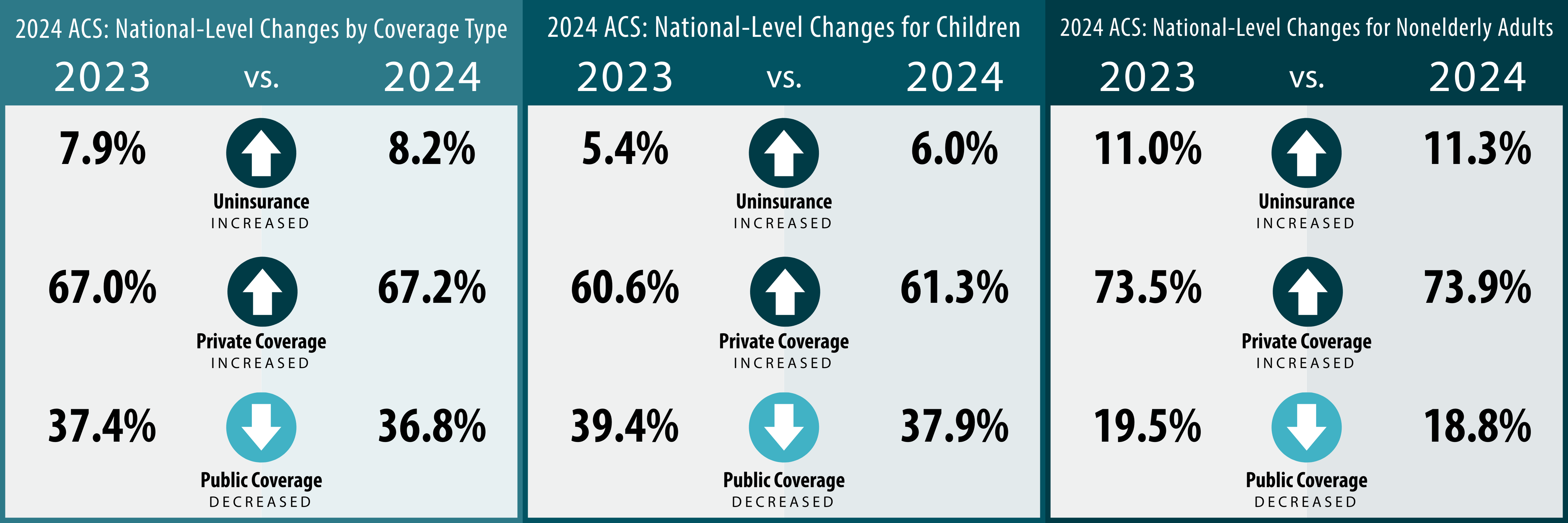
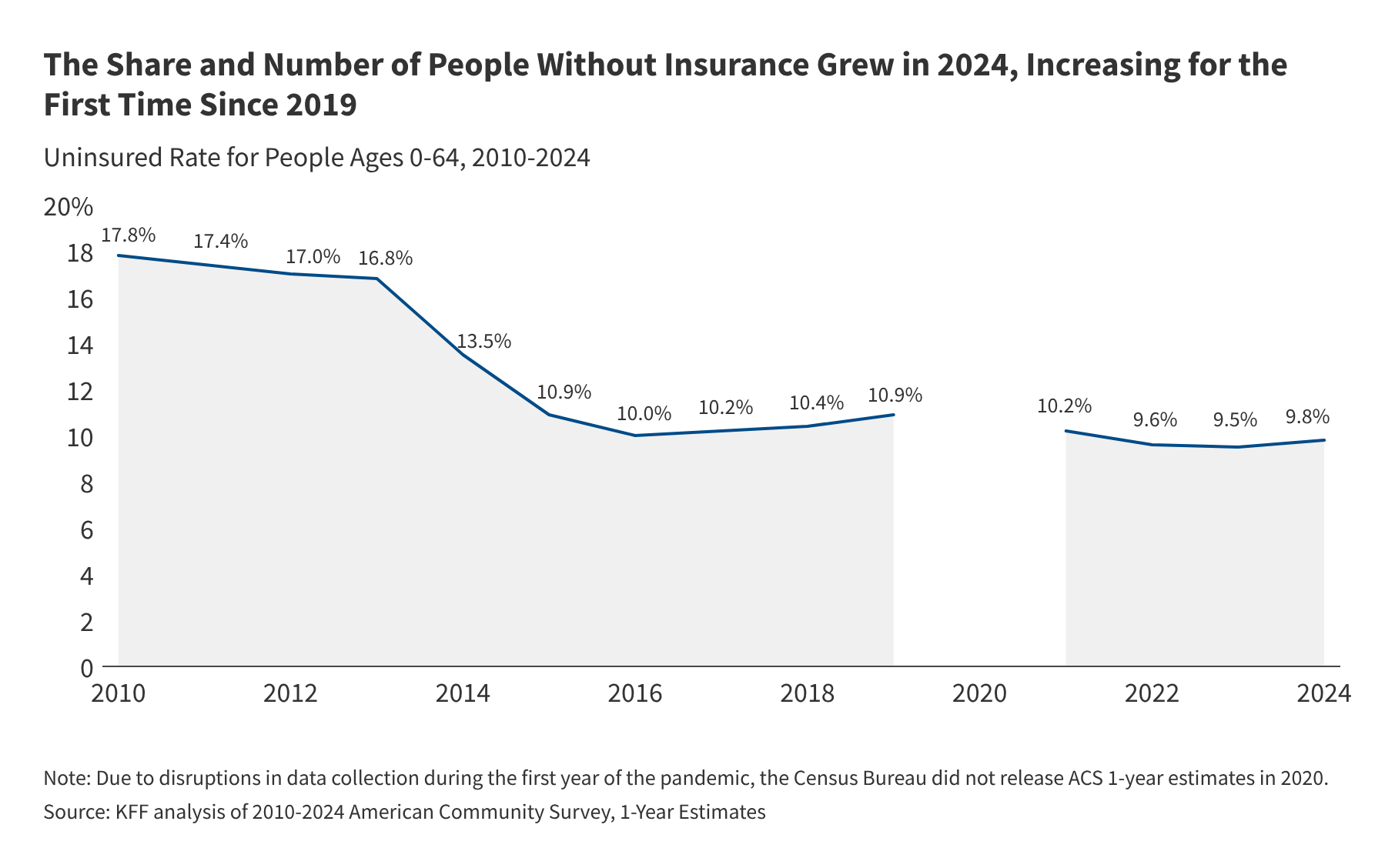
In 2024, the health insurance landscape for Americans was defined by a complex tug-of-war between record-high enrollment in the Affordable Care Act (ACA) and the massive "unwinding" of Medicaid continuous coverage. While the national uninsured rate hovered near historic lows of approximately 7.7% to 8.2% during the first half of the year, millions of individuals transitioned between coverage types, highlighting significant gaps in accessibility for specific demographics and geographic regions.
The Landscape of Health Coverage in 2024
The year 2024 served as a critical pivot point for the American healthcare system. Following the formal end of the COVID-19 Public Health Emergency (PHE) in 2023, the federal requirement for states to maintain continuous Medicaid enrollment expired. This process, often called the "Medicaid Unwinding," meant that for the first time in three years, states began re-evaluating the eligibility of every single person on their Medicaid rolls.
As a result, 2024 saw a dual reality. On one hand, the ACA Marketplace experienced a surge in popularity, reaching over 21 million enrollees during the 2024 Open Enrollment Period. This was driven largely by the enhanced subsidies provided by the Inflation Reduction Act, which made premiums significantly more affordable for middle- and lower-income families. On the other hand, the termination of Medicaid for millions—many due to procedural hurdles rather than a change in income—created a volatile environment where the number of uninsured Americans fluctuated month to month.
The Role of the Medicaid Unwinding
The Medicaid unwinding was perhaps the most influential factor affecting the uninsured population in 2024. During the pandemic, the federal government provided extra funding to states on the condition that they did not kick anyone off Medicaid. When this ended, states had to process renewals for nearly 90 million people.
By mid-2024, data from the Kaiser Family Foundation (KFF) indicated that over 20 million people had been disenrolled from Medicaid. Crucially, a large percentage of these disenrollments were "procedural," meaning the state didn't actually determine the person was ineligible; rather, the person failed to complete the paperwork, often due to outdated contact information or confusing notices. This specific phenomenon contributed heavily to the "churn" of the uninsured population in 2024.
Why Americans Remained Uninsured in 2024
Despite the availability of subsidies and state-run programs, several systemic barriers prevented full coverage across the United States. Understanding these barriers is essential for identifying how individuals can navigate the system today.
High Cost of Premiums and Out-of-Pocket Expenses
For many Americans, the perceived or actual cost of health insurance remains the primary deterrent. While the ACA provides subsidies (Premium Tax Credits) to lower monthly payments, individuals who do not qualify for these credits—or those living in states that have not expanded Medicaid—often find the "sticker price" of insurance prohibitive.
Furthermore, "underinsurance" became a significant concern in 2024. Many who were technically insured held high-deductible health plans (HDHPs) that required thousands of dollars in out-of-pocket spending before coverage kicked in. For a family living paycheck to paycheck, a $5,000 deductible can feel indistinguishable from being uninsured when faced with a medical emergency.
The Medicaid Expansion Gap
As of 2024, ten states had still not adopted the ACA’s Medicaid expansion. In these states—which include Texas, Florida, and Georgia—there exists a "coverage gap." This gap affects adults whose income is above the state’s very low Medicaid eligibility limit but below the federal poverty level (100% FPL), which is the minimum required to qualify for ACA Marketplace subsidies. These individuals are left with virtually no affordable options, contributing significantly to the higher uninsured rates in the American South.
Complexity and Administrative Burdens
The process of applying for and maintaining health insurance is notoriously bureaucratic. In 2024, many Americans remained uninsured simply because the "administrative burden" was too high. This includes:
- Verification Requirements: Providing proof of income, citizenship, or residency can be difficult for those in unstable housing or the "gig economy."
- Language Barriers: Despite improvements, many non-English speakers struggled to navigate the renewal processes for Medicaid or the enrollment steps for the Marketplace.
- Digital Literacy: With the shift toward online portals, individuals without reliable internet access or digital skills were at a disadvantage.
Demographic Breakdown of the Uninsured
The uninsured population is not a monolith. In 2024, specific groups were disproportionately represented among those without coverage.
| Demographic Category | Coverage Trends in 2024 | Primary Challenges |
|---|---|---|
| Hispanic/Latino | Highest uninsured rate among ethnic groups. | Language barriers and higher rates of employment in industries without benefits. |
| Young Adults (19-34) | High rates of "Young Invincibles" opting out. | Transitioning off parental plans; lower entry-level wages. |
| Self-Employed/Gig Workers | Growing segment of the workforce. | Lack of employer-sponsored options; navigating private markets. |
| Non-Expansion State Residents | Significantly higher uninsured rates than expansion states. | The "Coverage Gap" for those below the poverty line. |
| Immigrant Communities | Varied eligibility based on legal status. | Five-year waiting periods for some legal residents; fear of "Public Charge" rules. |
The "Young Invincibles"
Young adults aged 19 to 34 have historically had the highest uninsured rates. In 2024, this group was impacted by the rising cost of living, particularly housing. Many young professionals prioritized rent and student loans over health insurance, especially if they perceived themselves as healthy. However, this demographic also benefited most from the ACA provision allowing children to stay on their parents' plans until age 26, though a "cliff" remains for those hitting their 26th birthday.
How to Obtain Coverage if You Are Currently Uninsured
If you found yourself without insurance in 2024 or are currently seeking coverage in 2026, the pathways to enrollment remain structured around several key pillars. Understanding these options is the first step toward financial and physical security.
1. The ACA Marketplace (HealthCare.gov)
The Marketplace is the primary destination for individuals who do not have access to employer-sponsored insurance.
- Open Enrollment: Typically runs from November 1 to January 15.
- Special Enrollment Periods (SEP): You can enroll outside of the standard window if you experience a Qualifying Life Event (QLE). These include losing other health coverage (such as Medicaid disenrollment), getting married, having a baby, or moving to a new ZIP code.
- Subsidies: In 2026, many of the enhanced subsidies that were active in 2024 remain a factor in determining affordability. These are based on your projected household income for the year.
2. Medicaid and CHIP
Medicaid provides free or low-cost coverage to millions of Americans. Unlike the Marketplace, you can apply for Medicaid or the Children’s Health Insurance Program (CHIP) at any time of the year. Eligibility is based on income and, in some states, disability status or family size. Even if you were disenrolled during the 2024 "unwinding," you can re-apply if your income has decreased or if your state’s rules have changed.
3. Employer-Sponsored Insurance (ESI)
The majority of Americans still receive insurance through their jobs. If you are starting a new job, you usually have a 30-to-90-day window to sign up for benefits. If you declined coverage during your initial hiring but have since lost other coverage, you may be eligible for a mid-year enrollment.
4. COBRA Continuation Coverage
If you recently lost a job, COBRA allows you to keep your employer’s health plan for up to 18 months. However, you generally have to pay the full premium plus a 2% administrative fee, making it the most expensive option for most people. In 2024, many chose to skip COBRA in favor of more affordable Marketplace plans.
The Risks of Remaining Uninsured
Living without health insurance is a significant gamble that can have lifelong consequences. In 2024, the medical system continued to see the fallout of delayed care.
Financial Devastation
Medical debt is the leading cause of bankruptcy in the United States. Without insurance, a single emergency room visit for a broken bone or appendicitis can result in bills totaling tens of thousands of dollars. Insured individuals benefit from "negotiated rates" that insurance companies have with providers; uninsured individuals are often billed the "chargemaster" price, which is significantly higher.
Delayed Diagnosis and Treatment
Uninsured individuals are less likely to receive preventive care, such as cancer screenings, blood pressure checks, and vaccinations. By the time an uninsured person seeks care for a symptom, the underlying condition—such as diabetes or heart disease—is often further advanced, more difficult to treat, and more expensive to manage.
Impact on Mental Health
The stress of being one accident away from financial ruin takes a measurable toll on mental health. In 2024, surveys indicated that uninsured Americans reported higher levels of anxiety and "financial "toxicity" compared to their insured counterparts.
Strategic Guidance for Navigating 2026
As we move through 2026, the lessons from the 2024 uninsured data are clear: coverage is a moving target. To stay protected, you must be proactive.
- Check Your Eligibility Regularly: If your income changes, even slightly, check HealthCare.gov or your state's Medicaid portal. You may qualify for more savings than you realize.
- Update Your Contact Information: One of the biggest reasons people lost coverage in 2024 was that the Medicaid office couldn't find them. Ensure your address, phone number, and email are current with your health department.
- Utilize Navigators: Most states offer free, non-biased "Navigators" or "Assisters" who are trained to help you fill out applications and understand the differences between plans. These services are free and can prevent costly mistakes.
- Don't Wait for an Emergency: Many people try to buy insurance after they get sick. Outside of a Special Enrollment Period, this is often impossible. Secure your "safety net" before you need it.
Frequently Asked Questions
What was the main reason people were uninsured in 2024?
The primary driver of the shifting uninsured numbers in 2024 was the Medicaid Unwinding. After a three-year pause on disenrollments during the pandemic, states began removing people from Medicaid rolls. Many individuals who lost Medicaid were eligible for Marketplace plans but did not realize it or struggled with the transition paperwork.
Can I get insurance in 2026 if I missed the Open Enrollment deadline?
Yes, but only if you qualify for a Special Enrollment Period (SEP). Common triggers for an SEP include losing your job-based insurance, moving, getting married, or losing Medicaid coverage. If you do not have a qualifying event, you may have to wait until the next Open Enrollment period, though Medicaid and CHIP applications are accepted year-round.
Is there still a penalty for being uninsured?
At the federal level, the "individual mandate" penalty was reduced to $0 starting in 2019. However, several states, including California, Massachusetts, New Jersey, Rhode Island, and the District of Columbia, have their own state-level mandates. Residents in these areas may face a tax penalty if they do not have qualifying health insurance.
How much does the average Marketplace plan cost in 2026?
Costs vary wildly based on age, location, and household income. However, due to extended federal subsidies, many enrollees find plans for less than $10 per month after tax credits. It is essential to enter your actual ZIP code and estimated income on the Marketplace website to get an accurate quote.
What should I do if I can't afford any insurance?
If you live in a state that expanded Medicaid, you may qualify for free coverage if your income is below 138% of the Federal Poverty Level. If you live in a non-expansion state and fall into the "coverage gap," look for Federally Qualified Health Centers (FQHCs). These clinics provide care on a sliding-scale fee based on your ability to pay, ensuring you can still see a doctor even without insurance.
Final Recommendation
If you were among the millions of Americans uninsured in 2024, your first action in 2026 should be to visit HealthCare.gov or your state's equivalent exchange. Even if you were denied in the past, changes in subsidy structures and income limits mean you may now be eligible for comprehensive coverage at a fraction of the expected cost. Do not leave your health and financial future to chance; verify your options today.