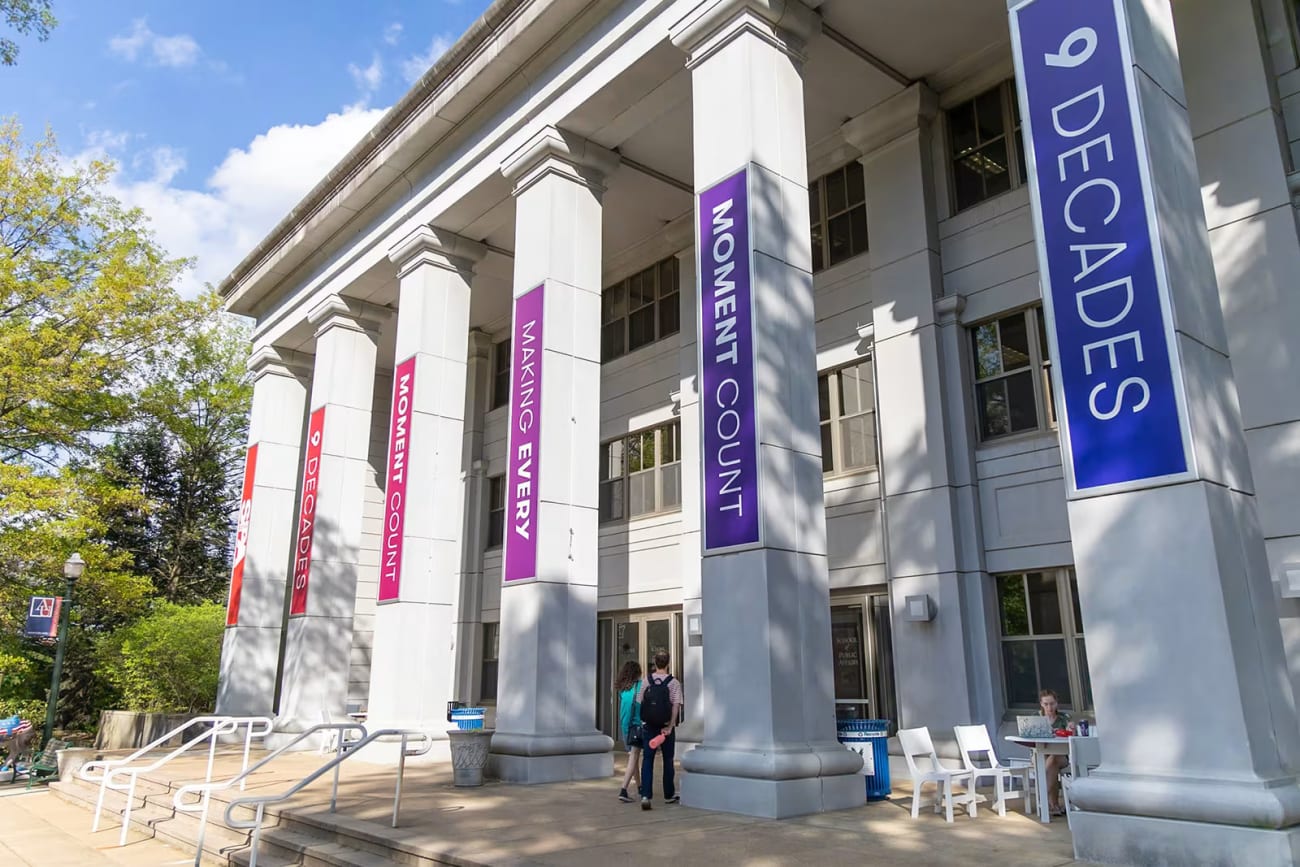
American university tours are structured campus visits designed to provide prospective students and their families with a firsthand look at academic facilities, residential life, and campus culture. In 2026, these tours serve as a primary tool for evaluating institutional "fit" and often function as a formal component of the admissions process through the tracking of demonstrated interest.
The Strategic Importance of Campus Visits in 2026
The college search process has become increasingly data-driven, yet the physical campus tour remains the most reliable method for a student to determine if they can thrive in a specific environment. For the 2026-2027 academic cycle, university tours are no longer just passive walks across a quadrangle; they are immersive experiences that allow applicants to cross-reference the marketing materials found on websites with the reality of daily student life.
Beyond the aesthetic appeal of a campus, the primary value of a tour lies in the opportunity to observe interpersonal dynamics. Are students interacting in common areas? Does the faculty seem accessible? Is the surrounding neighborhood integrated with the campus or isolated from it? These qualitative observations are difficult to capture through a screen. Furthermore, many mid-tier and elite private institutions continue to use "demonstrated interest" as a factor in admissions. By registering for and attending an official tour, a student creates a data point in the university’s recruitment CRM (Customer Relationship Management) system, signaling that they are a serious applicant.
Types of American University Tours
As of 2026, the landscape of campus visits has diversified to accommodate different budgets, schedules, and levels of interest. Understanding the distinctions between these offerings is essential for efficient planning.
Official Admissions Tours and Information Sessions
This is the standard entry point for most families. It typically begins with a 30-to-45-minute presentation by an admissions officer regarding financial aid, application requirements, and academic programs, followed by a 60-minute walking tour led by a current student ambassador. These tours are designed to highlight the university’s strengths and are most useful for a general overview of the institution.
Departmental and Special Interest Tours
For students who have already identified a specific major, many universities offer specialized tours for engineering, nursing, the arts, or business. These visits focus on laboratories, studios, and specialized libraries that are often bypassed during general tours. In 2026, many of these departmental tours also include "sit-in" opportunities where prospective students can observe a live lecture.
Fly-in Programs and Diversity Initiatives
To promote equity and access, many American universities host "fly-in" programs. These are all-expenses-paid campus visits for high-achieving, low-income, or underrepresented students. Applications for these programs usually open in the late summer of a student's junior year and are highly competitive. They offer a deep dive into campus resources, including workshops on navigating the college application process.
Virtual and Augmented Reality Tours
For international students or those unable to travel, virtual tours have evolved significantly. By 2026, most major universities utilize high-definition 360-degree video or augmented reality (AR) apps that allow users to "walk" through dorms and classrooms from their own homes. While these lack the sensory experience of being on-site, they are excellent tools for narrowing down a long list of schools before committing to travel expenses.
| Tour Type | Best For | Typical Duration | Cost |
|---|---|---|---|
| Admissions Tour | General overview and demonstrated interest | 2 - 3 Hours | Free |
| Departmental Tour | Specific major evaluation (e.g., STEM, Arts) | 1 - 2 Hours | Free |
| Self-Guided (App-based) | Flexibility and social distancing | Variable | Free |
| Fly-in Programs | Low-income/underrepresented students | 2 - 3 Days | $0 (Institutional-funded) |
| Virtual VR Tour | Initial screening and international students | 30 - 60 Mins | Free |
Planning and Registration Logistics
The logistical complexity of visiting multiple universities requires early planning. Most institutions open their tour registration calendars three to six months in advance. Because popular dates—such as spring break and federal holidays—fill up quickly, early booking is mandatory.
Timing Your Visit
The best time to visit a campus is when classes are in session but students are not in the middle of midterms or finals. Visiting during the summer provides a good look at the facilities, but the "vibe" of the campus is often missing as the student population is sparse. Conversely, visiting during "Admitted Students Day" in the spring of senior year provides the most energy but can be overwhelming. For junior-year students, October, November, February, and March are generally considered the optimal months for observation.
Registration Portals
Registration is almost exclusively handled through the university’s undergraduate admissions portal. You will typically need to provide the student’s graduation year, intended major, and contact information. Once registered, you will receive a confirmation email with parking instructions, which are vital as many urban campuses have extremely limited or restricted parking for visitors.
What to Evaluate During the Campus Visit
To get the most out of a tour, students should look beyond the talking points of the tour guide. While the guide is trained to share positive anecdotes, the observant visitor can find a more nuanced truth.
Residential Life and Dining
Ask to see a "typical" freshman dorm, not just the renovated showroom. Check the laundry facilities, the security of the building entrances, and the proximity to academic buildings. If possible, eat a meal in the dining hall. This is the best way to gauge student satisfaction and the quality of daily life. Observe whether the dining hall accommodates various dietary restrictions, which is a standard expectation in 2026.
Academic Infrastructure and Libraries
A university’s library is often its heart. Look for a variety of study spaces: quiet zones, collaborative group rooms, and late-night cafes. Check the age of the equipment in computer labs and the availability of specialized software. In science buildings, note the ratio of undergraduate students to research equipment; in liberal arts buildings, look for faculty offices and whether doors are open or closed.
Safety and Wellness Resources
Campus safety is a primary concern for many families. Locate the "blue light" emergency kiosks and ask about the university’s campus shuttle or safe-walk programs for late-night study sessions. Additionally, inquire about the capacity of the student health center and counseling services. In 2026, the ratio of mental health counselors to students is a key metric for institutional health.
Engaging with Student Guides and Faculty
The student tour guide is one of your most valuable resources, but you must ask the right questions to move past the script. Instead of asking "Is the food good?" ask "What is the one thing you would change about the dining options here?"
Other high-value questions include:
- "How easy was it for you to get the classes you needed for your major this year?"
- "What do students typically do on the weekends? Does the campus empty out?"
- "How accessible have your professors been outside of their scheduled office hours?"
- "What was the most unexpected challenge you faced during your freshman year?"
If you have pre-arranged a meeting with a faculty member, come prepared with questions regarding undergraduate research opportunities or internship placements. Demonstrating that you have read their recent work or understand the department’s curriculum can leave a lasting positive impression.
Practical Logistics: Travel and Budgeting
Visiting American universities can be expensive, especially if schools are spread across different states. To manage costs, many families adopt a "hub and spoke" travel model. For example, staying in a central location like Boston allows for day trips to Harvard, MIT, Northeastern, and Boston University. Similarly, staying in Philadelphia provides access to UPenn, Drexel, Villanova, and Temple.
Transportation and Lodging
Renting a car is often necessary for suburban or rural campuses, while urban campuses are best navigated via public transit or ride-sharing. Many universities have partnerships with local hotels to provide "Admissions Visitor" discounts. Always check the university’s "Visit Us" webpage for discount codes before booking.
Documenting the Experience
After visiting three or four schools, the details will begin to blur. It is essential to take photos and, more importantly, for the student to write down their immediate impressions within an hour of leaving the campus. Create a standardized rubric to score each school on a scale of 1 to 10 in categories like "Academic Vibe," "Housing Quality," "Location," and "Gut Feeling." These notes will be invaluable when it comes time to write the "Why this College?" supplemental essays during the application season.
Frequently Asked Questions
Do I need to go on an official tour for it to count as "demonstrated interest"?
Yes, in most cases. While walking around a campus on your own is informative, it does not leave a digital footprint in the university's admissions system. To ensure you receive credit for the visit, you must register through the official portal and "check in" at the admissions office upon arrival. Some schools also send a follow-up survey after the visit; completing this further confirms your interest.
Can I visit a campus if I am not a high school senior?
Absolutely. In fact, starting tours in the sophomore or junior year is recommended. This allows the student to explore different types of schools (large public vs. small private) without the immediate pressure of application deadlines. It also helps in narrowing down the list of schools to which the student will eventually apply.
What should I wear on a university tour?
There is no formal dress code, but "smart casual" is the general standard. Wear comfortable walking shoes, as most tours involve one to two miles of walking across various terrains. Dress for the weather; tours usually proceed rain or shine. While you don’t need a suit, appearing neat and attentive shows respect for the institution and the student guide.
Are tours available on weekends and during school holidays?
Most universities offer Saturday tours, but they are the first to reach capacity. Sunday tours are rare. During major holidays like Thanksgiving or Christmas, admissions offices are typically closed, and tours are suspended. Always check the specific university’s calendar, as "Fall Break" or "Spring Break" dates vary by institution and can affect tour availability.
What if I cannot afford the travel costs for tours?
Look for "Virtual Visit" days on the college’s website. These are more robust than a simple video tour and often include live Q&A sessions with students and faculty. Additionally, check for fly-in program eligibility. If you are a high-achieving student from a low-income background, the university may pay for your flight, lodging, and meals to visit the campus.
Next Steps for Prospective Students
Once you have identified your list of potential schools for 2026, the next step is to create a master calendar of tour dates. Start by visiting one local college—regardless of whether you intend to apply there—to get a feel for how the tour process works. This "practice run" will help you refine the questions you ask and the things you look for when you visit your top-choice institutions. After each visit, send a brief, professional thank-you email to any admissions officers or faculty members you met personally; this small gesture can significantly reinforce your interest in the program.