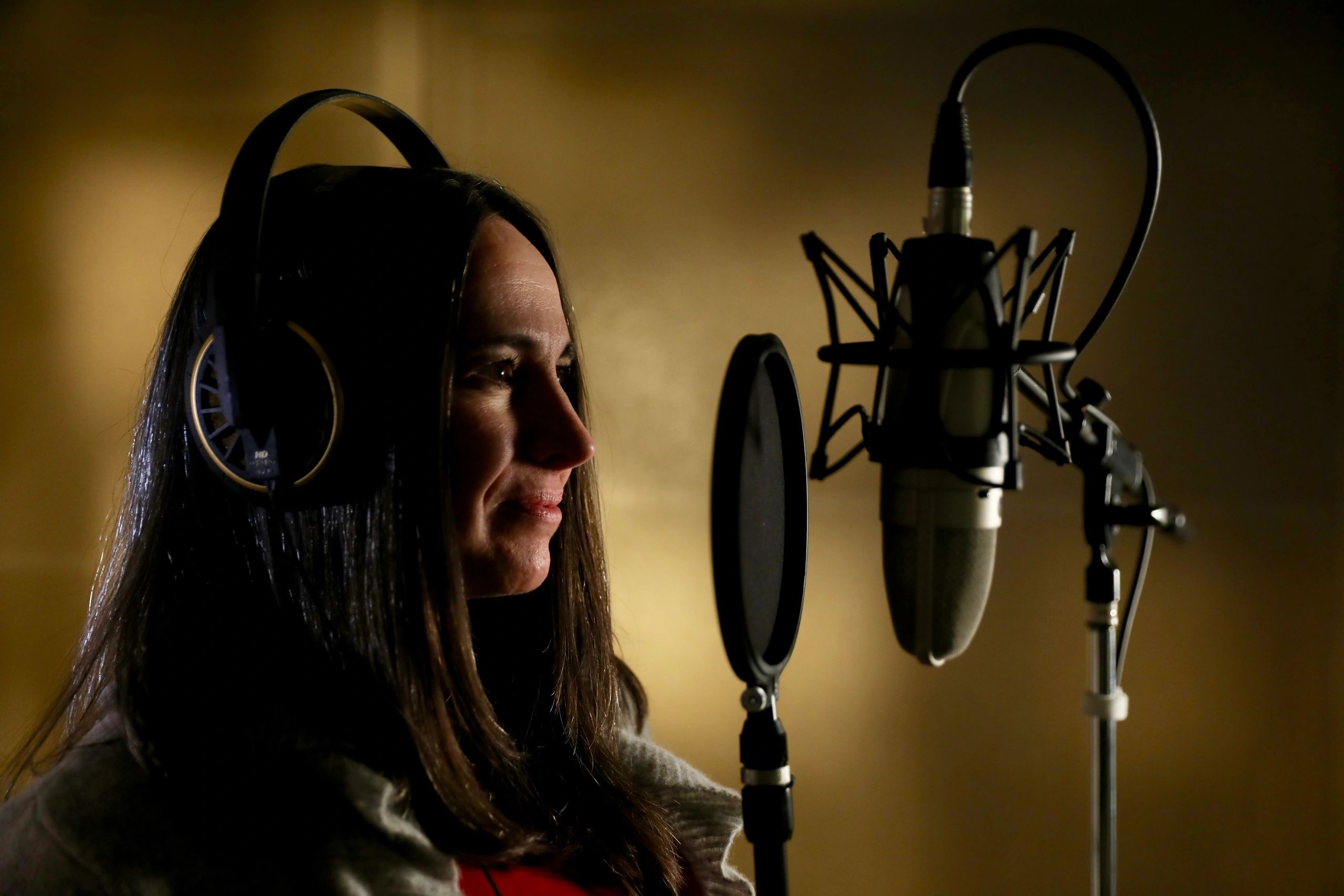
American voice over artists are professional vocal performers providing narration, character voices, and commercial announcements for global media. In 2026, they serve as the backbone of the trillion-dollar entertainment and corporate sectors, utilizing high-end home studios to deliver broadcast-quality audio for animation, gaming, advertising, and AI-assisted technologies across the United States.
The Evolution of the American Voice Over Landscape
The landscape for American voice over artists has undergone a seismic shift as of 2026. Historically centered in hubs like Los Angeles and New York City, the industry is now fully decentralized. The "home studio revolution," which began decades ago, has reached a state of total maturity. Today, an American voice actor in a rural Midwestern state can compete for the same national television campaigns as a veteran in Hollywood, provided they possess the requisite technical infrastructure and acoustic treatment.
This decentralization has led to a more diverse pool of talent. Producers are no longer limited to the "announcer" voice of the past. Instead, there is a profound demand for authenticity—the "non-announcer" voice that sounds like a neighbor, a friend, or a peer. This shift reflects a broader cultural move toward transparency and relatability in American marketing and storytelling.
Understanding Regional Accents and "General American"
One of the primary reasons clients specifically seek American voice over artists is the versatility of the American dialect. While many international audiences recognize a "standard" American accent, the reality is a complex tapestry of regionalisms.
General American (GenAm)
General American is the most requested dialect in the industry. It is often described as "accent-less" or "mid-Atlantic," though linguistically, it is a continuum of accents rather than a single point. In 2026, GenAm remains the gold standard for corporate narration, medical e-learning, and national news segments because it is perceived as highly intelligible and culturally neutral.
Regional Variations
Strategic use of regional accents can increase the effectiveness of a campaign by targeting specific demographics. Experienced American artists often specialize in:
- Southern Accents: Ranging from the refined "Plantation" drawl to the "Texas Twang" and the "Appalachian" lilt.
- The New York/Tri-State Sound: Known for its fast-paced, direct, and gritty texture.
- Midwestern: Often associated with "heartland" values, characterized by flatter vowels.
- West Coast/California: Frequently utilized for youth-oriented brands and tech-focused narration.
Union vs. Non-Union: The SAG-AFTRA Factor
When hiring American voice over artists in 2026, the first major decision is whether to go through SAG-AFTRA (Screen Actors Guild - American Federation of Television and Radio Artists) or the non-union market.
Union (SAG-AFTRA)
Union artists are governed by strictly negotiated contracts that ensure fair pay, health benefits, and pension contributions. For high-budget films, major network television shows, and national commercial campaigns, union talent is often mandatory. The union also provides a framework for protecting artists against the unauthorized use of their voices in AI training, a major point of negotiation in the 2024-2025 contract cycles that has solidified in 2026.
Non-Union
The non-union market is vast and diverse. It includes everything from high-end independent contractors to beginners on "pay-to-play" platforms. While non-union rates are often lower and involve "buyouts" (one-time payments for perpetual use), the burden of quality control falls entirely on the hiring party. Many professional American artists choose to remain "financial core" (Fi-Core), allowing them to work both union and non-union jobs, though this remains a contentious topic within the acting community.
Technical Standards for the Modern American Studio
By 2026, the technical barrier to entry for American voice over artists has risen significantly. A "quiet room" is no longer sufficient; clients expect a noise floor of -60dB or lower and a completely transparent signal chain.
Essential Equipment in 2026
- Microphones: While the Neumann U87 remains an industry icon, many artists have transitioned to ultra-linear microphones that allow for better post-production modeling.
- Audio Interfaces: High-speed Thunderbolt 4 or 5 interfaces are standard, providing near-zero latency for remote directed sessions.
- Connection Software: Source-Connect Standard or Pro is the industry requirement for remote recording. It allows a producer in London to record an artist in Chicago in real-time with frame-accurate synchronization.
- Acoustic Treatment: Professional-grade mineral wool panels or bespoke "whisper booths" are necessary to eliminate the "boxy" sound common in amateur setups.
Usage Rights and Pricing Structures
Understanding the cost of hiring American voice over artists requires a grasp of usage rights. In the U.S. market, you are not just paying for the artist's time; you are paying for the "real estate" the voice will occupy.
| Category | Typical Duration | Usage Terms (2026 Average) | Estimated Price Range (USD) |
|---|---|---|---|
| National TV Commercial | 30 Seconds | 13-Week Cycle (Renewable) | $2,500 - $10,000+ |
| Corporate Narration | 2-5 Minutes | Internal Use Only (Perpetual) | $500 - $1,500 |
| E-Learning | 60 Minutes | Perpetual / Per Finished Minute | $750 - $2,500 |
| Explainer Video | 60-90 Seconds | Web/Social Media (1 Year) | $300 - $800 |
| Video Game (Indie) | Per Hour | Full Buyout | $250 - $500 per hour |
Note: Rates vary based on the artist's experience, union status, and the specific reach of the campaign.
The Impact of AI and Synthetic Voices in 2026
The year 2026 marks a turning point in the relationship between human American voice over artists and Artificial Intelligence. Rather than a total replacement, the industry has moved toward a hybrid model.
Many top-tier American artists now offer "Voice Clones" or synthetic versions of their own voices for lower-tier projects like internal training or temporary "scratch tracks." However, for high-stakes emotional storytelling, the human element remains irreplaceable. The nuance of a "smile" in a voice, the strategic use of silence, and the ability to take complex direction in a live session are skills that AI has yet to replicate with 100% fidelity.
Furthermore, legal protections in the U.S. have caught up. The "No Fakes Act" and similar state-level legislation now require explicit consent and compensation for any digital replica of a performer's voice. This has stabilized the market, ensuring that professional artists can maintain their livelihoods even as technology evolves.
How to Successfully Hire an American Voice Artist
To ensure a project’s success, follow this professional workflow when engaging with American talent:
- Define the Persona: Don’t just ask for an "American accent." Specify the age, tone (authoritative, conversational, wry), and the intended emotional impact.
- Provide a Sample Script: Most professional artists will provide a 30-second "custom demo" for free. This is the best way to hear how your specific words sound coming from their studio.
- Specify the Usage: Be transparent about where the audio will be used (e.g., "Facebook ads for 6 months" vs. "Regional radio for 1 year"). This prevents legal disputes later.
- Request a Directed Session: If the project is high-value, use Source-Connect or Zoom to direct the artist live. Ten minutes of live direction is more valuable than ten rounds of emailed revisions.
- Check the Specs: Ensure the artist can deliver the file format you need (usually 24-bit/48kHz WAV) and that their studio meets professional noise floor standards.
Common Mistakes to Avoid
- Underestimating the "Editing" Time: A one-hour recording session usually requires two to three hours of "cleaning" (removing breaths, clicks, and pops). Ensure your contract specifies whether you are receiving "raw" or "fully edited" audio.
- Ignoring Local Laws: If hiring an artist in California or New York, be aware of specific labor laws regarding independent contractors (like AB5 in California), which may influence how you structure the payment.
- Vague Directions: Avoid abstract terms like "make it sound blue" or "give it more energy." Instead, use actionable verbs like "speak faster in the second paragraph" or "emphasize the brand name more subtly."
Frequently Asked Questions
What is the difference between a voice actor and a voice over artist?
While often used interchangeably, "voice actor" typically implies character work for animation or gaming, requiring deep emotional range and physicalization. "Voice over artist" is a broader term encompassing commercial, corporate, and narrative work where the primary goal is clear communication and brand representation.
Do American voice over artists charge by the word or by the hour?
Most American artists charge "per project" or "per finished minute" for narration and "per spot" for commercials. Charging by the hour is rare because a highly skilled artist can record a script much faster than a novice; charging by the hour would effectively penalize them for their efficiency.
How do I know if an artist’s studio is actually "broadcast quality"?
Ask for a "raw sample" with no processing (no EQ, compression, or limiting). Listen to the silence between the words. If you hear a hum (electrical noise) or a hiss (pre-amp noise), or if the voice sounds like it’s in a bathroom (reverb), the studio is not broadcast quality.
Can I use a US artist for a global campaign?
Yes. The General American accent is widely accepted in international markets, particularly in tech, aviation, and medicine. However, you should clarify if you need "International English" (simplified vocabulary and slower pace) or standard domestic American English.
What are "residuals" in voice over?
Residuals are additional payments made to union (SAG-AFTRA) artists every time a commercial or show is re-aired after a certain period. In the non-union world, these are almost non-existent, replaced by "buyouts" where you pay a larger upfront fee for the right to use the audio for a set time.
Next Steps for Your Project
If you are ready to hire, your first step should be to draft a Creative Brief. This document should include your script, the word count, the intended platform of use, and your budget range. Reach out to reputable talent agencies or vetted online casting sites that specialize in American talent. By prioritizing technical quality and clear usage terms, you will ensure that your project benefits from the high standard of professionalism that American voice over artists provide in 2026.