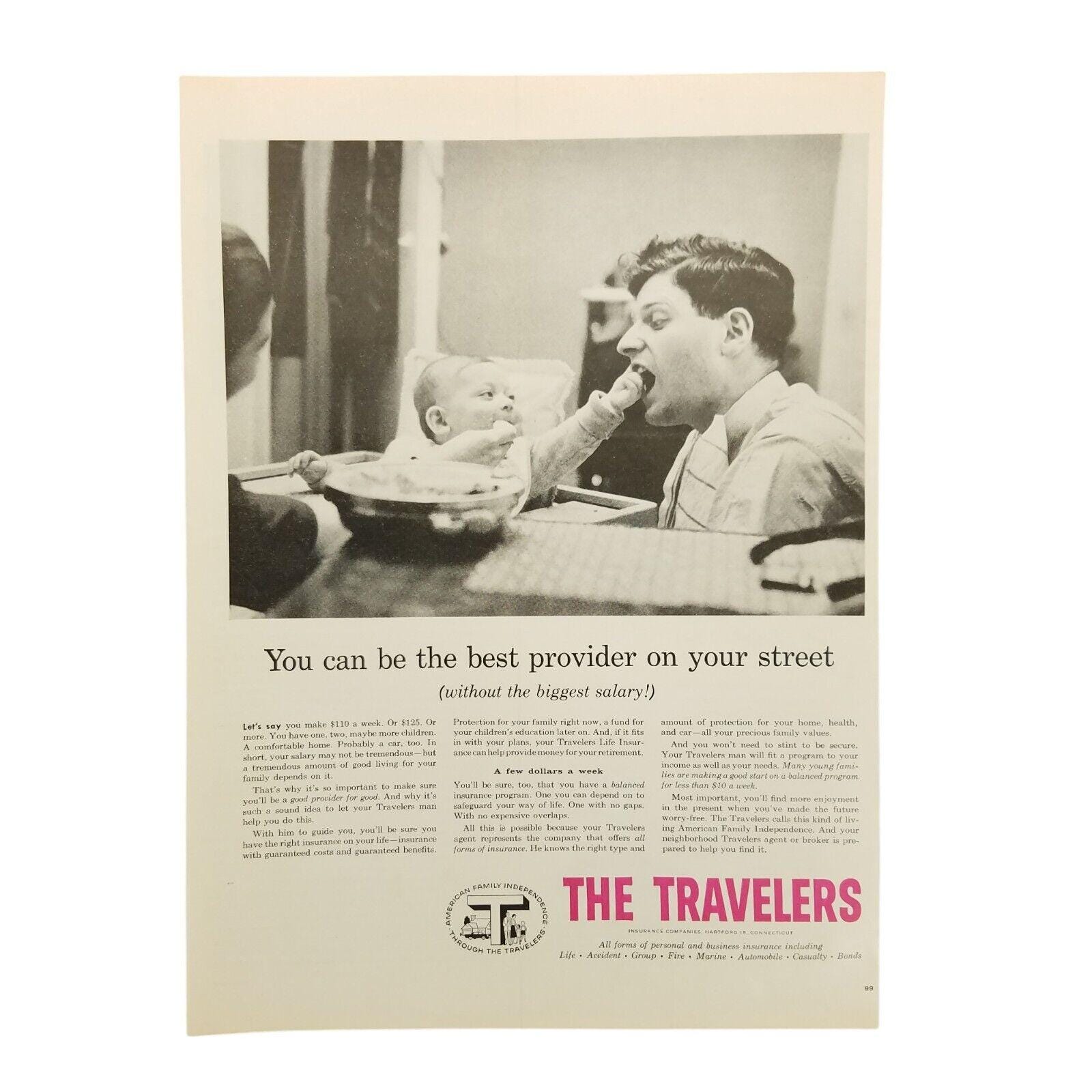
American Travellers Life Insurance Company is a legacy provider primarily known for long-term care (LTC) policies. Now consolidated under the Conseco Senior Health Insurance Company (CSHIC) umbrella, its administrative and claims operations are managed through specialized centers, including historical hubs in Bensalem, PA, and the oversight of the Pennsylvania Insurance Department.
The history of American Travellers Life Insurance Company is a complex narrative of the early long-term care insurance market, corporate acquisitions, and subsequent regulatory oversight. For policyholders or their beneficiaries in 2026, identifying the correct point of contact is the most critical hurdle. Because the company no longer exists as a standalone entity, understanding its evolution into Conseco and its current status in rehabilitation is essential for managing claims and benefits effectively.
The Evolution of American Travellers Life Insurance Company
In the 1980s and early 1990s, American Travellers Life Insurance Company was a prominent player in the nascent long-term care insurance industry. Based in Pennsylvania, it specialized in providing coverage for nursing home stays, home health care, and adult day care—services that were becoming increasingly expensive as the American population aged.
In 1996, the company was acquired by Conseco, Inc., a financial services giant that was aggressively expanding its portfolio. This acquisition was part of a larger trend where Conseco consolidated several life and health insurance companies, including Bankers Life and Casualty. Following the acquisition, American Travellers was eventually merged into Conseco Senior Health Insurance Company (CSHIC).
By the early 2000s, the entire LTC insurance industry faced a crisis. Many companies, including American Travellers/Conseco, had underpriced their policies. They underestimated how long policyholders would live and overestimated the interest rates they would earn on premiums. This led to a massive shortfall in reserves, eventually resulting in Conseco’s bankruptcy and the subsequent separation of its senior health blocks into a "run-off" entity.
The Role of the Bensalem, PA Administrative Center
The mention of Bensalem, PA, is significant for many policyholders because it served as a primary administrative and claims processing hub for Conseco’s senior health division. Located in Bucks County, these offices handled the high volume of paperwork associated with LTC claims from the legacy American Travellers block of business.
While corporate structures have shifted, many official documents, older policy jackets, and premium notices still list Bensalem or nearby Horsham and Carmel (Indiana) as the primary points of contact. In 2026, while physical offices may have consolidated or transitioned to remote administrative services, the Bensalem region remains a legal and historical anchor for the processing of these Pennsylvania-based insurance products.
When policyholders encounter a Bensalem address on their documents, it usually refers to:
- Claims Submission: Where invoices for nursing home care or home health services are mailed.
- Customer Service: The call center responsible for answering questions about policy limits and "elimination periods."
- Premium Billing: The department that handles the collection of ongoing payments to keep the policy in force.
Understanding Legacy Long-Term Care (LTC) Policies
Policies originally issued by American Travellers are considered "legacy" or "grandfathered" plans. These policies often contain features that are no longer available in the modern insurance market, which makes them both valuable and difficult to manage.
Comprehensive vs. Facility-Only Coverage
Some American Travellers policies were "Facility-Only," meaning they only paid for care received in a licensed nursing home. Others were "Comprehensive," covering home health care, assisted living, and hospice. Understanding which type of policy you hold is the first step in the claims process.
The Elimination Period
A common feature in these policies is the elimination period—essentially a deductible expressed in days. The policyholder must pay for their own care for a set number of days (often 30, 60, or 90 days) before the insurance company begins making payments. Many disputes arise because families expect immediate payment upon a diagnosis of dementia or a physical fall, forgetting the contractually mandated waiting period.
Benefit Triggers
To "trigger" benefits under an American Travellers policy, a healthcare professional must typically certify that the insured is unable to perform at least two Activities of Daily Living (ADLs). These include:
- Bathing
- Dressing
- Eating
- Toileting
- Transferring (moving from a bed to a chair)
- Continence
Alternatively, a trigger can be pulled if the insured suffers from a "Cognitive Impairment" (such as Alzheimer's or dementia) that requires constant supervision to protect their health and safety.
The CSHIC Rehabilitation and Regulatory Status
As of 2026, the legacy block of American Travellers business remains under the oversight of the Pennsylvania Insurance Department. In 2020, Conseco Senior Health Insurance Company (CSHIC) was placed into formal rehabilitation. This is a legal process similar to a restructuring, designed to protect policyholders when an insurance company lacks the funds to pay all future claims.
The Rehabilitation Plan, overseen by the Pennsylvania Commonwealth Court, typically involves:
- Rate Increases: Policyholders may be asked to pay significantly higher premiums to keep their original benefits.
- Benefit Reductions: Policyholders may be given the option to reduce their daily benefit amount or inflation protection in exchange for keeping their current premium.
- State Guaranty Funds: If the company were to move from rehabilitation to liquidation, state guaranty associations would step in to pay claims, though usually capped at a certain dollar amount (often $300,000 to $500,000 depending on the state).
For anyone dealing with an American Travellers policy in Bensalem, PA, it is vital to stay informed through the Pennsylvania Insurance Department's CSHIC portal.
How to File a Claim for American Travellers Benefits
Filing a claim with a company in rehabilitation requires meticulous documentation. The process usually follows these steps:
- Initial Notification: Contact the administrator (often through the Bankers Life or CNO Financial Group service portals, which still handle some administrative legacy tasks) to "open a claim."
- Claim Packet Completion: You will receive a packet requiring a Physician's Statement, a Provider's Assessment, and a W-9 form for the facility or care provider.
- The Nursing Home/Home Health Invoice: Invoices must be itemized. The insurance company will not pay based on a summary statement; they need to see the daily rate and the specific services provided.
- On-Site Assessment: The company may send a nurse to the insured's home or facility to verify that they truly meet the ADL triggers mentioned earlier.
| Feature | American Travellers (Legacy) | Modern LTC Policies (2026) |
|---|---|---|
| Primary Administrator | CSHIC (In Rehabilitation) | Major Carriers (Mutual of Omaha, etc.) |
| Benefit Triggers | 2 of 6 ADLs or Cognitive Impairment | 2 of 6 ADLs or Cognitive Impairment |
| Inflation Protection | Often 5% Compound (Very Valuable) | Usually 1% - 3% or GPO |
| Premium Stability | Subject to Court-Ordered Increases | More stable but still variable |
| Claims Center | Historically Bensalem, PA | Digital/Centralized Portals |
Critical Documentation and Verification
If you are a caregiver for an elderly parent who holds an American Travellers policy, you must locate the following documents immediately. Do not wait for a medical crisis to find these, as the company’s status in rehabilitation makes retroactive claims more difficult.
- The Original Policy Schedule: This page lists the daily benefit amount (e.g., $100/day) and the maximum lifetime benefit (e.g., $100,000 or "Unlimited").
- The Last Premium Receipt: Proof that the policy is "In Force." If a payment was missed, there is usually a 31-day grace period, but legacy policies are rarely reinstated once they lapse.
- Power of Attorney (POA): The insurance company will not speak to a child or spouse about a policyholder’s medical triggers without a valid Legal Power of Attorney on file.
Common Challenges and Troubleshooting
1. The "Lapsed Policy" Dispute
One of the most common issues with American Travellers policies is the claim that a policy lapsed due to non-payment. If the insured has cognitive impairment, they may have forgotten to pay the bill. Most states have "Third-Party Notification" laws that require the insurance company to notify a designated friend or relative before cancelling a policy for non-payment.
2. Premium "Shock"
In 2026, many policyholders are receiving notices of 20% to 50% premium increases. These are often sanctioned by the Pennsylvania courts to ensure the company doesn't run out of money. If the premium becomes unaffordable, ask for a "Reduced Paid-Up" policy option. This allows you to stop paying premiums and keep a smaller amount of coverage based on what you have already paid into the system.
3. Verification of the Bensalem Address
If you are asked to send sensitive medical or financial data to an address in Bensalem, PA, verify it first via the National Association of Insurance Commissioners (NAIC) or the official CSHIC rehabilitation website. Scams targeting seniors with legacy insurance policies are common; always ensure the mailing address matches official regulatory correspondence.
Frequently Asked Questions
Is American Travellers Life Insurance Company still in business?
Technically, no. American Travellers Life Insurance Company was merged into Conseco Senior Health Insurance Company (CSHIC). While the "company" exists as a legal entity for the purpose of paying out existing policies, it does not sell new insurance. It is currently in a state-supervised "run-off" and rehabilitation.
Where should I send my premium payments for an American Travellers policy?
Payments should be sent to the address listed on your most recent billing statement. This is often a P.O. Box associated with CNO Financial Group or the CSHIC administrative office. If you are unsure, contact the Pennsylvania Insurance Department to confirm the current authorized payment processor.
What happens if the company runs out of money?
If CSHIC (which holds the American Travellers policies) moves from rehabilitation to liquidation, the State Guaranty Association in the state where the policyholder lives would take over. They would continue to pay claims up to the limits set by state law. Policyholders are encouraged to maintain their policies because even a "capped" guaranty benefit is often better than no coverage at all.
How do I contact the Bensalem office directly?
Most physical administrative offices in Bensalem have transitioned to centralized phone systems. The primary service number for legacy Conseco/American Travellers policies is generally routed through the CSHIC Rehabilitation executive office. You can find the current toll-free number on the official CSHIC rehabilitation website.
Can I still change my beneficiary or coverage levels?
Yes, as long as the policy is in force. You can typically decrease coverage to lower your premium, but you usually cannot increase coverage or add new riders, as the company is no longer underwriting new risks. Beneficiary changes require a standard form that must be signed and notarized in some jurisdictions.
Practical Recommendations for Policyholders
If you or a loved one holds an American Travellers Life Insurance Company policy, your primary objective in 2026 is preservation and verification.
First, ensure that a "Third-Party Notice" is on file with the company. This ensures that if a premium notice is missed, a family member is notified before the policy is cancelled. Second, obtain a "Benefit Summary" in writing. This document will clarify exactly how much the policy pays per day and whether it includes inflation protection—a feature that often makes these old policies worth significantly more than their modern counterparts.
Finally, keep a log of all interactions with the Bensalem or administrative offices. Note the date, the name of the representative, and the specific information provided. In a rehabilitation environment, clear communication and thorough record-keeping are your best tools for ensuring that the benefits promised decades ago are available when they are needed most.
Professional Advice Limitation: This article is for informational purposes only and does not constitute legal, financial, or medical advice. Insurance regulations and company statuses can change. For specific legal questions regarding insurance insolvency or rehabilitation in Pennsylvania, consult with a qualified attorney or the Pennsylvania Insurance Department.