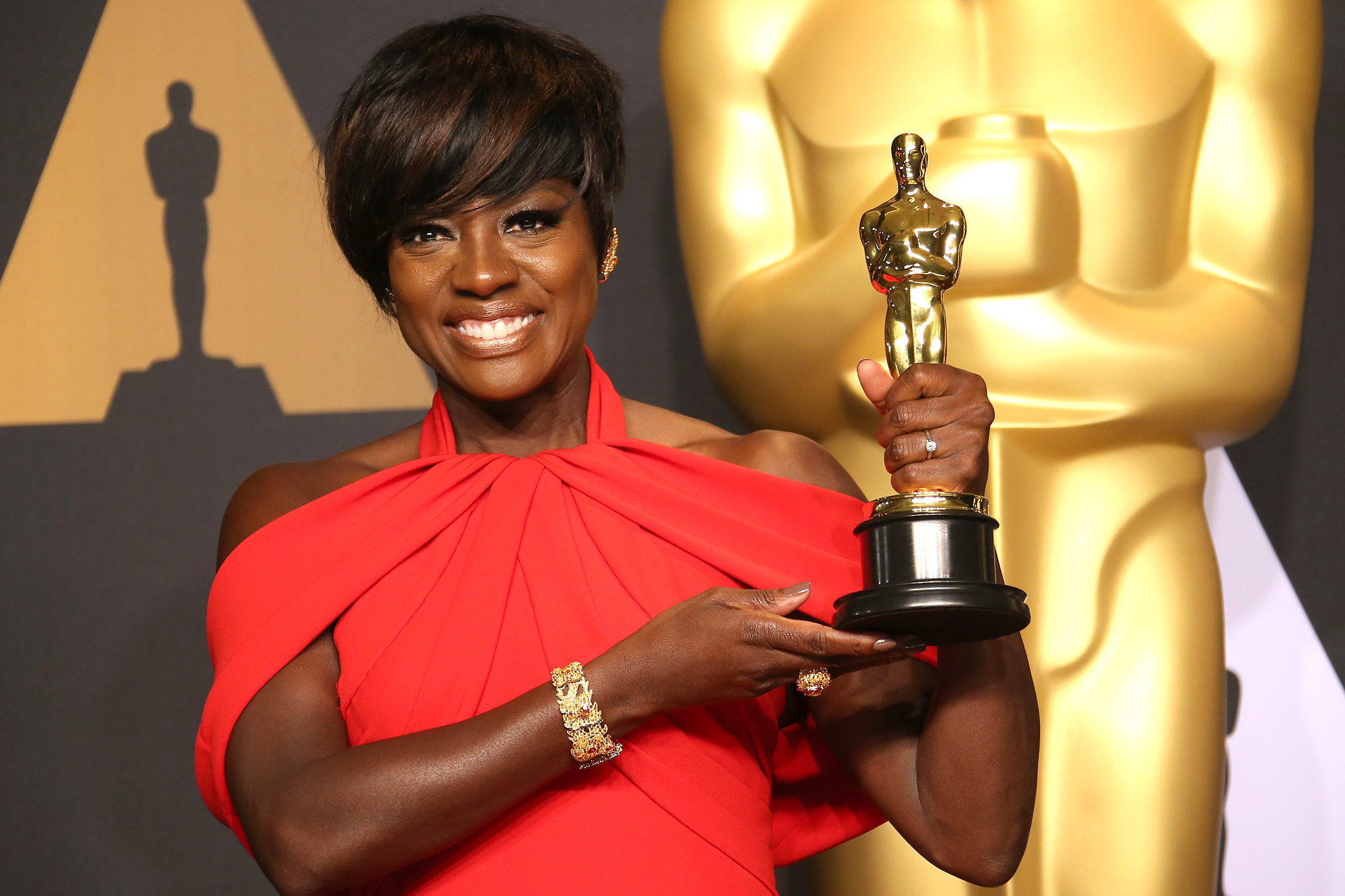
In the 1990s, Viola Davis established the technical and professional foundation that would later make her an EGOT winner. Her breakthrough years during this decade were defined by elite training at Juilliard, a Tony-nominated Broadway debut in August Wilson’s Seven Guitars, and her initial transition into film and television.
Long before she became a household name with The Help or How to Get Away with Murder, Viola Davis was a formidable force in the New York theater scene. For those looking to understand the "overnight success" of her later years, a look back at the 1990s reveals a decade of rigorous craft-building, critical acclaim in prestigious circles, and the navigation of a challenging industry landscape for Black actresses. By 2026, her 90s body of work is viewed by historians and acting students alike as a masterclass in professional patience and artistic integrity.
The Formative Years: Juilliard and the Transition to Professionalism
The early 1990s marked the end of Viola Davis’s formal education and the beginning of her professional life. After graduating from Rhode Island College, she attended the Juilliard School as a member of Drama Division's Group 22 (1989–1993). Juilliard’s rigorous curriculum focused on classical texts, voice, movement, and the "neutral mask," all of which contributed to the immense physical and vocal control Davis is known for today.
Graduating in 1993, Davis entered a professional world where the opportunities for Black women were often limited to stereotypical or secondary roles. However, her training had prepared her for the "prestige" track—theaters that valued high-level dramatic capability over commercial typecasting. The 1990s for Davis were not about chasing fame; they were about securing the respect of her peers and the industry’s most influential directors.
The Juilliard Impact
At Juilliard, Davis was part of a cohort that focused on the "internal" work of acting. This period was crucial because it allowed her to develop a methodology that she would later apply to even the smallest "underwritten" roles in film. Her ability to bring a sense of history and gravitas to a character with only five minutes of screen time—a skill that famously earned her an Oscar nomination for Doubt years later—was honed in these practice rooms between 1990 and 1993.
1996: The Pivotal Breakthrough in Seven Guitars
If one moment defines the 90s spotlight for Viola Davis, it is 1996. This was the year she made her Broadway debut in August Wilson’s Seven Guitars. Playing the role of Vera, a woman dealing with the return of a philandering boyfriend, Davis delivered a performance that the New York Times and other major outlets recognized as a turning point.
The Collaboration with August Wilson
August Wilson was the preeminent Black playwright of the 20th century, and his "Pittsburgh Cycle" provided the complex, three-dimensional roles that Black actors often lacked in Hollywood. For Davis, Seven Guitars was more than just a job; it was the start of a lifelong artistic relationship with Wilson’s work.
In Seven Guitars, Davis showcased her ability to portray vulnerability and strength simultaneously. Her performance was so powerful that she received her first Tony Award nomination for Best Featured Actress in a Play. Although she did not win that year, the nomination signaled to the industry that she was one of the most capable actors of her generation.
Broadway vs. The "Breakthrough" Narrative
It is important to distinguish between a "commercial breakthrough" and a "professional breakthrough." While the general public in 1996 might not have known her name, the Broadway community and casting directors certainly did. This role established her as a "director’s actor"—someone who could be trusted with the most difficult material in the American canon.
Transitioning to the Screen: 1996–1999
Following her success on Broadway, Davis began to make inroads into film and television. Her screen debut came in 1996 with a small role in The Substance of Fire, where she played a nurse. While the role was minor, it represented the start of a deliberate move toward the camera.
The Steven Soderbergh Connection
One of the most significant developments in the late 1990s was her work with director Steven Soderbergh. In 1998, she appeared in the stylish crime drama Out of Sight, starring George Clooney and Jennifer Lopez. Davis played Moselle Miller, the wife of a criminal.
Though her screen time was limited, Soderbergh was impressed by her presence. This relationship would continue into the 2000s with roles in Traffic (2000) and Solaris (2002). Her work in Out of Sight is a prime example of the "90s spotlight" focusing on her potential; she was an actor who could command the screen alongside established movie stars without being overshadowed.
90s Television Guest Appearances
Like many New York-based actors in the 90s, Davis frequented the procedural dramas that filmed in the city. Her credits from this era include:
- NYPD Blue: Appeared in 1996 as Laurie.
- New York Undercover: Appeared in 1996 as Mrs. Stapleton.
- Trinity: A recurring role as Mary Alice in 1998.
These roles provided financial stability and helped her learn the technical differences between stage projection and the intimacy of the lens.
Key Projects and Milestones (1992–1999)
The following table outlines the foundational projects that defined Viola Davis's career trajectory during her breakthrough decade.
| Year | Project Title | Format | Role | Significance |
|---|---|---|---|---|
| 1992 | The World Victorious | Stage | Various | Early professional stage work post-graduation. |
| 1996 | Seven Guitars | Broadway | Vera | Broadway debut; Tony Award Nomination. |
| 1996 | The Substance of Fire | Film | Nurse | Official feature film debut. |
| 1996 | NYPD Blue | TV | Laurie | First major television guest appearance. |
| 1998 | Out of Sight | Film | Moselle Miller | First collaboration with Steven Soderbergh. |
| 1998 | Pentecost | Stage | Amira | Continued dominance in Off-Broadway prestige theater. |
| 1999 | The Heart of It | TV Movie | Ruth | Early lead role in a made-for-TV production. |
The Industry Context: Being a Black Actress in the 90s
To fully appreciate Davis’s 90s breakthrough, one must understand the systemic barriers of the time. The 1990s were a period where "prestige" roles for Black women were exceedingly rare. While actresses like Angela Bassett and Alfre Woodard were carving out spaces, the industry frequently relegated Black talent to "best friend" or "authority figure" roles (nurses, judges, social workers).
Davis’s strategy during these years was one of excellence as resistance. By focusing on the theater, she was able to play characters with internal lives, histories, and complex desires. When she did take screen roles, she infused them with a level of detail that often exceeded the script. This "90s spotlight" was less about the red carpet and more about the rehearsal room, where she was refining the tools that would eventually change the landscape of 21st-century acting.
Lessons from the Breakthrough Years
As we look back from 2026, the 1990s serve as a reminder that "breakthroughs" are rarely instantaneous. For Viola Davis, the decade was about:
- Credentialing: Obtaining the best possible training (Juilliard) to ensure her talent could not be dismissed.
- Specialization: Becoming the definitive interpreter of specific, high-value work (August Wilson).
- Consistency: Treating a one-line television role with the same seriousness as a Broadway lead.
These years were the "slow burn" that fueled the "explosion" of her career in the mid-2000s and 2010s. Without the Tony nomination in 1996 or the Soderbergh connection in 1998, the path to her Oscar and Emmy wins would have been significantly more difficult.
Frequently Asked Questions
What was Viola Davis’s first major award nomination?
Viola Davis’s first major professional recognition was her 1996 Tony Award nomination for Best Featured Actress in a Play for her role as Vera in Seven Guitars. This was a critical milestone that established her as a top-tier dramatic actress in the New York theater scene.
Did Viola Davis win an Oscar in the 90s?
No, Viola Davis did not win an Oscar in the 1990s. Her first Academy Award nomination came in 2009 for her role in Doubt (2008), and she won her first Oscar in 2017 for Fences. Her 1990s work was primarily focused on theater and building a foundation in smaller film roles.
Which Juilliard class was Viola Davis in?
Viola Davis was a member of Group 22 at the Juilliard School’s Drama Division. She attended from 1989 to 1993. Her time there is often cited as the period where she developed her signature technical precision and emotional depth.
What was her first film role?
Her first credited film role was as a nurse in the 1996 drama The Substance of Fire. While it was a small part, it marked her transition from the stage to the screen during her breakthrough years.
How did August Wilson influence her early career?
August Wilson was instrumental to her early success. By providing complex, culturally resonant roles like Vera in Seven Guitars, Wilson gave Davis a platform to showcase her immense range. This partnership continued throughout her career, culminating in her Oscar-winning performance in the film adaptation of Wilson's Fences.
Professional Recommendation for Aspiring Actors
Based on the trajectory of Viola Davis's breakthrough years, the most practical path to longevity in the entertainment industry is to prioritize craft over visibility. Davis spent the entirety of the 1990s mastering her technical skills in environments that demanded excellence—Juilliard and Broadway.
For those studying her career in 2026, the takeaway is clear: focus on building a "theatrical foundation." High-level stage work provides the stamina and character-analysis skills required to sustain a decades-long career. Seek out the works of playwrights like August Wilson or contemporary equivalents to develop your "dramatic engine." By the time the larger industry notices you, you should already be a master of your craft.
For further research on her early stage work, the Playbill Vault provides a comprehensive record of her Broadway credits, while the Juilliard Alumni database offers context on her training environment.