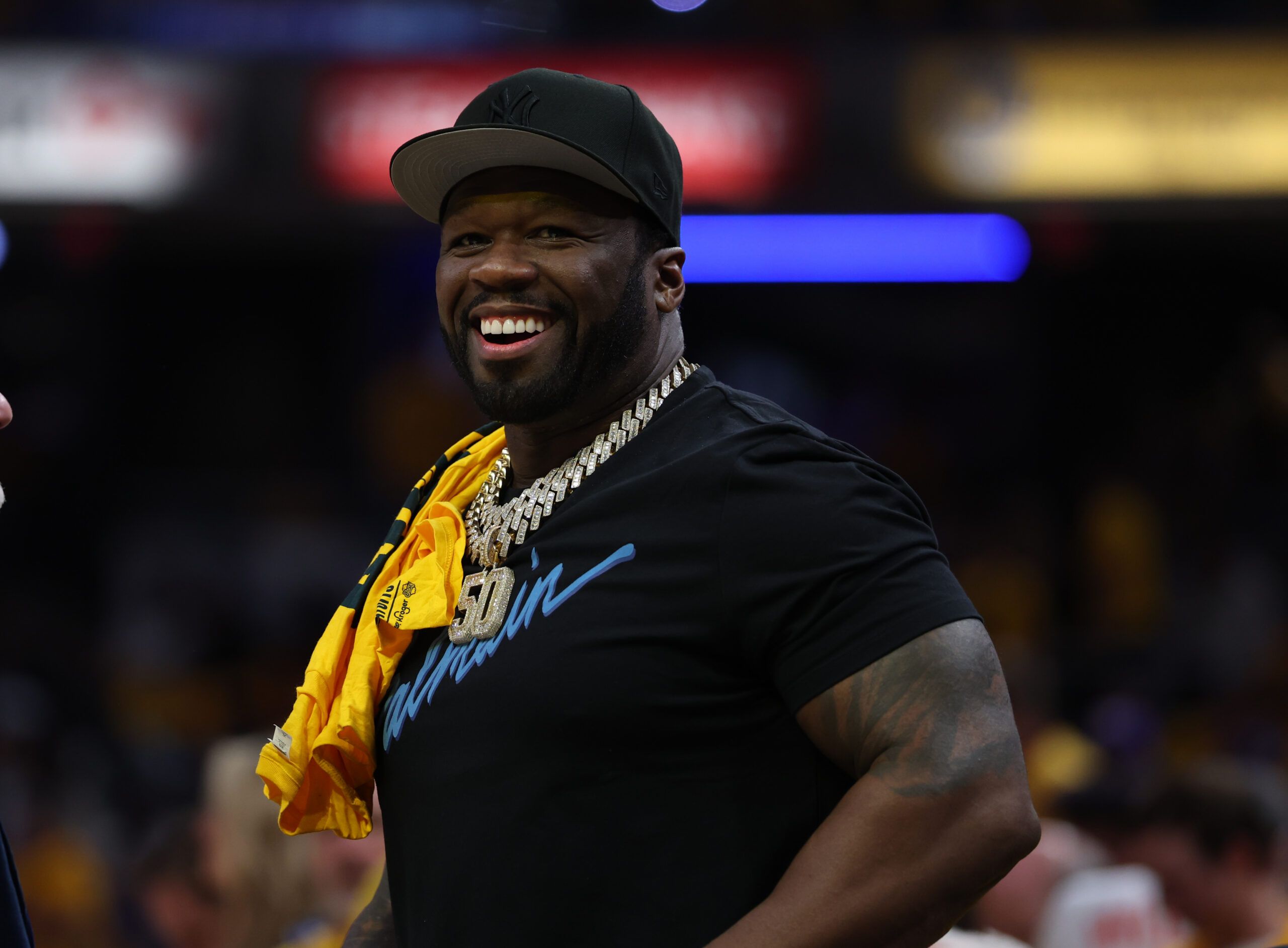
The 50 Cent empire, led by Curtis "50 Cent" Jackson, is a multifaceted conglomerate spanning television production, luxury spirits, music, and large-scale real estate development. By 2026, Jackson has transitioned from a hip-hop icon into a dominant corporate force, primarily through his G-Unit Film & Television brand and Sire Spirits, leveraging strategic ownership and aggressive brand integration.
Curtis Jackson’s transformation from a disruptive force in the music industry to a sophisticated corporate mogul offers a blueprint for modern celebrity entrepreneurship. While many artists focus on temporary endorsements, the "50 Cent" model is built on equity, vertical integration, and a relentless pursuit of intellectual property (IP) control. As of 2026, his business interests have matured into a stable ecosystem where each venture cross-promotes the others, creating a self-sustaining cycle of revenue and influence.
The following five insights provide a technical and strategic breakdown of how this empire functions, the risks it has navigated, and the pillars that support its continued growth in the current market.
1. The Pivot from Talent to Studio Ownership
The most significant shift in the 50 Cent empire over the last decade has been the move from being a "producer for hire" to a "studio owner." The cornerstone of this transition is G-Unit Film & Television, which initially gained fame through the Power universe on Starz. However, the strategy changed significantly as Jackson realized the limitations of traditional licensing deals.
By 2026, the G-Unit brand has expanded into a massive physical footprint. A key example of this is the establishment of G-Unit Studios in Shreveport, Louisiana. This move was not merely about prestige; it was a calculated financial decision based on:
- Tax Incentives: Louisiana offers some of the most aggressive film and television tax credits in the United States. By moving production to Shreveport, the empire significantly reduces its overhead costs for high-budget scripted series.
- Infrastructure Control: Owning or long-term leasing studio space allows Jackson to control the entire production pipeline, from soundstages to post-production suites. This vertical integration allows him to lease space to other production companies, turning a cost center into a profit center.
- Content Volume: The empire no longer relies on a single hit. With a non-exclusive deal with Fox and various partnerships with streaming giants, G-Unit Film & Television manages a diverse slate of scripted and unscripted content, including BMF (Black Mafia Family) and numerous true-crime documentaries.
This transition illustrates a core insight: the 50 Cent empire prioritizes ownership of the platform over the fame of the individual project. This ensures that even if a specific show is canceled, the studio infrastructure and the intellectual property remain valuable assets on the balance sheet.
2. The "Sire Spirits" Blueprint for Luxury Branding
While music and film provide the cultural capital, the spirits division—Sire Spirits LLC—provides high-margin liquid wealth. Jackson’s approach to the alcohol industry deviates from the standard celebrity endorsement model. Instead of simply being the "face" of a brand, he founded Sire Spirits to house his own labels: Le Chemin du Roi (Champagne) and Branson Cognac.
The success of these brands is rooted in three strategic pillars:
| Pillar | Strategy | Result |
|---|---|---|
| Distribution Control | Strategic partnerships with Southern Glazer’s Wine & Spirits. | Ensured national reach and placement in high-end venues and retail chains. |
| Sports Integration | Multi-year deals with NBA and NFL teams (e.g., Houston Rockets, Sacramento Kings). | Replaced traditional "pouring rights" with branded luxury lounges, increasing visibility. |
| Direct-to-Consumer | Utilizing a massive social media following to drive demand at the retail level. | Created a "pull" effect where fans demand the product from local liquor stores. |
The technical depth of the Sire Spirits venture lies in its supply chain management. Jackson didn't just put a label on a bottle; he secured long-term contracts with producers in the Cognac region of France and the Champagne district. In 2026, this ensures consistency in quality and supply, protecting the brand from the volatility that often plagues smaller celebrity startups. The brands are positioned at a "prestige" price point, focusing on high profit margins per unit rather than mass-market volume.
3. Financial Resiliency and the Art of the "Strategic Reset"
A critical insight into the 50 Cent empire is its ability to survive and thrive following financial distress. Many observers misinterpreted Jackson’s 2015 Chapter 11 bankruptcy filing as a sign of ruin. In reality, it was a sophisticated legal maneuver used to restructure debt and protect assets following a series of costly legal judgments.
Understanding the empire requires looking at how Jackson utilizes legal frameworks to preserve capital:
- Debt Restructuring: The Chapter 11 process allowed him to pay off creditors over a five-year plan, which he completed early in 2017. This preserved the underlying value of his businesses while discharging massive liabilities.
- Asset Protection: By compartmentalizing his business interests into various LLCs (G-Unit Records, G-Unit Brands, Sire Spirits), the empire limits "contagion" risk. If one venture faces a lawsuit, the assets of the others are generally shielded.
- The Vitaminwater Legacy: The 2007 sale of Glacéau (Vitaminwater) to Coca-Cola, which reportedly netted Jackson $100 million after taxes, remains the "war chest" that funds his current ventures. This initial liquidity event allowed him to enter the television and spirits markets as a principal investor rather than a seeker of venture capital.
By 2026, the empire is characterized by a "low-leverage" approach. Jackson frequently uses his own capital or reinvested profits to fund new ventures, reducing the influence of external banks or private equity firms.
4. Music as a Perpetual Marketing Engine
In the 50 Cent empire, music is no longer the primary revenue driver, but it remains the most powerful marketing tool in the arsenal. While Jackson hasn't released a traditional studio album in years, his catalog remains a "top-tier" asset that generates millions annually through streaming and licensing.
The empire treats the music catalog as passive infrastructure. The 2023 "Final Lap Tour," which celebrated the 20th anniversary of Get Rich or Die Tryin', demonstrated how live performances serve several corporate functions:
- Global Brand Refresh: Touring across 35+ countries keeps the "50 Cent" brand relevant to a global audience, directly benefiting the international expansion of Sire Spirits.
- Data Collection: Large-scale tours provide invaluable data on fan demographics, which informs where the empire should invest in real estate or spirits distribution.
- Sync Licensing: Jackson’s music is frequently used in his own television productions, creating a "closed-loop" economy where his production company pays his music company for the rights to use his songs.
This insight reveals that the empire does not view music as an "old" business, but as the top of the funnel for a much larger ecosystem. The music creates the celebrity, the celebrity creates the demand for products, and the products generate the wealth to build the studios.
5. Strategic Philanthropy and Community Economic Impact
A less discussed but vital part of the 50 Cent empire is the integration of the G-Unity Foundation with his commercial real estate and production interests. In 2026, the empire’s move into cities like Shreveport and Houston isn't just about building sets; it’s about becoming a civic partner.
The G-Unity Foundation focuses on "urban entrepreneurship" and academic programs. This serves a dual purpose:
- Local Government Relations: By investing in local education and job training (specifically in film production), Jackson builds the political capital necessary to secure the aforementioned tax breaks and zoning approvals for his studios.
- Workforce Development: G-Unit Studios requires a skilled workforce. By funding programs that train local residents in lighting, sound, and digital editing, the empire creates its own talent pool, reducing the need to fly in expensive crews from Los Angeles or New York.
This demonstrates a "Social Capital" insight: the empire is most successful when it aligns its profit motives with the economic development of the regions where it operates. This makes the business "sticky"—it becomes much harder for a city to rescind support for a mogul who is also a major employer and community benefactor.
Comparing the Pillars of the Jackson Portfolio
To understand the scale of the empire, it is helpful to look at how the different divisions compare in terms of their primary business function.
| Division | Primary Asset | Revenue Model | 2026 Strategic Focus |
|---|---|---|---|
| G-Unit Film & TV | IP & Soundstages | Licensing fees, production services, and tax credits. | Expanding the Shreveport studio hub. |
| Sire Spirits | Brand Equity & Formulas | Wholesale distribution and luxury retail. | Global expansion into Asian and European markets. |
| G-Unit Records | Master Recordings | Streaming royalties and sync licensing. | Maximizing the "Legacy" value of the catalog. |
| Real Estate/Tech | Physical & Digital Land | Leasing and venture capital investments. | Integrating AI into production workflows. |
Frequently Asked Questions
What is the estimated net worth of the 50 Cent empire in 2026?
While private holdings make exact figures difficult to verify, analysts suggest the total valuation of his combined interests—including his 100% ownership of Sire Spirits and the G-Unit Film & TV assets—places his net worth well into the mid-to-high hundreds of millions. His wealth is significantly more diversified than it was during the "Vitaminwater era," moving from a single large payout to a portfolio of cash-flowing businesses.
Did 50 Cent actually own Vitaminwater?
No, he did not own the company (Glacéau). He held a minority equity stake (approximately 10%) in exchange for his endorsement and the creation of the "Formula 50" flavor. When Coca-Cola purchased Glacéau for $4.1 billion in 2007, his stake resulted in a payout of roughly $100 million before taxes. This remains one of the most successful equity-for-endorsement deals in history.
Why did he move G-Unit Studios to Shreveport?
The move was driven by a 20-year lease agreement for the Millennium Millennium Studio city property. The deal allowed Jackson to revitalize a dormant facility and transform it into a major production hub. The combination of extremely low operating costs, significant state-level film tax incentives, and the opportunity to "own" a market away from the saturated environments of Atlanta or Los Angeles were the primary drivers.
How does 50 Cent manage so many different businesses?
Jackson utilizes a "delegated authority" model, hiring seasoned executives from the spirits and film industries to run daily operations while he focuses on high-level strategy, branding, and deal-making. He is known for being extremely "hands-on" with marketing and social media promotion, which he views as the primary engine for all his brands.
Is G-Unit Records still active?
G-Unit Records remains active as a label for Jackson’s catalog and specific legacy projects. However, it no longer operates as a traditional high-volume label seeking new talent. Instead, it functions as a holding company for music intellectual property, ensuring that royalties are collected and licensing deals are optimized for television and film.
Practical Recommendation for Observers and Entrepreneurs
For those looking to emulate or study the 50 Cent empire, the primary takeaway is the importance of the "Equity-First" mindset. Instead of seeking immediate cash payments for services (the "work for hire" model), the goal should be to secure ownership stakes in the platforms and products being promoted.
Next Steps:
- Analyze Your "Sync" Potential: If you have multiple business interests, look for ways they can support each other (e.g., using your own software in your service business).
- Focus on IP Control: Prioritize deals that allow you to retain the rights to your creations, whether they are books, music, or business processes.
- Leverage Local Incentives: Like the Shreveport studio deal, look for geographical locations that offer tax breaks or grants for the specific type of industry you are building.