Finding life insurance at age 68 requires balancing immediate financial obligations, such as covering final expenses or replacing lost retirement income, against rapidly rising premium costs. For a 68-year-old senior, the best options typically include Term Life Insurance, Whole Life Insurance, Universal Life Insurance, Final Expense (Burial) Insurance, and Guaranteed Issue Life Insurance. Each option varies significantly by underwriting requirements, cost structure, and cash value potential.
Navigating the life insurance market in your late sixties requires a clear understanding of how insurance carriers assess health, lifestyle, and financial needs. Because mortality risk increases with age, insurance options shift away from accumulation-heavy products toward practical financial protection tools. Evaluating these alternatives ensures that seniors can secure coverage that fits their budget while protecting their beneficiaries from unexpected debts or end-of-life expenses.
Understanding the Landscape of Senior Life Insurance
Shopping for life insurance at age 68 means stepping into a market where underwriting is strict and premiums reflect a higher statistical probability of claim payout. However, entering this stage of life also brings distinct financial clarity. Mortgages may be paid off, children are likely financially independent, and retirement savings are established. Consequently, life insurance at 68 is rarely bought to replace a multi-decade income stream; instead, it is acquired for specific, targeted purposes.
Common reasons 68-year-olds purchase policies include covering final medical bills, paying off remaining consumer debt, funding estate taxes, leaving an inheritance, or providing financial security for a surviving spouse who depends on a pension or Social Security survivor gap. Understanding your exact purpose dictates which policy type makes the most financial sense. Purchasing a policy without defining its purpose often leads to over-insuring or selecting a product with unsustainable long-term costs.
Furthermore, health changes become a primary variable at age 68. Conditions like high blood pressure, elevated cholesterol, managed diabetes, or minor joint replacements are common and often insurable, though they affect rate classifications. More severe medical histories—such as recent heart attacks, strokes, or active cancer treatments—limit standard options and steer buyers toward specialized products.
Option 1: Term Life Insurance (Renewable and Convertible)
Term life insurance provides coverage for a specific period, such as 10, 15, or 20 years. For a 68-year-old, a 10-year term policy is typically the maximum duration available from most major carriers, as many companies cut off new term policy issuance around age 70 or 75.
How Term Life Works for Seniors
A term policy offers a pure death benefit without any cash value accumulation. Because it is temporary, it provides the highest amount of coverage for the lowest initial cost compared to permanent options. If you buy a 10-year term policy at age 68, you are covered until age 78, provided you continue paying the premiums.
Pros and Cons
- Pros: Significantly lower initial premiums than permanent insurance; ideal for covering a specific debt with a fixed end date, such as a remaining mortgage balance or a business loan.
- Cons: Premiums increase substantially upon renewal after the term expires; policy expires entirely if you outlive the term; generally requires medical underwriting.
Strategic Use Case
Term life insurance is best for a 68-year-old who has temporary financial liabilities that will expire within the next decade. Many term policies also feature a conversion rider, allowing the policyholder to convert the term policy into a permanent whole life policy later in life without undergoing a new medical exam.
Option 2: Whole Life Insurance
Whole life insurance is a permanent policy that remains in effect for your entire life, provided premiums are paid. It features level premiums that never increase and builds cash value over time at a guaranteed rate.
Mechanics of Whole Life at Age 68
Because whole life guarantees a payout and builds cash value, it carries much higher premiums than term insurance. At age 68, the cost per thousand dollars of coverage is elevated because the insurance company has a compressed timeline to collect premiums before paying out the death benefit. However, the stability of a fixed monthly payment provides immense budgetary predictability.
Pros and Cons
- Pros: Lifetime coverage that cannot expire; premiums remain level for life; cash value grows tax-deferred and can be borrowed against via policy loans.
- Cons: Significantly higher cost than term insurance; less flexibility if financial circumstances change; lower return on cash value compared to other investment vehicles.
Strategic Use Case
Whole life insurance suits a 68-year-old looking for permanent estate planning tools, funds to cover estate taxes, or a guaranteed legacy for children or grandchildren. It is also utilized by seniors who want the absolute certainty that their policy will never cancel as long as premiums are maintained.
Option 3: Universal Life Insurance
Universal life (UL) is another form of permanent insurance, but it offers greater flexibility than traditional whole life. It separates the insurance protection element from the cash value account, allowing policyholders to adjust their premium payments and death benefits within certain contractual limits.
Structure and Flexibility
With a universal life policy, the cash value earns interest based on current market rates, often subject to a guaranteed minimum floor. If the cash value grows sufficiently, a senior can sometimes use those accumulated funds to pay or offset monthly premiums. Conversely, if market performance lags or withdrawals are made, higher premiums may be required to keep the policy active.
Pros and Cons
- Pros: Flexible premium payments and adjustable death benefits; potential for higher cash value growth tied to interest rates; permanent protection.
- Cons: Requires active monitoring to ensure the cash value does not drop too low; policies can lapse if underfunded over time; complexity makes it harder to predict long-term outcomes without regular policy illustrations.
Strategic Use Case
Universal life works well for 68-year-olds who want permanent coverage and the ability to adjust premium payments based on shifting retirement cash flows, provided they are willing to monitor the policy's performance annually.
Option 4: Final Expense (Burial) Insurance
Final expense insurance is a specialized, smaller-face-value form of whole life insurance. Policies typically range from $5,000 to $25,000 and are specifically designed to pay for funeral services, burial costs, and remaining medical bills.
Accessibility and Underwriting
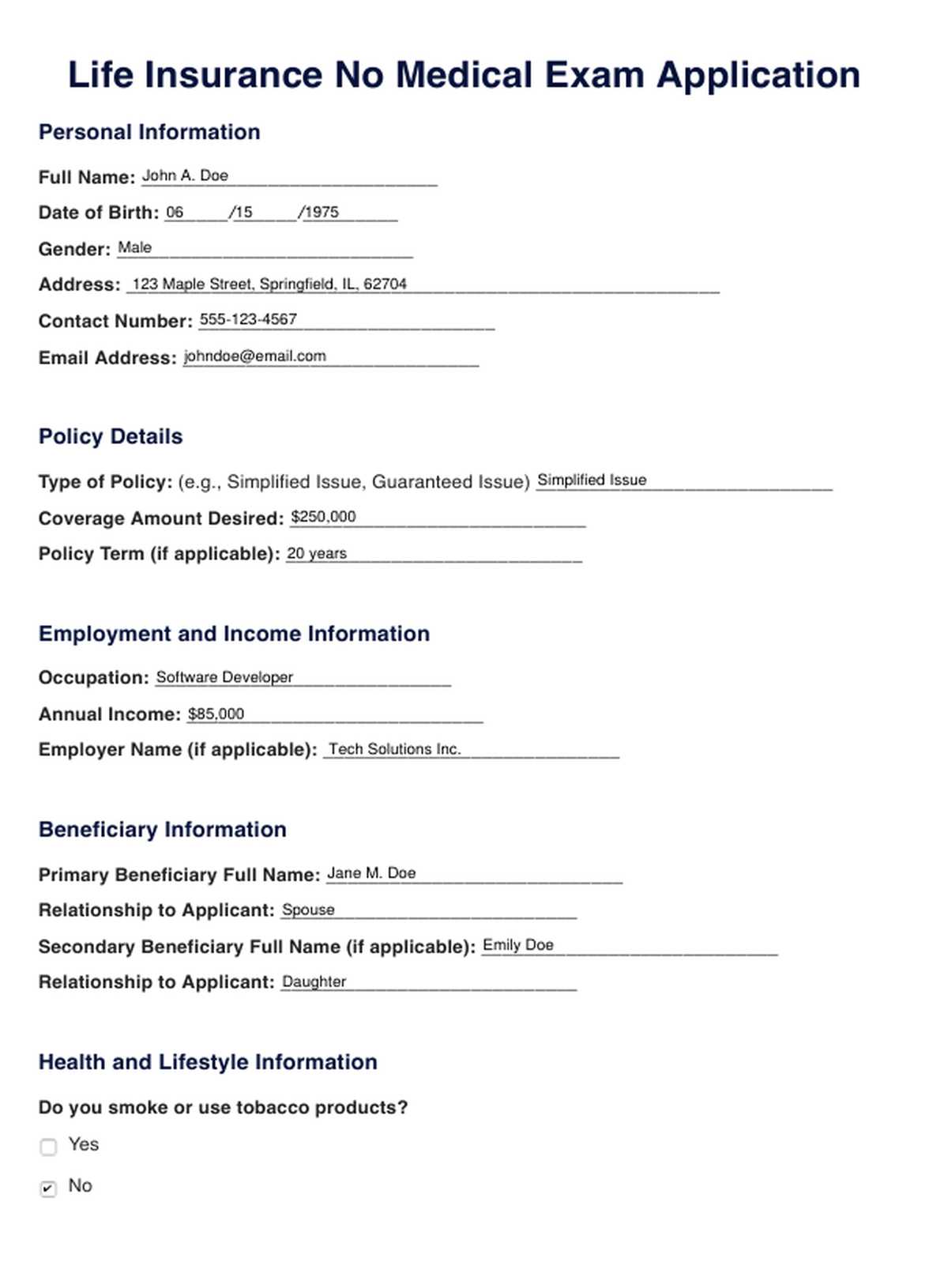
Final expense policies are heavily marketed toward seniors because they feature simplified underwriting. Applicants usually do not need to take a medical exam; instead, they answer a brief series of health-related questions on the application. Approval is often granted within days.
Pros and Cons
- Pros: No medical exam required; simplified underwriting makes qualification easier for those with minor health issues; fixed premiums and permanent coverage; face amounts match actual end-of-life costs.
- Cons: Lower coverage amounts (rarely exceeds $25,000); higher cost per thousand dollars of coverage compared to large whole-life or term policies.
Strategic Use Case
Final expense insurance is ideal for a 68-year-old senior with mild to moderate health conditions who does not need a massive death benefit, but wants to ensure their family is not burdened with funeral and burial expenses.
Option 5: Guaranteed Issue Life Insurance
Guaranteed issue life insurance is a subset of final expense insurance where acceptance is 100% guaranteed for applicants within a specific age bracket, typically ages 50 to 80. No medical exam and no health questions are required.
The Trade-Off for Guaranteed Acceptance
Because the insurer takes on the risk of insuring individuals with serious health problems, guaranteed issue policies come with specific stipulations. They feature higher premium rates and a graded death benefit. If the insured dies of natural causes within the first two or three years of the policy, the beneficiary receives a refund of all premiums paid plus interest, rather than the full face benefit. Full benefits are paid out if death occurs after the waiting period or due to an accidental death from day one.
Pros and Cons
- Pros: Guaranteed approval regardless of medical history; no health questions or exams; provides a safety net for individuals denied standard coverage.
- Cons: Highest cost per dollar of coverage; graded death benefit period (usually 2 years) for natural causes; lower maximum coverage limits (typically capped at $25,000 or $30,000).
Strategic Use Case
Guaranteed issue is the ultimate fallback option for a 68-year-old senior with severe, chronic health conditions who has been rejected by all other standard and simplified underwriting carriers.
Comparison of Life Insurance Options for 68-Year-Olds
| Policy Type | Coverage Duration | Medical Exam Required? | Cash Value Potential | Primary Purpose |
|---|---|---|---|---|
| Term Life | 10 to 20 Years | Usually Yes | None | Temporary debt, mortgage, income replacement |
| Whole Life | Lifetime | Yes | Guaranteed | Permanent legacy, estate planning, fixed payments |
| Universal Life | Lifetime | Yes | Variable (Market-linked) | Flexible permanent coverage and adjustable premiums |
| Final Expense | Lifetime | No (Health Questions) | Modest | Funeral, burial, and final medical bills |
| Guaranteed Issue | Lifetime | No (None at all) | Minimal | Uninsurable seniors needing end-of-life funds |
Factors That Influence Life Insurance Costs at Age 68
When underwriting a 68-year-old applicant, insurance carriers examine several critical factors to determine the policy's premium. Understanding these factors helps anticipate quotes and structure applications effectively.
Age and Gender
Age is locked at the nearest or actual birthday, meaning a 68-year-old will see higher rates than a 67-year-old. Additionally, women generally pay lower life insurance premiums than men across all policy types due to statistical life expectancy advantages.
Health Status and Medical History
Underwriters review prescription history, blood tests, and medical records. Managing chronic conditions like hypertension or diabetes well with medication and routine doctor visits can qualify a senior for standard or even preferred-standard rates. Unmanaged conditions push applicants into substandard (table-rated) categories, increasing costs.
Tobacco and Nicotine Use
Smoking or using any tobacco products (including cigars, pipes, e-cigarettes, and nicotine replacement therapies) doubles or triples life insurance rates. Quitting tobacco for typically 12 to 36 months can allow a senior to reapply for non-tobacco rates.
Coverage Amount and Policy Type
The larger the death benefit, the higher the monthly premium. Furthermore, permanent policies cost more than term policies for the same face value because permanent policies guarantee a payout and build cash value.
Steps to Secure the Right Policy at Age 68
- Assess Your Financial Needs: Calculate exact financial liabilities, including unpaid debts, funeral costs, and dependent support requirements. Avoid purchasing more insurance than necessary.
- Review Your Health Profile: Gather a list of current medications and recent medical diagnoses. Knowing your health profile helps independent brokers match you with the most lenient insurance carrier.
- Shop Multiple Carriers: Insurance rates vary widely between companies for the same age and health profile. Working with an independent broker who can compare quotes across dozens of top-rated carriers ensures the best pricing.
- Prepare for Underwriting: Be honest on all applications. Insurance companies cross-reference medical databases, prescription histories, and motor vehicle reports. Discrepancies lead to automatic denials or delayed claims processing.
- Review the Policy Carefully: Once approved, verify the policy terms, premium schedule, and beneficiary designations to ensure alignment with your financial objectives.
Frequently Asked Questions
Can a 68-year-old qualify for a standard term life insurance policy?
Yes. Many major insurance carriers offer 10-year term life insurance policies to applicants up to age 70 or 75. However, qualification depends heavily on maintaining good health, and rates will be significantly higher than those offered to younger applicants.
Is a medical exam mandatory to get life insurance at age 68?
Not always. While traditional term, whole life, and universal life policies generally require a paramedical exam (blood and urine sample), seniors can access simplified issue and guaranteed issue policies that require no medical exam whatsoever.
What happens if I miss a life insurance premium payment?
Most policies feature a 30-to-31-day grace period during which coverage remains active even if a payment is late. For permanent policies with accumulated cash value, the insurer may automatically draw from the cash value to pay the premium if standard payments cease. If a term policy lapses past the grace period, it terminates permanently.
Are life insurance death benefits taxable for beneficiaries?
Generally, life insurance death benefits paid out to a named beneficiary are income-tax-free under Internal Revenue Service guidelines. However, if the policy is owned by an estate or structured improperly within complex trust vehicles, estate taxes or income taxes may apply. Consulting a tax professional clarifies specific estate situations.
How do final expense and guaranteed issue policies differ?
Final expense policies require answering a few health questions on the application, whereas guaranteed issue policies require no health questions and accept all applicants within the eligible age range. Consequently, guaranteed issue policies feature higher premiums and a multi-year graded death benefit waiting period for natural causes.
Conclusion and Recommended Next Actions
Securing life insurance at age 68 is entirely feasible when matching your specific financial goals with the correct policy type. Whether you need a temporary term policy to cover a remaining liability, a whole life policy for permanent estate planning, or a no-exam final expense policy to cover burial costs, clarity of purpose is your best guide. To begin, catalog your debts and end-of-life expenses, request quotes from multiple reputable insurers through an independent broker, and select the policy that provides the most stable protection within your retirement budget.