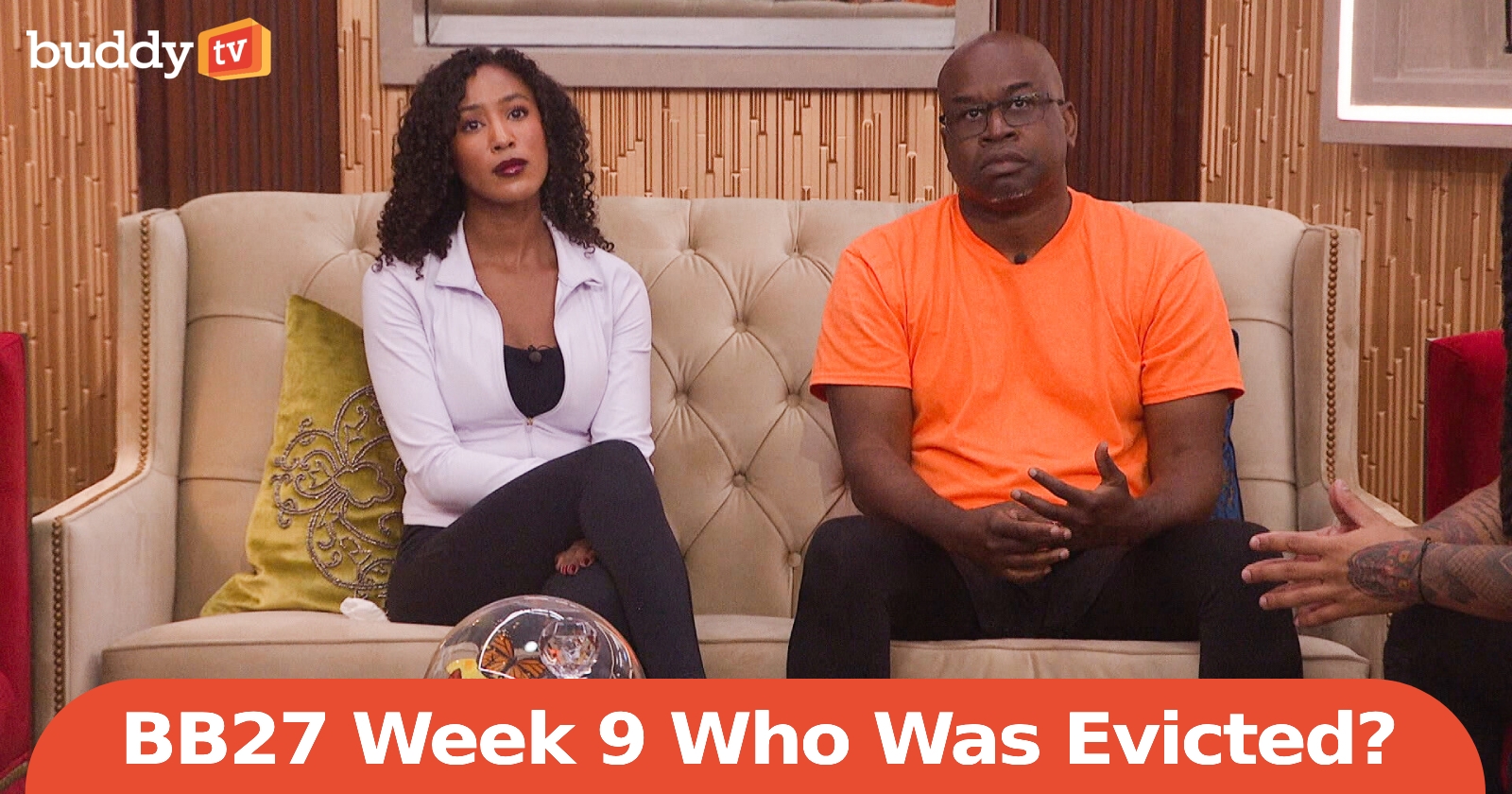
As the summer heats up inside the Big Brother house, eviction night brings palpable tension, shifting alliances, and frantic last-minute scramble talks. Fans looking for the latest breakdown will find that the three houseguests most vulnerable to walking out the front door tonight share a common thread: broken promises, failed social isolation strategies, and a sudden collapse of power dynamics on the live feeds.
Understanding the Big Brother 27 Eviction Landscape
Big Brother is a social experiment disguised as a game show, where ninety-plus cameras track every whispered conversation, alliance meeting, and sideways glance. To understand why a specific contestant is in danger of going home on eviction night, viewers must look beyond the edited television episodes broadcasted on CBS or streamed on Paramount+. The true narrative of who is going home is written days in advance on the live feeds, where houseguests negotiate safety, pitch alternative targets, and expose hidden agendas.
When a week reaches its climax on eviction night, the target is rarely chosen overnight. It is the result of a multi-day chess match that begins the moment the Head of Household (HOH) competition concludes. The HOH holds the power of nomination, but the Power of Veto (POV) competition can instantly obliterate their master plan.
As voting blocks form, crumble, and reform, certain players consistently emerge as the consensus choices for eviction. These players usually fit into specific strategic archetypes: the overplaying gamer, the isolated physical threat, or the collateral damage of a larger house house-vote consensus.
Criteria for Eviction Vulnerability
Predicting who will go home on eviction night requires evaluating several critical variables. Houseguests do not vote in a vacuum; they vote based on perceived threats, jury management, and personal survival.
The primary factors that place a contestant on the chopping block include:
- Lack of Core Numerical Protection: Being on the block is dangerous, but being on the block without a solid multi-person voting bloc guarantees an uphill battle.
- Overplaying and Erratic Behavior: Houseguests who panic, whisper in corners, or change stories multiple times a day quickly lose the trust of the majority alliance.
- Failure to Adapt to Last-Minute Flips: When a house shifts its target hours before the live eviction, contestants who fail to read the room or refuse to campaign actively find themselves blindsided.
- Jury and Social Threat Level: Strong competitors who are well-liked by potential future jury members often find themselves targeted early by clever social players looking to clear a path to the final two.
The 3 Vulnerable Contestants on the Chopping Block
Based on live feed developments, house dynamics, and strategic miscalculations leading into tonight's live show, three contestants stand out as the most likely to face eviction.
1. The Overextended Strategic Player
The first contestant most at danger tonight is the player who simply tried to play too much, too fast. In the high-stakes environment of Big Brother, building a resume early in the season often paints a massive target on a contestant's back.
This type of player typically secures an HOH early or wins back-to-back vetos, convincing themselves they are masterminds controlling every vote. However, their tendency to make side deals with every single person in the house eventually catches up with them.
- Why They Are Vulnerable: When the other players compare notes in the storage room or bathroom, they realize this contestant has given conflicting information to nearly everyone.
- The House Sentiment: The majority alliance views them as untrustworthy and slippery. Even if they are physically safe during the veto ceremony, their inability to lower their profile makes them the ultimate consensus target when a backdoor plan is executed.
- Tonight's Outlook: Unless they pull off a miraculous last-minute plea or expose a massive lie involving another player, the votes are heavily consolidated against them.
2. The Isolated Physical Threat
The second contestant facing intense pressure tonight is the classic physical competitor who failed to build a deep, protective social cushion. Big Brother history is littered with alpha competitors who believed that winning athletic challenges would naturally buy them safety.
Unfortunately, physical strength is a double-edged sword. While it keeps a player safe during endurance or agility competitions, it makes them public enemy number one the moment they lose power.
- Why They Are Vulnerable: They lack the subtle social maneuvering required to survive a week where they do not hold immunity. Their relationships are often transactional rather than emotional, meaning allies are quick to cut them loose when a more convenient target presents themselves.
- The House Sentiment: The strategic players in the house view this contestant as a ticking time bomb who could easily go on an HOH or veto win streak deep into the game. Eliminating them now prevents them from taking control later in the season.
- Tonight's Outlook: Their campaign usually relies on offering physical protection to smaller players or appealing to the HOH's desire to take out "big targets." However, if the house has locked in a consensus vote to weaken a specific alliance, this contestant's physical prowess will not save them.
3. The Unwitting Pawn and Collateral Damage
The third contestant on eviction night is often the most tragic: the player caught in the crossfire of a much larger house war. These contestants are frequently nominated not because they are hated, but because they are viewed as safe, non-threatening options who will not trigger massive retaliation from angry allies.
Pawns are told by the HOH that they are completely safe and that the real target is sitting right next to them on the block. However, live feed watchers know that the house dynamic can shift dramatically in the final hours before the live broadcast.
- Why They Are Vulnerable: Complacency is the silent killer in the Big Brother house. Believing they are safe, these contestants often stop campaigning, refuse to talk to key swing voters, or alienate potential allies through passive-aggressive behavior.
- The House Sentiment: If a major alliance decides at the last minute to keep the primary target as a shield for their own games, they will pivot their votes onto the pawn. This is often referred to as a "addition by subtraction" move or a blindside eviction.
- Tonight's Outlook: To survive tonight, this contestant must abandon all assumptions of safety. They need to spend every waking minute before the live feeds cut checking the temperature of the house and securing hard verbal commitments from swing votes.
Comparative Analysis of Eviction Vulnerability
The following table breaks down the strategic profiles, primary risks, and survival requirements for the three contestants most at risk on eviction night:
| Contestant Archetype | Primary Risk Factor | Main House Perception | Survival Requirement |
|---|---|---|---|
| The Overextended Gamer | Excessive double-dealing and broken promises | Untrustworthy, manipulative, and dangerous to keep around | Expose a bigger immediate threat or spark a massive house argument |
| The Isolated Physical Threat | Lack of deep social bonds; viewed as a competition beast | A looming threat who must be cut before the jury phase | Win safety or convince the house of a mutual larger enemy |
| The Unwitting Pawn | Complacency and failure to actively campaign | Collateral damage; an easy, quiet vote with minimal fallout | Secure explicit promises from swing voters and avoid over-resting |
Frequently Asked Questions
Who actually decides who goes home on eviction night?
The final decision rests with the non-nominated houseguests who cast live votes during the broadcast. In the event of a tie, the reigning Head of Household casts the tie-breaking vote to evict one of the nominees.
What is a "backdoor" plan in Big Brother?
A backdoor plan occurs when the Head of Household nominates two non-threatening players, keeping the actual target safe from playing in the Power of Veto competition. If the veto is used to pull down one of the initial nominees, the HOH can nominate their true target, leaving them with zero opportunity to save themselves via the veto.
Why do live feed watchers often disagree with the edited TV episodes?
The edited CBS episodes condense an entire week of complex human interaction, strategic plotting, and hours of live feed footage into a fast-paced 42-minute show. Live feed subscribers see unfiltered, unedited conversations that provide crucial context on why houseguests change their votes at the last minute.
Can a evicted houseguest return to the game later?
Depending on the specific season's format, production occasionally introduces Battle Back competitions, redemption islands, or secret-room twists that give evicted players a second chance to re-enter the house. However, these twists are never guaranteed and should never be relied upon by a contestant facing the live vote.
Final Recommendation and Next Steps
For viewers watching tonight's live eviction, the key to predicting the final vote is tracking the last-minute body language and hushed conversations in the kitchen and backyard immediately before the live feeds go dark for the show setup. Watch the swing votes closely; if a player who was seemingly safe all week suddenly starts pacing or isolating themselves, expect a blindside.