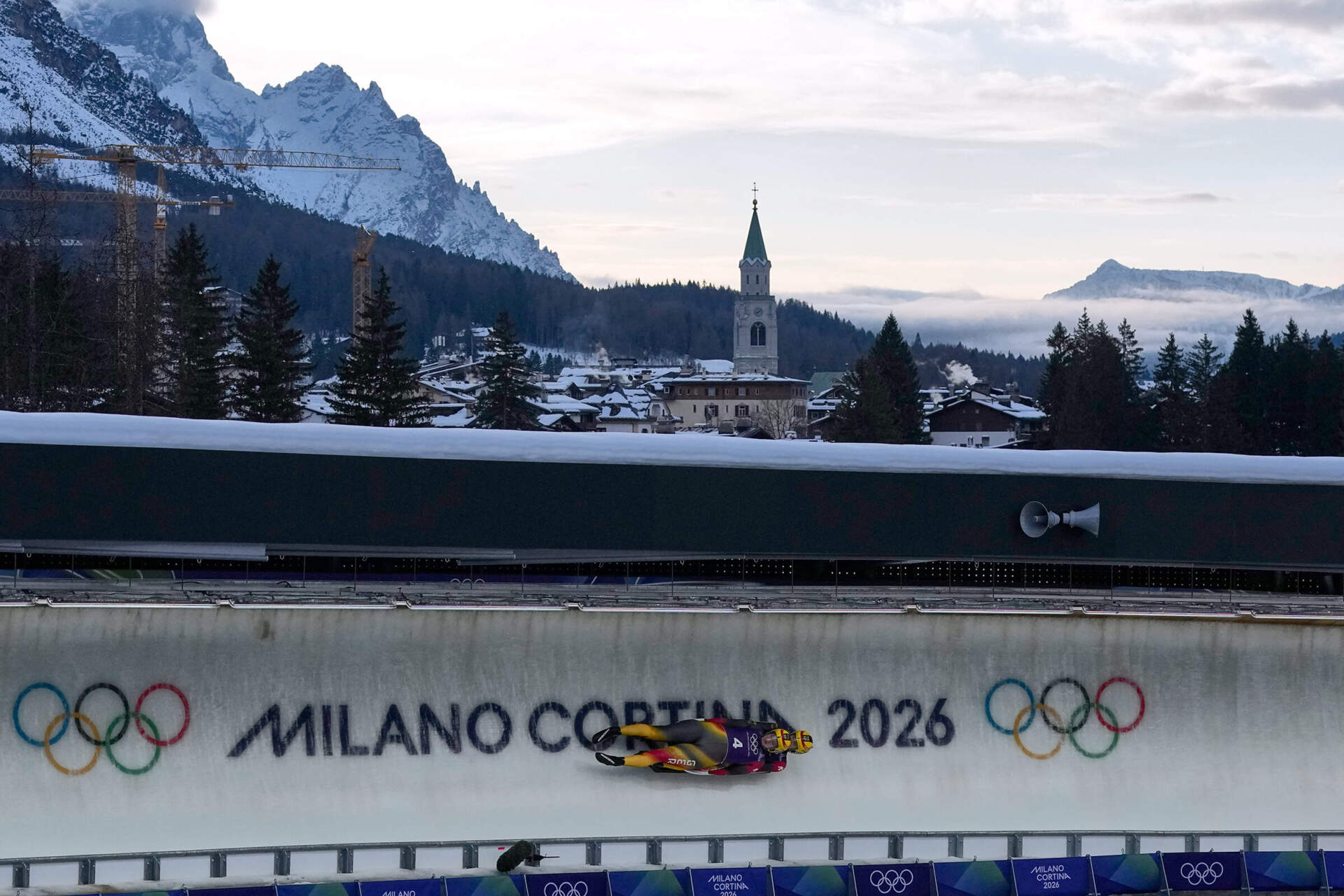
The 2026 Winter Olympics, officially known as the XXV Olympic Winter Games, are hosted in Milan and Cortina d’Ampezzo, Italy. The event officially runs from February 6 to February 22, 2026, featuring a broad spectrum of ice and snow sports spread across iconic venues in Lombardy and the Veneto region.
Understanding the timeline of the 2026 Cortina Winter Olympics is essential for spectators, athletes, and stakeholders tracking the culmination of years of venue preparation, qualification cycles, and the final event schedule. As the Games move through their operational phase in February 2026, the timeline transitions from months of infrastructure completion to the daily delivery of competitive events.
Understanding the Olympic Geography and Scheduling
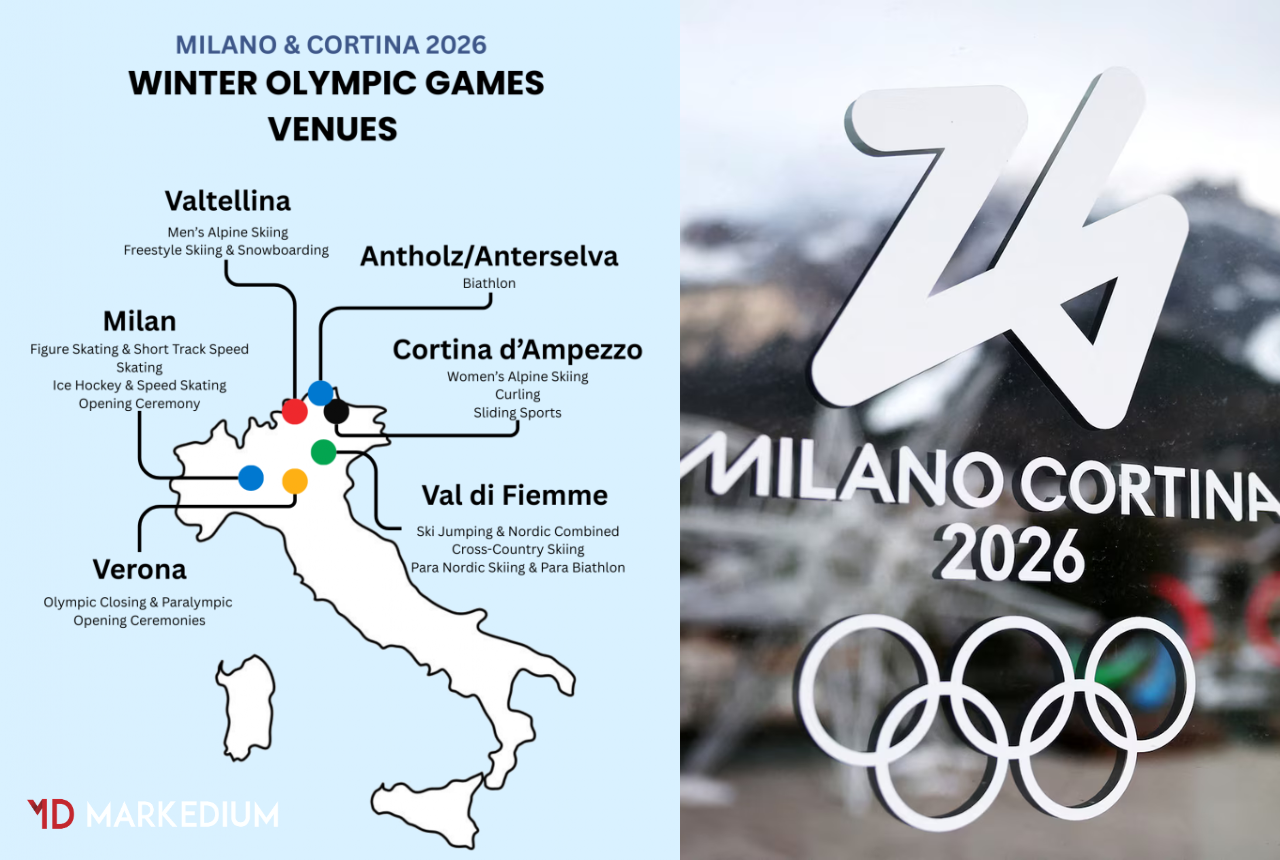
The 2026 Games are unique due to their geographical dispersion. Unlike events centered in a single Olympic village, these Games utilize a multi-cluster strategy. The primary clusters are divided between Milan (ice sports), Cortina d’Ampezzo (alpine skiing and sliding sports), Val di Fiemme (Nordic skiing), and Antholz-Anterselva (biathlon).
The schedule is dictated by the International Olympic Committee (IOC) in coordination with local organizers. Because of the vast distances between the mountainous venues of the Dolomites and the urban core of Milan, the logistics timeline accounts for significant travel periods for athletes and media. Understanding this timeline is the first step in navigating the 17-day competitive window.
Pre-Games Timeline: Verification of Infrastructure
The years leading up to 2026 were defined by a rigorous construction and renovation schedule. The primary focus for the Cortina cluster was the modernization of existing, historic facilities. Unlike some host cities that build from the ground up, the Cortina organizers prioritized sustainability by refurbishing the Eugenio Monti sliding track and upgrading existing alpine skiing infrastructure.
Critical Infrastructure Deadlines
- 2023–2024: Completion of venue assessments and initial safety testing of snow-making capabilities.
- Mid-2025: Final certification of competition venues by international sports federations.
- January 2026: Final operational readiness audits and facility handovers from construction teams to the Organizing Committee.
These milestones were non-negotiable prerequisites for the Games to proceed. Any delay in these areas could have triggered a change in event location or a reduction in spectator capacity. By January 2026, all venues were verified as fully operational for the upcoming winter season.
The Official 17-Day Event Schedule
The event timeline follows a standardized structure of ceremonies, preliminary heats, and medal rounds. The schedule is meticulously managed to ensure that high-profile events do not conflict, allowing global audiences to follow the action in real-time.
Phase 1: Opening and Initial Heats (February 6–9)
The timeline begins with the Opening Ceremony on February 6, 2026, in Milan. Following the ceremony, the first few days are heavily weighted toward preliminary rounds in curling, ice hockey, and the early stages of figure skating. This period serves as the "filter" for the final brackets in team sports.
Phase 2: Peak Competition and Medal Rounds (February 10–18)
This is the heart of the Olympic timeline. The most significant medal events—including downhill skiing in Cortina, long-track speed skating in Milan, and biathlon in Antholz—are packed into this window. Athletes at the peak of their performance cycle compete in daily finals, often separated by only fractions of a second.
Phase 3: Final Events and Closing Ceremony (February 19–22)
The final days focus on endurance events and the conclusion of team tournaments. The gold medal games for hockey, the final figure skating gala, and the concluding cross-country skiing marathons occupy this space. The timeline terminates with the Closing Ceremony in Verona on February 22, signaling the formal end of the Games.
Comparison of Venue Clusters and Activity Timelines
The following table highlights the distribution of events and their operational focus during the 2026 timeline.
| Cluster | Primary Activities | Key Timeline Focus |
|---|---|---|
| Milan | Figure Skating, Hockey, Speed Skating | Urban logistics and high-capacity venue management |
| Cortina | Alpine Skiing, Bobsleigh, Luge | High-altitude weather windows and terrain maintenance |
| Val di Fiemme | Ski Jumping, Nordic Combined, Cross-Country | Snow reliability and wind-sensitive technical schedules |
| Antholz | Biathlon | Precision course grooming and spectator flow |
Athlete Qualification and Participation Deadlines
For athletes, the "Olympic Timeline" begins much earlier than February 2026. The qualification cycle typically spans 18 to 24 months. National Olympic Committees (NOCs) must track a series of World Cup events, World Championships, and continental quotas to determine their rosters.
The final entry deadline for most nations occurred in early January 2026. This date is critical because it represents the "locked" status of the participant list. Following this, the Organizing Committee publishes the final start lists, which define the daily schedule for the competitive timeline.
Practical Considerations for Spectators
If you are tracking the timeline as a spectator, you must differentiate between the competitive schedule and the ticketing timeline. Ticketing windows generally opened in 2025, with final inventory released throughout the months leading up to the Games.
Common Timeline Mistakes
- Ignoring Travel Buffers: Many visitors underestimate the travel time between Milan and the Dolomite venues. The timeline requires at least 4–5 hours of transit between these clusters.
- Weather Sensitivity: Unlike indoor sports, the Cortina outdoor events are highly susceptible to wind and visibility changes. When reviewing the schedule, always treat "reserve days" as part of the operational plan.
- Qualification Delays: Do not expect a definitive list of competitors until the final certification deadline. Injuries and late-season form changes often impact the finalized list in the final weeks.
Sustainability and Legacy: The Post-Olympic Timeline
The timeline does not end with the Closing Ceremony. The "Legacy Phase" begins immediately on February 23, 2026. This involves the systematic decommissioning of temporary structures and the transition of permanent venues back to public or club use. For Cortina, this is a vital stage, as the region relies on these facilities to maintain its status as a premier winter sports destination for the next several decades.
Frequently Asked Questions
1. Can the 2026 Olympic schedule change?
Yes. The timeline is subject to "force majeure" changes, particularly for outdoor events in Cortina. Adverse weather (high winds or unseasonable temperatures) can force organizers to shift events by several hours or even to the next day. Always check the official daily broadcast and competition updates.
2. When are the most popular medal events scheduled?
Most high-profile finals are scheduled for the weekends within the 17-day window. The organizers deliberately place major events like the men’s alpine downhill or the ice hockey gold medal games on dates that maximize global viewership, typically falling between February 14 and February 22.
3. How do I track the daily results?
The official Olympic website and mobile application provide real-time updates synchronized with the competition timeline. These platforms are the most reliable sources for verified results, as they are updated directly by the timekeeping and scoring officials on the ground.
4. What happens if an event is delayed?
If a competition is delayed due to weather, the "contingency timeline" is activated. Organizers prioritize the completion of medal events by utilizing "buffer periods" built into the schedule. If an event cannot be completed within the 17-day window, the relevant international federation makes a final determination on the ranking based on the best available data.
5. Where can I find the most accurate start lists?
Start lists for each day are published by the official Olympic information system the evening before the event. This is the latest possible point that a confirmed participant list for any given discipline is finalized and made public.
Final Recommendation
To stay updated with the 2026 Cortina Winter Olympics timeline, prioritize the official competition schedule released via the International Olympic Committee’s digital portal. For those traveling to the event, build significant time buffers between the Milan and Cortina clusters, as mountain weather frequently necessitates spontaneous adjustments to the start times of outdoor skiing and sliding events. By monitoring the official daily releases, you ensure that you are working from the most recent, verified data rather than preliminary planning schedules.