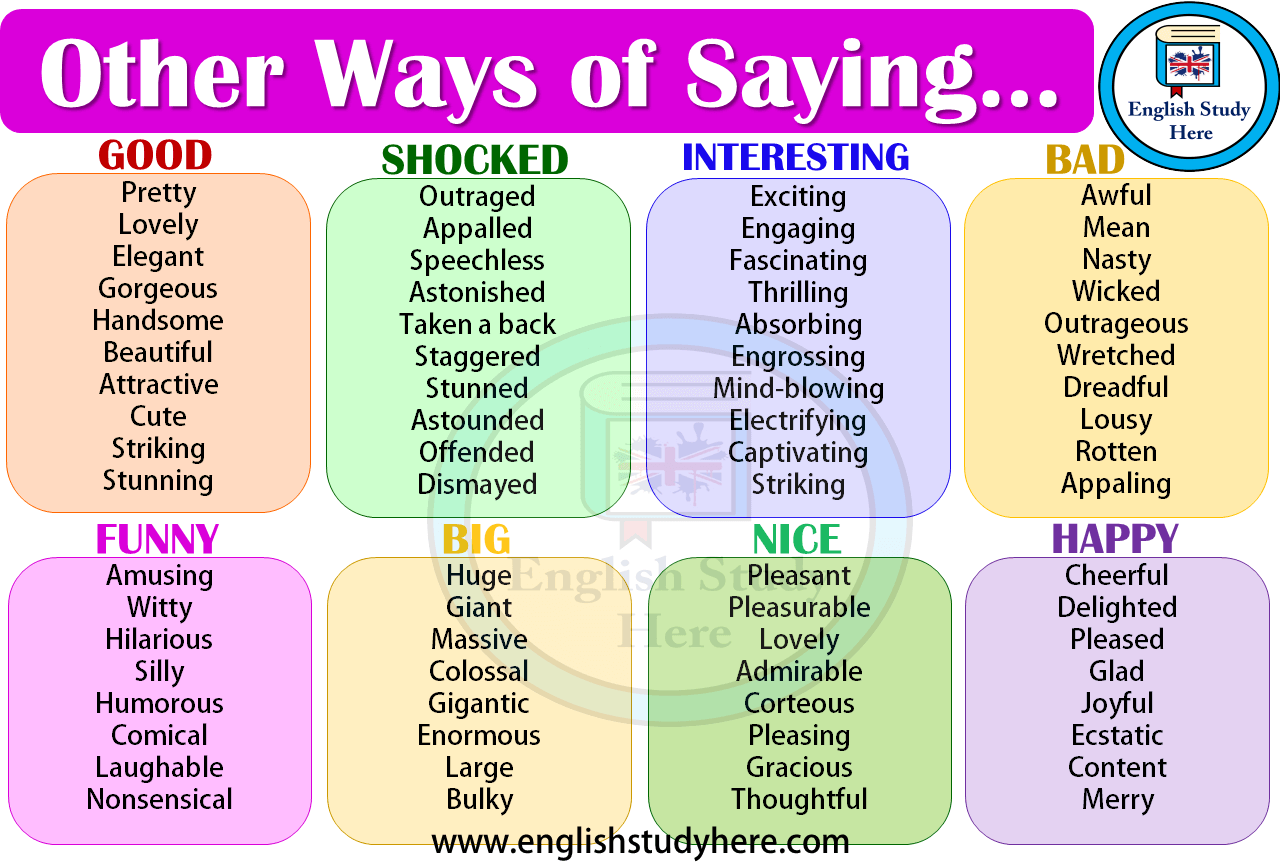
To describe crying in writing without using the word "crying," you can use evocative synonyms like sobbing, weeping, or wailing, or focus on physical actions such as tearing up, sniffling, or choking back a sob. Sophisticated writing often relies on "showing" the emotional state through sensory details like blurred vision, a constricted throat, or the salt-sting of tears.
Finding the right way to convey sadness, relief, or joy is a fundamental skill for any writer aiming to create a resonant emotional experience. In 2026, the trend in contemporary literature and professional screenwriting favors nuanced, physiological descriptions over repetitive verbs. By diversifying your vocabulary and focusing on the physical manifestations of grief or happiness, you can move beyond the cliché and engage your audience more deeply.
The Spectrum of Crying: Choosing the Right Synonym
Not all tears are created equal. The word you choose should reflect the intensity of the emotion and the character's personality. Selecting a synonym requires an understanding of the subtle differences in volume, frequency, and emotional weight.
Subtle and Quiet Expressions
When a character is trying to hide their emotions or is experiencing a gentle wave of sentiment, loud words like "bawling" are inappropriate. Instead, focus on the eyes and the initial onset of moisture.
- Tearing up: This indicates the very beginning of the process. It suggests a rising tide of emotion that hasn't yet overflowed.
- Brimming: When eyes are "brimming with tears," it creates a visual of a container about to spill over. It is a high-tension state of holding back.
- Glistening or Shimmering: These terms focus on the light reflecting off the moisture. It is often used for "pretty" crying or moments of poignant realization.
- Misty-eyed: This suggests a blurring of vision. It is less about the liquid and more about the sensory experience of the character.
Moderate and Traditional Expressions
These are the workhorse words of fiction. They describe a clear release of emotion that is visible and audible but not necessarily explosive.
- Weeping: This carries a connotation of deep, prolonged sorrow. It feels more formal and timeless than "crying."
- Sobbing: This implies a rhythmic, convulsive physical reaction. Sobs often involve "hitching" breaths and a shaking chest.
- Sniffling: A more mundane, grounded term. It is often used for minor upsets, colds, or the "after-effects" of a larger crying spell.
- Whimpering: This suggests fear or helplessness. It is a low, broken sound often associated with vulnerability.
Intense and Uncontrollable Expressions
When the emotional dam breaks, the language must escalate to match the character's internal devastation.
- Bawling: This is loud, messy, and often uninhibited. It is frequently associated with children but can effectively describe an adult who has lost all composure.
- Wailing: This focuses on the sound—a long, high-pitched cry of grief or pain. It is often communal or ritualistic.
- Lamenting: While this can refer to spoken grief, it often encompasses the entire act of sorrowful crying and mourning.
- Convulsing or Heaving: These words focus on the violent physical movement of the body during an intense breakdown, emphasizing that the emotion is too big for the frame to contain.
The "Show, Don't Tell" Approach to Crying
As of 2026, the hallmark of high-quality creative writing remains the "show, don't tell" rule. Instead of telling the reader a character is crying, describe the physiological changes occurring in their body. This forces the reader to internalize the character’s experience.
Internal Physical Sensations
Crying isn't just about water leaving the eyes; it is a full-body experience. Describing the internal struggle can be more powerful than describing the tears themselves.
- The Throat: Mention the "lump in the throat" (globus sensation) or the "constriction" that makes speaking impossible. A character might "swallow hard" to keep the tears down.
- The Chest: Describe a "tightness," a "hollow ache," or the "erratic thumping" of a heart.
- The Sinuses: The stinging sensation in the bridge of the nose is a precursor to crying that most readers recognize instantly.
External Facial Cues
The face changes significantly during a bout of crying. Focus on these details to paint a vivid picture:
- Redness: The puffiness of the eyelids, the flushing of the cheeks, or the reddening of the nose.
- Trembling: A quivering chin or a lip caught between teeth to stop it from shaking.
- Vision: The world becoming a "watery blur" or "starbursts of light" through the lashes.
- Salt: The taste of salt on the lips or the "tight, itchy tracks" left on the skin as tears dry.
Contextual Variations: Why the Character is Crying
The "way" someone cries depends heavily on the "why." In 2026, readers look for psychological consistency. A character crying from anger will look and sound very different from one crying from relief.
Tears of Rage and Frustration
Anger-crying is often a source of embarrassment for characters. It is "hot" and "sharp."
- Phrasing: "Hot tears stung her eyes," or "He blinked rapidly, his tears fueled by a simmering fury."
- Action: Wiping tears away aggressively with the back of a hand or a sleeve.
Tears of Relief and Catharsis
These tears represent a release of tension. They are often "cool" or "quiet."
- Phrasing: "The tension snapped, and the tears finally came," or "A single, shaky breath escaped, followed by a flood of quiet relief."
- Action: Slumping shoulders, a long exhale, or a sudden smile through the moisture.
Tears of Joy
Joyful crying is often described through light and brightness.
- Phrasing: "Her eyes shone with a liquid brilliance," or "Laughter bubbled up, dissolving into tears of pure happiness."
- Action: Beaming, hugging others, or looking upward.
Using Metaphor and Simile
Metaphors can elevate your writing from clinical description to evocative art. However, avoid clichés like "cried a river" or "ocean of grief." Instead, look for metaphors that fit the specific setting of your story.
- Nature-based: "The storm inside finally broke," or "Tears tracked through the dust on his face like narrow rivers in a drought-stricken land."
- Industrial/Mechanical: "The iron gates of her composure finally buckled," or "A leak in the machinery of his stoicism."
- Abstract: "She let the sorrow wash the world clean," or "The grief was a heavy tide, pulling him under."
Comparison of Crying Synonyms and Their Nuances
The following table provides a quick reference for choosing the right terminology based on the desired tone and intensity of the scene.
| Term | Intensity | Audible? | Best Used For... |
|---|---|---|---|
| Snivel | Low | Yes | Annoying characters, minor complaints, or self-pity. |
| Weep | Moderate | Low | Dignified sorrow, long-term grief, or poetic moments. |
| Sob | High | Yes | Acute shock, heartbreak, or physical exhaustion. |
| Wail | Extreme | Loud | Agony, profound loss, or public mourning. |
| Bawl | High | Loud | Children, loss of control, or messy emotional releases. |
| Blubber | Moderate | Yes | Often used pejoratively; implies a lack of grace. |
| Squall | High | Loud | Specifically for infants or sudden, harsh outbursts. |
| Keen | Extreme | Loud | A traditional, stylistic wail for the dead. |
Common Mistakes to Avoid in 2026
Even with a vast vocabulary, certain writing traps can weaken the emotional impact of a scene.
- Over-describing: If every instance of sadness involves "cascading crystalline orbs," the reader will become desensitized. Sometimes, "she cried" is the most powerful choice because it doesn't distract from the moment.
- Melodrama: Avoid having characters "collapse in a heap" every time they are sad unless it fits their established personality. Subtlety often carries more weight.
- Physical Impossibility: Be careful with descriptions like "crying for hours until her eyes were bone dry." The human body continues to produce moisture; focusing on the resulting headache or exhaustion is more realistic.
- Repetitive Tags: If you use "sobbed" as a dialogue tag five times in one page, the impact is lost. Vary your tags or use action beats instead.
Technical Terms for Professional Writing
If you are writing in a medical, psychological, or highly technical context in 2026, you might need more formal terminology.
- Lacrimation: The physiological act of shedding tears.
- Effusion: A pouring out of liquid (can be used metaphorically for emotions).
- Paroxysm: A sudden attack or violent expression of emotion (e.g., "a paroxysm of grief").
- Lachrymose: An adjective describing someone who is tearful or given to weeping.
Frequently Asked Questions
What is the most formal word for crying?
The most formal words are lacrimation (technical/medical) and weeping or lamentation (literary). In a legal or professional report, one might use "the subject exhibited emotional distress manifested through tearing."
How do I describe a character trying not to cry?
Focus on the physical resistance: "biting the inside of the cheek," "staring at the ceiling to let the tears pool," "pinching the bridge of the nose," or "speaking in a tight, clipped voice to keep the tremor at bay."
Are there "masculine" or "feminine" ways to describe crying?
In modern 2026 literature, gendered descriptions are increasingly avoided in favor of personality-driven descriptions. A stoic character (regardless of gender) might "stifle" or "choke" on their tears, while a more expressive character might "openly weep." Focus on the character’s history and temperament rather than gender tropes.
Can I use "cried" as a dialogue tag?
Yes, but use it sparingly. "I can't do this anymore," she cried, is acceptable if she is literally crying while speaking. However, action beats are often more effective: "I can't do this anymore." She swiped at her eyes, her voice cracking on the final word.
How do I describe the sound of crying without being repetitive?
Use specific auditory verbs like hitching, gasping, muffled, guttural, or shrill. Describe the "wet" sound of a sniffle or the "hollow" sound of a sob in a large room.
Practical Recommendation for Writers
When you reach a scene where a character needs to cry, do not reach for the first synonym that comes to mind. Instead, take a moment to imagine the physical environment and the character's internal state. Ask yourself: Is this a "hot" cry of anger or a "cold" cry of despair?
For the most impactful writing, combine one specific synonym (like sobbed) with a unique sensory detail (like the smell of salt and old mascara). This creates a vivid, "high-definition" emotional moment that resonates with the reader long after they finish the chapter. As we move through 2026, the demand for authentic, grounded storytelling means that the "another way to say" is less about finding a fancy word and more about finding the truest description of the human experience.