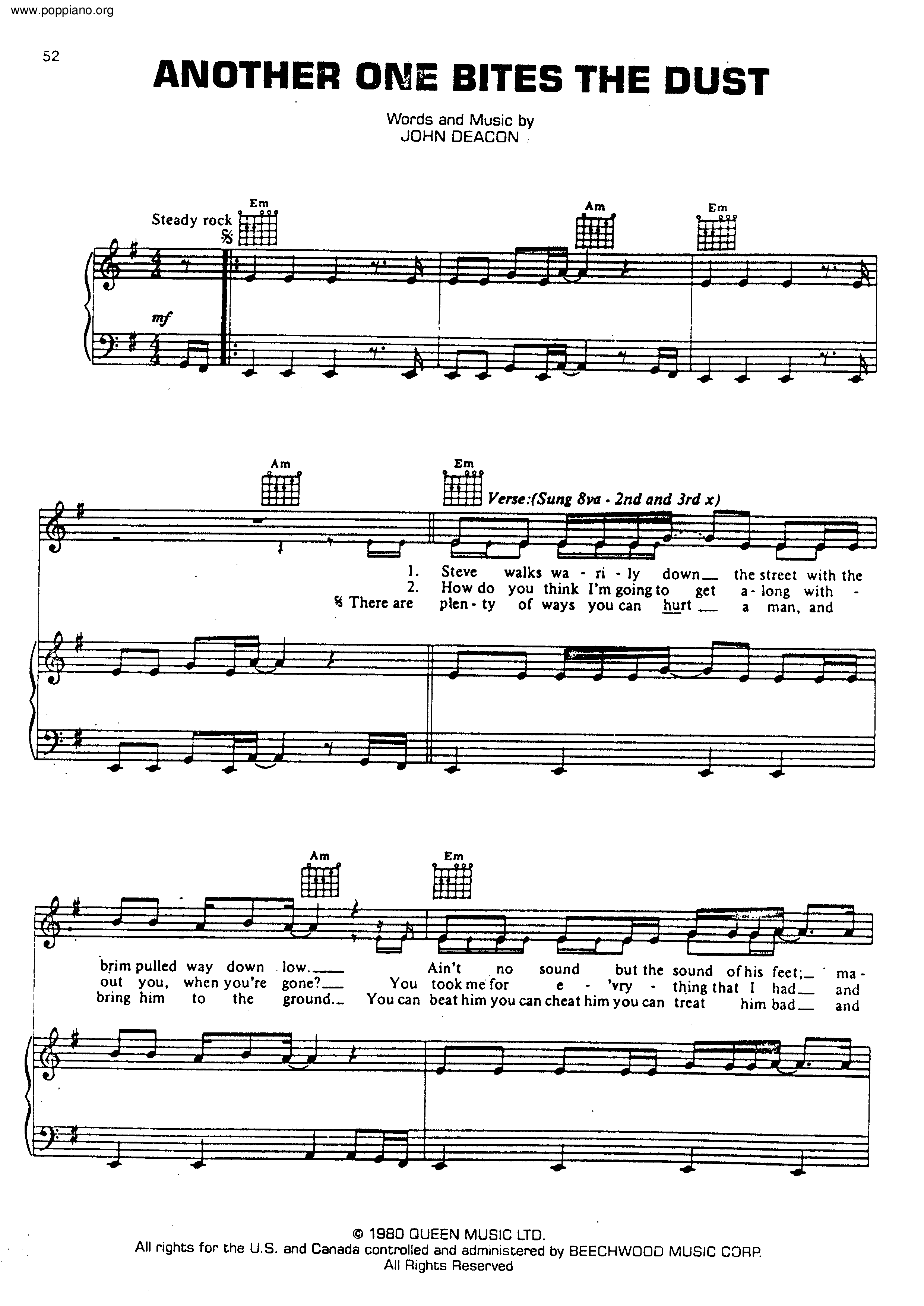
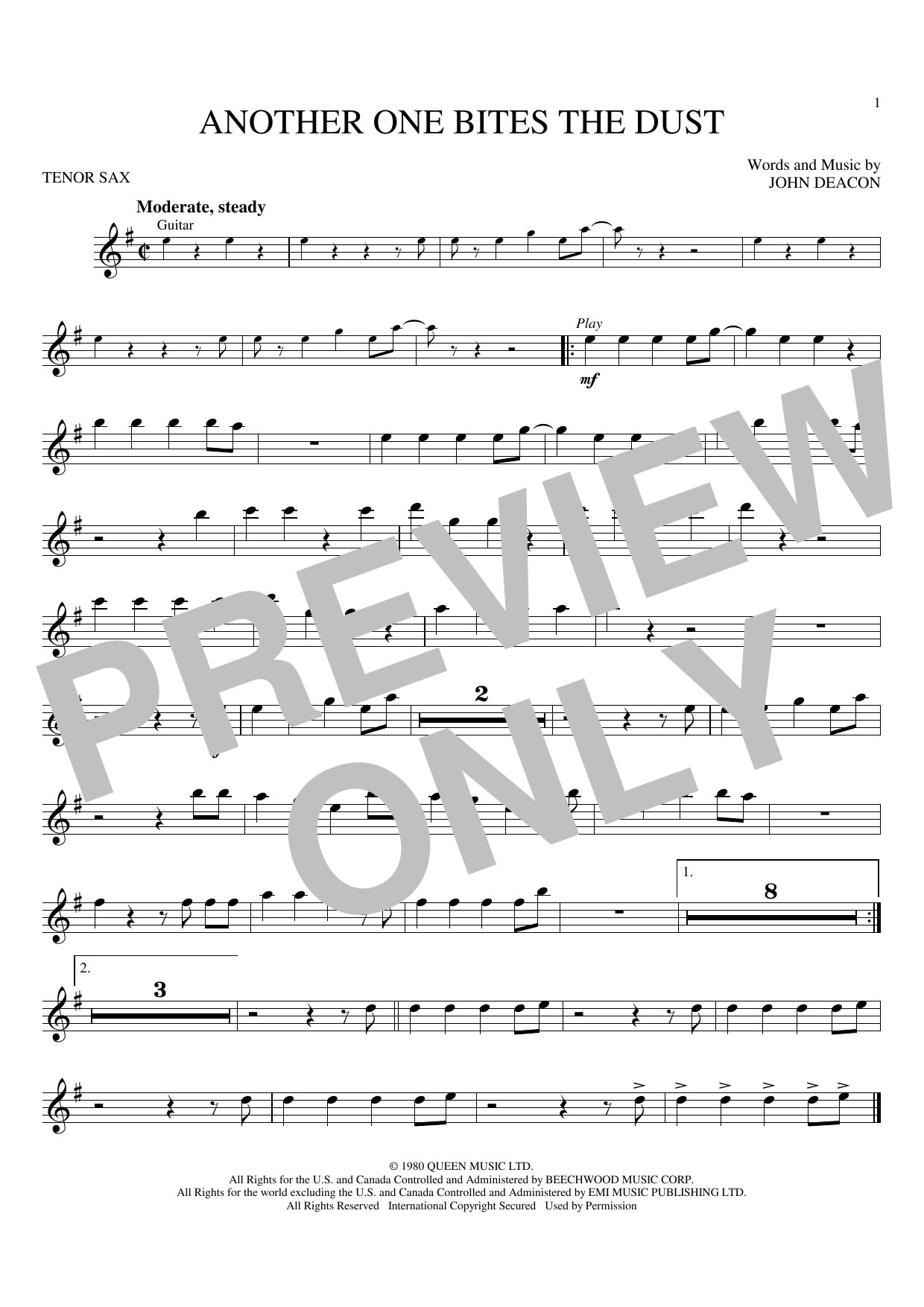
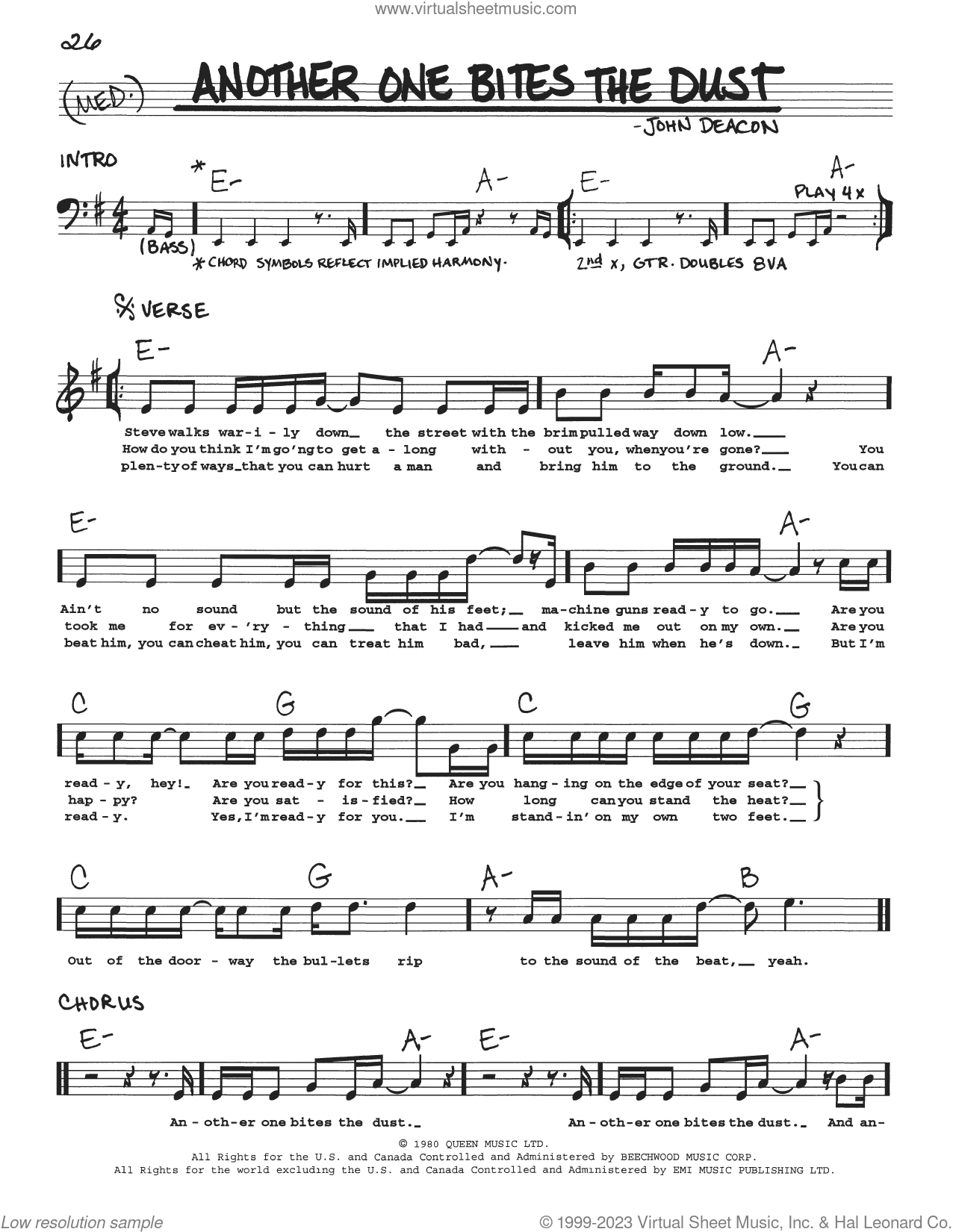
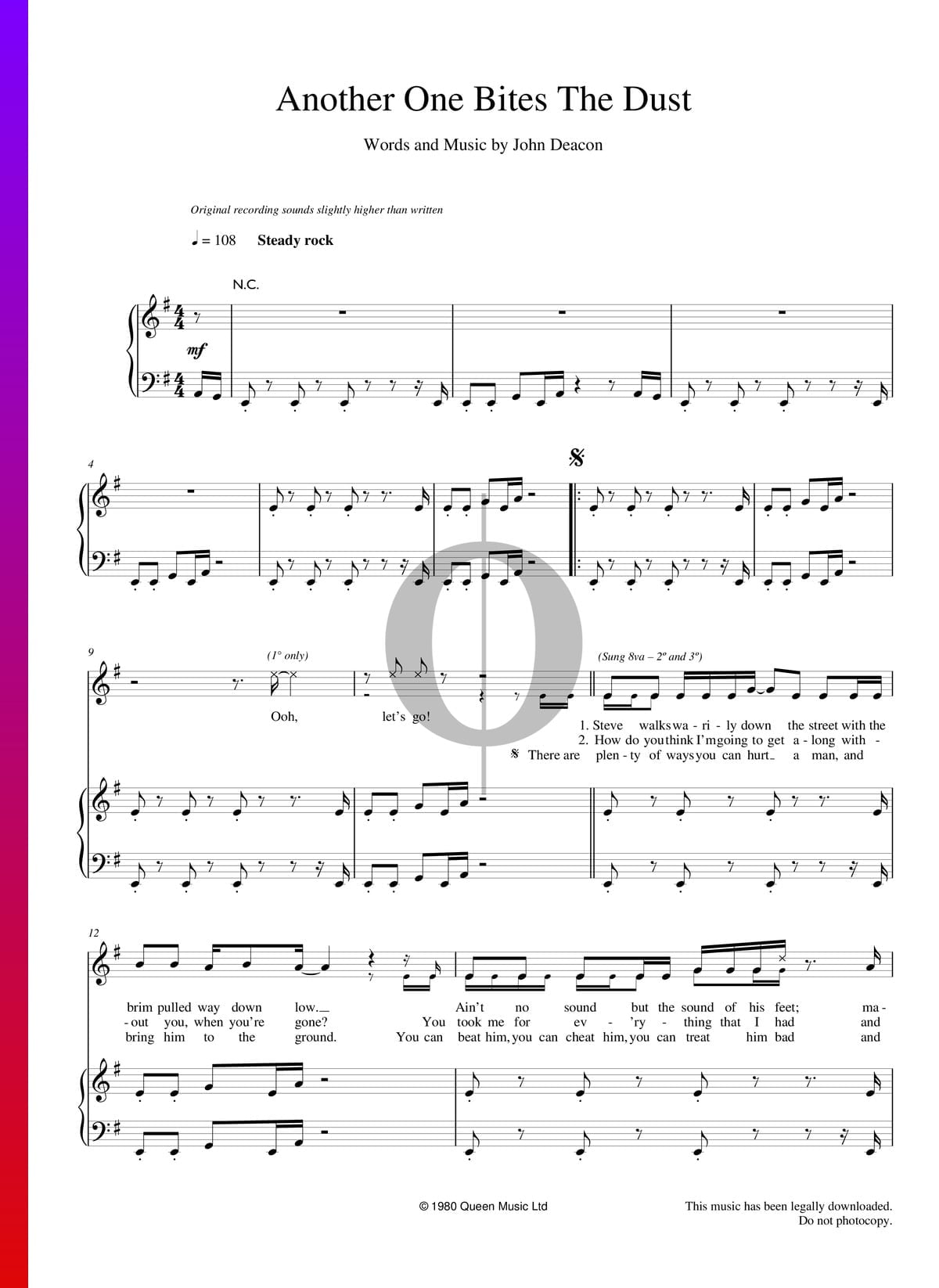
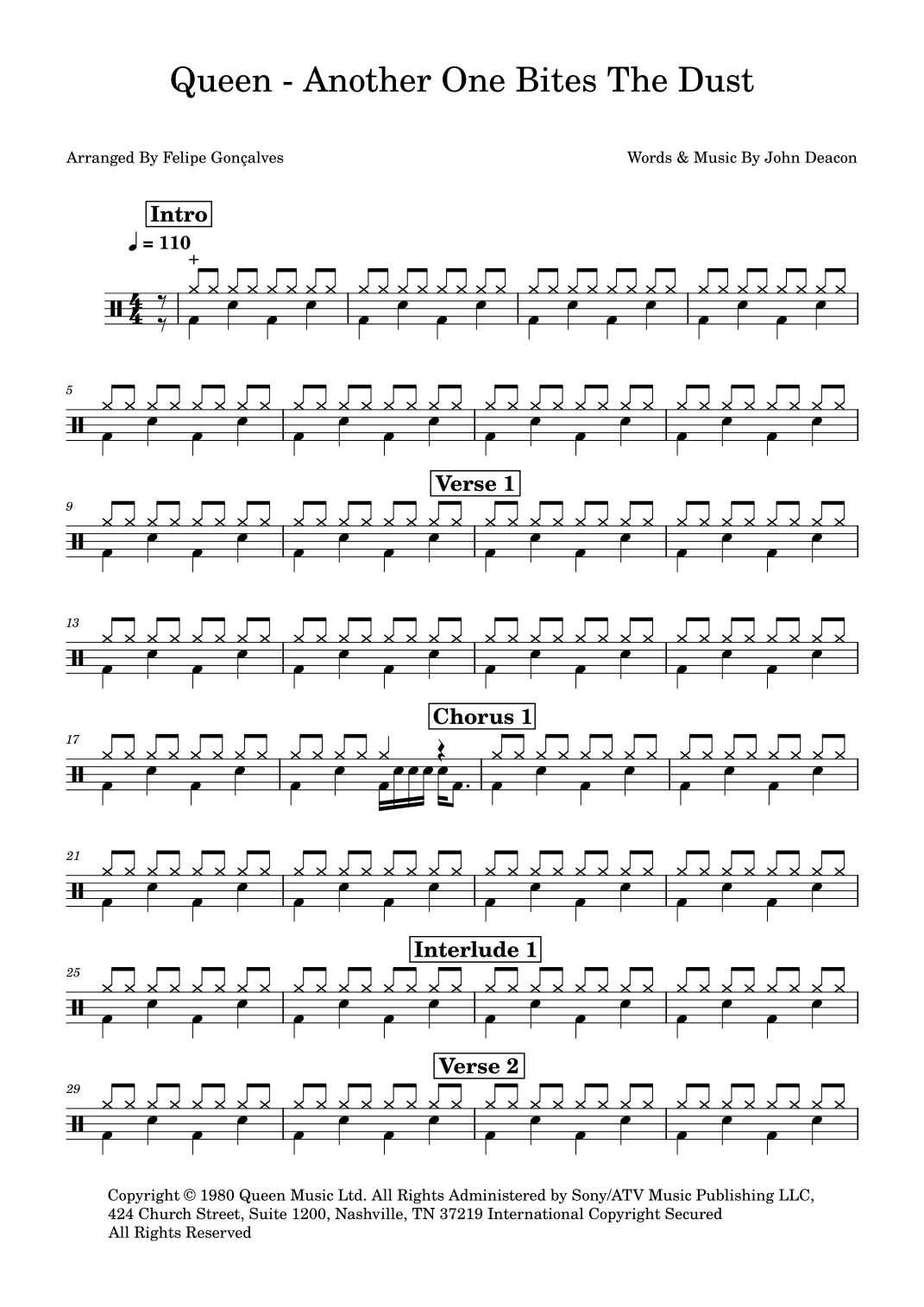
Queen’s 1980 hit "Another One Bites the Dust" is a seminal fusion of funk, disco, and rock. Written by bassist John Deacon, the track’s musical roots are deeply embedded in the late-1970s R&B scene, specifically influenced by the rhythmic sensibilities of Chic, marking a radical departure from Queen's earlier progressive and hard rock sound.
The Genre Defying Nature of "Another One Bites the Dust"
To categorize "Another One Bites the Dust" as a single genre is to ignore the complex layering that made it a global phenomenon. In 2026, musicologists still point to this track as the quintessential example of funk-rock crossover. While Queen was primarily known for the operatic heights of "Bohemian Rhapsody" and the stadium rock anthems of News of the World, this track signaled a pivot toward the dance floor.
The primary genre is Funk-Rock, but it heavily incorporates elements of Disco and Post-Punk minimalism. Unlike the guitar-heavy anthems of the 1970s, "Another One Bites the Dust" is built on a sparse, rhythmic foundation. The "funk" element comes from the syncopated bassline and the "dead" drum sound, while the "rock" element is preserved through Freddie Mercury’s aggressive vocal delivery and Brian May’s textural, almost percussive guitar scratches.
By the time the song reached the top of the Billboard Hot 100 in late 1980, it had achieved something few white rock bands had: it became a staple on Black radio stations and R&B charts. This crossover success was not accidental; it was the result of a deliberate lean into the "street" sounds of New York and the burgeoning club culture of the era.
The Architect: John Deacon and the Shift in Queen's Sound
While Freddie Mercury and Brian May were the primary songwriters for Queen's more theatrical and melodic works, bassist John Deacon was the band’s bridge to contemporary R&B and soul. Deacon was an avid fan of Black music and spent a significant amount of time in the late 70s listening to disco and funk records.
The musical roots of "Another One Bites the Dust" lie in Deacon's desire to strip away the "wall of sound" production that defined Queen's mid-70s output. He wanted a track that was "all about the rhythm." During the recording sessions for the album The Game at Musicland Studios in Munich, Deacon took a lead role in the track's direction. He played not only the iconic bassline but also the rhythm guitar and some of the percussion, ensuring that the "pocket" of the song remained tight and uncluttered.
This shift was met with some internal resistance. Roger Taylor, the band’s drummer, was famously lukewarm about the disco-inflected direction, preferring a more traditional rock sound. However, the sparse arrangement—a departure from Queen's signature multi-tracked harmonies—allowed the groove to breathe, creating a tension that was entirely new for the band.
Deep Roots: The Influence of Chic and Bernard Edwards
The most prominent musical root of "Another One Bites the Dust" is the work of the R&B band Chic, specifically their 1979 hit "Good Times." The bassline of "Good Times," played by the legendary Bernard Edwards, is the direct ancestor of Deacon’s riff. Both songs utilize a similar "walking" funk pattern that emphasizes the first beat (the "One") followed by a series of staccato notes that create a hypnotic loop.
Bernard Edwards himself later commented on the similarity, noting that while the influence was clear, he was flattered by the tribute rather than offended. The roots of the song are thus firmly planted in the New York Disco scene of the late 70s. However, Queen added a "harder edge" to this groove. Where Chic was lush and sophisticated, Queen was gritty and minimalist.
The "roots" also extend to the technical recording process. To achieve the specific funk sound, Deacon and producer Reinhold Mack utilized a "dry" recording technique. In a dry recording, there is very little natural reverb or echo. This makes every note of the bass and every kick of the drum sound immediate and punchy, a technique borrowed directly from the production styles of R&B legends like James Brown and Nile Rodgers.
Technical Anatomy: The Rhythmic and Sonic Construction
To understand the genre of "Another One Bites the Dust," one must look at the technical specifications of its construction. The song is set at approximately 110 BPM (beats per minute), which is the "sweet spot" for both disco dancing and mid-tempo funk walking.
The Bassline
The core of the song is a Fender Precision Bass. Deacon’s choice of instrument is vital; the P-Bass is known for its "thumpy" and "mid-range" heavy sound, which sits perfectly in a sparse mix. The riff follows a specific syncopated pattern: three eighth notes followed by a rest, creating a "breath" in the music that compels the listener to move.
The Drumming
Roger Taylor’s drumming on this track is a masterclass in restraint. Eschewing his usual flamboyant fills, he employs a "four-on-the-floor" kick drum pattern—a hallmark of disco—but maintains a heavy, rock-oriented backbeat on the snare. To get the "dead" sound, the drums were heavily dampened with blankets and tape, a common studio trick in the late 70s to prevent unwanted overtones.
The Guitar Textures
Brian May’s contribution is often overlooked in this track because it lacks a traditional solo. Instead, May provides "scratches" and "stabs" that function more like a percussion instrument than a melodic one. This "muted" guitar style is a direct root from funk guitar legends like Jimmy Nolen.
Vocal Delivery
Freddie Mercury’s vocals provide the "rock" energy that prevents the song from becoming a pure disco track. He uses a "gravelly" tone and aggressive phrasing, almost shouting the lyrics in a rhythmic, percussive manner. This approach bridges the gap between the smooth delivery of R&B and the raw power of arena rock.
| Component | Genre Influence | Technical Detail |
|---|---|---|
| Bassline | Funk / R&B | Fender P-Bass, syncopated 110 BPM riff |
| Drums | Disco | Four-on-the-floor kick, deadened snare |
| Guitar | Funk | Muted "scratches" and percussive stabs |
| Vocals | Rock / Soul | Aggressive, rhythmic delivery; dry production |
| Production | Post-Punk | Minimalist, no reverb, sparse arrangement |
Production Techniques and the Munich Influence
The recording took place in Musicland Studios in Munich, Germany, under the guidance of producer Reinhold Mack. This location is significant because Munich was the epicenter of "Euro-disco" at the time (most notably the work of Giorgio Moroder). The influence of the "Munich Sound" is evident in the track's precision and its reliance on a steady, mechanical pulse.
One of the most innovative aspects of the production was the use of tape loops. While the song sounds like a band playing together, several elements were looped to create a sense of hypnotic repetition. This technique is a root of what would later become standard in hip-hop and electronic dance music (EDM). The "reverse" sounds heard throughout the track (notably the cymbal swells played backward) added a psychedelic, almost eerie layer to the otherwise grounded funk groove.
Cultural Impact and the "Crossover" Phenomenon
The genre of "Another One Bites the Dust" is inextricably linked to its cultural impact. In 1980, the "Disco Sucks" movement was at its peak in the United States, a backlash primarily driven by rock fans against the perceived shallowness of dance music. Queen, a rock institution, took a massive risk by releasing a song that so clearly embraced disco and funk.
The song’s success on Black radio was unprecedented for a UK rock band. It reached number two on the Billboard R&B charts, a feat that validated its authentic funk roots. Much of this crossover success is credited to Michael Jackson. After seeing Queen perform at the Forum in Los Angeles, Jackson reportedly went backstage and told Freddie Mercury, "Freddie, you're a fool if you don't release 'Another One Bites the Dust.'" Jackson recognized that the song’s roots were perfectly aligned with the burgeoning "King of Pop" era he was about to usher in.
Lyrical Themes and Narrative Roots
While the musical roots are rhythmic, the lyrical roots are cinematic. The lyrics tell a story of a "gangster" or "outlaw" narrative, referencing "Tommy guns" and "the sound of the bullets." This imagery draws from American Noir and Western films.
This lyrical choice helps ground the song in a "tougher" reality, contrasting with the often upbeat or romantic themes of traditional disco. By combining a "street-wise" lyric with a danceable beat, Queen created a "cool" factor that appealed to both rock fans (who liked the aggression) and club-goers (who liked the groove). This duality is what defined the dance-rock genre for the coming decade.
The Legacy of the Groove in 2026
Fast forward to 2026, and "Another One Bites the Dust" remains one of the most sampled and covered songs in history. Its genre-defying nature paved the way for the New Wave movement of the 1980s, influencing bands like INXS, Duran Duran, and The Red Hot Chili Peppers.
The song's "roots" continue to be studied in music production courses because it demonstrates the power of subtraction. By removing the excess and focusing on the core relationship between the bass and the drums, Queen created a timeless piece of music. It proved that "rock" wasn't a static category, but a fluid medium that could absorb the energy of funk and the rhythm of disco without losing its soul.
Frequently Asked Questions
Did Queen use synthesizers on "Another One Bites the Dust"?
No. Although The Game was the first Queen album to feature synthesizers, "Another One Bites the Dust" is famously free of them. The "electronic" sounding effects were actually created through guitar feedback, piano played in reverse, and various tape loop manipulations. This adds to the song's "organic funk" pedigree.
How did the "Good Times" influence impact the song's legal standing?
There was never a legal battle between Queen and Chic. Nile Rodgers and Bernard Edwards of Chic were vocal about their admiration for the track. They viewed it as a sign of respect. In fact, the "Good Times" bassline has been used as the foundation for several major hits, including Sugarhill Gang’s "Rapper’s Delight," making it one of the most influential riffs in modern music history.
What was the specific bass guitar used by John Deacon?
John Deacon used a 1968 Fender Precision Bass. During the recording, he insisted on using older, "worn-in" strings to get a duller, thumpier sound that lacked the bright "zing" of new strings. This was a common technique used by Motown bassists like James Jamerson to achieve a more percussive, integrated sound.
Why is the song often associated with Michael Jackson?
Michael Jackson was a close friend of the band during the early 1980s. He was a huge fan of John Deacon’s songwriting. When Queen was hesitant about releasing a "funk" track as a single (fearing a backlash from their rock fans), Jackson's insistence that it was a "guaranteed hit" gave the band the confidence to move forward with the release. It eventually became Queen's best-selling single.
Is the song considered "Disco"?
While it has a disco "four-on-the-floor" beat, most critics and musicians classify it as Funk-Rock. It lacks the lush string arrangements and high-register vocal harmonies common in late-70s disco, leaning instead toward a more aggressive, minimalist rock aesthetic.
Practical Recommendation for Musicians
For musicians looking to replicate the "Another One Bites the Dust" sound in 2026, the key is minimalism and dampening. To achieve the "dead" drum sound, use heavy muffling on the snare and kick drum. For bassists, a Fender P-Bass with flat-wound strings or old round-wounds is essential. Focus on the "pocket"—the space between the notes is just as important as the notes themselves. Avoid using any reverb in the mix; the track relies on a "dry" environment to maintain its punch and clarity.