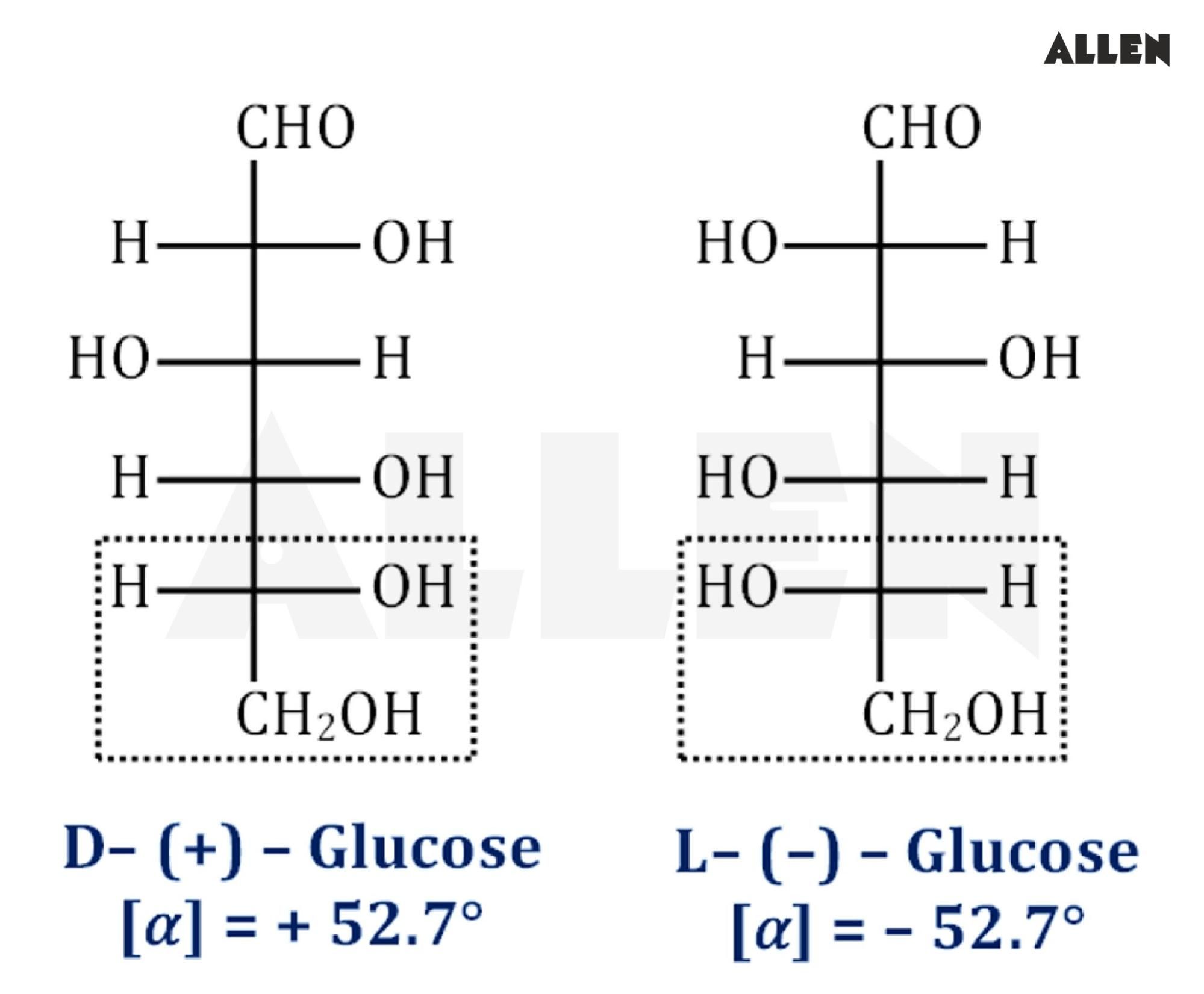
Glucose is most commonly known as dextrose in medical and food industries, and as blood sugar within the context of human physiology. Chemically, it is a monosaccharide referred to as an aldohexose. While "glucose" is the standard scientific term, its aliases vary based on whether it is being discussed in a laboratory, a hospital, or a commercial food production facility.
The Chemical Identity: Why Glucose Has Multiple Names
To understand why glucose goes by different names, one must first look at its molecular structure. Glucose is a simple sugar with the molecular formula C₆H₁₂O₆. In the world of organic chemistry, it is classified as a monosaccharide, the most basic unit of carbohydrates.
The most frequent synonym, dextrose, is derived from the fact that the naturally occurring form of the molecule is "dextrorotatory." This means that when a beam of polarized light passes through a solution of glucose, the light rotates to the right (from the Latin dexter, meaning right). Because the "D-glucose" isomer is the form found in nature and used by the human body, the term dextrose became the shorthand in clinical and industrial settings.
As of 2026, biochemical standards continue to emphasize the distinction between the molecular structure and its functional application. While a chemist sees a polar molecule with six carbon atoms and an aldehyde group, a clinician sees the primary fuel source for the brain, and a food scientist sees a versatile sweetener derived from starch.
Dextrose: The Clinical and Industrial Standard
If you have ever looked at an intravenous (IV) bag in a hospital or read the ingredient list on a package of processed snacks, you have likely seen the word dextrose. In these contexts, dextrose is the identical molecule to D-glucose.
Medical Usage of Dextrose
In healthcare, dextrose is used to describe glucose solutions administered to patients. These are typically categorized by their concentration:
- D5W (5% Dextrose in Water): A common IV fluid used to provide calories and replace free water.
- D10W (10% Dextrose in Water): Often used for patients requiring higher caloric intake or to treat neonatal hypoglycemia.
- D50 (50% Dextrose): A highly concentrated "push" used in emergency medicine to rapidly reverse severe hypoglycemia (low blood sugar).
The medical community prefers the term dextrose partly to distinguish the pure, pharmaceutical-grade sugar from the broader, more generalized term "sugar," which patients might confuse with sucrose (table sugar).
Industrial and Food Science Applications
In the food industry, another name for glucose is often corn sugar or starch sugar. This is because glucose is commercially produced through the enzymatic hydrolysis of starch—most commonly corn starch in the United States, or wheat and potato starch in Europe.
Food manufacturers use dextrose because it is less sweet than sucrose but provides excellent browning properties (the Maillard reaction) and serves as a reliable bulking agent. When you see "dextrose" on a label in 2026, it signifies that the sugar is a simple monosaccharide, which behaves differently in baking and fermentation than complex sugars.
Blood Sugar: The Biological Perspective
When discussing human health, metabolism, and endocrine function, the most common alias for glucose is blood sugar. This term describes the concentration of glucose circulating in the bloodstream, which is the primary energy source for the body's cells.
The regulation of blood sugar is a critical physiological process involving several hormones, primarily insulin and glucagon.
- Absorption: After consuming carbohydrates, the digestive system breaks them down into glucose, which enters the bloodstream.
- Transport: Insulin acts as a "key," allowing glucose to move from the blood into the cells.
- Storage: Excess glucose is stored in the liver and muscles as glycogen (a complex chain of glucose molecules) or converted into fat.
In 2026, the monitoring of blood sugar has reached new levels of precision with continuous glucose monitors (CGMs). These devices track "glucose" levels in the interstitial fluid, but the data is translated for the user as their "blood sugar" reading. This linguistic bridge helps patients understand the immediate impact of diet and exercise on their metabolic health.
Historical and Botanical Synonyms
Before the standardization of chemical nomenclature, glucose was often named after its primary source. You may encounter these terms in older scientific literature or specific regional culinary traditions.
Grape Sugar
In the 19th century, glucose was frequently called grape sugar (or Traubenzucker in German). Grapes are naturally high in glucose, and early chemists often isolated the sugar from dried raisins. This name is still occasionally used in European health food markets to market glucose tablets as a "natural" energy source.
Corn Sugar
As mentioned previously, "corn sugar" is a literal description of the source material. In the mid-20th century, this term was used to distinguish glucose from "cane sugar" (sucrose). While the term has largely been replaced by "dextrose" on labels to sound more technical, "corn sugar" remains a valid descriptive name in agricultural and commodity trading.
Simple Sugar
While "simple sugar" is a category rather than a unique name, it is often used as a synonym for glucose in nutritional education. A simple sugar (monosaccharide) does not need to be broken down by digestive enzymes to be absorbed, which is why glucose/dextrose provides such a rapid energy spike compared to complex carbohydrates.
Technical Classification: Aldohexose and Monosaccharide
For those approaching the subject from a scientific or academic background, glucose is defined by its chemical class.
- Monosaccharide: The most basic form of carbohydrate that cannot be hydrolyzed into simpler sugars.
- Hexose: A sugar containing six carbon atoms.
- Aldose: A sugar containing an aldehyde group ($R-CHO$) at the end of the carbon chain.
Combining these, glucose is an aldohexose. This technical designation distinguishes it from fructose, which is a ketohexose (having a ketone group instead of an aldehyde group). Although glucose and fructose have the same chemical formula ($C_6H_{12}O_6$), their different structures mean they are processed differently by the human liver and have different levels of sweetness.
Comparison of Common Names and Contexts
The following table summarizes the different names for glucose, where they are used, and their specific nuances as recognized in 2026.
| Name | Primary Context | Why It Is Used |
|---|---|---|
| Glucose | Biology & Chemistry | The standard scientific name; used to describe the molecule itself. |
| Dextrose | Medicine & Food Industry | Refers to the D-isomer (D-glucose); used in IV fluids and food labeling. |
| Blood Sugar | Human Physiology | Describes glucose when it is circulating in the cardiovascular system. |
| Grape Sugar | Historical / Retail | An older term derived from the extraction of glucose from grapes. |
| Corn Sugar | Industrial Production | Specifies the source (corn starch) from which the glucose was refined. |
| Aldohexose | Organic Chemistry | A technical classification based on the number of carbons and functional groups. |
| C6H12O6 | Molecular Formula | The shorthand chemical representation of the sugar's atomic makeup. |
Why the "Another Name" Matters: Practical Implications
Understanding the various names for glucose is more than just an exercise in semantics; it has real-world implications for health and consumer safety.
Managing Diabetes
For individuals living with diabetes, recognizing that dextrose and glucose are the same thing is vital. If a person is experiencing hypoglycemia, they might look for "glucose tablets." However, many sports drinks or rapid-energy gels may list "dextrose" instead. Knowing these are identical ensures the individual can treat their low blood sugar effectively without confusion.
Reading Food Labels
In 2026, regulatory bodies like the FDA require clear labeling of added sugars. However, manufacturers may use "dextrose" to avoid the common perception of "sugar" (sucrose). Consumers looking to manage their glycemic load need to know that dextrose will raise blood sugar levels even more rapidly than table sugar because it does not require the extra step of breaking a molecular bond (as sucrose does).
Sports Nutrition
Athletes often seek out "dextrose powder" for post-workout recovery. The logic is that because dextrose is another name for glucose, it bypasses the liver's initial processing that fructose requires, heading straight to the muscles to replenish glycogen stores. In this niche, the name "dextrose" is a marketing signal for "fast-acting fuel."
Frequently Asked Questions
Is glucose the same as sucrose?
No. Sucrose is table sugar, which is a disaccharide. This means a sucrose molecule is made of one glucose molecule and one fructose molecule bonded together. While glucose is a component of sucrose, they are not the same thing. Glucose is a "simple" sugar, whereas sucrose is a "double" sugar.
Why is dextrose used in IV bags instead of glucose?
They are chemically identical. The term "dextrose" is simply the clinical standard used by pharmacopeias (official books of drug standards). Using the term dextrose helps healthcare providers specify the D-isomer of glucose, which is the only form the human body can metabolize for energy.
Does "corn syrup" mean the same thing as glucose?
Not exactly. Regular corn syrup is a liquid mixture that is very high in glucose, but it also contains water and various polymers of glucose (maltose and higher sugars). "High Fructose Corn Syrup" (HFCS) is different because a portion of that glucose has been enzymatically converted into fructose to make it sweeter.
Is glucose healthier than other names for sugar?
Glucose is an essential energy source, but like all sugars, its health impact depends on the quantity and the source. Because glucose (or dextrose) has a high glycemic index, it causes a rapid spike in blood sugar. This is helpful for athletes or people with low blood sugar but can be a concern for those with insulin resistance or type 2 diabetes.
Is "dextrin" another name for glucose?
No. Dextrins are a group of low-molecular-weight carbohydrates produced by the hydrolysis of starch. They are chains of glucose molecules. While they are related, a dextrin is a complex carbohydrate, whereas glucose is a single simple sugar unit.
Summary and Next Actions
Whether you encounter it as dextrose on a nutritional label, blood sugar in a medical report, or an aldohexose in a chemistry textbook, you are dealing with the same fundamental molecule: glucose. This simple sugar is the primary "currency" of energy in the biological world, fueling everything from cellular respiration in plants to cognitive function in humans.
If you are monitoring your health in 2026, the best next action is to familiarize yourself with how these names appear on the products you consume. Pay close attention to ingredient lists for "dextrose" if you are monitoring your glycemic intake, and consult with a healthcare provider to understand how your "blood sugar" levels reflect your overall metabolic wellbeing. For those in sports or medicine, recognizing "D5W" as a 5% glucose solution is a fundamental piece of technical literacy that ensures safety and performance.