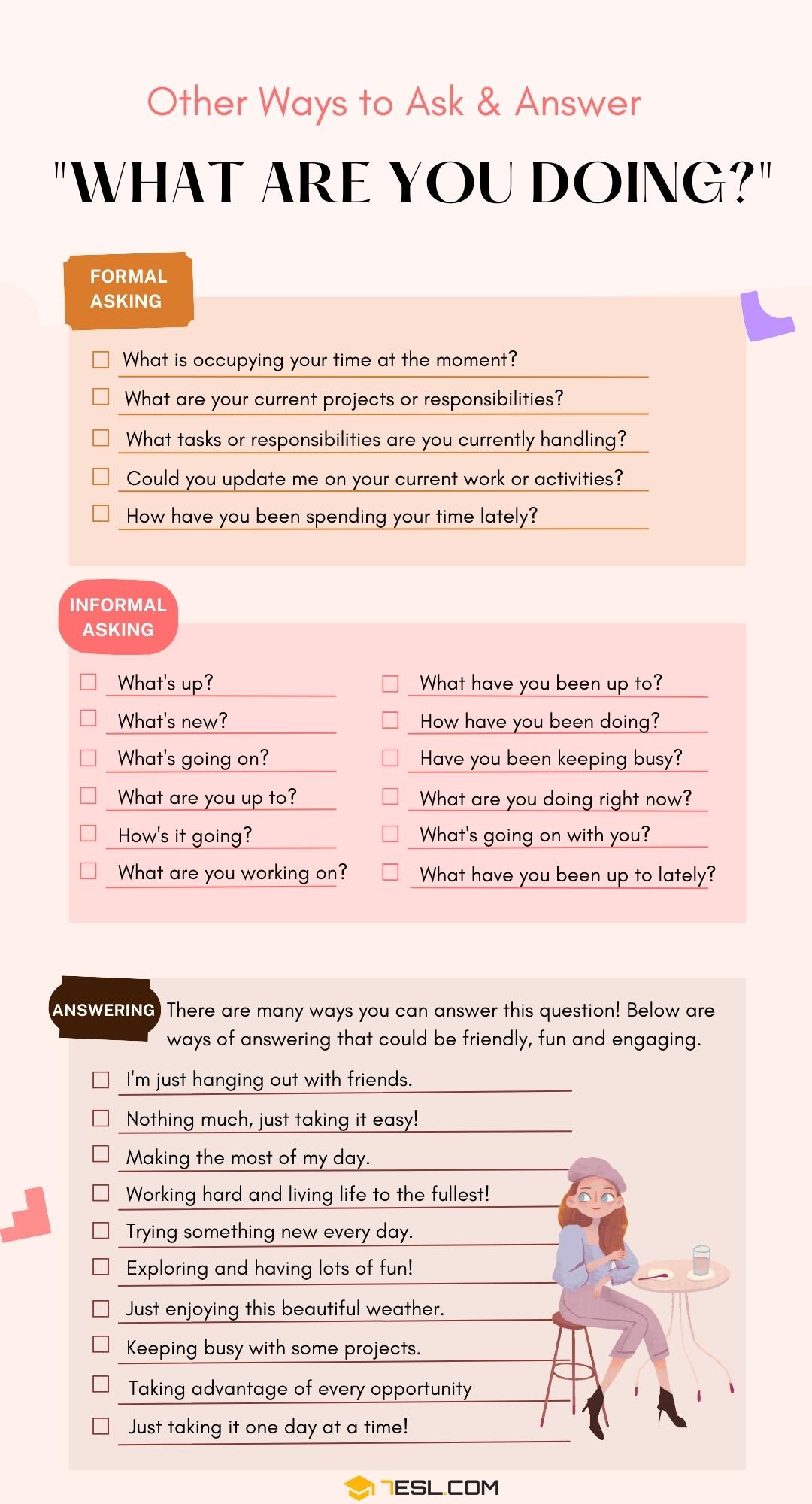
Finding another way to ask "how are you" involves matching your greeting to the specific social or professional context. Effective alternatives include "how have you been?" for acquaintances, "what’s been the highlight of your week?" for deeper engagement, or "how are you holding up?" when offering support during challenging times.
The standard "how are you" has become a linguistic reflex in many English-speaking cultures. Often, it functions more as a filler or a "phatic expression"—a communication intended to perform a social function rather than to convey specific information. In 2026, as our digital and physical interactions become increasingly fragmented, the ability to use more intentional language is a vital component of emotional intelligence and professional networking.
The Evolution of the Greeting in 2026
By 2026, the way we communicate has shifted toward a preference for authenticity. The "How are you?" "I'm fine, thanks" cycle is increasingly viewed as a barrier to genuine connection. Whether in a virtual reality workspace or a face-to-face meeting, people are looking for greetings that acknowledge their individuality and current state.
Linguistically, "How are you" is a descendant of the 17th-century "How do you do," which was originally a serious inquiry into one’s health or success. Over centuries, it eroded into a standard greeting. Today, breaking that cycle requires a conscious effort to use phrases that signal a genuine interest in the recipient’s life.
Professional Alternatives for the Workplace
In a professional setting, your goal is often to build rapport while maintaining a boundary of competence and efficiency. Using a standard "how are you" in a Slack channel or a Zoom meeting can feel dismissive or repetitive. Here are several ways to vary your approach depending on the goal.
Building Rapport with Colleagues
If you work closely with someone, you want to show that you value them as a person, not just a task-manager.
- "How has your week been treating you so far?" This is a broader question that allows the person to reflect on their overall experience rather than just their current mood.
- "What’s been the focus of your day?" This is excellent for mid-day check-ins as it bridges the gap between personal well-being and professional activity.
- "I hope you’ve had a productive start to the month." While technically a statement, it invites a "How are you" style response regarding their current workload and stress levels.
Networking and External Clients
When speaking with someone you don't know well, you want to be polite without being overly familiar.
- "How are things going in your world?" This is a slightly more expansive version of "how are you" that sounds less like a canned response.
- "What’s been keeping you busy lately?" This is a classic networking phrase that allows the person to talk about projects they are passionate about.
- "I hope you’re having a great week." This is a safe, professional opening for emails that sets a positive tone without demanding an emotional update.
Casual Greetings for Friends and Family
When dealing with friends and family, the "how are you" fatigue is most prominent. Because these are the people we care about most, using a generic phrase can sometimes signal a lack of attention.
Refreshing Your Social Interactions
To truly engage with a friend, try these variations:
- "What’s the latest in your life?" This signals that you are up to date on their general situation but want the most recent updates.
- "How have you been spending your time lately?" This is a high-quality open-ended question that avoids a simple "good" or "bad" answer.
- "Anything exciting happen since we last spoke?" This focuses the conversation on positive developments and story-sharing.
Checking in on Close Bonds
For those you are particularly close to, your greeting should offer a safe space for vulnerability.
- "How are you, really?" Adding the "really" is a powerful way to signal that you are ready for a deeper conversation and aren't just looking for a polite brush-off.
- "What’s been on your mind lately?" This shifts the focus from their external "state" to their internal thoughts.
- "How are you feeling about [specific event]?" Directing the question toward a known event shows you have been listening and care about their specific journey.
Empathetic Greetings for Difficult Times
Sometimes we ask "how are you" because we know someone is struggling, but the phrase feels too small for the weight of their situation. In these cases, the "another way to ask" becomes a tool for support.
- "How are you holding up?" This acknowledges that the person is under pressure or going through a hard time. It implies a sense of resilience and strength.
- "I’ve been thinking about you—how are things today?" By adding the "today," you make the question more manageable. It doesn't require them to summarize a whole month of grief or stress; they just have to tell you how they are right now.
- "What can I do to support you this week?" Sometimes the best way to ask how someone is is to offer a way to make it better. This shifts the burden from them explaining their pain to you offering your help.
Digital Etiquette: Texting and Instant Messaging
In 2026, a large portion of our communication happens via text, Slack, or Discord. These platforms have their own rules for greetings. A "how are you" in a text can sometimes feel like a demand for time.
Slack and Professional Messaging
- "Happy Tuesday! Hope you’re doing well." Short, sweet, and doesn't require a long-form response.
- "Quick check-in—how’s the [project] going?" Often, in a professional digital space, the best way to ask "how are you" is to ask about their work, as that is the primary context of your relationship.
Social Texting
- "Thinking of you! Hope your day is going great." This provides the warmth of a greeting without the pressure of a question.
- "Sending a quick hello! How’s life treating you?" This is casual and implies a low-pressure response.
Comparative Analysis of Greeting Alternatives
Choosing the right phrase requires a balance of familiarity and formality. The following table compares common alternatives based on their intended impact and the level of relationship required.
| Phrase | Formality Level | Best Used For | Intent |
|---|---|---|---|
| "How's everything?" | Casual | Acquaintances/Friends | General status update |
| "What's new?" | Casual | Close Friends | Seeking specific updates |
| "How have you been?" | Neutral | People you haven't seen in a while | Reconnecting |
| "What's on your radar?" | Professional | Colleagues | Discussing current priorities |
| "How are you feeling?" | Personal | Family/Close Friends | Checking health or emotions |
| "I hope your week is going well." | Professional | Email/External Clients | Polite opening |
| "How's your day going?" | Neutral | Service workers/Acquaintances | Immediate situational check |
| "What’s the best thing that happened today?" | Personal | Family/Children | Positive psychology/Engagement |
Cultural and Contextual Nuance
It is essential to recognize that "another way to ask how are you" is not just about the words, but the culture in which they are spoken. In some cultures, "How are you?" is a literal question that requires a detailed answer about one’s health and family. In others, it is purely a greeting like "Hello."
When using alternatives, consider the Principle of Reciprocity. If you ask a deeper question like "What's been on your mind?", be prepared to answer it yourself. Effective communication is a two-way street. In 2026, the trend in interpersonal communication according to the American Psychological Association focuses heavily on active listening and the "Check-In Culture," where people are encouraged to move past surface-level interactions to combat social isolation.
Avoiding "Greeting Fatigue"
Greeting fatigue occurs when a phrase is used so often it loses all meaning. To avoid this:
- Vary your openings. Don't use the same phrase every morning.
- Be specific. Reference something they told you previously. Instead of "How are you?", try "How did that presentation go yesterday?"
- Watch the body language. If you are in person, your tone and eye contact do more work than the words "How are you" ever could.
Common Pitfalls to Avoid
While looking for another way to ask how someone is, there are a few traps to avoid that can make a greeting feel awkward or intrusive.
- Being too personal too fast: Don't ask a new business lead "How are you feeling emotionally?" This violates professional boundaries.
- The "Double Greeting": Avoid saying "Hey, how are you, how's it going?" It sounds frantic and suggests you aren't actually listening.
- Asking when you don't have time to listen: If you are running to a meeting, don't ask "How have you been?" because that question invites a long answer. Instead, use a "Happy to see you!" or "I hope you have a great day!"
Frequently Asked Questions
What is a professional way to ask "how are you" in an email?
In a professional email, it is often best to use a "hopeful" statement rather than a direct question. Phrases like "I hope this email finds you well" (though a bit traditional) or "I hope you’ve had a great week so far" are standard. In 2026, a more modern approach is to be slightly more specific, such as "I hope you're enjoying the [season/weather] in [recipient's city]." This shows you've put a small amount of thought into the recipient's specific context.
How can I ask "how are you" without sounding like a bot?
To avoid sounding robotic, add a "hook" to your question. A hook is a piece of specific information. Instead of a generic "how are you," try "I saw your post about the hike you took—how are you feeling after that?" or "I remember you mentioned you were busy with the move; how are you settling in?" Specificity is the enemy of the "bot-like" greeting.
Is "What's up?" considered rude in a business setting?
In most traditional business settings, "What's up?" is considered too informal. However, in tech-heavy or creative industries, it is often acceptable among peers. It should generally be avoided when speaking to supervisors, clients, or during formal presentations. It is always safer to lean toward "How are you doing today?" or "How is everything going?" if you are unsure of the company culture.
How do I respond when someone uses an alternative greeting?
If someone asks "What’s been the highlight of your week?", they are inviting a narrative response. Try to provide one specific positive thing. If they ask "How are you holding up?", they are acknowledging a struggle, so it is appropriate to be honest but brief, such as "It’s been a challenge, but I’m taking it one day at a time. Thanks for asking." Matching the level of sincerity in the question is key.
What should I ask if I want to check on someone's mental health?
When checking on mental health, avoid "How are you?" as it often triggers a "fine" response. Use "How is your heart today?" or "I've noticed you've been a bit quiet lately—is there anything you'd like to talk about?" These phrases signal that you have noticed a change and are offering a non-judgmental space for them to share their internal state.
Practical Recommendation for Better Greetings
To improve your communication in 2026, implement the "Observation + Question" rule. Before you speak, observe one thing about the person or the current situation.
For example, if you see a colleague wearing a new watch, you might say, "That's a great watch—how has your day been going?" If you are texting a friend on a rainy day, say, "It’s pouring here! How are you staying dry and how have you been?" By anchoring your greeting in the physical or situational reality of the moment, you move from a scripted interaction to a meaningful exchange. This small shift not only makes you more likable but also fosters deeper, more resilient connections in both your personal and professional life.