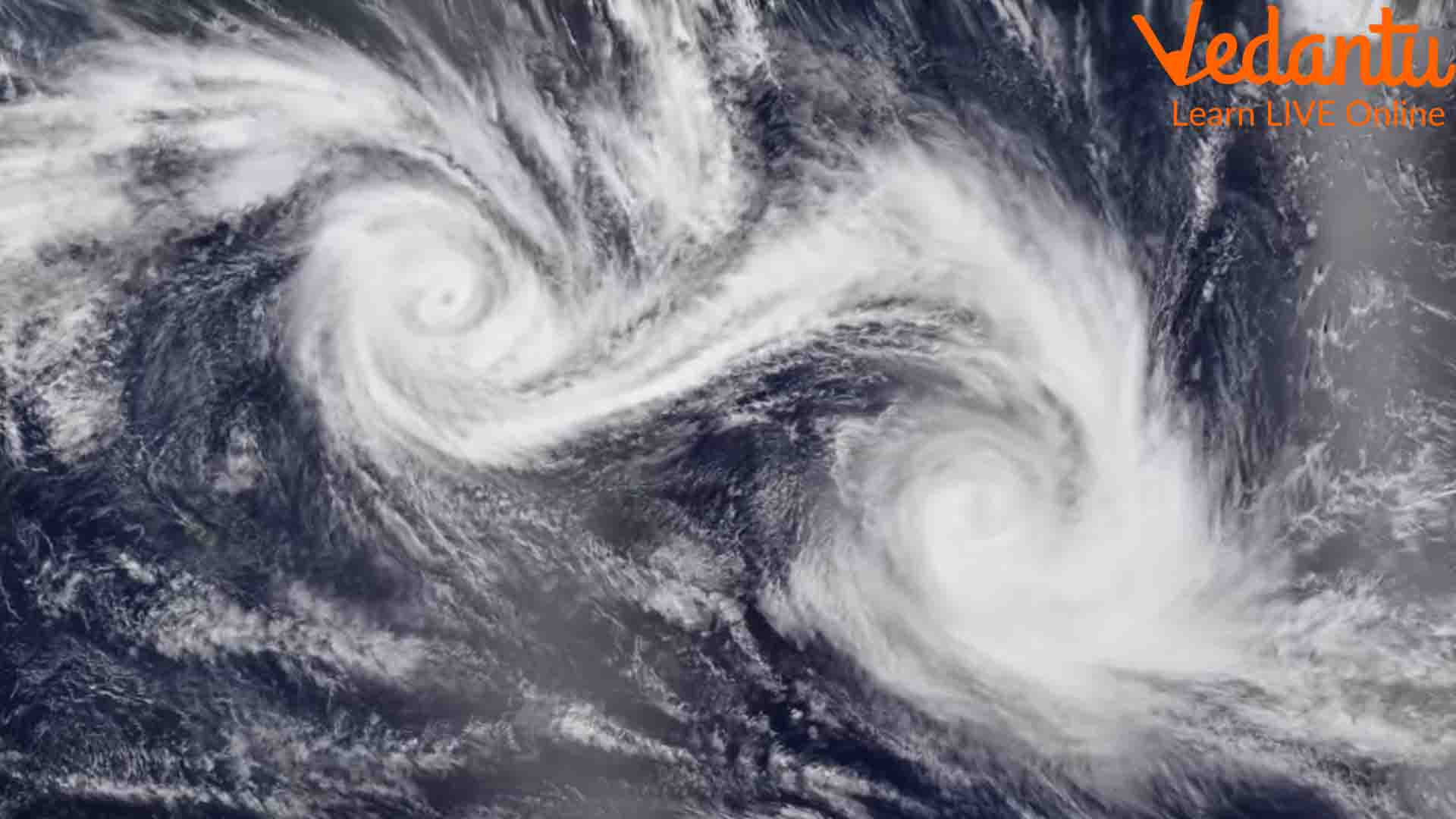
Depending on where you are in the world, another name for a cyclone is a hurricane, a typhoon, or simply a tropical cyclone. While these terms describe the same atmospheric phenomenon—a rotating, organized system of clouds and thunderstorms—the specific name used depends entirely on the storm’s geographical location and its meteorological characteristics.
The nomenclature of rotating storm systems is one of the most common sources of confusion in meteorology. To a resident of Florida, a massive spinning storm is a hurricane; to a resident of Japan, it is a typhoon; and to a resident of India, it is a cyclone. While the primary search for "another name for a cyclone" usually yields these regional synonyms, the scientific reality involves a complex hierarchy of terms ranging from "mesocyclones" to "extratropical lows." Understanding these distinctions is crucial for interpreting weather reports, safety warnings, and global climate data in 2026.
Geographical Synonyms: The Rule of Ocean Basins
The most direct answer to the question of alternative names for a cyclone is found in the basin where the storm forms. The World Meteorological Organization (WMO) maintains strict guidelines for these names to ensure international coordination between weather agencies.
Hurricanes: The Atlantic and Northeast Pacific
In the North Atlantic, the Northeast Pacific (east of the International Date Line), and the South Pacific (east of 160°E), these intense tropical weather systems are called hurricanes. The word itself is derived from "Hurican," the Carib god of evil, reflecting the historical impact of these storms on the Caribbean and Central American regions. For a storm to be classified as a hurricane, it must reach sustained wind speeds of at least 74 miles per hour (119 kilometers per hour).
Typhoons: The Northwest Pacific
When the exact same type of storm occurs in the Northwest Pacific Ocean (west of the International Date Line), it is called a typhoon. This region is the most active storm basin on Earth. The term "typhoon" likely originates from the Chinese "tai fung" (great wind) or the Greek "typhon." Because the waters in the Western Pacific are typically warmer than those in the Atlantic, typhoons often reach greater intensities, sometimes earning the title of "Super Typhoon" when winds exceed 150 mph.
Tropical Cyclones: The Indian Ocean and South Pacific
In the South Pacific and the Indian Ocean, the term used is simply tropical cyclone. This includes the Bay of Bengal and the Arabian Sea. In these regions, meteorologists do not use the specific terms hurricane or typhoon, even if the storm reaches the same intensity. Instead, they categorize them by intensity levels, such as "Severe Cyclonic Storm" or "Very Severe Cyclonic Storm," based on the Indian Meteorological Department (IMD) scales.
Scientific and Technical Classifications
Beyond regional nicknames, meteorologists use specific technical names for cyclones based on their structure, temperature core, and origin. These terms are used in 2026 to differentiate between life-threatening weather events and standard low-pressure systems.
Mesocyclones: The Engine of Tornadoes
A mesocyclone is often mistaken for a standard cyclone, but it is a distinct phenomenon. It is a vortex of air within a convective storm (specifically a supercell). While a tropical cyclone covers hundreds of miles, a mesocyclone is much smaller, typically 2 to 6 miles in diameter. It is the rotation within the thunderstorm that can eventually lead to the formation of a tornado. Therefore, while a mesocyclone is "another name" for a rotating air mass, it is a precursor to a tornado rather than a synonym for a hurricane.
Extratropical Cyclones: The Mid-Latitude Storms
Most of the rain and snow systems that move across North America and Europe are technically extratropical cyclones. Unlike tropical cyclones, which draw energy from warm ocean waters (warm-core systems), extratropical cyclones are "cold-core" systems that derive energy from the temperature contrasts between warm and cold air masses. They are frequently referred to as "mid-latitude cyclones" or "wave cyclones."
Subtropical Cyclones
A subtropical cyclone is a hybrid system. It possesses characteristics of both tropical and extratropical cyclones. They typically have a broad wind field and their strongest winds are located further from the center than a pure tropical cyclone. These are often transitional phases; a subtropical storm may eventually gain a purely warm core and become a named tropical storm or hurricane.
Regional and Historical Synonyms
In various cultures and historical contexts, cyclones have been given local names that persist in literature and local dialects, though they are rarely used in official 2026 meteorological broadcasts.
The Philippine "Baguio"
In the Philippines, a specific local name for a cyclone or typhoon is baguio (or bagyo). The term is named after the city of Baguio, which experienced a record-breaking rainfall event during a 1911 storm. While the Philippine Atmospheric, Geophysical and Astronomical Services Administration (PAGASA) uses the international term "typhoon" for global communication, "bagyo" remains the standard term in the Tagalog language.
Australian "Willy-Willies"
Historically, the term willy-willy was used in Australia to describe a tropical cyclone. However, in modern Australian English and meteorology, a willy-willy refers specifically to a "dust devil"—a small, rotating column of air and dust that occurs on clear days. It is a common mistake in older textbooks to list "willy-willy" as the primary Australian name for a cyclone; the Australian Bureau of Meteorology (BOM) now exclusively uses "tropical cyclone" for major sea-based systems.
Bomb Cyclones (Explosive Cyclogenesis)
A popular term in 2026 media is the bomb cyclone. This is not a different type of storm but a description of a process called "explosive cyclogenesis." This occurs when a mid-latitude cyclone's central pressure drops by at least 24 millibars in 24 hours. This rapid intensification creates an extremely powerful storm system that can mimic the intensity of a hurricane, even in winter conditions.
Comparative Overview of Cyclone Terminology
The following table clarifies the naming conventions based on intensity and location as of the 2026 meteorological standards.
| Region | Primary Name | Minimum Wind Speed for Name | Scientific Type |
|---|---|---|---|
| North Atlantic | Hurricane | 74 mph (119 km/h) | Tropical (Warm Core) |
| Northwest Pacific | Typhoon | 74 mph (119 km/h) | Tropical (Warm Core) |
| Indian Ocean | Tropical Cyclone | 74 mph (119 km/h) | Tropical (Warm Core) |
| South Pacific | Tropical Cyclone | 74 mph (119 km/h) | Tropical (Warm Core) |
| Mid-Latitudes | Extratropical Cyclone | N/A (Based on structure) | Cold Core |
| North America (Internal) | Mesocyclone | N/A (Rotation in cloud) | Convective Vortex |
| Philippines | Bagyo | Varies | Tropical |
The Mechanics of a Cyclone: Why the Name Matters
The reason we have so many names for cyclones is that their behavior changes based on their environment. A "hurricane" in the Atlantic is fueled by the deep, warm waters of the Gulf Stream. If that same storm were to cross Central America and move into the Pacific, it would technically change its "identity" if it crossed certain boundaries, though modern tracking usually maintains the original name for continuity.
The physics remains the same:
- Low Pressure: Every cyclone, regardless of its name, is an area of low atmospheric pressure.
- The Coriolis Effect: This force, caused by the Earth's rotation, makes the storm spin. In the Northern Hemisphere, all cyclones (hurricanes and typhoons) spin counter-clockwise. In the Southern Hemisphere, they spin clockwise.
- Cyclogenesis: This is the technical term for the atmospheric process in which a cyclone develops and strengthens.
By identifying a storm as a "typhoon" rather than an "extratropical cyclone," meteorologists immediately communicate the likely threats: storm surge, torrential rain, and extreme wind. An extratropical cyclone might bring similar winds but is more likely to be associated with large fronts and broad temperature changes.
Naming Conventions and Public Safety in 2026
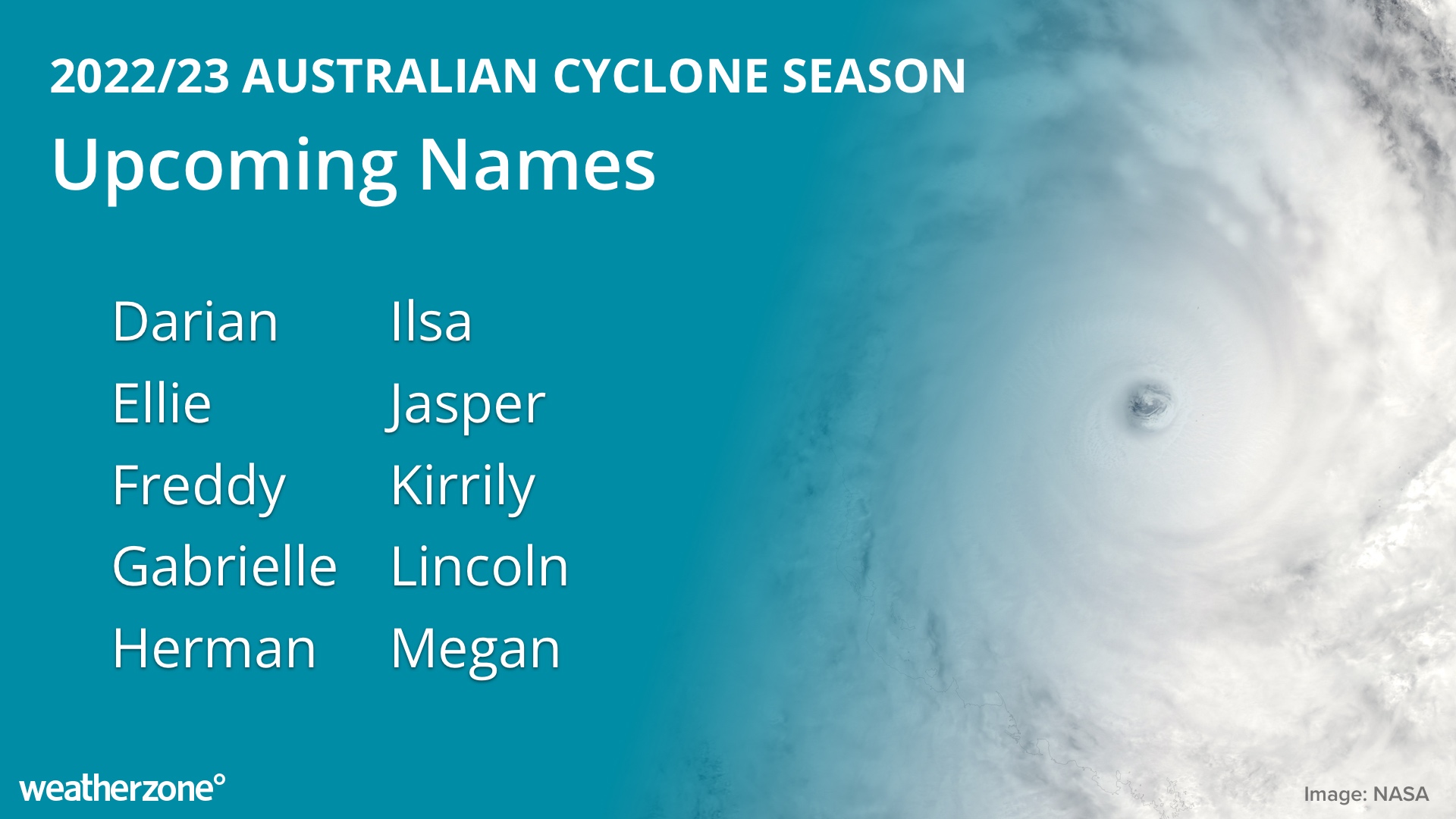
In 2026, the naming of individual storms (e.g., "Hurricane Alberto" or "Typhoon Beryl") is managed by the WMO. These names are not "other names for a cyclone" in a generic sense, but specific identifiers used to prevent confusion when multiple storms are active at once.
The use of human names began in the mid-20th century to replace the cumbersome latitude-longitude identification system. Today, there are six rotating lists of names for the Atlantic and Northeast Pacific. If a storm is particularly deadly or costly, its name is "retired" from the list out of sensitivity and for historical record-keeping purposes.
For the 2026 season, the Atlantic names include:
- Alberto
- Beryl
- Chris
- Debby
- Ernesto
- Francine
The National Hurricane Center (NHC) emphasizes that regardless of whether the media calls it a "monster storm," a "tropical system," or a "cyclone," the official warnings (Watches and Warnings) are what the public should follow.
Common Misconceptions and Troubleshooting Terms
One of the biggest hurdles in understanding "another name for a cyclone" is the overlap with other weather events.
- Cyclone vs. Tornado: A cyclone is a massive weather system hundreds of miles wide that lasts for days or weeks. A tornado is a small, intense vortex (often spawned by a mesocyclone) that is rarely more than a mile wide and usually lasts only minutes.
- Cyclone vs. Anticyclone: An anticyclone is the opposite of a cyclone. It is a high-pressure system where air sinks and spreads outward. Anticyclones generally bring fair, clear weather, whereas cyclones bring storms.
- "The Cyclone" (Amusement Parks): In some contexts, particularly in the United States, "The Cyclone" is a famous name for roller coasters (notably the Coney Island Cyclone). This often appears in search results but is unrelated to meteorology.
FAQ: Frequently Asked Questions
Is a "cyclone" the same as a "tornado"?
No. While both involve rotating air, a cyclone is a large-scale atmospheric system (like a hurricane) that can be hundreds of miles wide. A tornado is a much smaller, more violent column of air in contact with the ground, typically less than a mile wide. Tornadoes are often produced inside the outer rain bands of a cyclone.
Why do some people call them "willy-willies"?
"Willy-willy" is an old Australian term that was historically used for tropical cyclones. However, in modern usage, it almost always refers to a dust devil—a small, non-threatening whirlwind over dry land. Using it to describe a major hurricane-strength storm is considered outdated.
Can a storm be both a hurricane and a typhoon?
Yes, but not at the same time. If a hurricane in the Northeast Pacific moves across the International Date Line into the Northwest Pacific, its designation changes from "hurricane" to "typhoon." This happened with storms like Hurricane/Typhoon Ioke and Hurricane/Typhoon Genevieve.
What is a "tropical depression"?
A tropical depression is an early stage of a cyclone. It is a tropical system with organized circulation and sustained winds of less than 39 mph. Once winds exceed 39 mph, it becomes a "tropical storm" and is given a name. Once it hits 74 mph, it becomes a hurricane, typhoon, or cyclone depending on the location.
What is the most "scientific" name for these storms?
The most accurate, all-encompassing scientific term is tropical cyclone. This term covers hurricanes, typhoons, and the cyclones of the Indian Ocean without regional bias.
Practical Recommendation for 2026
When searching for information or preparing for a storm, always use the terminology of your local national meteorological service. If you are in the United States or Caribbean, focus on "Hurricane" alerts from the NHC. If you are in Southeast Asia, look for "Typhoon" updates from the Japan Meteorological Agency (JMA) or the Joint Typhoon Warning Center (JTWC).
For researchers and students, using the term "tropical cyclone" in academic databases will provide the most comprehensive results, as it is the standard term used in peer-reviewed atmospheric science journals. Always verify the current year's naming list and intensity scales, as these are occasionally updated by international committees to reflect changes in climate patterns and communication needs.