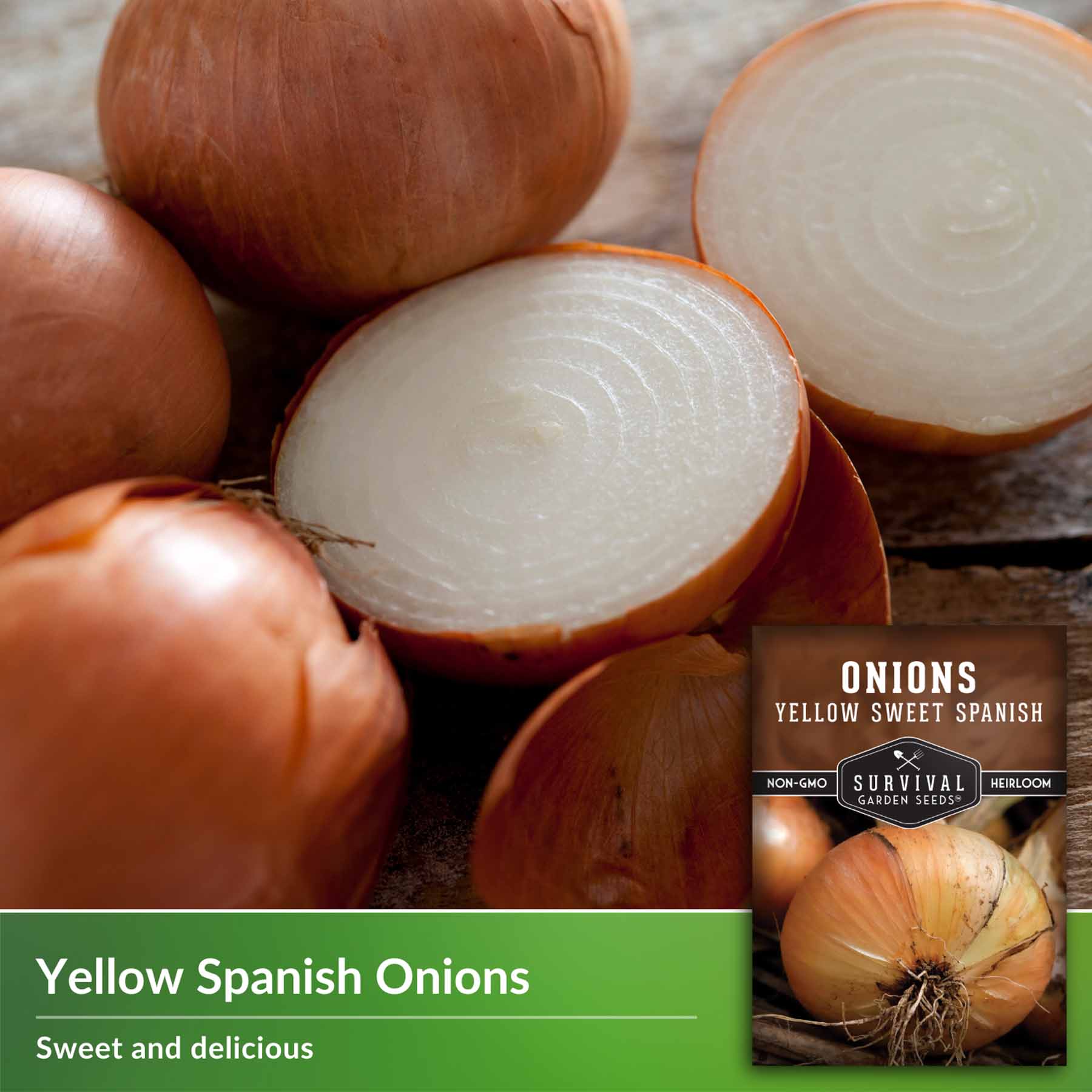
The most common alternative name for a Spanish onion is the yellow onion. In many grocery stores and culinary contexts, the terms are used interchangeably, though "Spanish onion" specifically refers to a large, slightly sweeter, and milder subspecies of the common yellow globe onion. In the United Kingdom and parts of the Commonwealth, they are frequently referred to as brown onions.
Understanding the nuances of onion nomenclature is essential for both home cooks and professional chefs. While the "Spanish" label suggests a specific geographic origin, in the modern global produce market of 2026, it serves more as a descriptor of size, flavor profile, and storage capability. This article explores the various names, botanical characteristics, and culinary applications of this kitchen staple to help you navigate the produce aisle with confidence.
Defining the Spanish Onion: Botanical and Culinary Identity
The Spanish onion belongs to the species Allium cepa. Within this species, there are hundreds of cultivars, but they are generally grouped by skin color (yellow, red, or white) and day-length sensitivity (short-day, intermediate-day, or long-day). The Spanish onion is a long-day variety, meaning it requires 14 to 16 hours of daylight to trigger bulb formation. This makes them ideal for cultivation in northern latitudes.
Technically, the "Spanish" onion is a type of yellow onion that has been bred for a larger size and a milder flavor than the standard pungent yellow storage onion. While a standard yellow onion might be the size of a baseball, a true Spanish onion often reaches the size of a softball or larger. Their skins are usually a lighter, more golden-copper hue compared to the dark, papery brown of smaller storage onions.
Physical Characteristics
- Size: Large to extra-large (often labeled as "Jumbo" or "Colossal" in wholesale markets).
- Shape: Round to slightly oval.
- Skin: Multiple layers of papery, copper-colored skin.
- Flesh: Off-white to pale yellow with thick, succulent layers.
- Flavor: Mild to medium pungency with a distinct underlying sweetness.
Because of their higher water and sugar content compared to smaller yellow onions, Spanish onions are less "hot" when eaten raw. This makes them a versatile "bridge" onion—strong enough to hold up to long cooking times but mild enough to be used in salads or sandwiches if sliced thinly.
Regional Naming Conventions
The name you find on a grocery store shelf depends heavily on where you are in the world. As global supply chains have evolved, the terminology has shifted to prioritize color or use-case over historical origins.
The "Yellow Onion" in North America
In the United States and Canada, "yellow onion" is the umbrella term. If a recipe calls for a Spanish onion, an American cook will almost always reach for a large yellow onion. In many supermarkets, the bins are simply labeled "Yellow Onions," while the larger individual specimens may be stickered as "Spanish Sweets." According to the National Onion Association, yellow onions make up about 87% of the onion production in the United States, with a significant portion of those being the Spanish-type cultivars.
The "Brown Onion" in the UK and Oceania
In the United Kingdom, Australia, and New Zealand, the term "Spanish onion" is occasionally used, but "brown onion" is the standard nomenclature. If you are following a British recipe that asks for a large brown onion, you are looking for the equivalent of a Spanish onion. In these regions, "Spanish onion" is sometimes reserved specifically for the very large, mild imports from Spain, whereas "brown onion" refers to the local domestic crop.
Specialized Culinary Names
In wholesale environments and professional kitchens, you might hear Spanish onions referred to by their specific size grades. These include:
- Jumbo: 3 to 4 inches in diameter.
- Colossal: Over 3.75 inches in diameter.
- Super Colossal: 4 inches and up.
Why Is It Called a "Spanish" Onion?
The name "Spanish onion" is a relic of 19th-century trade routes and agricultural specialization. Historically, Spain was known for producing onions that were significantly larger and milder than those grown in Northern Europe or the early American colonies. These onions were a luxury import in the UK and the US, prized for their ability to be roasted whole or eaten raw without the overwhelming "burn" associated with smaller, more sulfurous varieties.
The most famous cultivar associated with this name is the 'Valencia' or 'Grano' type. In the early 20th century, Western US states—particularly Idaho, Oregon, and Washington—began growing these Spanish varieties on a massive scale. The volcanic soil and long summer days of the Pacific Northwest proved perfect for these long-day onions. Today, the "Spanish" label is more of a stylistic designation than a certificate of origin; an "Idaho-Eastern Oregon Spanish Onion" is a legally protected designation for onions grown in that specific region that meet high quality and size standards.
Distinguishing Spanish Onions from Other Varieties
To understand the Spanish onion, it is helpful to compare it to the other primary members of the onion family. While they are all Allium cepa, their chemical compositions and culinary behaviors differ significantly.
Spanish vs. Yellow Storage Onions
Standard yellow storage onions are the workhorses of the kitchen. They are smaller, have more layers of tougher skin, and contain a higher concentration of pyruvic acid. This acid is what makes you cry when you chop them and gives them their sharp, pungent "bite." Spanish onions are essentially the "gentle giants" of the yellow onion family. They have lower sulfur content, which results in a milder flavor and fewer tears during prep.
Spanish vs. White Onions
White onions have an all-white skin and flesh. They are generally crunchier and have a sharper, cleaner "zing" than Spanish onions. While Spanish onions turn sweet and golden when cooked, white onions tend to maintain a bit more of their sharpness. White onions are the standard in Mexican cuisine, whereas Spanish/yellow onions are the standard for European and American "base" cooking (like mirepoix or Holy Trinity).
Spanish vs. Sweet Onions
This is the most common area of confusion. Sweet onions (such as Vidalia, Walla Walla, or Maui) are a separate category. While Spanish onions are "mild," true sweet onions have even lower sulfur levels and higher sugar content.
- Spanish Onions: Can be stored for months. They have enough pungency to survive long braises.
- Sweet Onions: Have a very short shelf life due to high water content. They are best eaten raw and will almost "disappear" or turn mushy if cooked for too long.
Culinary Applications and Cooking Techniques
The Spanish onion's unique balance of mildness and structural integrity makes it one of the most versatile ingredients in the 2026 kitchen. Unlike a pungent storage onion that can overwhelm a dish, or a sweet onion that lacks depth when heated, the Spanish onion performs well across all temperatures.
Caramelization and the Maillard Reaction
Because Spanish onions have a higher natural sugar content than standard yellow onions, they are the gold standard for caramelization. When cooked slowly over low heat, the enzymes break down the complex carbohydrates into simple sugars, which then undergo the Maillard reaction. This produces the deep, jammy, savory-sweet flavor essential for French Onion Soup or onion jam.
Roasting and Stuffing
Their large size makes them ideal for "stuffing." A common culinary technique involves hollowing out a large Spanish onion, par-boiling it, and filling it with a mixture of sausage, breadcrumbs, and herbs before roasting. The thick walls of the Spanish onion hold their shape even when softened by the oven's heat.
Frying: The "Bloomin' Onion" and Onion Rings
If you have ever had a "Bloomin' Onion" or extra-large gourmet onion rings, you were likely eating a Spanish onion. Their massive diameter allows for those iconic large rings, and their relatively low moisture (compared to sweet onions) ensures that the batter stays crispy rather than becoming soggy from steam.
Raw Use
While many chefs prefer red onions for raw applications because of their color, a thinly sliced Spanish onion is an excellent choice for sandwiches, burgers, or salads where you want the flavor of onion without the lingering aftertaste that can last for hours. Soaking the slices in ice water for 10 minutes further reduces any remaining pungency.
Nutritional Profile and Health Benefits
Beyond their culinary utility, Spanish onions are nutrient-dense. Like all alliums, they contain organosulfur compounds, which have been studied for their potential anti-inflammatory and heart-health benefits.
| Nutrient (per 100g raw) | Amount |
|---|---|
| Calories | 40 kcal |
| Vitamin C | 7.4 mg (12% DV) |
| Vitamin B6 | 0.1 mg (5% DV) |
| Folate | 19.0 mcg (5% DV) |
| Potassium | 146 mg (4% DV) |
| Manganese | 0.1 mg (6% DV) |
| Fiber | 1.7 g |
Spanish onions are particularly high in quercetin, a powerful flavonoid antioxidant. Quercetin is concentrated in the outer layers of the onion flesh, so it is often recommended to peel away as little of the usable onion as possible to retain these health benefits.
Comparison Table: Onion Varieties at a Glance
| Onion Type | Alternate Names | Flavor Profile | Best Used For | Shelf Life |
|---|---|---|---|---|
| Spanish | Yellow Onion, Brown Onion | Mild, sweet, versatile | Caramelizing, frying, roasting | Long (3–6 months) |
| Yellow Storage | Cooking Onion | Pungent, sharp | Soups, stews, long braises | Very Long (6 months+) |
| White | Mexican Onion | Sharp, clean, crunchy | Salsa, stir-fry, raw garnishes | Moderate (2 months) |
| Red | Purple Onion | Spicy, peppery | Salads, pickling, grilling | Moderate (2–3 months) |
| Vidalia | Sweet Onion | Very sweet, watery | Raw on burgers, onion petals | Short (4–6 weeks) |
Selection and Storage Guidelines for 2026
When shopping for Spanish onions, the criteria for quality remain consistent. Look for bulbs that feel heavy for their size, which indicates high moisture content and freshness. The neck of the onion should be tight and dry; a soft or "spongy" neck is a sign of internal rot. The skin should be papery and brittle, not damp or showing signs of black mold (Aspergillus niger).
Storage Best Practices
To maximize the lifespan of a Spanish onion, follow these rules:
- Keep it Dark and Dry: Light and moisture are the enemies of onions. A pantry or a cellar is ideal.
- Air Circulation: Never store onions in a plastic bag. They need to breathe. Use a mesh bag or a wire basket.
- Temperature: Aim for 45°F to 55°F (7°C to 13°C). Do not refrigerate whole onions, as the cold, humid environment converts their starch to sugar and causes them to soften and spoil quickly.
- Avoid Potatoes: Do not store onions and potatoes together. Potatoes release moisture and ethylene gas that will cause onions to sprout and rot.
If you have used only half a Spanish onion, the remaining portion should be wrapped tightly in plastic wrap or stored in an airtight container in the refrigerator and used within 7 days.
Frequently Asked Questions
Can I substitute a regular yellow onion for a Spanish onion?
Yes. In almost every recipe, a standard yellow onion is a perfectly acceptable substitute for a Spanish onion. The main difference will be the intensity of the flavor; the yellow onion will be slightly more pungent, so you may want to use slightly less if the recipe calls for the onion to be raw. If cooking, the difference is negligible.
Why do Spanish onions cause fewer tears than white onions?
Tearing is caused by the release of syn-propanethial-S-oxide, a volatile gas produced when onion cells are ruptured. This gas reacts with the water in your eyes to form a mild sulfuric acid. Spanish onions are bred to have lower levels of the enzymes and sulfur compounds that create this gas, making them "gentler" on the eyes.
Are Spanish onions the same as "Sweet" onions?
No. While Spanish onions are milder than storage onions, they still have enough pungency to be considered a "cooking onion." Sweet onions like Vidalias have much higher sugar and lower sulfur levels. You can use a sweet onion in place of a Spanish onion in raw dishes, but the sweet onion may not hold its flavor as well in a slow-cooked stew.
Is a Spanish onion the same as a Red onion?
No. Red onions (sometimes called purple onions) have a distinct peppery flavor and a vibrant color. While they are similar in pungency to a Spanish onion, their color will bleed into a dish when cooked, often turning grey or murky. Spanish onions are preferred when you want the onion to disappear into a golden-brown sauce or soup.
Where can I buy authentic Spanish onions?
In 2026, most "Spanish" onions in North American supermarkets are grown in Idaho, Oregon, or Washington. To find imported onions specifically from Spain, you may need to visit a high-end specialty grocer or an international market. However, domestic Spanish-style onions are widely considered to be of equal culinary quality.
Final Recommendation
When a recipe calls for a Spanish onion, remember that you are looking for a large yellow onion. Its versatility makes it a staple that can handle everything from a delicate raw garnish to a robust, slow-cooked base. If you cannot find one specifically labeled "Spanish," choose the largest, most attractive yellow onion in the bin. By focusing on the physical characteristics—heavy weight, tight skin, and large size—you will ensure your dish has the perfect balance of sweetness and savory depth that this variety is famous for.