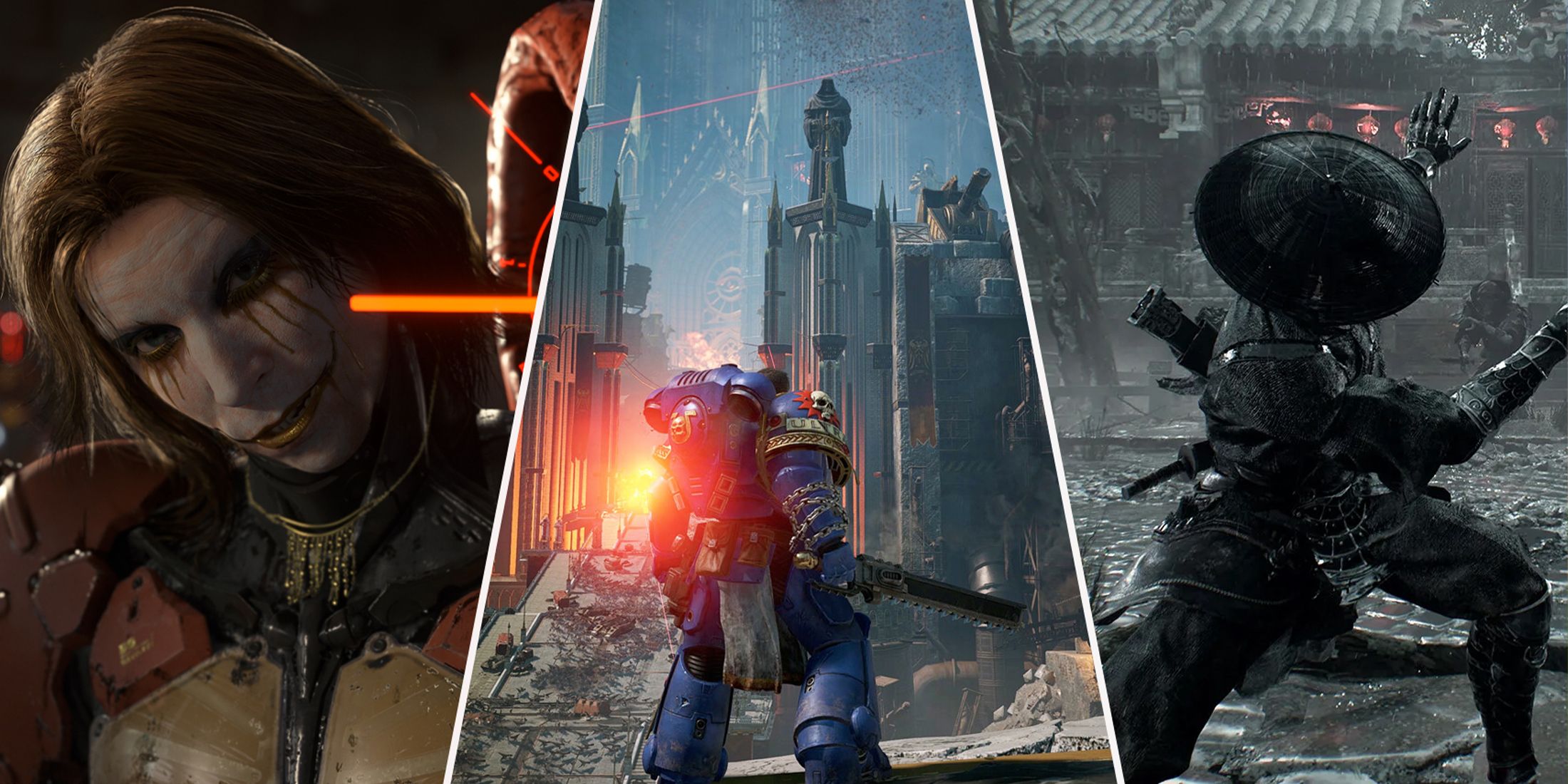
The 2025 video game release calendar was defined by a shift toward high-fidelity sequels, the maturation of long-gestating live-service titles, and a surge in high-budget remakes. Examining this period provides critical context for current gaming trends, hardware performance expectations, and the evolving release strategies employed by major publishers to navigate an increasingly saturated digital marketplace.
The Landscape of 2025 Gaming
The year 2025 functioned as a pivotal juncture for the ninth generation of consoles. By this point, the hardware installed base for the PlayStation 5 and Xbox Series X|S reached a level of market penetration where developers could confidently target "current-gen only" development cycles. This transition largely signaled the end of cross-generational support, where titles were simultaneously developed for older platforms like the PlayStation 4 and Xbox One.
Publishers prioritized "safe" bets, focusing on established intellectual properties (IP) with built-in fanbases. While this strategy minimized financial risk, it also created a year marked by high production values and predictable gameplay loops. The calendar highlights were characterized by a mix of long-awaited sequels that had faced production delays and remakes that leveraged updated proprietary engines to modernize classic titles.
Key Releases and Industry Impact
Several titles from 2025 set the benchmark for technical performance and narrative scope. Understanding these releases is essential for evaluating the current state of software development.
Major Titles and Development Trends
- Grand Theft Auto VI (Initial Rollout Phases): While the marketing and staggered release windows for Rockstar Games' flagship title dominated the fiscal landscape, it functioned as the anchor for the entire industry’s revenue cycle throughout 2025.
- Sequel Dominance: Major franchises such as Borderlands 4 and Death Stranding 2: On the Beach moved from speculative announcements to finalized release windows, demonstrating that major studios are increasingly relying on multi-year development cycles to ensure stability at launch.
- Remakes and Remasters: The industry saw a notable increase in the refurbishment of mid-2000s titles. Using tools like Unreal Engine 5, studios were able to maintain "remastered" status while offering performance profiles that often rivaled native 2025 releases.
Technical Specifications and Hardware Demands
As 2025 progressed, the minimum system requirements for PC gaming rose significantly. The adoption of technologies like NVIDIA’s DLSS 3.5 and AMD’s FSR 3 became standard, rather than optional, for achieving target framerates at 4K resolutions. This shift indicates that developers are increasingly utilizing AI-assisted upscaling to offset the heavy computational load of ray-traced lighting and complex physics simulations.
For console players, the 2025 calendar marked the peak performance era for the base models of the current generation. Titles released late in the year required more aggressive dynamic resolution scaling (DRS) to maintain 60 FPS performance, suggesting that we are approaching the technical ceiling of existing console hardware.
Comparative Overview of Release Categories
The following table categorizes the primary types of releases seen during the 2025 window, highlighting their strategic role in the market.
| Release Category | Primary Audience | Strategic Goal | Technical Focus |
|---|---|---|---|
| AAA Sequels | Core Gamers | Ecosystem Lock-in | Fidelity & Scale |
| Remakes | Nostalgia/New Users | Risk Mitigation | Asset Modernization |
| Indie/AA Titles | Niche/Specialized | Brand Innovation | Stylistic Unique Selling Point |
| Live-Service Updates | Engaged Communities | Recurring Revenue | Content Cadence |
Operational Challenges and Industry Disruptions
The 2025 release cycle was not without friction. One of the most significant challenges was the prevalence of "Day One" patch requirements. Because of the complexity of modern engines, many titles were released in a state that required a substantial initial download to address stability issues. This practice became a standard operational procedure rather than an anomaly.
Furthermore, the industry saw an increased emphasis on regional pricing adjustments. Due to fluctuating global economic conditions in 2025, publishers implemented more rigid pricing structures, often setting a $70 USD baseline for premium titles. This shift caused a significant divide between budget-conscious consumers and the premium, early-adopter segment.
The Role of Subscription Services
By 2025, services like Xbox Game Pass and PlayStation Plus had fundamentally altered the "release calendar" concept. Instead of a title living or dying by its initial retail sales, many games were strategically launched on subscription platforms to build an immediate player base. This approach ensured that games had a high concurrent user count, which is vital for multiplayer-focused titles or games with long-term seasonal content plans.
Frequently Asked Questions
Why were so many games in 2025 released with large day-one updates?
Modern game development involves such vast, interconnected files that code finalization often occurs mere days before the physical disc production or digital upload. The "Day One" update is the result of developers fixing critical bugs identified in the time between the "gold master" (the version sent for manufacturing) and the public release.
Was 2025 a better year for original IP or sequels?
Statistically, 2025 was heavily weighted toward sequels and established franchises. While original intellectual properties were released, they were rarely the primary drivers of market revenue. Publishers viewed sequels as a safer investment given the rising costs of development.
How did AI upscaling affect performance in 2025?
AI-assisted upscaling became a core component of game performance. By rendering the game at a lower internal resolution and using machine learning to reconstruct the image to 4K, developers could include higher-fidelity geometry and lighting effects that would otherwise be impossible to render at high framerates on standard hardware.
Did physical media play a significant role in 2025?
While digital distribution continued to grow, physical media remained a vital, albeit secondary, component of the 2025 release landscape, particularly for collectors and regions with limited high-speed internet infrastructure. However, the number of "digital-only" releases continued to climb.
How do I verify if my hardware can run a title released in 2025?
To verify compatibility, you should always cross-reference your specific GPU and CPU against the official "Recommended" (not just "Minimum") system requirements listed on the game's official website or storefront page. Always ensure your graphics drivers are updated to the latest version released by the manufacturer.
Practical Next Steps for Players
If you are currently looking into games from the 2025 catalog, your best approach is to check the current patch status of the game. Because 2025 titles were heavily reliant on iterative updates, a game that performed poorly at launch may be significantly more stable today.
- Check Patch Notes: Visit the official developer portal for the specific game to see if major optimization patches have been issued since release.
- Evaluate Hardware Headroom: If you are playing on a PC, monitor your usage statistics using standard overlay tools. If your CPU or GPU is near 100% capacity, consider adjusting shadow quality or ray-tracing settings to stabilize your framerate.
- Cross-Reference Reviews: Look for long-term reviews rather than initial "Day One" impressions. These will provide a more accurate account of the game’s current state and long-term content viability.
By focusing on the post-launch performance of these titles, you can ensure a more stable and enjoyable experience, avoiding the technical hurdles that plagued early adopters during the initial release windows.