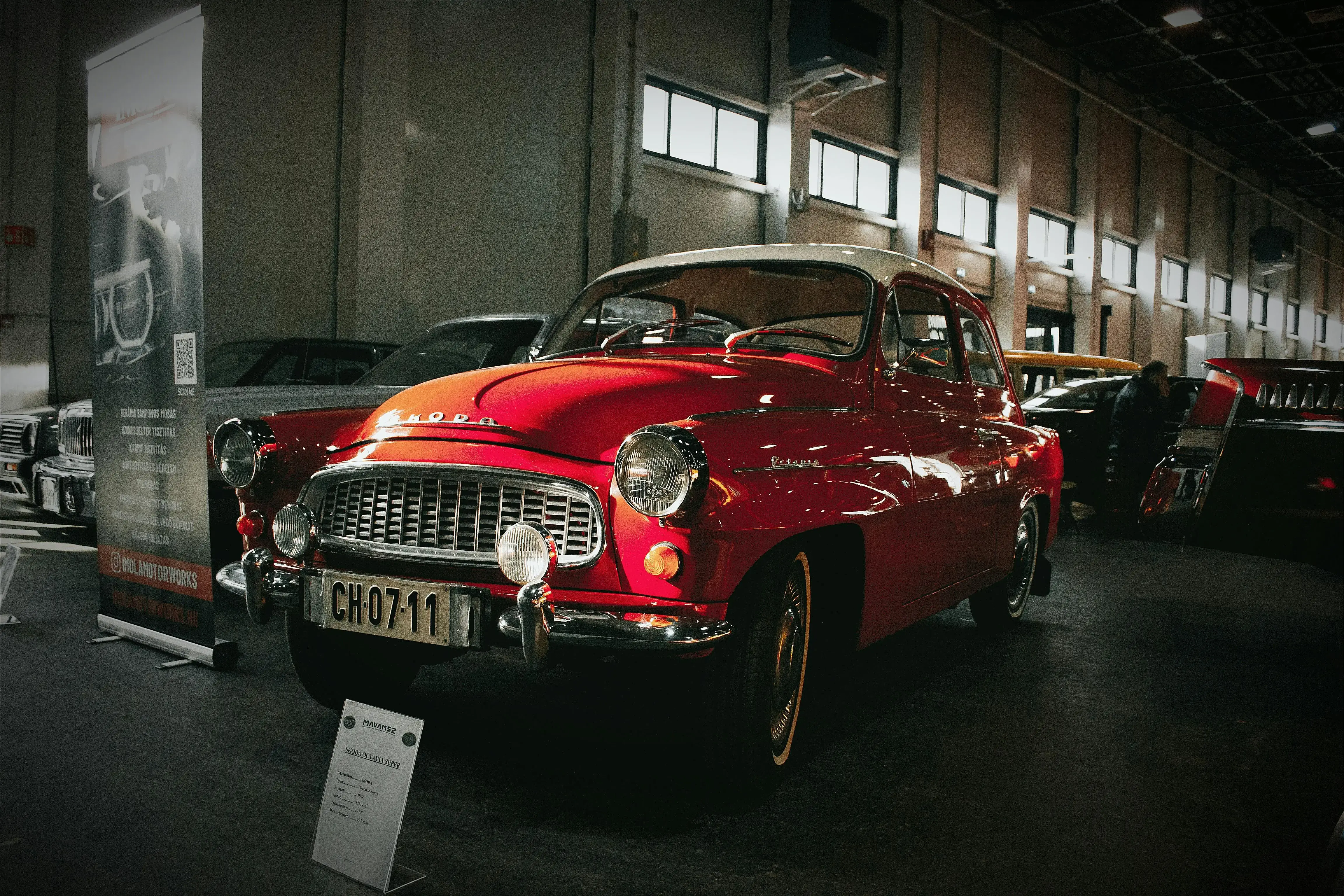
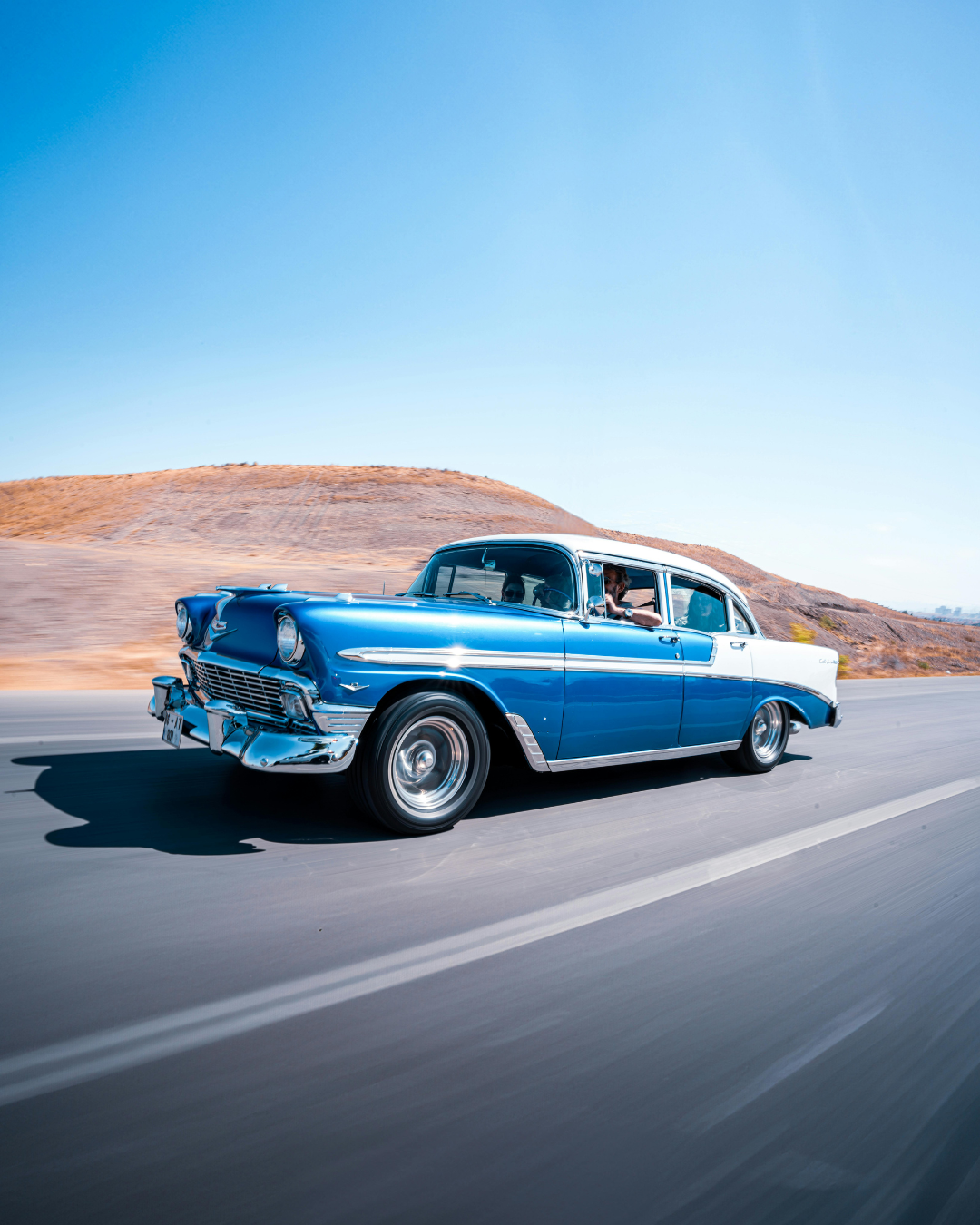
The presence of an Andre Worth photo in classic car collections represents a specific intersection of mid-century automotive journalism, fine-art photography, and vintage car archiving. These images document rare vehicles in their period settings, capturing mechanical details and aesthetic choices that define automotive history. Enthusiasts and researchers study these prints to verify coachbuilding details, period modifications, and the provenance of significant museum-grade automobiles.
Understanding the Role of Period Automotive Photography
Automotive photography serves as a primary historical record. Before the era of digital archives and ubiquitous smartphones, specialized photographers documented automobiles for manufacturing brochures, enthusiast magazines, and private portfolios. The work associated with photographers like Andre Worth often bridges the gap between commercial documentation and artistic interpretation.
In the context of classic car collections, these prints are not merely decorative elements. They function as historical documents. When a vintage car undergoes restoration, restorers frequently rely on period photographs to verify factory-correct finishes, accessory placements, and minor trim details that factory manuals omit. A verified print provides undeniable visual evidence of how a vehicle appeared during a specific decade.
Distinguishing Archive Prints from Modern Reproductions
Evaluating a classic car photograph requires distinguishing between vintage prints, modern restrikes, and digital reproductions. Collectors look for specific physical markers to verify authenticity:
- Paper Stock: Vintage photographic papers from the mid-20th century exhibit specific chemical compositions, fiber bases, and watermark signatures unique to manufacturers like Agfa, Kodak, or Ilford.
- Photographer Markings: Authentic prints often feature blind stamps, handwritten annotations on the reverse side, or original studio ink stamps indicating syndication or copyright ownership.
- Provenance Documentation: A verifiable chain of custody connecting the photograph to the photographer's estate, an established automotive magazine archive, or a recognized museum collection adds significant value.
Key Characteristics of Classic Car Collections
Classic car collections vary widely in scope, ranging from private multi-million-dollar garages housing coachbuilt European exotics to public museums dedicated to domestic muscle cars and historical workhorses. Regardless of the specific niche, curators and collectors integrate archival photography into their display strategies to provide context for the physical machinery.
When a photograph by Andre Worth appears within these collections, it is typically chosen to complement a specific vehicle model or to highlight an era of automotive design. For instance, a vintage print capturing a pre-war Duesenberg or a post-war Mercedes-Benz 300SL in a period streetscape offers viewers a glimpse of the social environment that shaped the car's existence.
Preservation Standards for Automotive Prints
Photographic prints housed alongside valuable automobiles face unique environmental challenges. Maintaining collection-grade prints requires adherence to strict conservation protocols:
- Light Exposure: Ultraviolet and high-intensity visible light cause fading and chemical degradation in silver gelatin and chromogenic prints. Archival framing must incorporate UV-filtering glazing.
- Climate Control: Fluctuations in relative humidity and temperature can warp paper stocks, encourage mold growth, and accelerate emulsion cracking. Ideal storage environments maintain a stable temperature between 65°F and 70°F with relative humidity kept between 30% and 40%.
- Handling Procedures: Curators use cotton or nitrile gloves to prevent skin oils from damaging delicate photographic emulsions during transport and installation.
Comparison of Archival Media in Automotive Collections
Automotive history is preserved through various media formats. Understanding how photographic prints compare to other archival resources helps researchers contextualize their findings.
| Media Type | Primary Use | Preservation Challenges | Research Value |
|---|---|---|---|
| Vintage Photographic Prints | Visual documentation, artistic display | Fading, emulsion cracking, light sensitivity | High (primary visual evidence) |
| Factory Build Sheets & Manuals | Technical specifications, restoration reference | Paper degradation, ink fading, loss of pages | High (mechanical accuracy) |
| Period Periodicals & Magazines | Contextualizing automotive culture, advertising history | Poor paper quality (newsprint), acid yellowing | Moderate to High (social context) |
| Digital Scans & Microfilm | Remote access, broad distribution, backup | File format obsolescence, resolution limitations | Moderate (convenience and searchability) |
Verification and Authentication Challenges
Authenticating a specific photographic work within a specialized genre involves rigorous cross-referencing. Because automotive photography archives were frequently dispersed among private collectors, estate sales, and publishing houses, tracing the origin of a print can be complex.
Researchers examining works attributed to Andre Worth within car collections typically consult trade publications, exhibition catalogs, and institutional archives. Verifying whether a print was published in a period journal helps establish a timeline and confirms the photographer's active working years. Furthermore, stylistic analysis—examining lighting techniques, composition choices, and printing methods—helps differentiate authentic period prints from later tributes or unauthorized copies.
Frequently Asked Questions
What makes photographic prints by period automotive photographers valuable to collectors?
Period photographic prints offer unedited visual documentation of automobiles in their original context. Unlike modern digital images or reprints, vintage prints serve as primary historical artifacts that can verify a car's condition, configuration, and history at a specific point in time.
How should vintage automotive photographs be stored in a private collection?
Vintage photographs require acid-free, lignin-free storage enclosures. They should be kept in climate-controlled environments away from direct sunlight, with relative humidity maintained between 30% and 40% to prevent mold and emulsion deterioration.
Can period photos help with classic car restorations?
Yes. Restorers frequently rely on period photographs to resolve debates regarding correct paint shades, interior stitching patterns, dashboard layouts, and factory-approved accessory installations that are not detailed in standard repair manuals.
Where can researchers find verified archives of mid-century automotive photography?
Researchers typically access verified archives through specialized automotive museums, university libraries with transportation history departments, and established private collections that maintain transparent provenance records.
Are all prints found in car collections considered original vintage works?
No. Many collections display modern restrikes, high-resolution digital reproductions, or licensed reprint editions for aesthetic and preservation purposes, reserving original vintage prints for specialized archival storage.
Practical Next Steps for Collectors and Researchers
For collectors seeking to acquire or verify archival automotive photography, establishing contact with established automotive historians and auction houses specializing in transport memorabilia is essential. Always request comprehensive provenance documentation before investing in high-value vintage prints. If you are curating a private collection, consult with a professional paper conservator to ensure your display and storage methods protect these fragile historical assets from environmental degradation.