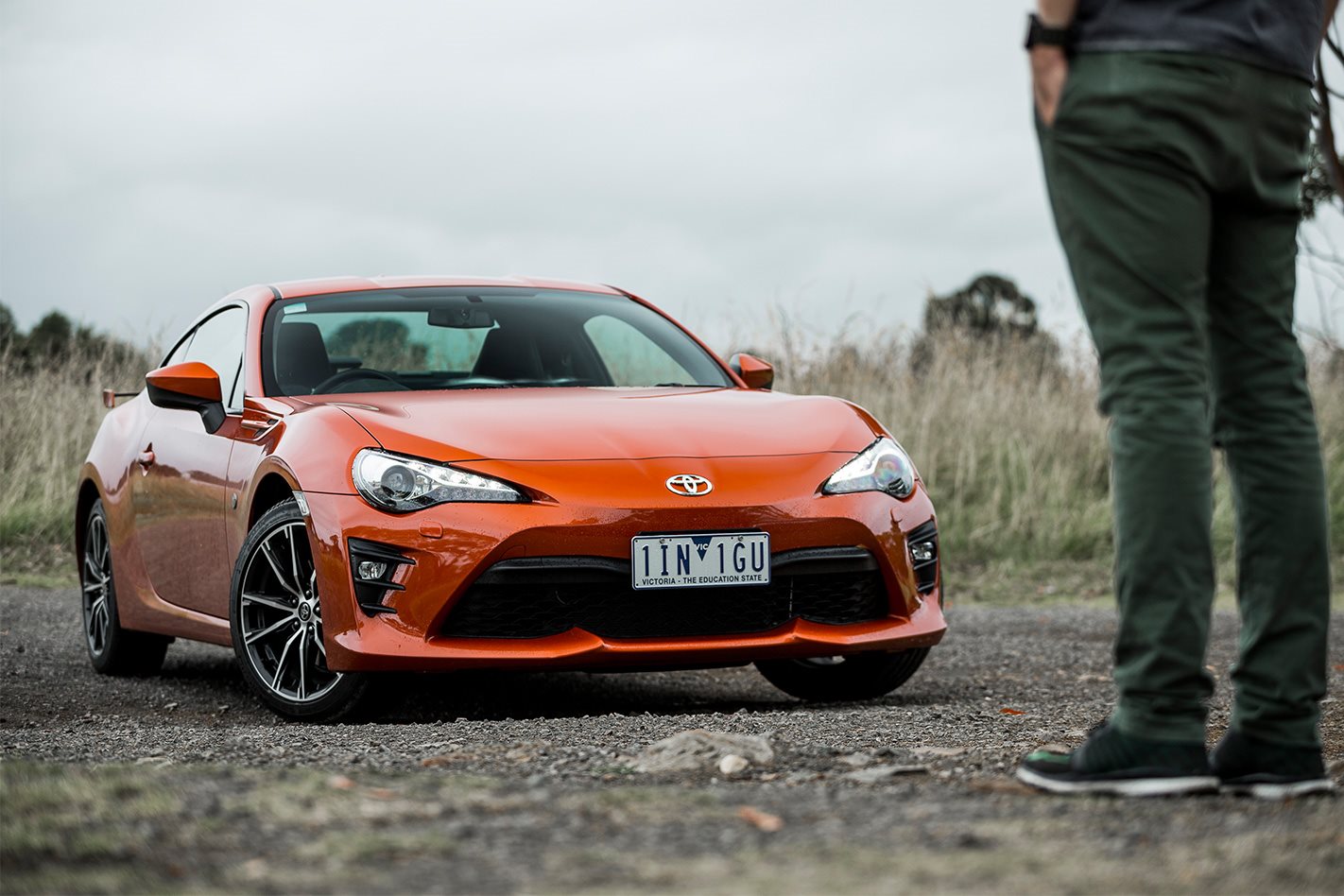
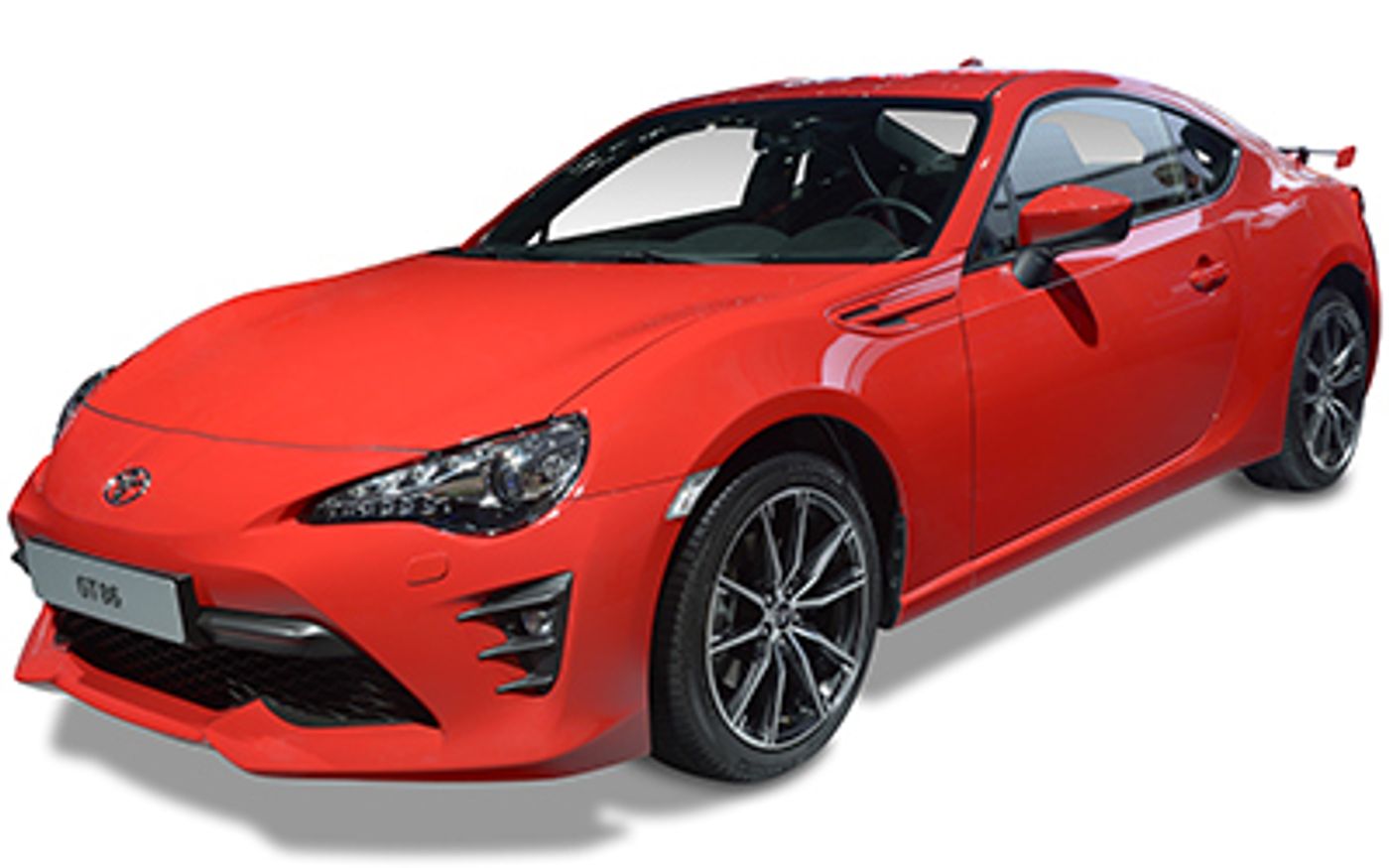
The 2017 Toyota 86 is generally considered a reliable sports car, benefiting from mechanical updates over its predecessor (the Scion FR-S) and a stout naturally aspirated Subaru boxer engine. While it requires attentive routine maintenance—particularly regarding spark plug changes, oil levels, and minor accessory belt inspections—it avoids catastrophic powertrain flaws when properly maintained and driven responsibly.
Introduction and Model Evolution
The year 2017 marked a significant pivot point for Toyota's compact rear-wheel-drive sports coupe. Originally launched for the 2013 model year under the Scion brand as the FR-S (and built in a joint venture with Subaru, which sold its twin as the BRZ), the vehicle was rebranded as the Toyota 86 for the 2017 model year following the discontinuation of the Scion marque. Alongside the badge engineering came a series of mid-cycle refresh updates designed to address early criticisms, sharpen handling dynamics, and improve mechanical refinement.
When evaluating the 2017 Toyota 86 reliability overview, prospective buyers, enthusiasts, and current owners must look past general automotive stereotypes. Sports cars are frequently subjected to hard driving, track days, and modified aftermarket setups, all of which heavily influence longevity. Understanding how the car's powertrain, electrical systems, and interior components hold up over time requires analyzing factory specifications, common wear items, and real-world owner experiences. This comprehensive breakdown examines every facet of the 2017 Toyota 86 to determine its long-term durability, maintenance requirements, and overall ownership costs.
Powertrain Engineering and Mechanical Durability
At the heart of the 2017 Toyota 86 lies the Subaru-sourced FA20 2.0-liter naturally aspirated horizontally opposed (boxer) four-cylinder engine. In manual transmission variants, this powerplant produces 205 horsepower and 156 lb-ft of torque, while automatic transmission models retain the earlier 200-horsepower and 151 lb-ft tune. The boxer configuration places the engine low in the chassis, contributing to an exceptional center of gravity and sharp handling characteristics, but it introduces specific structural and maintenance considerations.
Engine Block and Internals
The FA20 engine utilizes a closed-deck aluminum block with aluminum cylinder heads and Toyota's D-4S direct and port injection system. Unlike turbocharged variants found in later generations or competing performance cars, the naturally aspirated nature of the 2017 model reduces thermal stress on internal components. Under normal driving conditions, the rotating assembly, pistons, and connecting rods prove remarkably durable.
However, early iterations of this engine family (2013–2014) suffered from a notorious valve spring recall issue that could lead to catastrophic engine failure if improperly executed by technicians. Fortunately, by the 2017 model year, manufacturing processes at the Subaru plant had matured significantly, and the 2017 units generally avoided the factory metallurgical defects that plagued the earliest production runs.
Transmission and Drivetrain Options
Buyers of the 2017 Toyota 86 could choose between a six-speed manual transmission (Aisin TL70) and a six-speed automatic with paddle shifters (Aisin A960E).
- The Six-Speed Manual: Praised for its short, mechanical throws, the manual transmission is generally robust. Some owners report notchiness when the transmission fluid is cold, but switching to high-quality aftermarket gear oils often mitigates this behavior. The clutch assembly is a consumable item; its lifespan depends heavily on driving habits, but highway-heavy driving easily yields over 100,000 miles of service.
- The Six-Speed Automatic: Designed for smoother daily commuting while retaining manual control via steering wheel paddles, this unit is reliable if the fluid is changed according to severe-service intervals. It lacks the complex dual-clutch mechanisms found in heavier European sports cars, which translates to lower long-term replacement and repair risks.
Common Issues, Wear Items, and Maintenance Realities
No vehicle is completely immune to mechanical quirks, and the 2017 Toyota 86 has a well-documented footprint of routine maintenance items and minor quirks that owners should anticipate.
Oil Consumption and Monitoring
Like many high-compression naturally aspirated engines, the FA20 can consume small amounts of oil between changes, particularly if the car is regularly driven hard or tracked. Owners must check the oil dipstick regularly (at least every fuel fill-up or bi-weekly). Allowing oil levels to drop significantly can lead to starvation during high-G cornering, which remains the leading cause of premature engine failure in track-driven twins.
The "Cricket" Noise (High-Pressure Fuel Pump)
A common auditory quirk reported by many 2017 Toyota 86 owners is a high-pitched chirping sound resembling crickets coming from the engine bay at idle or low speeds. This noise originates from the mechanical high-pressure fuel pump used in the D-4S injection system. While annoying, it is generally considered a cosmetic acoustic artifact rather than a sign of imminent mechanical failure. Many owners have driven hundreds of thousands of miles with the chirp present without suffering engine damage.
Suspension and Bushing Wear
Because the 2017 Toyota 86 is a lightweight, handling-focused sports car, its suspension geometry relies on firm rubber bushings and precise ball joints. Over time—typically around 70,000 to 100,000 miles—factory control arm bushings and strut mounts can degrade, leading to wandering steering feel or clunking noises over bumps. Upgrading to polyurethane or OEM replacement components restores factory handling sharpness.
2017 Toyota 86 vs. Alternative Sports Coupes Reliability Comparison
When shopping for an affordable rear-wheel-drive sports car, buyers frequently compare the Toyota 86 to competitors like the Mazda MX-5 Miata (ND generation) and older used luxury or muscle coupes. The following table outlines how the 2017 Toyota 86 stacks up in key reliability and maintenance categories against its closest rivals.
| Feature / Metric | 2017 Toyota 86 | Mazda MX-5 Miata (ND) | Ford Mustang EcoBoost (2017) |
|---|---|---|---|
| Engine Type | 2.0L Boxer-4 (Naturally Aspirated) | 2.0L Inline-4 (Naturally Aspirated) | 2.3L Turbocharged Inline-4 |
| Common Powertrain Risks | Oil consumption, fuel pump chirp | Transmission gear durability (early ND1), soft top wear | Turbocharger longevity, coolant intrusion (head gasket) |
| Maintenance Complexity | Moderate (Boxer engine layout makes spark plugs difficult) | Low (Easy engine bay access, simple inline layout) | Moderate (Turbo plumbing, intercooler maintenance) |
| Average Annual Repair Cost | Low to Moderate ($400 - $650) | Low ($300 - $500) | Moderate to High ($500 - $800) |
| Aftermarket Modification Risk | High (Many are heavily modified and abused) | Moderate (Often driven by enthusiast hobbyists) | High (Tuned for high boost, risking block integrity) |
Purchasing a Used 2017 Toyota 86: Inspection and Verification
Because the 2017 Toyota 86 is a popular platform for car enthusiasts, drift hobbyists, and weekend track drivers, buying a used model requires rigorous due diligence. A clean cosmetic appearance does not guarantee a healthy mechanical baseline.
Inspecting for Modifications
Many 2017 Toyota 86 models on the secondary market feature aftermarket modifications ranging from simple cosmetic changes (wheels, spoilers) to performance alterations (headers, ECU tunes, lowered coilovers, forced induction kits).
- ECU Tunes: Check if the ECU has been flashed. Unlocked or poorly tuned ECUs can compromise engine reliability and invalidate remaining emission components.
- Headers and Exhaust: Aftermarket header replacements are common to eliminate the mid-range torque dip. Ensure the installation includes proper gaskets and tuning to prevent check-engine lights (CEL) related to oxygen sensor readings.
Verifying Service History
Request a comprehensive vehicle history report (such as CARFAX or AutoCheck) and demand physical receipts for all past maintenance. Pay special attention to oil change frequency. A sports car engine driven hard requires oil changes every 3,000 to 5,000 miles rather than the extended 10,000-mile intervals common in standard commuter economy cars. A pre-purchase inspection (PPI) performed by an independent mechanic familiar with Subaru boxer engines is strongly recommended before finalizing any purchase.
Frequently Asked Questions
Is the 2017 Toyota 86 a reliable daily driver?
Yes, the 2017 Toyota 86 can serve as a dependable daily driver provided the owner accepts its compromises: a firm ride, limited rear-seat space, and low ground clearance. Mechanically, its Toyota-backed electrical systems and naturally aspirated engine are durable enough for daily commuting, provided routine fluid checks are strictly maintained.
What are the major service milestones for the 2017 Toyota 86?
The most critical service milestone occurs around 60,000 miles, which involves inspecting accessory drive belts, replacing spark plugs (a challenging DIY task due to the tight boxer engine bay), changing manual transmission and differential fluids, and checking brake system integrity.
Does the 2017 Toyota 86 suffer from the same engine recall as the 2013-2014 models?
No. The 2013 and 2014 Scion FR-S models were subject to a major valve spring recall due to a manufacturing defect. By the 2017 model year, Subaru had resolved these metallurgical issues during factory assembly, meaning 2017 models do not share this specific recall vulnerability.
How does the 2017 Toyota 86 handle fuel economy during regular use?
Fuel economy is generally respectable for a sports car. EPA estimates place the manual transmission model at roughly 21 mpg city and 28 mpg highway, while the automatic variant achieves slightly better highway efficiency. Real-world fuel economy heavily reflects driving style; aggressive throttle application drops figures significantly.
Are replacement parts expensive for the 2017 Toyota 86?
Because the vehicle shares its mechanical architecture with the Subaru BRZ and utilizes mass-produced Toyota electrical components, replacement parts are widely available and reasonably priced. Routine wear items like brake pads, rotors, and filters cost similarly to standard compact sedans, keeping long-term maintenance costs manageable.
Conclusion and Final Ownership Recommendation
The 2017 Toyota 86 stands out as a rewarding, mechanically sound enthusiast car that bridges the gap between everyday usability and track-ready handling dynamics. While its boxer engine demands diligent oil monitoring and presents tight packaging challenges for DIY spark plug changes, its overall reliability is strong when uncompromised by poor modifications or neglected maintenance. Prospective buyers who verify service histories, steer clear of heavily abused examples, and commit to proactive fluid maintenance will find the 2017 Toyota 86 to be a dependable and deeply engaging machine.