The 2014 Toyota Prius V requires exactly 4.4 quarts (4.2 liters) of engine oil when changing the oil and replacing the oil filter. This specific hybrid wagon utilizes a 1.8-liter 4-cylinder engine (2ZR-FXE) that operates on the Atkinson cycle, making precise oil volume and viscosity selections vital for maintaining fuel efficiency and longevity.
Understanding the 2014 Toyota Prius V Powertrain
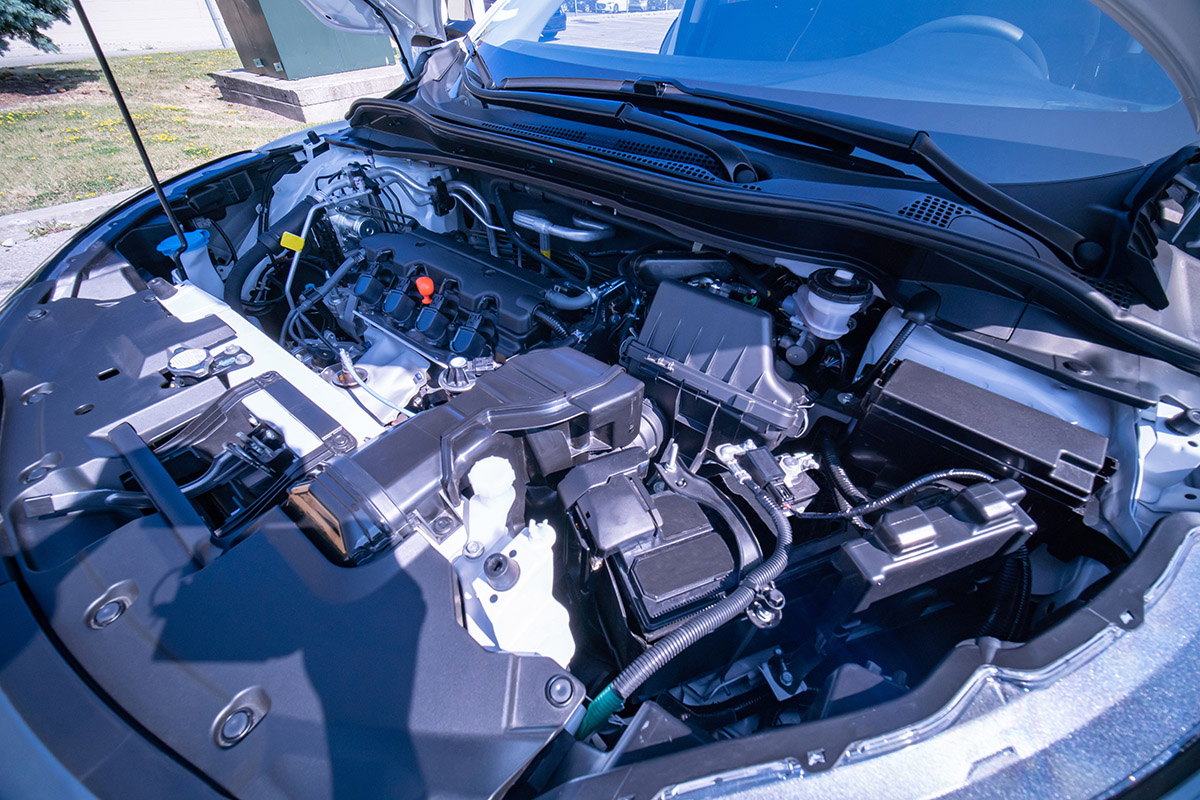
The 2014 Toyota Prius V (often referred to as the Prius v or Prius wagon) occupies a unique space in the automotive landscape. While it shares its core hybrid architecture with the standard third-generation hatchback, its larger, heavier body and maximized cargo capacity place different operational demands on its powertrain. Underneath the hood lies the 1.8-liter 2ZR-FXE dual overhead cam (DOHC) 16-valve VVT-i four-cylinder engine paired with Toyota’s Hybrid Synergy Drive.
Unlike traditional internal combustion vehicles that idle constantly, the Prius V engine frequently shuts down and restarts during stop-and-go driving. This start-stop behavior means the engine oil must provide immediate lubrication upon startup under varying temperature conditions. Knowing the correct oil capacity is only the first step; understanding the engineering requirements behind the lubrication system ensures the vehicle achieves its intended mechanical lifespan, which frequently exceeds 200,000 miles when properly maintained.
Exact Oil Capacity and Filter Replacement Guidelines
When performing a standard oil and filter change on a 2014 Prius V, the exact capacity is 4.4 US quarts (4.2 liters). This measurement assumes that the old oil filter has been completely removed and replaced with a fresh one.
Neglecting to replace the filter or failing to drain the system completely will alter the amount of fresh oil required. Mechanics and DIYers should always adhere to the following procedural workflow to avoid overfilling or underfilling the crankcase:
- Preparation and Warming: Run the engine for a few minutes to warm the oil, allowing it to flow more freely and suspend any particulate contaminants. Turn off the vehicle, engage the parking brake, and safely elevate the front end using automotive-grade jack stands or a hydraulic lift.
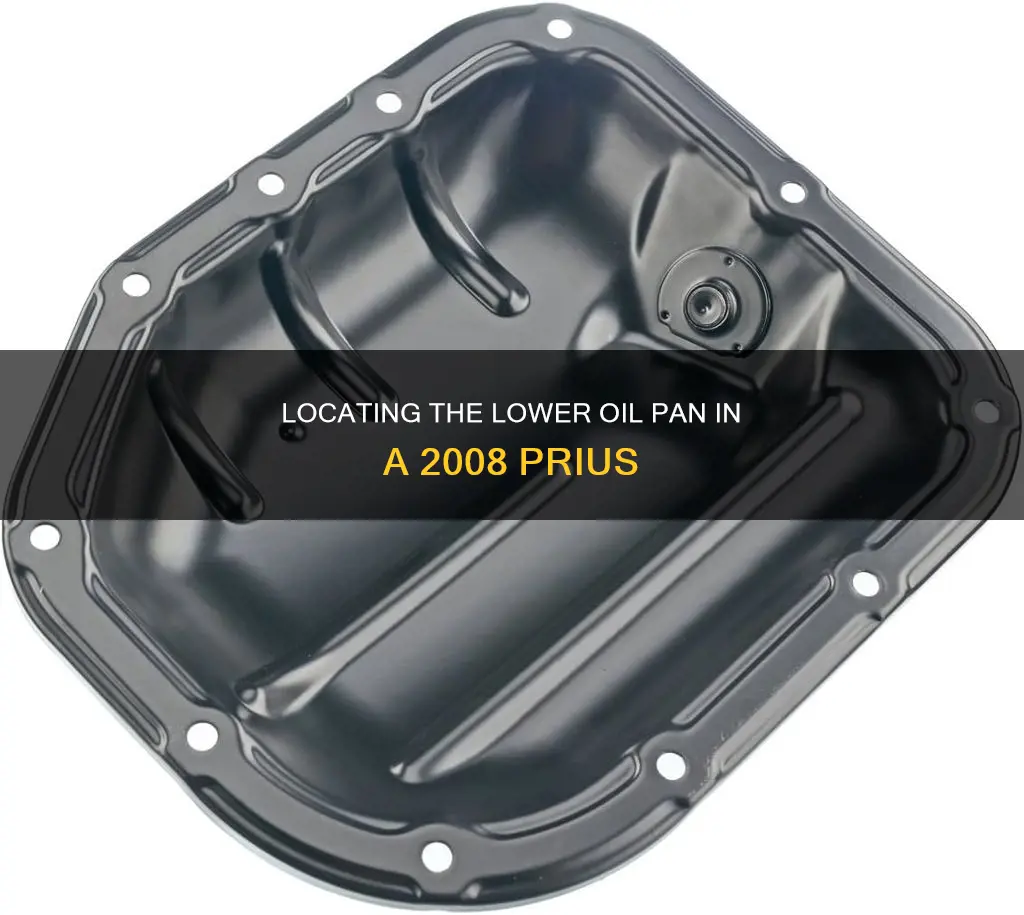
- Draining: Remove the under-engine splash shield to access the oil pan drain plug. Position a catch pan beneath the plug, remove the bolt, and allow the old oil to drain entirely. Inspect the drain plug washer and replace it if it shows signs of crushing or wear.
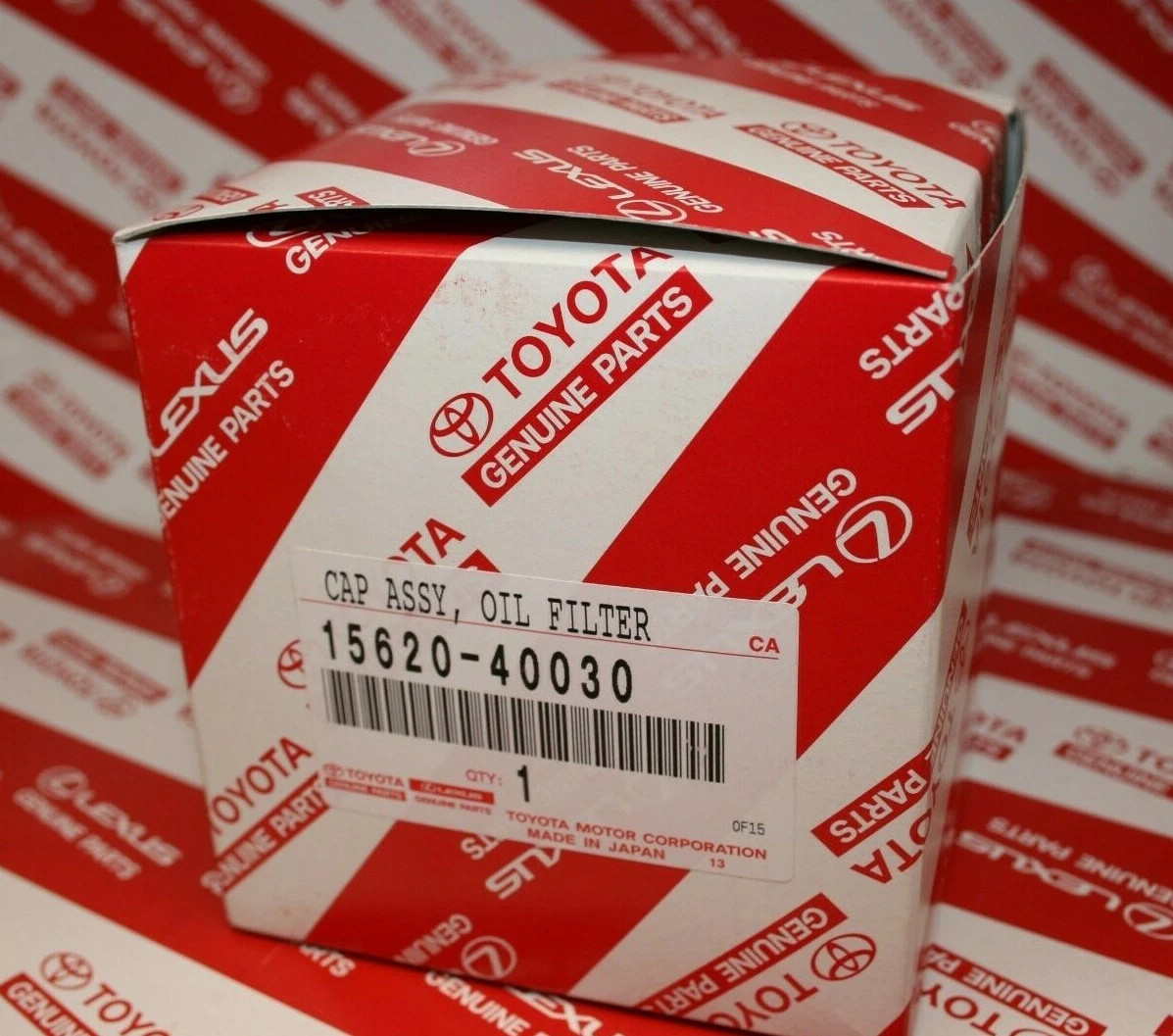
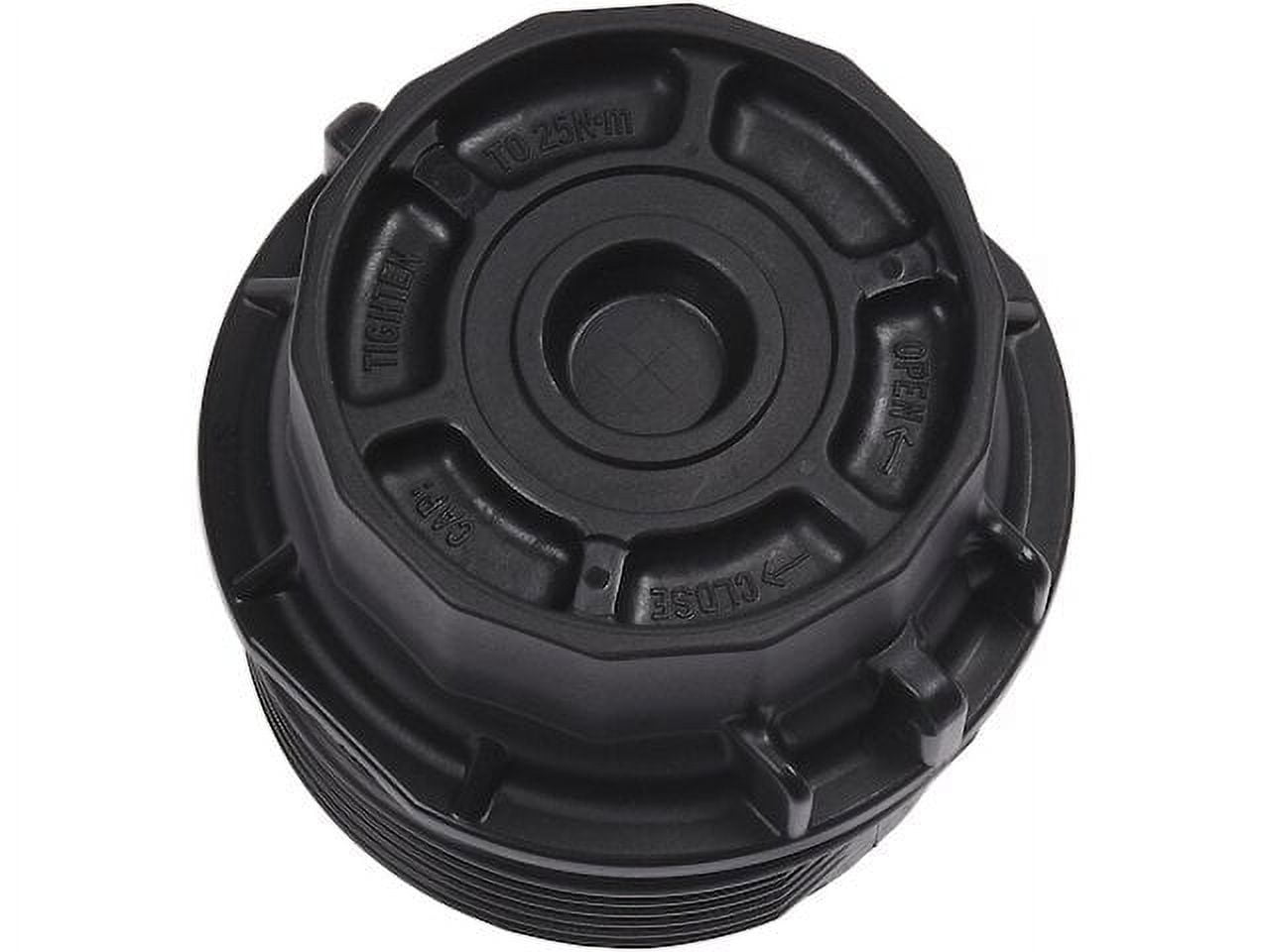
- Filter Housing Service: The 2014 Prius V uses a cartridge-style oil filter housed inside a reusable plastic or metal cap rather than a traditional spin-on metal canister. Unscrew the filter housing, drain the residual oil, discard the old paper filter element, and replace the O-rings on the housing cap with the new ones provided in your filter kit.
- Torquing and Refilling: Reinstall the drain plug and torque it to factory specifications. Reinstall the filter housing assembly and tighten it securely. Remove the oil filler cap under the hood and pour in approximately 4.0 quarts of fresh oil.
- Level Verification: Start the engine briefly to fill the new oil filter housing, turn it off, wait five minutes for the oil to settle back into the pan, and check the dipstick level. Top off gradually until the oil level reaches the full mark, typically bringing the total volume right to 4.4 quarts.
Recommended Oil Viscosity and Specifications
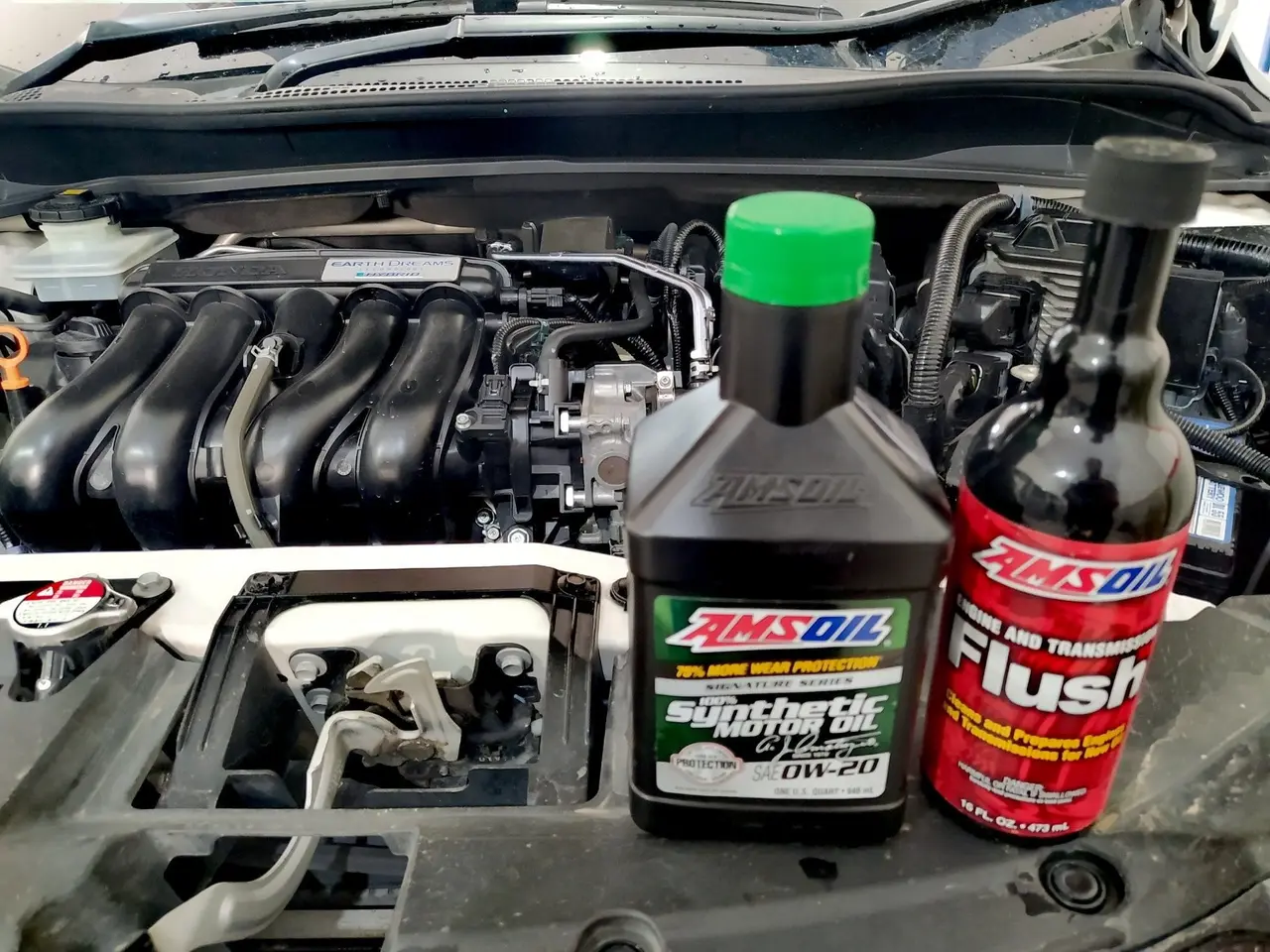
Using the correct fluid grade is just as important as pouring the correct volume. Toyota explicitly specifies 0W-20 engine oil for the 2014 Prius V.
The "0W" rating indicates the oil's cold-temperature flow properties, ensuring rapid circulation during winter conditions or cold morning startups. The "20" rating designates the high-temperature viscosity, maintaining a protective film barrier when the engine reaches operating temperatures.
| Specification Property | Requirement for 2014 Prius V |
|---|---|
| Engine Type | 1.8L 4-Cylinder Atkinson Cycle (2ZR-FXE) |
| Oil Capacity (with Filter) | 4.4 US Quarts (4.2 Liters) |
| Oil Capacity (without Filter) | 4.0 US Quarts (3.8 Liters) |
| Recommended Viscosity | SAE 0W-20 |
| Oil Certification | API Certified, ILSAC GF-5 (or newer) |
| Oil Type | Full Synthetic Recommended |
While conventional oils existed when the vehicle was manufactured, Toyota strongly recommends full synthetic motor oil for modern hybrid engines. Full synthetic oils resist thermal breakdown better than conventional mineral oils, resist sludge accumulation during short trips where the engine may not reach full operating temperature, and reduce internal friction to preserve EPA-estimated fuel economy ratings.
Maintenance Intervals and Operational Realities
Adhering to proper maintenance intervals prevents premature wear and reduces the likelihood of oil consumption issues. Toyota outlines a standard oil change interval of 10,000 miles or 12 months—whichever comes first—when using genuine Toyota synthetic 0W-20 oil meeting ILSAC specifications.
However, many experienced technicians and automotive enthusiasts recommend shortening this interval to 5,000 miles or 6 months under specific driving conditions. Operating a 2014 Prius V in severe service environments requires more frequent fluid changes. Severe conditions include:
- Frequent short trips of less than 5 miles, preventing the engine and oil from reaching optimal operating temperatures.
- Extensive idling or continuous stop-and-go urban gridlock.
- Driving in dusty, unpaved, or heavily salted winter environments.
- Towing or carrying heavy, maximum-capacity cargo loads across mountainous terrain.
Because higher-mileage third-generation Prius engines are sometimes prone to piston ring carbon fouling leading to oil consumption, maintaining clean, high-detergent synthetic oil at shorter intervals helps keep piston rings free and functional.
Frequently Asked Questions
What happens if I accidentally overfill my 2014 Prius V oil capacity?
Overfilling your engine slightly (by a quarter-quart) is rarely catastrophic, but adding a full quart or more over the 4.4-quart limit creates excessive internal crankcase pressure. This high pressure can force oil past the crankshaft seals, push oil into the PCV system, and cause the rotating crankshaft to whip the oil into a froth. Foamy oil loses its lubricating properties, potentially leading to overheating, lifter noise, and internal component damage. If you overfilled the engine, drain the excess using a fluid extractor or loosen the drain plug briefly.
Can I use 5W-20 or 5W-30 oil if 0W-20 is unavailable?
In an emergency, using 5W-20 oil will not instantly damage your engine, as the high-temperature viscosity is identical. However, you should avoid 5W-30 or heavier weights during cold weather. Heavier oils increase internal friction in the Atkinson-cycle engine, forcing the hybrid system to work harder, which degrades fuel economy. Return to certified 0W-20 full synthetic oil at your earliest convenience.
Do I need any special tools to change the oil on a 2014 Prius V?
Yes. While standard metric sockets handle the drain plug and splash shield fasteners, the Prius V utilizes a cartridge filter housing rather than a spin-on metal filter. You will need a specialized oil filter wrench socket (typically a 64mm or 65mm end-cap wrench with 14 flutes) designed specifically for Toyota filter housings to safely remove the plastic or aluminum cap without cracking it.
How often should the oil filter housing O-rings be replaced?
The rubber O-rings supplied with every new oil filter element must be replaced during every oil change. Reusing old O-rings frequently leads to compromised seals, resulting in rapid, catastrophic oil leaks that can drain the crankcase while driving. Always lubricate the new O-ring with a dab of fresh clean oil before installation to ensure a proper seal.
Why does my Prius V consume oil between changes?
High-mileage 1.8-liter Toyota engines from this era can occasionally experience oil consumption due to carbon buildup behind the oil control rings on the pistons. As the vehicle ages, combustion byproducts can restrict ring movement, allowing oil to slip past into the combustion chamber. Checking your oil level via the dipstick every 1,000 miles ensures you catch low levels before any permanent internal engine damage occurs.
Next Actions and Maintenance Summary
To keep your 2014 Toyota Prius V operating efficiently, gather 4.4 quarts of certified 0W-20 full synthetic motor oil, a quality replacement cartridge oil filter, and a fresh crush washer for the drain plug. Schedule your oil changes every 5,000 to 10,000 miles depending on your driving habits, and always verify the fluid level with the dipstick before starting the engine after a service.