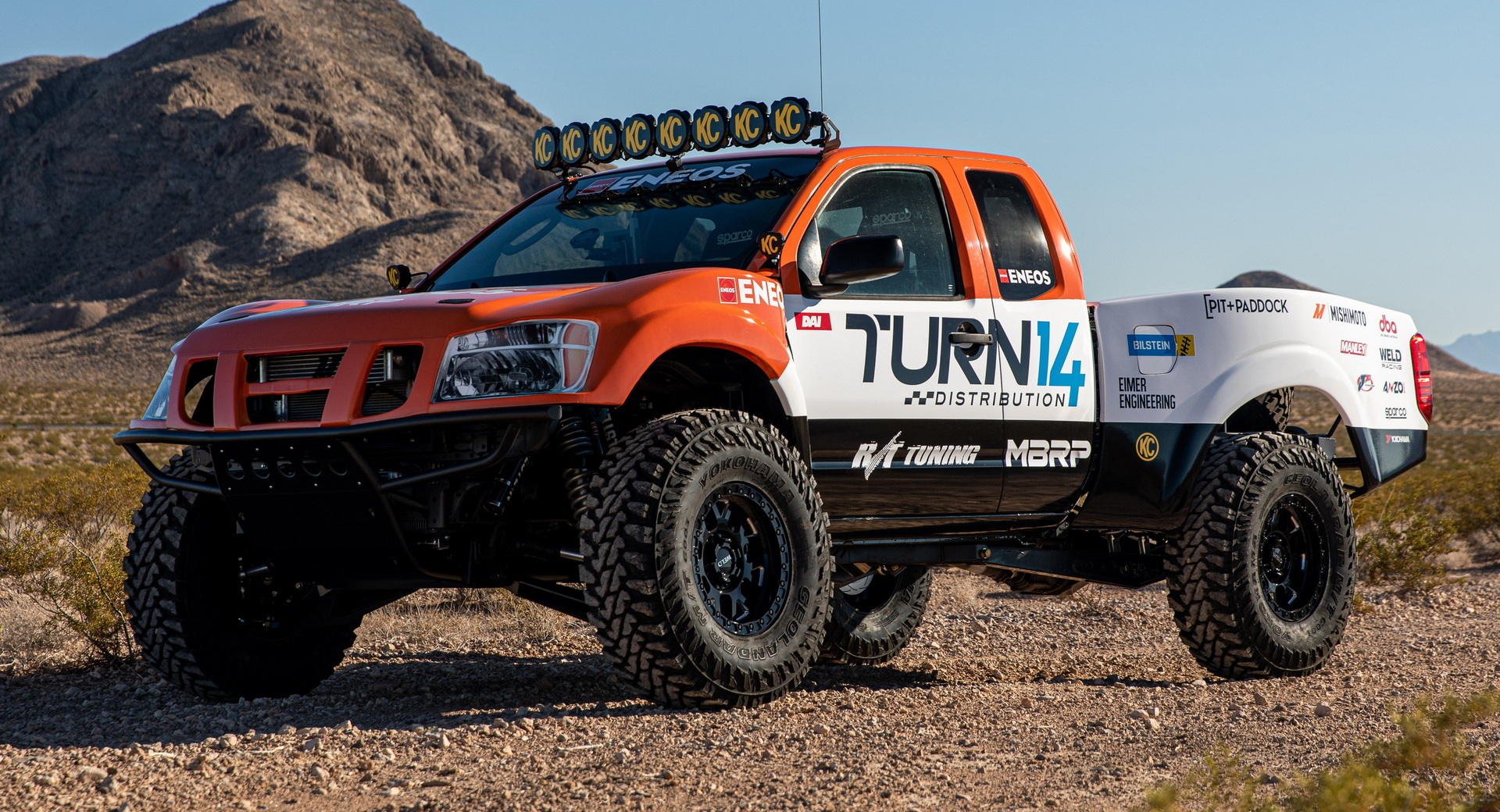
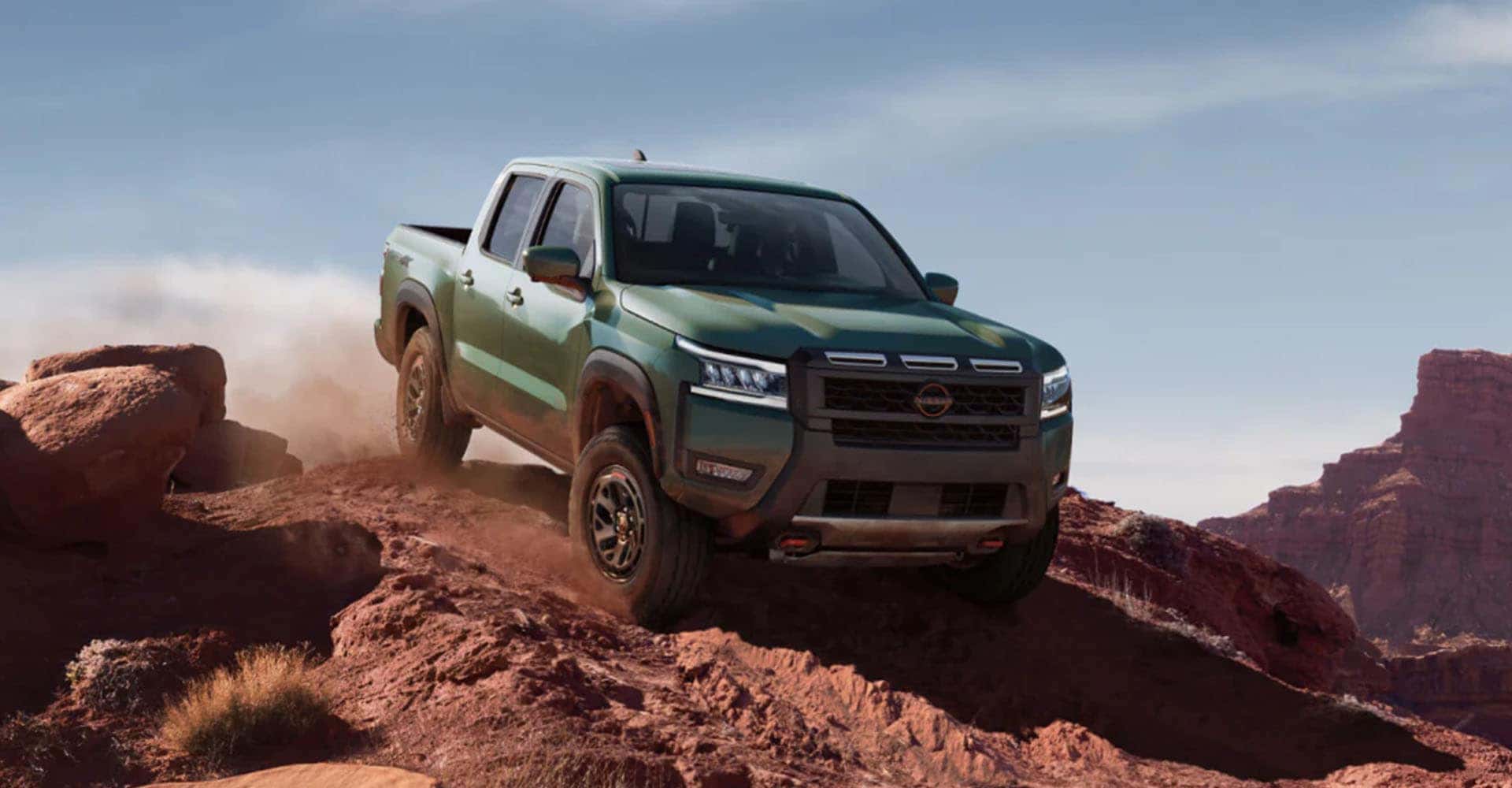
The 2006 Nissan Frontier, built on the F-Alpha platform, remains a capable mid-size truck for enthusiasts due to its high-torque V6 engine, rigid ladder-frame construction, and available Nismo off-road trim. Its design prioritizes durability and mechanical simplicity, making it a reliable foundation for trail-oriented modifications and overlanding applications in 2026.
The F-Alpha Platform and Engineering Foundation
The 2006 Nissan Frontier represents the early years of the second-generation D40 series. When Nissan launched this generation, they transitioned the Frontier from a compact truck to a mid-size platform, sharing the F-Alpha architecture with the larger Nissan Titan and Pathfinder. This engineering decision provided the 2006 model with a distinct advantage: a fully boxed, high-strength steel ladder frame. Unlike many competitors of that era that utilized C-channel frames, the boxed structure offers superior torsional rigidity, which is essential when the chassis experiences uneven terrain loading during rock crawling or washboard road navigation.
Under the hood, the available 4.0-liter VQ40DE V6 engine provides 261 horsepower and 281 lb-ft of torque. This powerplant is a cornerstone of the truck’s capability. In off-road scenarios, torque is often more critical than horsepower, and the VQ40DE delivers a flat torque curve that allows the truck to crawl over obstacles without requiring excessive throttle input. This level of control is vital for maintaining traction on loose surfaces, as sudden spikes in power can lead to wheel spin and the loss of momentum.
Nismo Off-Road Trim Features
For the 2006 model year, the Nismo trim served as the top-tier off-road package. This trim was not merely an aesthetic upgrade; it included functional hardware designed to enhance the vehicle’s performance beyond paved surfaces. The most significant feature is the inclusion of Bilstein high-pressure gas-charged shock absorbers. These shocks were tuned specifically to dampen the harsh impacts associated with trail driving, providing better control and resistance to fade during extended periods of off-road use compared to the standard dampers found on the XE or SE trims.
Additionally, the Nismo trim often featured electronic rear locking differentials on 4x4 models. This is perhaps the single most important mechanical feature for off-road performance, as it ensures that both rear wheels rotate at the same speed regardless of traction levels. In situations where one tire is lifted off the ground or loses contact with a slippery surface, the locker forces the engine’s torque to the tire with grip, allowing the truck to continue moving forward where open-differential vehicles would otherwise stall.
Ground Clearance and Geometry
The physical dimensions of the 2006 Nissan Frontier play a significant role in its ability to navigate challenging environments. The truck offers approximately 8.9 to 10.1 inches of ground clearance depending on the tire package and configuration. While these numbers were competitive for the mid-2000s, it is important to understand the role of approach, departure, and break-over angles.
The approach angle allows the front bumper to clear obstacles like steep embankments or large rocks without making contact. Because the front bumper on the 2006 Frontier is relatively integrated, it offers a decent angle, though owners looking to tackle more extreme terrain often replace the factory plastic valence or bumper with aftermarket steel versions to improve clearance. The departure angle is hindered slightly by the rear overhang, which is common in trucks with longer beds, but the rear bumper is tucked reasonably well to prevent major hang-ups.
Four-Wheel Drive System Mechanics
The 2006 Frontier utilizes a part-time shift-on-the-fly four-wheel-drive system. This is controlled via a dash-mounted electronic rotary switch, allowing the driver to engage 4-High while moving at speeds up to 60 mph. For more technical terrain, the system includes a 2-speed transfer case with a 2.717:1 low-range gear ratio.
The low-range setting is critical for off-road capability. It effectively multiplies the torque generated by the V6 engine, allowing for slow, controlled navigation of steep descents and climbs. By reducing the gear ratio, the engine can remain in a higher RPM range while the wheels rotate slowly, giving the driver precise control over the vehicle's placement. This mechanical advantage is what differentiates a true off-road truck from a crossover or light-duty vehicle that may have all-wheel drive but lacks the gear reduction necessary for technical maneuvers.
Comparative Performance Analysis
| Feature | 2006 Frontier (Nismo) | Typical Mid-Size SUV (2006) | Impact on Off-Roading |
|---|---|---|---|
| Drivetrain | Part-time 4WD w/ Low Range | Often AWD / Full-time 4WD | High: Allows for technical crawling |
| Rear Differential | Electronic Locker (Available) | Open or Brake-actuated | High: Essential for low-traction grip |
| Frame Type | Fully Boxed Steel Ladder | Unibody or C-Channel | Moderate: Increases chassis rigidity |
| Tire Size | 265/75R16 (Standard Nismo) | 225/70R16 (Common) | Moderate: Better footprint and clearance |
Operational Limitations and Common Challenges
Despite its capability, the 2006 Frontier has specific limitations. The front suspension design utilizes a double-wishbone independent front suspension (IFS). While IFS provides a comfortable ride on the highway and handles high-speed dirt roads exceptionally well, it offers less wheel articulation than a solid front axle. This means that when traversing large, uneven boulders, the front wheels are more likely to lift off the ground.
Another common point of concern for long-term off-roading is the "SMOD" (Strawberry Milkshake of Death) issue, which affects some automatic transmission models of this vintage. The internal radiator component that cools the transmission fluid can leak, mixing coolant with transmission fluid and causing catastrophic failure. For anyone taking a 2006 Frontier off-road, replacing or bypassing this radiator is a primary maintenance requirement to ensure the vehicle does not fail in a remote location.
Practical Modifications for 2026 Trail Use
Given that the 2006 Frontier is now a two-decade-old platform, many owners use them as dedicated trail rigs. The aftermarket remains robust. Common modifications include:
- Suspension Lifts: Installing coil-over shocks and leaf spring packs to increase ground clearance and accommodate larger, all-terrain tires.
- Armor: Adding skid plates for the transfer case and gas tank. The factory protection is often sufficient for light trails but insufficient for rocky terrain.
- Tire Upgrades: Moving to a 265/75R16 or 285/75R16 all-terrain tire significantly changes the vehicle's capability by increasing the contact patch and providing a more aggressive tread for mud and loose gravel.
- Recovery Points: Ensuring the truck is equipped with properly rated tow hooks or recovery points. The factory tie-down loops are not designed for heavy-duty recovery.
Frequently Asked Questions
Does the 2006 Nissan Frontier have a solid rear axle? Yes, the 2006 Frontier uses a solid rear axle with leaf springs. This setup is highly preferred for off-roading because it is durable, handles heavy payloads, and provides consistent ground clearance under the differential regardless of how much weight is in the bed.
Can the 2006 Frontier handle deep mud? The Frontier is very capable in mud provided it is equipped with proper mud-terrain or aggressive all-terrain tires. The electronic locker on the Nismo trim is the deciding factor in mud; it prevents the "one-tire-fire" scenario where an open differential would simply spin the wheel with the least resistance.
What is the maximum tire size I can fit without modifications? On a stock 2006 Frontier, a 265/75R16 tire is generally the largest you can fit without experiencing rubbing against the frame or fender liner during full steering lock or suspension compression. Larger sizes usually require a suspension lift or "melt mod" on the front fender liners.
Is the automatic transmission reliable for off-roading? The automatic transmission is strong, but as noted, the cooling system is a failure point. If you use the truck for towing or heavy off-roading, installing an external transmission fluid cooler is highly recommended to keep fluid temperatures down and extend the life of the transmission internals.
How does it compare to a Toyota Tacoma of the same year? The 2006 Frontier is often considered to have a more powerful engine and a slightly more robust frame than the 2006 Tacoma, but the Tacoma historically retains a higher resale value and has a larger selection of aftermarket off-road support. Both are highly capable, with the Frontier often viewed as the better value-for-money option.
Final Recommendation
The 2006 Nissan Frontier is an excellent choice for those seeking a durable, capable off-road platform that balances mechanical simplicity with modern power. To maximize its potential in 2026, focus first on preventative maintenance—specifically addressing the radiator/transmission cooler issue—before investing in off-road modifications. Once the mechanical baseline is verified, start with high-quality all-terrain tires and proper skid plates to protect the undercarriage. This combination will allow the vehicle to tackle a wide variety of terrains while maintaining the reliability required for off-grid exploration.