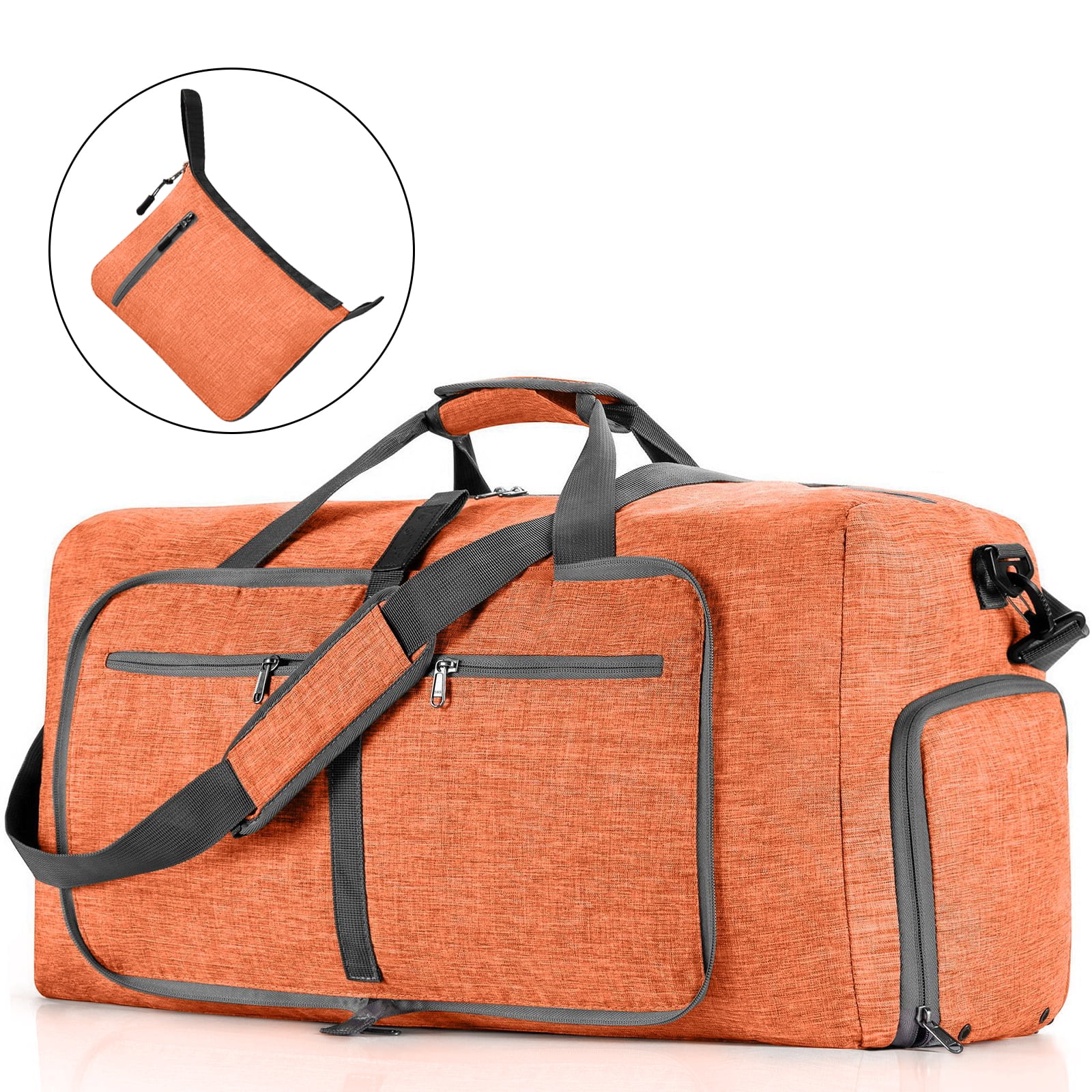
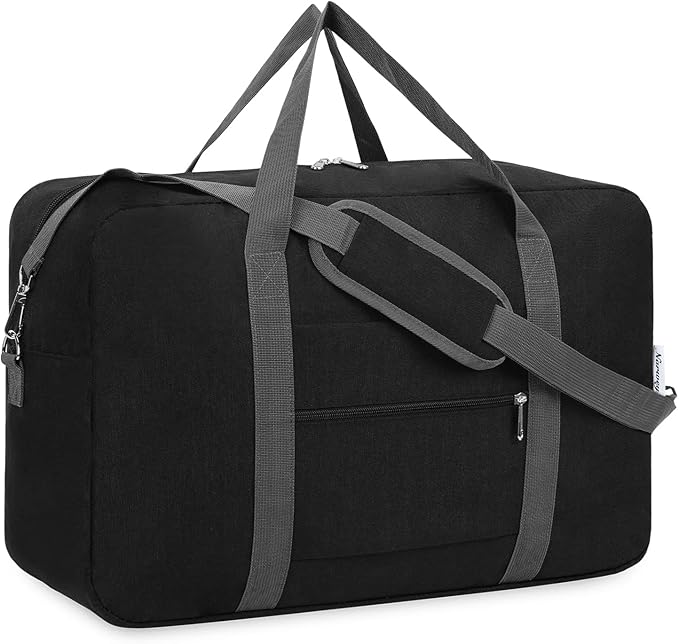
A 2 in 1 travel duffle backpack is a versatile hybrid bag designed to transition seamlessly between a traditional hand-carried duffle and a hands-free backpack. It typically features stowable or removable shoulder straps, a spacious main compartment, and durable materials, making it ideal for multi-day trips, gym-to-office commutes, and minimalist air travel.
Understanding the 2 in 1 Travel Duffle Backpack Concept
Modern travel requires gear that can adapt to changing environments, from crowded airport terminals and cobblestone streets to formal business settings. The 2 in 1 travel duffle backpack bridges the gap between the casual, high-capacity utility of a duffle bag and the ergonomic comfort of an urban backpack. By combining these two distinct silhouettes into a single piece of luggage, travelers can eliminate the need to pack multiple bags for different phases of a journey.
The core mechanism of this hybrid design lies in convertible strap systems. When navigating transit hubs or walking long distances, the user deploys hidden padded shoulder straps and a sternum strap to wear the bag securely on their back. Upon arrival at a hotel, train, or boardroom, these straps can be zipped away into a dedicated rear panel or unclipped entirely, instantly transforming the pack into a clean, professional duffle with top or side grab handles.
This dual functionality serves a specific type of traveler: the minimalist, the digital nomad, and the frequent flyer who prefers to bypass baggage check counters. Understanding how these bags are constructed, what materials are used, and how they perform under real-world conditions is essential for anyone looking to streamline their packing system.
Key Design and Construction Features
When evaluating a 2 in 1 travel duffle backpack, examining the physical architecture of the bag reveals how well it will hold up under stress. Manufacturers utilize various technical features to ensure comfort in both carry modes.
Strap Systems and Ergonomics
The most critical component of any hybrid bag is its harness system. Unlike a dedicated hiking backpack with a rigid internal frame and a heavy-duty hip belt, a duffle backpack usually relies on a semi-structured or flexible back panel.
- Stowable Straps: Look for zippered compartments that completely conceal the backpack straps when operating in duffle mode. This prevents straps from snagging on overhead bins, car trunks, or conveyor belts.
- Padded Mesh: Breathable air-mesh padding on the shoulder straps and back panel helps manage heat and moisture buildup during extended wear.
- Load Lifters and Sternum Straps: Adjustable sternum straps stabilize the load across the chest, while load lifters (found on higher-end models) pull the top of the pack closer to the shoulders to reduce lower back strain.
Materials and Weather Resistance
Because these bags transition between outdoor environments and urban transit, the exterior fabrics must withstand abrasion, moisture, and heavy loads.
- Denier Ratings: High-density nylon or polyester fabrics—typically ranging from 400D to 1050D—offer superior tear and puncture resistance. Ballistic nylon is frequently used for maximum durability.
- Coatings: Polyurethane (PU) or thermoplastic polyurethane (TPU) laminates provide water resistance, protecting the interior contents from rain and spills. Weather-resistant or waterproof zippers (such as YKK AquaGuard) further enhance weatherproofing.
- Hardware: Aluminum or reinforced high-impact plastic buckles and D-rings ensure that high-stress connection points do not snap under heavy loads.
Analyzing Bag Capacity and Compartment Organization
Internal organization dictates how efficiently you can pack, access, and secure your belongings during a trip. Hybrid bags balance the open-cavity nature of a duffle with the compartmentalization of a travel backpack.
| Feature Category | Duffle Mode Focus | Backpack Mode Focus |
|---|---|---|
| Primary Opening | Wide U-shaped clamshell or top-loading zip for bulk packing. | Vertical or flat-lay access for organized layer placement. |
| Access Points | Side grab handles for quick retrieval from overhead bins. | Top and front zip pockets for passports, electronics, and liquids. |
| Internal Division | Open main compartment for packing cubes and bulky items. | Compression straps, mesh dividers, and dedicated laptop sleeves. |
| Security | Lockable zipper sliders positioned centrally for padlocks. | Hidden anti-theft pockets pressed against the user's back. |
The Clamshell Opening vs. Top Loading
The primary zipper configuration shapes the packing experience. A wide U-shaped opening or full clamshell zip allows the bag to open flat, much like a suitcase. This makes organizing clothing with packing cubes straightforward. Conversely, top-loading duffle designs offer a deeper, continuous cavity that accommodates irregular objects, sports equipment, or oversized gear, though retrieving items from the bottom requires unpacking from the top.
Dedicated Tech and Accessory Compartments
Modern travelers carry laptops, tablets, chargers, and documents. A well-designed 2 in 1 travel duffle backpack includes a padded, suspended laptop sleeve—usually accessible from the exterior without opening the main compartment—to protect devices up to 15 or 17 inches. Smaller internal mesh pockets, key leashes, and passport slots keep loose items from migrating to the bottom of the bag.
Airline Carry-On Compliance and Dimensions
One of the primary advantages of utilizing a hybrid duffle backpack is compliance with international airline carry-on regulations. Traditional rolling suitcases can be rigid and oversized, while flexible duffles can often be squeezed into overhead bins or under seats if they are not over-packed.
Standard Dimensions
Most major domestic and international airlines enforce a maximum carry-on dimension limit of approximately 22 x 14 x 9 inches (56 x 36 x 23 cm). A 2 in 1 travel duffle backpack typically falls within the 30-to-45-liter capacity range, which aligns closely with these limits when the bag is fully zipped and compressed.
Compression Systems
To ensure compliance with strict budget airline sizers, look for bags equipped with external compression straps or internal compression panels. Compressing the bag reduces its profile depth, helping it fit into restrictive baggage measurement frames even when packed to capacity.
Practical Performance: Pros and Cons
Like any specialized piece of travel gear, the 2 in 1 travel duffle backpack involves engineering compromises. Weighing the advantages against the limitations helps clarify whether this style suits your travel habits.
Advantages
- Versatility: Seamlessly shifts from a professional office setting or airport terminal to rugged outdoor terrain.
- Hands-Free Mobility: Allows you to navigate stairs, escalators, and unpaved pathways without dragging wheels.
- Space Efficiency: Lacks the heavy, rigid internal frame and wheel housing of suitcases, resulting in a lighter empty weight and more usable internal volume.
- Storage Flexibility: Soft sides allow the bag to compress and fit into tight spaces, such as car trunks or crowded overhead bins.
Limitations
- Ergonomics for Long Treks: While comfortable for walking through airports or city blocks, most duffle backpacks lack the load-transferring hip belts required for multi-hour hiking expeditions.
- Weight Distribution: Carrying a heavy load purely on the shoulders can cause fatigue more quickly than a properly fitted backpacking pack or a rolling suitcase.
- Wrinkle Management: Soft-sided compartments do not protect formal wear or suits as rigidly as a hard-shell suitcase or dedicated garment bag.
Maintenance, Care, and Longevity
Protecting your investment in a high-end hybrid travel bag requires routine maintenance, particularly after exposure to harsh weather, airport conveyor belts, or rugged terrain.
Cleaning Exterior Fabrics
Most synthetic nylon and polyester bags can be cleaned using lukewarm water, a mild detergent, and a soft-bristled brush. Avoid submerging bags with leather accents or internal electronic stabilization frames. Allow the bag to air dry completely in a well-ventilated area before storing it; never use a machine dryer, as high heat can degrade waterproof coatings and melt synthetic fibers.
Zipper Maintenance
Zippers are the most frequently used mechanical component on any travel bag. If zippers begin to stick, apply a specialized zipper lubricant or a small amount of paraffin wax along the teeth. Keep zippers free of sand, dirt, and fabric lint by running a soft brush along the track periodically.
Frequently Asked Questions
Can a 2 in 1 travel duffle backpack fit under an airplane seat?
Yes, but it depends on the capacity of the bag and how full it is packed. Bags under 30 liters that are not stuffed to maximum capacity can typically fit under the seat in front of you on most commercial aircraft. Larger 40-to-45-liter bags must usually go in the overhead bin.
Are these bags waterproof or water-resistant?
Most quality travel duffle backpacks feature water-resistant treatments (like DWR finishes) and waterproof coatings (such as TPU/PU laminates) that protect contents from rain and splashes. However, unless explicitly rated as fully submersible with waterproof welded seams, they are water-resistant rather than waterproof and should not be submerged in water.
How do I check a duffle backpack at the airport safely?
If you must check the bag, always zip away and secure all backpack straps and loose webbing into their designated compartments. Leaving straps dangling can cause them to catch in airport baggage sorting machinery, resulting in ripped fabric or broken buckles. Alternatively, place the entire bag inside a lightweight travel duffle cover or heavy-duty plastic bag.
Is a duffle backpack comfortable for long walks?
They are comfortable enough for navigating airports, transit stations, and walking to accommodations. However, because they lack the rigid internal frames and load-bearing hip belts of technical hiking backpacks, carrying heavy loads for several hours at a time will cause shoulder and back fatigue.
What size is best for a weekend trip?
For a standard weekend trip lasting two to four days, a capacity between 30 and 40 liters strikes an optimal balance between carrying enough clothing and maintaining airline carry-on compliance.
Conclusion and Next Action
Selecting the right 2 in 1 travel duffle backpack comes down to aligning your primary travel style with the bag's capacity, strap design, and material durability. Audit your typical packing lists and transit routines to determine whether you prioritize the open-cavity packing of a duffle or the ergonomic carry of a backpack. Once you have established your target liter capacity and weather-resistance needs, examine verified product specifications to find a hybrid bag that will serve as your reliable travel companion for years to come.