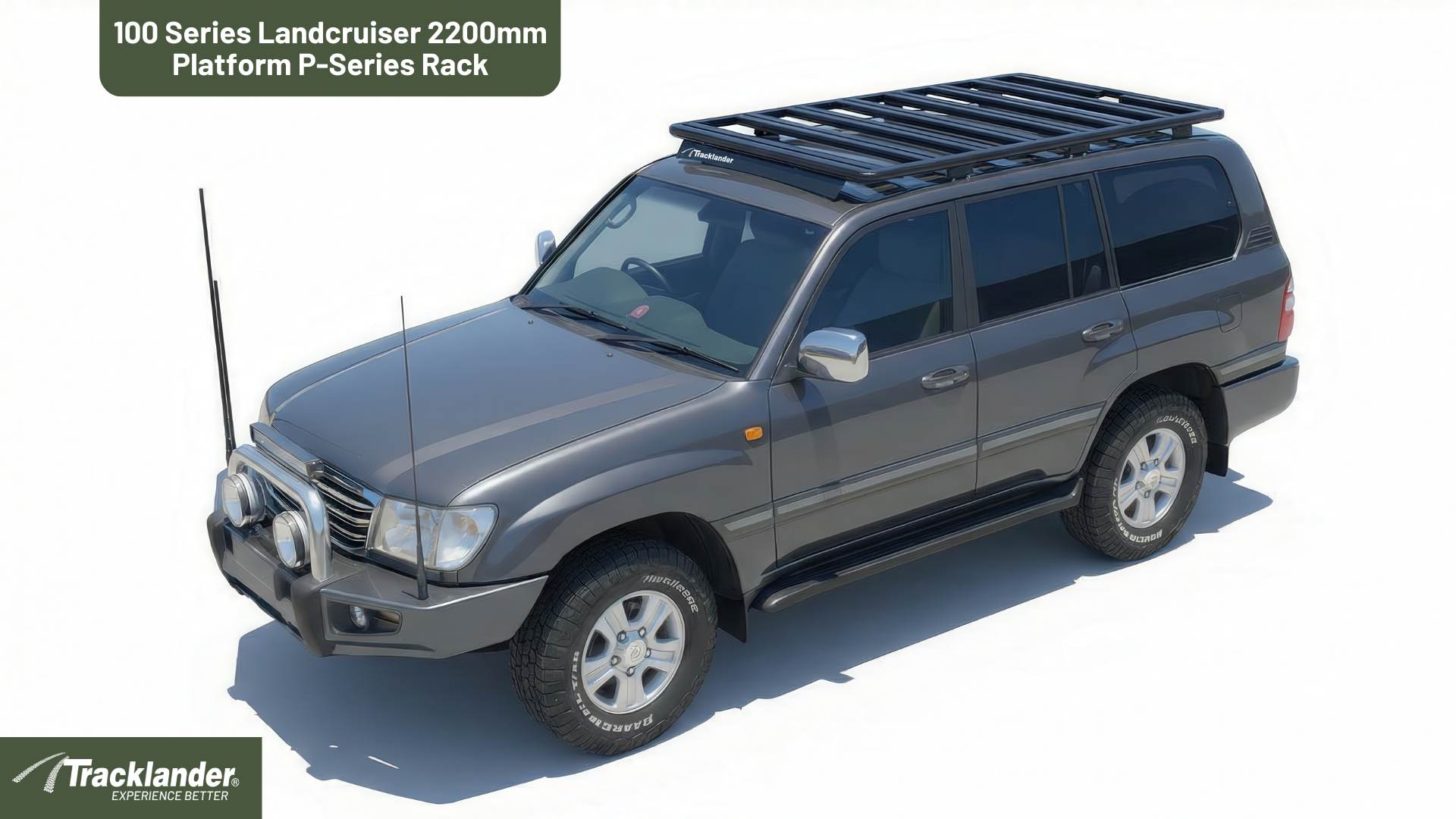
The 100 series Lexus—globally known as the Lexus LX 470—represents a golden era of luxury SUV engineering, combining the legendary reliability of the Toyota Land Cruiser J100 platform with upscale Lexus craftsmanship, a powerful V8 engine, and advanced hydraulic suspension systems designed to conquer both rugged trails and luxury highways effortlessly.
Introduction to the 100 Series Lexus
The automotive landscape contains few vehicles that inspire the absolute devotion, rugged respect, and enduring loyalty of the 100 series Lexus. Officially introduced to the market as the Lexus LX 470 for the 1998 model year, this full-size luxury SUV was built to bridge two entirely different worlds: the punishing, remote environments conquered by the Toyota Land Cruiser and the plush, whisper-quiet sanctuaries expected by high-end luxury car buyers.
While purists often view the LX 470 as the civilized sibling of the utilitarian Land Cruiser 100, time has proven that beneath its leather-lined interior, rich wood trim, and sophisticated electronics lies one of the most over-engineered, durable, and capable four-wheel-drive platforms ever conceived. Buyers looking at the 100 series Lexus today are usually not seeking the latest digital gadgetry. Instead, they want a bulletproof mechanical companion capable of cross-country road trips, heavy towing, and reliable overlanding expeditions.
Understanding this vehicle requires looking past its vintage badges and examining the rigorous engineering standards of late-1990s and 2000s Japanese automotive manufacturing. From its high-torque V8 engine to its unique active height control suspension, every subsystem was engineered with a safety factor that modern cost-cutting measures rarely permit. This guide breaks down the history, technical specifications, common failure points, and ownership considerations of the 100 series Lexus.
Historical Evolution and Model Year Changes
The genesis of the 100 series Lexus traces back to the global launch of the Toyota Land Cruiser 100 in early 1998. Lexus needed a flagship SUV to compete against rising domestic and European luxury contenders like the Range Rover and Lincoln Navigator. By taking the heavy-duty Land Cruiser platform, modifying the front fascia with quad headlights and a distinctive chrome grille, and upgrading the cabin with premium materials, Lexus created the LX 470.
Throughout its production run from 1998 to 2007, the LX 470 underwent several critical updates that improved its performance, safety, and comfort. Understanding these model-year milestones is essential for prospective buyers and restorers.
- 1998-2002: Early Phase (4-Speed Automatic, 2UZ-FE V8)
- 2003 Mid-Cycle Refresh (5-Speed Automatic, Night Vision, Backup Camera)
- 2006-2007 Final Phase (VVT-i Engine Upgrade, 275 HP, Side Curtain Airbags)
The Early Phase (1998–2002)
The initial iteration of the LX 470 featured the 4.7-liter 2UZ-FE V8 engine, producing 230 horsepower and 320 lb-ft of torque. This engine was mated to a traditional four-speed automatic transmission and a robust full-time four-wheel-drive system featuring a locking center differential. Early models utilized cassette decks alongside CD changers, automatic climate control, and genuine bird's-eye maple wood accents.
The Mid-Cycle Refresh (2003–2005)
The year 2003 brought significant upgrades to modernize the vehicle. A new five-speed automatic transmission replaced the older four-speed unit, improving highway fuel economy and power delivery. The interior received a modernized dashboard, updated steering wheel controls, and the availability of a rear-seat entertainment system and a backup camera. Safety was also enhanced with the addition of side curtain airbags for the front and second-row passengers.
The Final Phase (2006–2007)
The final two years of production represent the peak of the 100 series Lexus. In 2006, Toyota introduced Variable Valve Timing with intelligence (VVT-i) to the 2UZ-FE engine, bumping output to 275 horsepower and 332 lb-ft of torque. Exterior styling was refreshed with a revised grille, LED tail lights, and stylish new wheel designs. These final-year models command a significant premium on the used market due to their refined powertrain and comprehensive feature set.
Powertrain and Mechanical Engineering
At the heart of every 100 series Lexus is the legendary 2UZ-FE engine. This iron-block, aluminum-head 4.7-liter naturally aspirated V8 is widely regarded as one of the most reliable internal combustion engines ever built. Unlike aluminum-block engines that can suffer from cylinder distortion or overheating damage, the thick iron block of the 2UZ-FE can easily endure hundreds of thousands of miles with basic maintenance.
| Feature | Specification (1998–2005) | Specification (2006–2007) |
|---|---|---|
| Engine Code | 4.7L 2UZ-FE V8 | 4.7L 2UZ-FE V8 with VVT-i |
| Horsepower | 230 hp @ 4,800 RPM | 275 hp @ 4,800 RPM |
| Torque | 320 lb-ft @ 3,400 RPM | 332 lb-ft @ 3,400 RPM |
| Transmission | 4-speed automatic (A343F) | 5-speed automatic (A750F) |
| Drivetrain | Full-time 4WD with Torsen center diff | Full-time 4WD with Torsen center diff |
| Towing Capacity | 6,500 lbs | 6,500 lbs |
The engine utilizes a timing belt rather than a timing chain, which requires replacement every 90,000 miles or nine years. Ignoring this maintenance interval can lead to catastrophic interference damage if the belt fails, making service history a critical point of inspection for any used vehicle purchase.
The transmission options—the A343F four-speed and the A750F five-speed—both route power to a full-time four-wheel-drive system equipped with a Torsen limited-slip center differential. A dashboard switch allows drivers to lock the center differential manually when navigating deep sand, mud, or snow, locking the front and rear driveshafts together for maximum traction.
Suspension Systems: AHC vs. Conventional Conversions
One of the defining characteristics of the 100 series Lexus is its factory-installed Active Height Control (AHC) and Adaptive Variable Suspension (AVS) system. Unlike standard steel-spring setups, AHC uses hydraulic fluid and nitrogen-filled globes to control vehicle ride height and dampening characteristics.
How Active Height Control Works
The AHC system automatically adjusts ride height based on vehicle speed and terrain selection. It offers three distinct settings:
- High: Raises the vehicle approximately 2 inches for clearance over rocks and deep ruts at low speeds.
- Normal: The standard driving height for daily commuting and highway cruising.
- Low: Lowers the vehicle by about 1.5 inches to ease passenger entry and exit, or to fit into low parking garages.
In addition to height adjustment, AHC allows the driver to select between comfort and sport damping modes, altering the firmness of the ride via electronic actuators on each shock absorber.
Maintenance and Suspension Conversions
While AHC provides an exceptionally plush ride on the highway and automatic load-leveling when towing, the hydraulic components wear out over time. The nitrogen globes (accumulators) eventually lose their gas charge, leading to a harsh, jarring ride because the fluid can no longer absorb impacts effectively. Replacing AHC components requires specialized hydraulic fluid (Toyota Suspension Fluid AHC) and bleeding procedures.
Because of this complexity, many owners choose to convert their 100 series Lexus to a traditional conventional suspension system using aftermarket torsion bars, coil springs, and standard shock absorbers. Conversion kits from brands like Old Man Emu or Ironman 4x4 are popular among overlanding enthusiasts who want to add heavy steel bumpers, winches, and rooftop tents—weight that the factory hydraulic system was not designed to support continuously.
Interior Comfort, Electronics, and Ergonomics
Stepping inside a 100 series Lexus reveals an interior designed with an emphasis on durability, material quality, and understated luxury. Thick leather seats, genuine wood trim on the steering wheel and center console, and heavy-duty door handles reflect an era when luxury cars were built to last decades rather than lease cycles.
Climate and Seating
The vehicle features automatic climate control with dedicated vents for second and third-row passengers. The front seats are power-adjustable, heated, and upholstered in soft leather that wears gracefully if properly conditioned. The third-row seats are removable; unlike modern SUVs where seats fold flat into the floor, the 100 series seats either fold up against the side interior panels or can be unlatched and lifted out entirely to maximize cargo capacity.
Infotainment and Technology
The primary ergonomic weak point of later 100 series models (2003–2007) is the integrated navigation and climate control screen. Because HVAC controls, audio settings, and the navigation system are routed through a single touch-screen unit, upgrading the head unit to modern Apple CarPlay or Android Auto requires specialized aftermarket interface kits or dash conversion kits. Early models (1998–2002) are much easier to upgrade because they utilize a standard double-DIN radio opening.
Common Issues, Reliability, and Pre-Purchase Inspection
While the 100 series Lexus is rightfully celebrated for its reliability, no vehicle is completely immune to wear and tear, especially given that the newest examples are nearly two decades old. Understanding common failure points helps buyers evaluate prospective purchases accurately.
1. Timing Belt and Water Pump Maintenance
As noted earlier, the 2UZ-FE engine relies on a rubber timing belt. If the service history lacks documentation confirming that the timing belt, water pump, and tensioner pulleys were replaced within the last 90,000 miles, the buyer should budget immediately for this service to prevent engine damage.
2. AHC Hydraulic System Wear
Inspect the AHC system thoroughly for leaks around the actuators, lines, and globes. Check how quickly the vehicle transitions between Low, Normal, and High settings. Sluggish movement or a harsh, bouncy ride indicates that the nitrogen globes require replacement.
3. Front CV Axles and Steering Rack
Heavy off-road use or torn rubber boots can lead to premature wear on the front constant-velocity (CV) axles and steering rack bushings. Fluid leaks around the steering rack are common on high-mileage examples and require rack replacement.
4. Heater "T" Fittings
The plastic coolant T-fittings located near the firewall for the rear heater core become brittle with age and heat cycles. If these original plastic fittings fracture, the engine can lose coolant rapidly, leading to overheating. Preventive replacement with brass aftermarket fittings is a standard modification among knowledgeable owners.
Ownership Experience and Modern Relevancy
Owning a 100 series Lexus in the modern era is a unique automotive experience. While fuel economy is admittedly poor—typically averaging 12 to 14 miles per gallon in mixed driving conditions—the trade-off is unmatched mechanical integrity and highway composure.
Parts availability is exceptional, supported by both the vast Toyota global parts network and a thriving community of independent specialists and aftermarket suppliers. Whether used as a dependable daily driver, a family road-trip cruiser, or built out into a self-contained overlanding rig with all-terrain tires, steel armor, and dual-battery systems, the LX 470 continues to hold its value remarkably well compared to European luxury contemporaries of the same vintage.
Conclusion
The 100 series Lexus represents a high-water mark in automotive history, pairing Toyota’s legendary truck engineering with uncompromising luxury. By understanding its mechanical heritage, maintaining its vital cooling and timing components, and addressing suspension wear proactively, owners can enjoy hundreds of thousands of miles of dependable service from one of the finest SUVs ever manufactured.