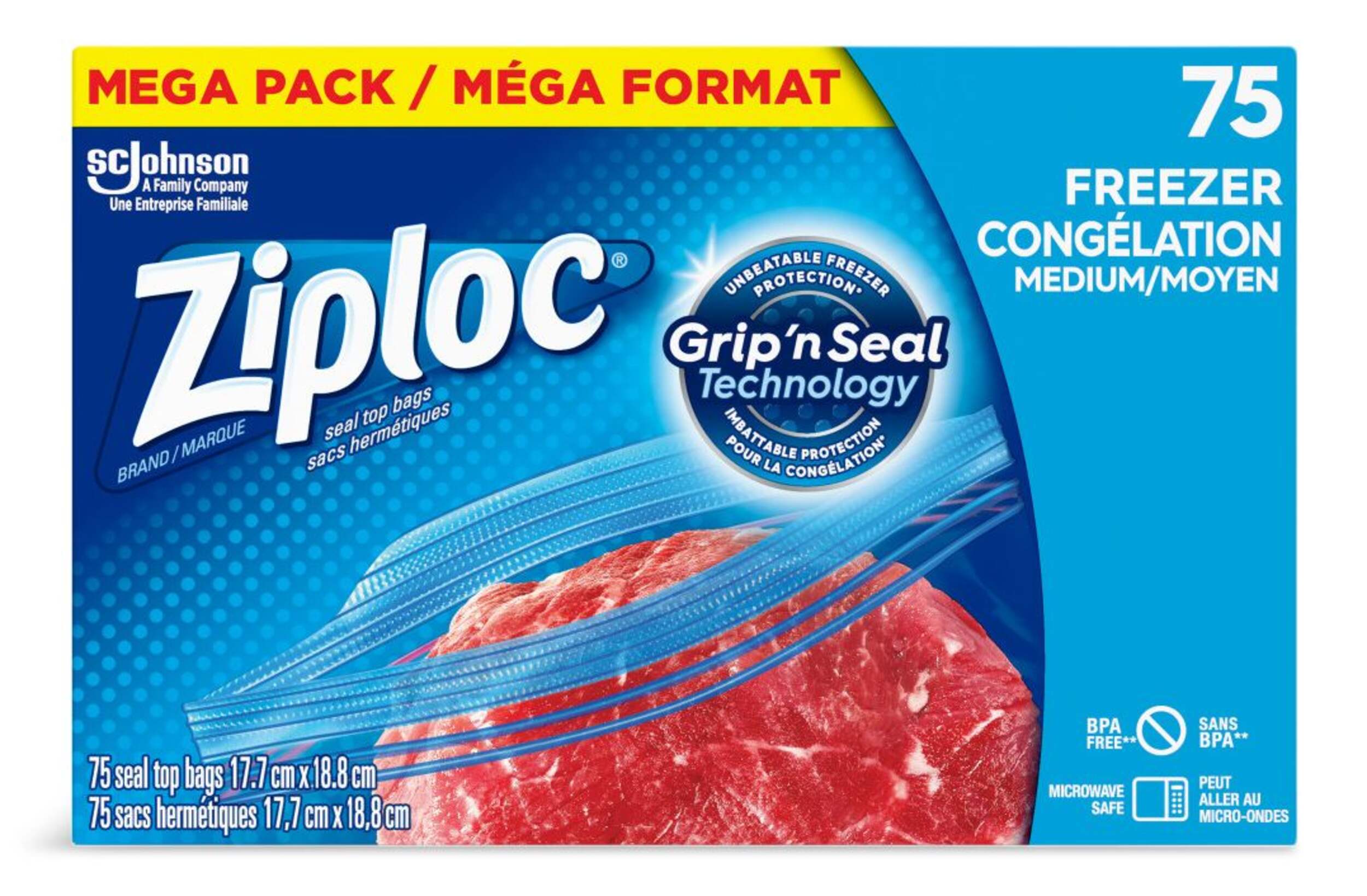
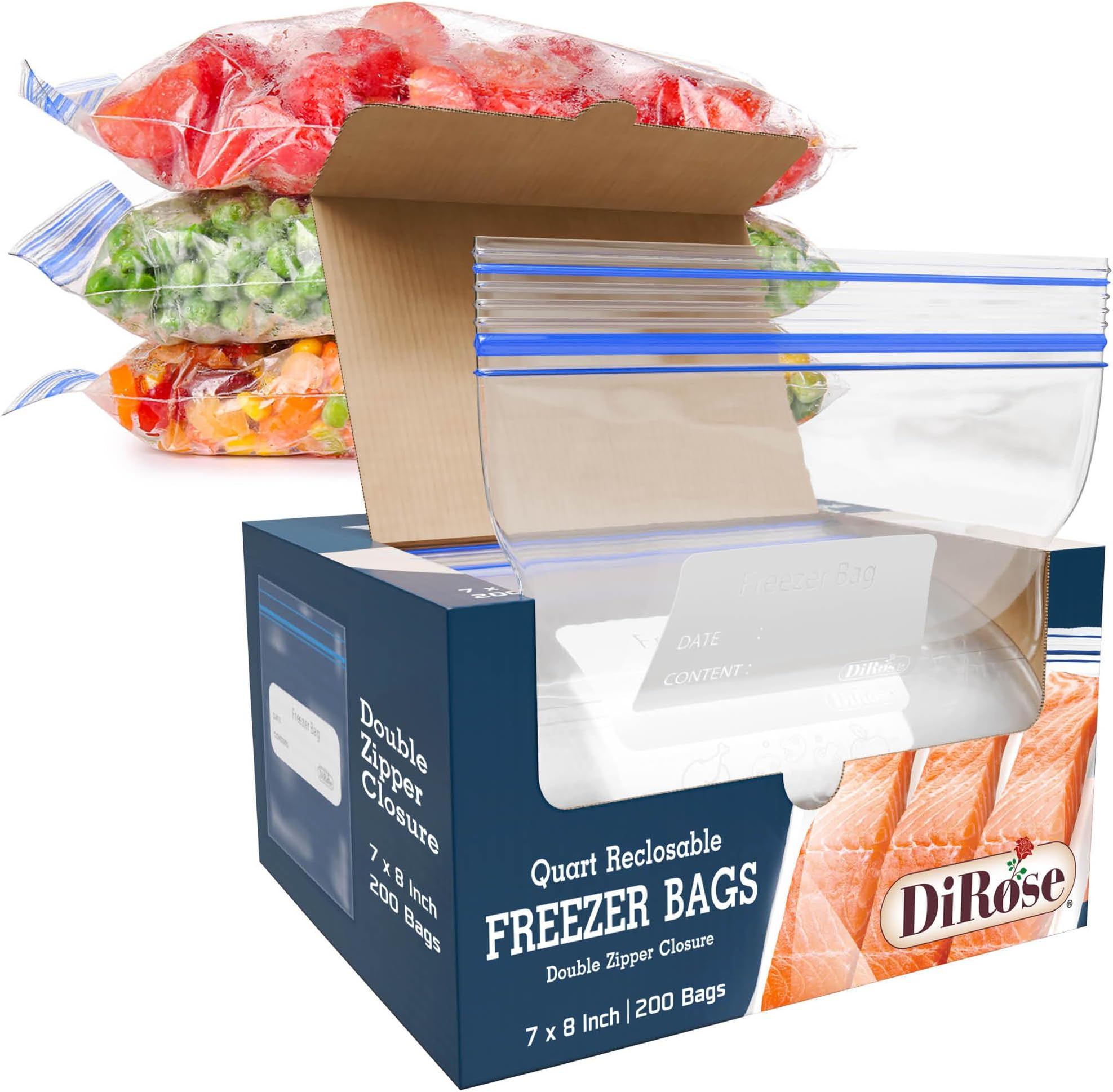
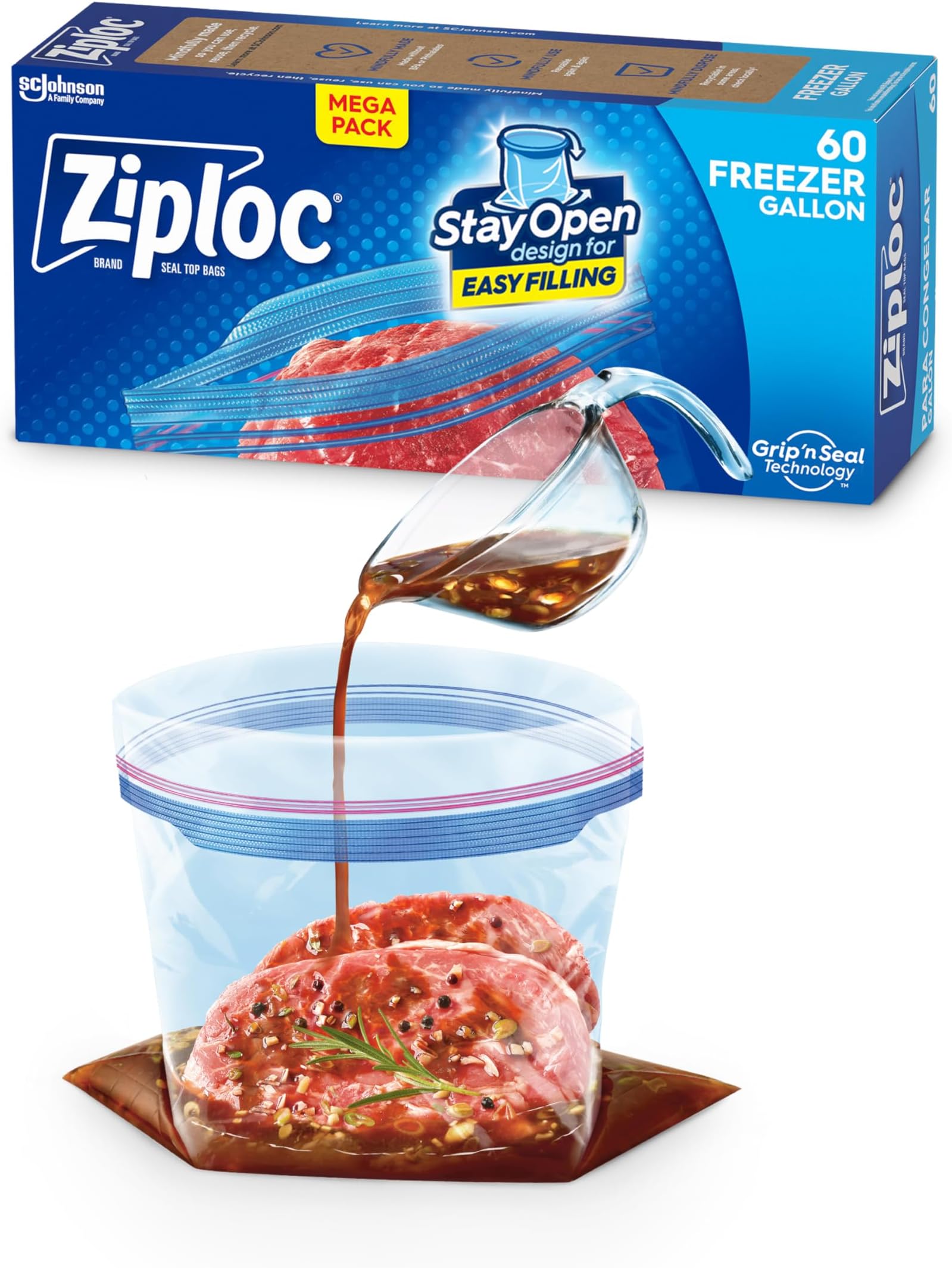
Yes, Ziploc brand freezer bags are designed to be microwave safe when used according to specific guidelines. According to the manufacturer, SC Johnson, these bags undergo rigorous testing to ensure they can withstand the heat generated during the defrosting and heating processes. However, safety depends entirely on how you manage the container, the contents inside, and the specific limitations of the plastic material when exposed to high temperatures.
Understanding the Materials: Polyethylene and Heat Resistance
To understand why Ziploc freezer bags are considered microwave safe, it is helpful to look at the composition of the product. These bags are manufactured primarily from low-density polyethylene (LDPE). Polyethylene is a type of thermoplastic known for its chemical stability, flexibility, and resistance to moisture. Unlike some plastics that contain Bisphenol A (BPA) or phthalates—which can migrate into food at high temperatures—Ziploc brand bags are produced without these additives, as confirmed by the manufacturer.
When you place a plastic bag in the microwave, the primary concern is heat deformation. Polyethylene has a melting point typically between 105°C and 115°C (221°F–239°F). While this is well above the boiling point of water (100°C), the localized heat from certain food items can exceed these limits. When the material reaches its softening point, it loses structural integrity, which is why the manufacturer insists on specific protocols for microwave use.
The Science of "Microwave Safe" Labels
The term "microwave safe" is not a vague marketing claim; it is a regulatory designation. In the United States, the Food and Drug Administration (FDA) regulates materials that come into contact with food. Plastic manufacturers must ensure that their products meet safety standards for migration limits—meaning the plastic components do not leach into the food at levels that pose health risks.
Ziploc freezer bags are tested to ensure that they maintain their integrity during the defrosting and reheating of food. It is vital to distinguish between "freezer bags" and "storage bags." Freezer bags are manufactured with thicker plastic walls to withstand the rigors of sub-zero temperatures and prevent freezer burn. This additional thickness often provides a slight buffer when exposed to the radiant heat of a microwave, but it does not make the plastic immune to melting if placed in direct contact with high-fat or high-sugar foods.
Essential Rules for Microwave Use
To safely use Ziploc freezer bags in a microwave, you must adhere to several operational requirements. Failure to follow these steps can lead to melting, rupturing, or the unintended release of trapped steam.
- Leave the Bag Open: Never seal the bag completely when microwaving. Even a small gap is necessary to allow steam to escape. If the bag is sealed, the internal pressure will cause it to expand and potentially rupture, which poses a risk of steam burns to the user.
- Defrosting vs. Heating: The bags are primarily intended for defrosting and reheating. They are not designed for long-term cooking or boiling food inside the bag. Prolonged exposure to heat, especially in a microwave, increases the likelihood of the plastic weakening.
- Manage Food Content: This is the most common point of failure. Foods high in fat (oils, butter, cheese) or sugar can reach temperatures significantly higher than 100°C very quickly. If these substances touch the sides of the bag, they can cause the plastic to melt almost instantly. To avoid this, move the food to a microwave-safe ceramic or glass dish before heating.
- Avoid Continuous High Power: Use the "defrost" setting or lower power levels (50% or less) whenever possible. This prevents the "hot spots" that occur in food, which are the main culprits behind plastic degradation.
Comparative Material Safety Table
| Feature | Ziploc Freezer Bags | Glass Containers | Ceramic Bowls | Standard Storage Bags |
|---|---|---|---|---|
| Heat Tolerance | Moderate (Up to ~100°C) | High | High | Low |
| Material | Low-Density Polyethylene | Borosilicate | Clay-based | Thin Polyethylene |
| Primary Use | Freezer Storage | Cooking/Reheating | Cooking/Reheating | Room temp storage |
| Risk of Melting | Yes (if overheated) | No | No | High |
| FDA Approval | Yes | Yes | Yes | Yes |
Common Mistakes and Troubleshooting
The most frequent mistake users make is assuming "microwave safe" means "heat-proof." It does not. Many users experience damage to their bags because they attempt to reheat oily sauces or stews directly in the bag.
Troubleshooting Scenarios:
- The bag melted at the edges: This typically happens because the food inside was high in fat or sugar, creating a localized hot spot. The solution is to use a glass bowl for these types of foods instead of the plastic bag.
- The bag popped open: This occurs when the bag is sealed too tightly. Ensure the seal is partially open to vent steam throughout the reheating process.
- The food has a "plastic" smell: This is often a sign that the plastic has been overheated to the point of structural stress or that the bag was held too close to the microwave's magnetron or heating element. If the bag shows any visible signs of deformation or melting, discard the bag and the food immediately.
Why Transferring Food is Best Practice
While Ziploc freezer bags are technically microwave safe, many food safety experts recommend transferring contents to a microwave-safe bowl or plate. There are three primary reasons for this:
- Uniform Heating: Glass and ceramic conduct heat more consistently than plastic, leading to fewer cold spots in your food.
- Safety: By transferring the food, you eliminate the risk of the bag melting due to contact with high-temperature oils or sugars.
- Containment: Bags are prone to tipping over or sliding in a microwave. A stable, rigid container reduces the risk of spilling hot liquids, which is a common cause of household burns.
Frequently Asked Questions (FAQ)
Can I boil water in a Ziploc freezer bag? No. While the bags can handle the heat of a microwave, they are not designed for boiling water. Water boils at 100°C, and the temperature of the heating element or the bottom of the microwave can easily exceed this, causing the bag to melt and release the boiling water.
Are these bags BPA-free? Yes. Ziploc brand bags are produced without the use of Bisphenol A (BPA). This is a standard in their manufacturing process to ensure compliance with modern food safety regulations.
How do I know if my bag is a freezer bag vs. a storage bag? Freezer bags are physically thicker and usually feature a distinct "double-lock" or "smart-zip" mechanism designed for durability. If the box does not explicitly state "Freezer," it is likely a standard storage bag, which is thinner and less heat-resistant. Always check the packaging.
Does the year 2026 affect the safety standards of these bags? As of 2026, the material science and manufacturing standards for Ziploc freezer bags remain consistent with previous years. The safety guidelines provided by SC Johnson regarding microwave use have not changed; the physical properties of polyethylene remain constant regardless of the calendar year.
Can I reuse a bag after microwaving it? It is not recommended. Once a plastic bag has been subjected to the heat of a microwave, the integrity of the plastic seal and the material itself may be compromised. It is best to dispose of the bag after a single heating cycle to avoid potential leaks or structural failure.
Final Recommendation
Ziploc freezer bags provide a convenient, safe way to defrost foods, provided you follow the "open-vent" rule and use moderate power settings. However, for any food with a high fat or sugar content, or for any task involving extended heating, transfer your food to a glass or ceramic container. This simple habit preserves your food quality and removes any risk of plastic deformation. Always inspect the bag for any signs of wear or thinning before use, and never force a bag to perform a function outside its designed temperature range.