Ataciguat is a soluble guanylate cyclase (sGC) activator currently under investigation as a pharmacological treatment for calcific aortic valve disease (CAVD). By increasing cyclic guanosine monophosphate (cGMP) levels, Ataciguat aims to inhibit the osteogenic differentiation of valve cells, potentially offering the first non-surgical therapeutic option to slow or halt valve calcification.
The Pathophysiology of Calcific Aortic Valve Disease (CAVD)
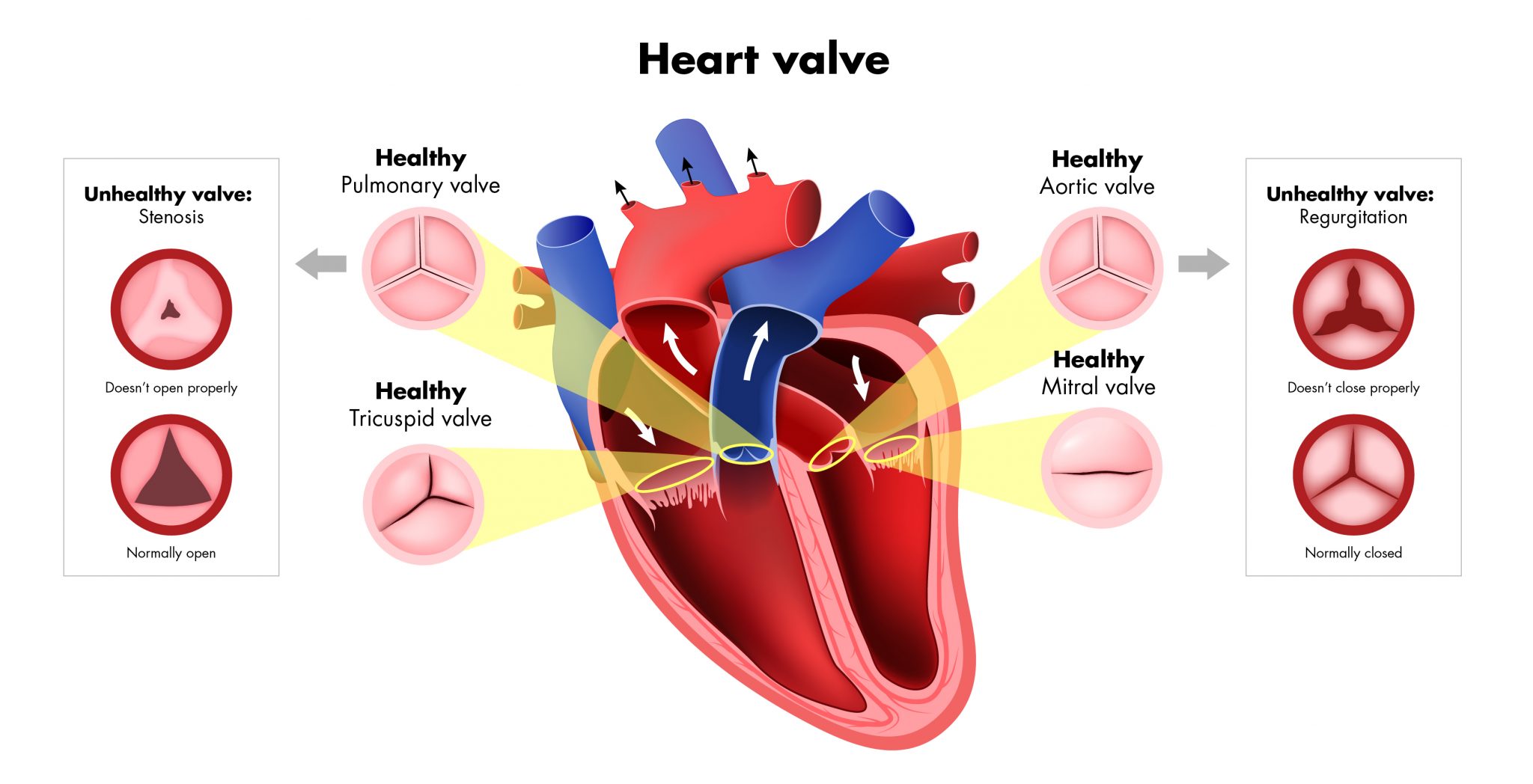
Calcific aortic valve disease (CAVD) is a progressive condition that ranges from mild thickening and calcification, known as aortic sclerosis, to severe obstruction of the left ventricular outflow, termed aortic stenosis. For decades, the medical community viewed CAVD as a passive, "wear-and-tear" process involving the simple accumulation of calcium deposits over time. However, research has since clarified that CAVD is an active, highly regulated biological process involving chronic inflammation, lipid accumulation, and, most critically, the transformation of valvular cells into bone-like cells.
The primary cellular players in this process are valve interstitial cells (VICs). In a healthy valve, these cells maintain the structural integrity of the valve leaflets. Under conditions of mechanical stress, oxidative stress, or inflammation, these fibroblasts undergo a phenotypic switch. They transform into myofibroblasts and, eventually, into osteoblast-like cells. These "reprogrammed" cells begin to deposit a mineralized matrix, leading to the hardening of the valve.
One of the most significant biochemical failures in the progressing valve is the disruption of the nitric oxide (NO) pathway. In healthy tissue, nitric oxide produced by the valvular endothelial cells (VECs) diffuses to the interstitial cells, where it binds to soluble guanylate cyclase (sGC). This binding triggers the production of cyclic guanosine monophosphate (cGMP), a signaling molecule that prevents the osteogenic (bone-forming) transition of the VICs. In diseased valves, oxidative stress leads to the oxidation of the sGC enzyme, rendering it unresponsive to nitric oxide. This "silencing" of the protective pathway accelerates calcification, creating a cycle of damage that currently can only be resolved through surgical or transcatheter valve replacement.
Ataciguat: A Unique Mechanism of Action
Ataciguat (formerly known as HMR-1766) represents a specific class of drugs known as soluble guanylate cyclase (sGC) activators. To understand its potential in valve disease, it is essential to distinguish between sGC stimulators and sGC activators.
sGC Stimulators vs. Activators
Most drugs targeting this pathway, such as riociguat (used for pulmonary hypertension), are sGC stimulators. These require the sGC enzyme to be in its reduced, "healthy" state, often requiring at least some presence of nitric oxide to function effectively. However, in the highly oxidative environment of a calcifying aortic valve, the sGC enzyme becomes oxidized and loses its heme group. In this "diseased" state, standard stimulators are ineffective.
Ataciguat is different. It is an sGC activator that specifically targets the oxidized or heme-free form of the enzyme. By binding to the sGC even when it is damaged by oxidative stress, Ataciguat restores the production of cGMP. This restoration effectively "restarts" the signaling pathway that tells the valve cells to remain as healthy fibroblasts rather than turning into bone-forming cells.
Inhibiting the Osteogenic Transition
The primary goal of Ataciguat in the context of valve disease is to halt the osteogenic program. By elevating cGMP levels within the valve interstitial cells, Ataciguat activates protein kinase G (PKG). This activation has been shown in laboratory models to inhibit the nuclear translocation of factors that trigger bone formation, such as Runx2. By maintaining the cells in their quiescent state, Ataciguat aims to prevent the further deposition of calcium, thereby stabilizing the disease.
Clinical Development and the CAVA Trial
The development of Ataciguat for valve disease has been largely centered around the CAVA (Calcific Aortic Valve disease Ataciguat) trial. This trial was designed to address the massive unmet need for a medical therapy that can intervene before a patient requires high-risk surgery.
Trial Design and Patient Selection
The clinical investigation of Ataciguat typically focuses on patients with "mild to moderate" aortic stenosis. This window is critical because, in the "severe" stage, the mechanical obstruction is often too advanced for biological signaling changes to provide meaningful relief. The target population includes individuals who show early evidence of calcification and a measurable increase in transvalvular jet velocity but do not yet meet the criteria for valve replacement.
Measurement of Efficacy
The primary endpoints in studies involving Ataciguat for valve disease usually involve advanced imaging techniques. Computed Tomography (CT) is used to calculate the Aortic Valve Calcium (AVC) score, which provides a direct measurement of the mineral load on the valve. Additionally, echocardiography is employed to monitor hemodynamic markers, such as the mean pressure gradient and the aortic valve area (AVA). A successful trial outcome for Ataciguat is defined not necessarily by the reversal of calcification (which is biologically much more difficult), but by the significant slowing of the rate of calcium accumulation compared to a placebo group.
Why Pharmacological Intervention is Necessary
As of 2026, the standard of care for aortic stenosis remains "watchful waiting" until the disease becomes severe enough to justify the risks of surgery. This approach is inherently reactive rather than proactive.
- The Limitations of Statins: For many years, it was hypothesized that statins—which are highly effective at lowering cholesterol and reducing inflammation in the arteries—could also slow valve calcification. However, multiple large-scale clinical trials (such as ASTRONOMER and SEAS) demonstrated that statins have no significant effect on the progression of aortic stenosis. This highlighted that the biology of valve calcification is distinct from atherosclerosis.
- Surgical Risks: While Transcatheter Aortic Valve Replacement (TAVR) has revolutionized treatment for elderly and high-risk patients, it is not a perfect solution. Prothetic valves have a limited lifespan (typically 10–15 years), making early surgery in younger patients problematic. A drug like Ataciguat could potentially delay the need for the first surgery by a decade or more, significantly improving the lifetime management of the disease.
- Economic Burden: The cost of valve replacement surgery and the subsequent recovery/rehabilitation is substantial. A daily oral medication that manages the condition during the "moderate" phase could potentially reduce the total healthcare expenditure associated with heart failure and emergency surgical interventions.
Safety and Tolerability Profile
As an sGC activator, Ataciguat does not just affect the heart valves; it also impacts the systemic vasculature. Because cGMP causes smooth muscle relaxation, the most common physiological effect of Ataciguat is vasodilation, which can lead to a reduction in blood pressure.
In clinical trials, researchers monitor for:
- Hypotension (Low Blood Pressure): Patients must be titrated carefully to ensure that the drug does not lower blood pressure to symptomatic levels, particularly in elderly patients who may already be on antihypertensive medications.
- Headache and Flushing: These are common side effects associated with drugs that increase cGMP (similar to those seen with PDE5 inhibitors).
- Gastrointestinal Effects: Some participants in early-phase trials reported mild nausea or dyspepsia.
Because Ataciguat targets the oxidized form of sGC, it is theorized to have a more localized effect in tissues under high oxidative stress (like the diseased valve) compared to healthy tissues. This specificity may offer a more favorable safety profile than systemic vasodilators that act indiscriminately.
Comparison: Medical Management vs. Surgical Intervention
The following table compares the current standard of care (Surgical/TAVR) with the proposed medical management using Ataciguat.
| Feature | Surgical/Transcatheter Replacement (TAVR/SAVR) | Medical Management (Ataciguat) |
|---|---|---|
| Primary Goal | Replace a mechanically failed valve. | Prevent or slow mechanical failure. |
| Timing of Intervention | Severe, symptomatic stage. | Mild to moderate, asymptomatic stage. |
| Procedure Type | Invasive surgery or catheter-based procedure. | Once-daily oral medication. |
| Durability | Prosthetic valves wear out (10–15 years). | Continuous therapy to maintain native valve. |
| Recovery Time | Days to weeks (TAVR) or months (SAVR). | None. |
| Target Population | High-risk or symptomatic patients. | Patients in early stages of calcification. |
| Main Risks | Stroke, bleeding, valve mismatch, infection. | Hypotension, headache, systemic vasodilation. |
The Future of Non-Surgical Management
The development of Ataciguat is part of a broader shift toward "precision cardiology." If Ataciguat proves successful in large-scale Phase III trials, it will likely be the cornerstone of a multi-drug regimen for valve health.
Future management strategies might include:
- Early Screening: Using genetic testing and high-resolution CT scans to identify patients at risk for rapid calcification before they develop symptoms.
- Combination Therapy: Pairing sGC activators like Ataciguat with other experimental agents, such as Denosumab (which targets different calcification pathways) or Lp(a) inhibitors.
- Long-term Monitoring: Using blood-based biomarkers of osteogenic activity to adjust the dosage of Ataciguat, ensuring that the cGMP pathway is adequately supported throughout the patient's life.
Frequently Asked Questions
Can Ataciguat reverse existing valve calcification?
Current evidence suggests that Ataciguat is primarily effective at slowing or halting the progression of new calcification rather than dissolving existing calcium deposits. Once the valve matrix has been mineralized into a bone-like structure, it is physically rigid. The goal of therapy is to intervene while the valve is still functional to prevent it from reaching a stage of severe stenosis.
Is Ataciguat currently FDA-approved for heart valve disease?
As of 2026, Ataciguat remains in the clinical development pipeline and is not yet available for general prescription for aortic stenosis. It is being studied in controlled clinical environments to establish its safety and efficacy profile specifically for valvular indications. Patients interested in this therapy often look toward clinical trial enrollment.
Who is the ideal candidate for Ataciguat treatment?
The ideal candidate is a patient with calcific aortic sclerosis or moderate aortic stenosis who has not yet developed severe symptoms like fainting, chest pain, or heart failure. The drug is most effective when the nitric oxide-cGMP signaling pathway can still be "rescued" to prevent the further transformation of valve cells.
How is Ataciguat different from blood pressure medication?
While Ataciguat can lower blood pressure as a side effect, its primary purpose in this context is its biochemical effect on valve interstitial cells. Standard blood pressure medications (like ACE inhibitors or Beta-blockers) do not target the soluble guanylate cyclase enzyme in its oxidized state and have not been shown to stop the bone-forming process in heart valves.
Are there any dietary restrictions while taking sGC activators?
In general clinical research, patients taking drugs that affect the nitric oxide/cGMP pathway are advised to be cautious with other vasodilators, including certain supplements and medications for erectile dysfunction, as these can cause a dangerous drop in blood pressure. However, specific dietary restrictions are determined by the individual's overall cardiovascular health and the specific protocols of the clinical trials.
Practical Recommendations for Patients and Clinicians
For patients currently diagnosed with mild to moderate valve disease, the focus remains on rigorous monitoring and the management of comorbid conditions.
- Regular Echocardiography: Ensure you are following the recommended schedule for imaging (usually every 1–2 years for moderate cases) to track the velocity of blood flow across the valve.
- Blood Pressure Control: While Ataciguat is not yet a standard treatment, maintaining healthy blood pressure reduces the mechanical strain on the aortic valve, which may indirectly slow the stimulus for calcification.
- Clinical Trial Awareness: For those with progressive disease who do not yet qualify for surgery, investigating trials for Ataciguat or other sGC activators may provide access to emerging therapies.
- Manage Lipoprotein(a): High levels of Lp(a) are strongly linked to faster valve calcification. While statins don't help the valve, managing overall lipid profiles and emerging Lp(a)-specific therapies is crucial for total cardiovascular risk reduction.
Professional-Advice Limitation: This article is for informational purposes only and does not constitute medical advice. Consult a cardiologist or a medical professional regarding the diagnosis and treatment of heart valve disease. Clinical trial statuses and drug availability are subject to regulatory changes.