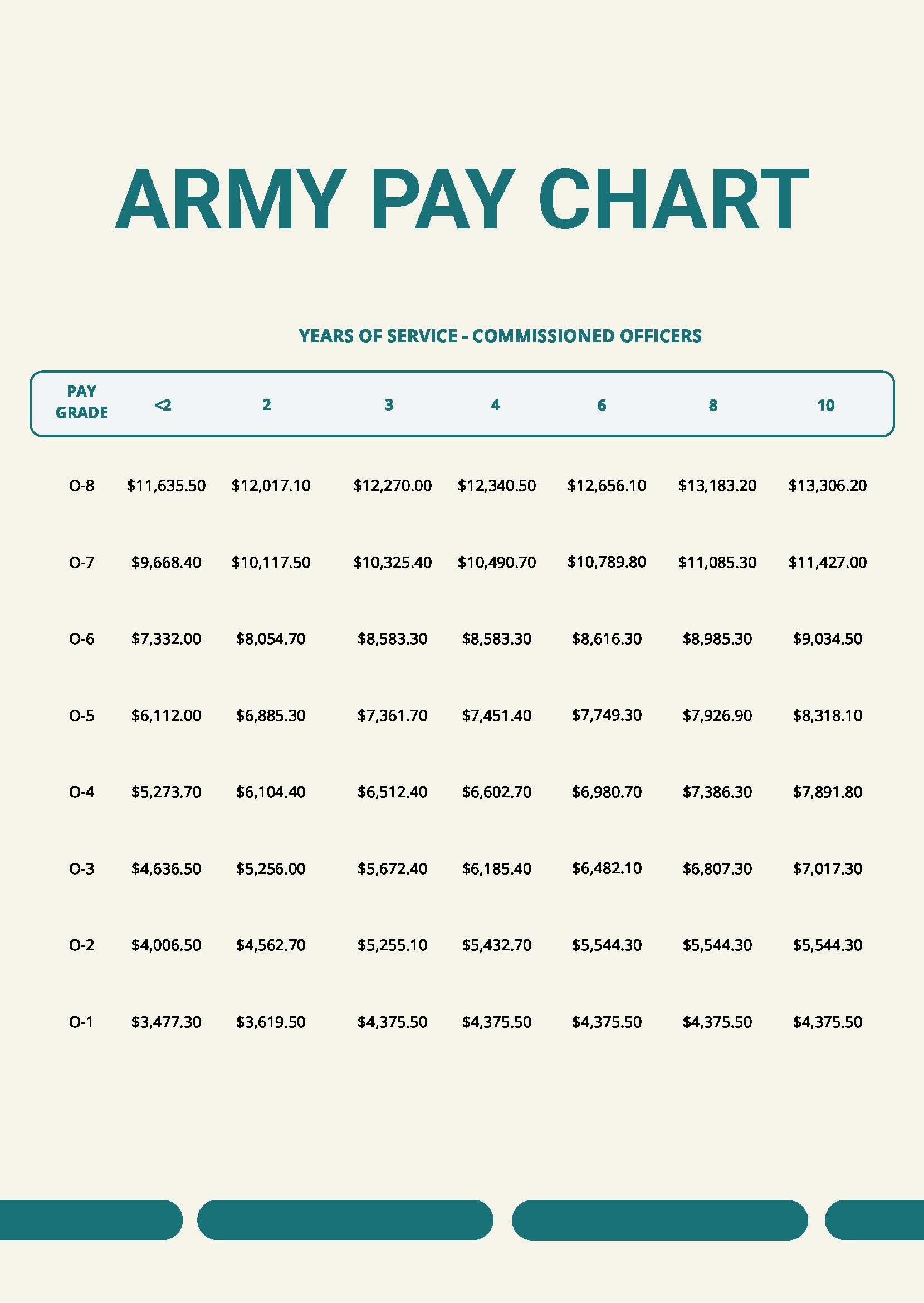
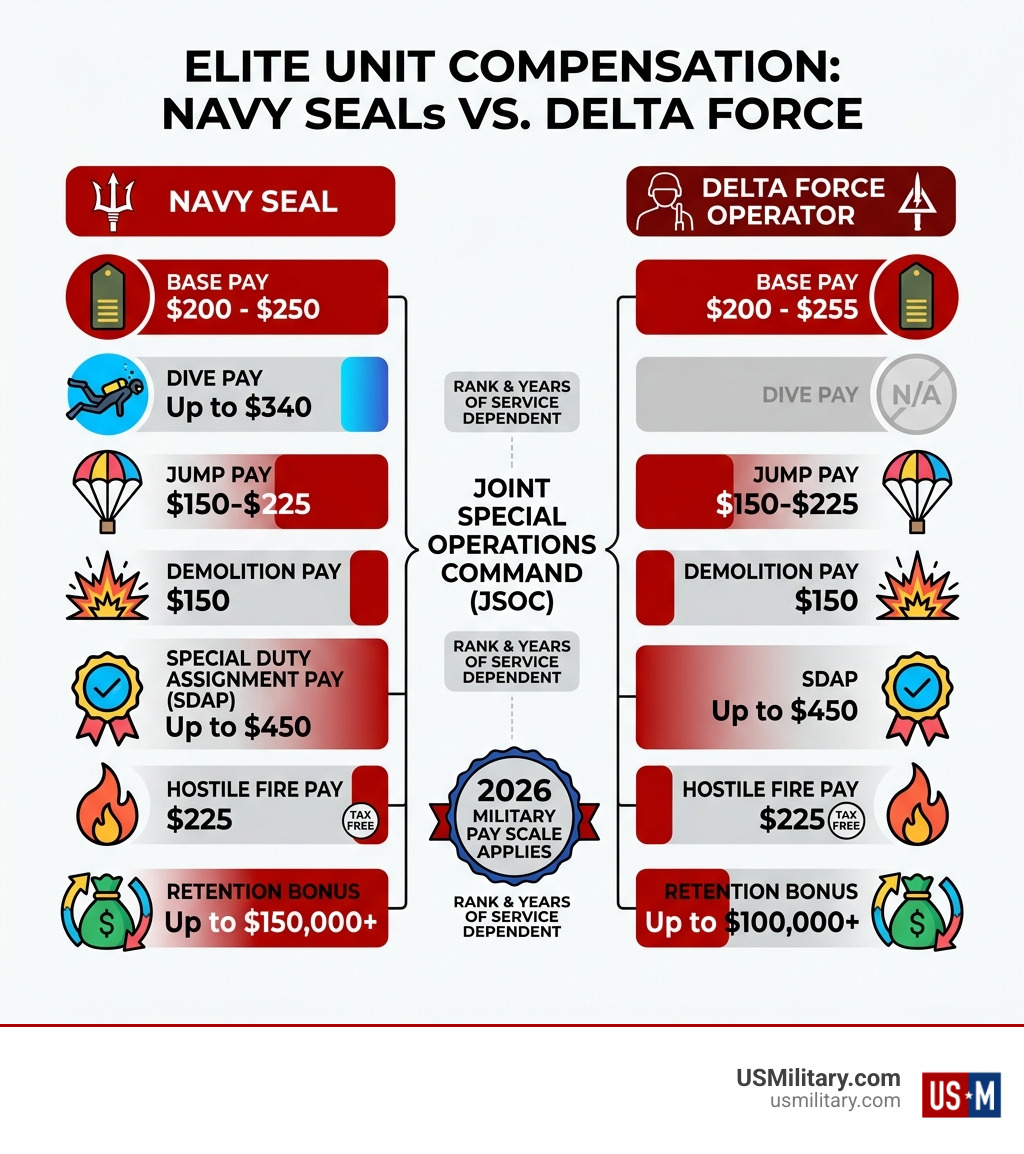
Army training pay is the salary earned by soldiers during Basic Combat Training (BCT) and Advanced Individual Training (AIT). Based on the 2026 military pay scale, compensation is determined by rank and time in service, supplemented by housing and meal allowances for eligible recruits, ensuring financial stability from the first day of enlistment.
The Structure of Army Training Pay in 2026
When a recruit signs their enlistment contract and ships to Basic Combat Training (BCT), they are officially on active duty status. This means pay begins the moment they arrive at the Reception Battalion. For 2026, the Department of Defense has continued the tradition of annual Cost of Living Adjustments (COLA), ensuring that military pay remains competitive with the private sector.
Training pay is not a flat stipend; it is a professional salary known as Basic Pay. Because the Army utilizes a standardized rank structure, your training pay depends almost entirely on your entry-level grade. While most recruits enter as an E-1 (Private), those with college credits, civilian certificates, or participation in programs like JROTC may enter as an E-2 (Private Second Class) or E-3 (Private First Class).
Basic Pay Calculations
Basic pay is the core of a soldier's compensation. In 2026, the pay scales reflect incremental increases designed to keep pace with inflation. It is important to note that for E-1 recruits, there is a slight distinction in pay for the first four months of service. Once a soldier surpasses the 120-day mark (often occurring during the transition from BCT to AIT), their monthly rate increases slightly to the standard E-1 bracket.
This pay is taxable at the federal and state levels (depending on the soldier’s state of legal residence). During training, the Army handles these deductions automatically, providing the soldier with a "Leave and Earnings Statement" (LES) via the MyPay portal, which serves as a digital pay stub.
2026 Estimated Monthly Basic Pay During Training
The following table outlines the estimated monthly basic pay for the most common ranks held during initial entry training. These figures are based on the 2026 pay projections and represent gross pay before taxes or deductions.
| Pay Grade | Rank | Years of Service | Estimated Monthly Basic Pay |
|---|---|---|---|
| E-1 | Private (Under 4 Months) | < 2 | $2,100.50 |
| E-1 | Private (Over 4 Months) | < 2 | $2,270.30 |
| E-2 | Private Second Class | < 2 | $2,545.80 |
| E-3 | Private First Class | < 2 | $2,678.10 |
| E-4 | Specialist / Corporal | < 2 | $2,965.40 |
Note: These figures are estimates for the 2026 fiscal year and are subject to final Congressional approval and executive orders.
Understanding Allowances and Indirect Pay
Basic pay is only one part of the total compensation package. While in training, the Army provides for the recruit's primary needs—housing and food—directly. However, how these are handled financially depends on the soldier's marital and familial status.
Basic Allowance for Housing (BAH)
For single recruits, the Army provides barracks at no cost. Consequently, single soldiers do not receive a housing allowance during BCT or AIT. However, recruits with dependents (a spouse or children) are eligible for the Basic Allowance for Housing (BAH) starting on day one.
BAH is designed to ensure that the soldier's family can maintain a household while the recruit is away at training. The amount is calculated based on the zip code where the dependents reside, not the location of the training base. In 2026, BAH rates have been adjusted to reflect the current rental markets, making it a critical component of the "army training pay" conversation for families.
Basic Allowance for Subsistence (BAS)
Basic Allowance for Subsistence (BAS) is a non-taxable allowance for food. Because the Army provides three meals a day in the Dining Facility (DFAC) during BCT and most of AIT, the cost of these meals is typically deducted from the soldier's pay if they are receiving BAS. Essentially, for a single recruit, BAS is a "wash"—the allowance is granted and then immediately deducted to pay for the "chow hall."
Family Separation Allowance (FSA)
Recruits with dependents who are away from their families for more than 30 days are generally eligible for Family Separation Allowance (FSA). In 2026, this remains a fixed monthly payment (currently $250) intended to compensate for the added expenses of maintaining two separate households during the training period.
The Role of Enlistment Bonuses
One of the most significant variables in army training pay is the Enlistment Bonus. Depending on the Military Occupational Specialty (MOS) chosen and the current needs of the Army in 2026, a recruit may be eligible for bonuses ranging from $5,000 to $50,000.
It is a common misconception that these bonuses are paid in full on the first day of BCT. Instead, bonuses are typically distributed in installments. The first portion—often referred to as the "initial payment"—is usually paid upon the successful completion of BCT and arrival at the AIT location. The remaining balance is often distributed in annual installments or upon arrival at the first permanent duty station. Recruits should review their "Annex B" in their enlistment contract to see the specific payout structure for their chosen bonus.
Deductions and Initial Costs
While recruits are earning a salary, they also face specific deductions during the first few weeks of training. It is vital to understand these to avoid confusion when looking at the first paycheck.
- The EagleCash Card: At the start of BCT, recruits are often issued a stored-value card (EagleCash) with a small advance (usually around $350) from their own future pay. This card is used at the Post Exchange (PX) to buy necessary toiletries, running shoes, and hygiene items. This amount is deducted from the first full paycheck.
- Service Members' Group Life Insurance (SGLI): Soldiers are automatically enrolled in maximum life insurance coverage unless they opt-out or reduce it. The premium is a small monthly deduction.
- Thrift Savings Plan (TSP): Under the Blended Retirement System (BRS), the Army automatically contributes 1% of basic pay to a TSP account and auto-enrolls recruits at a 5% contribution level. While this is "your money," it reduces the "take-home" amount in the immediate paycheck.
- Social Security and Medicare: Standard FICA taxes apply to military basic pay just as they do to civilian wages.
Reserve and National Guard Training Pay
For members of the Army Reserve and National Guard, pay during training works slightly differently than their monthly "drill pay." When a Reservist or Guard member is at BCT or AIT, they are on Active Duty for Training (ADT) orders.
During this time, they receive the exact same basic pay and allowances as an active-duty soldier of the same rank. Once they complete their training and return to their home units, they revert to "drill status," where they are paid for one weekend a month (four "drill periods") and two weeks of annual training. For many in the Reserve components, the period of BCT and AIT represents the highest period of military earnings they will see in a single calendar year.
Timeline of the First Paycheck
One of the most frequent questions regarding army training pay is: "When will I get paid?" The military pay cycles occur on the 1st and 15th of every month.
However, because it takes time to process a new recruit into the Defense Finance and Accounting Service (DFAS) system, there is often a delay. Most recruits do not receive their first deposit until approximately 30 days after they ship. This first check is often larger than a standard check because it includes "back pay" from the date of arrival. By the time a soldier reaches the middle of BCT, their pay cycle usually stabilizes into the standard bi-monthly schedule.
Frequently Asked Questions
Can I lose my pay if I fail a phase of training?
No, you are paid for every day you are in service. Even if you are "recycled" (required to repeat a portion of training due to injury or failing a physical fitness test), you continue to receive your basic pay and allowances. Your pay only stops if you are officially discharged from the Army.
Is Army training pay higher for specialized roles?
Basic pay is the same for everyone of the same rank, regardless of their MOS. However, some AIT students in specialized fields (like Airborne or certain language schools) may begin receiving Special Duty Assignment Pay or Incentive Pay once they meet specific criteria during the later stages of their training.
How do I ensure my family receives BAH while I am in BCT?
The most critical step is providing the recruiter and the MEPS (Military Entrance Processing Station) staff with certified copies of your marriage license and your children's birth certificates. Without this documentation, the Army cannot verify dependents, and BAH will not be triggered in the pay system.
What happens to my pay if I am injured during training?
If you are injured, you are moved to a Medical Holding unit. You remain on active duty status and continue to receive full pay and allowances while you recover. You do not lose your salary because of a training-related injury.
Do I get paid for the travel time to Basic Training?
Yes, your "Pay Entry Base Date" (PEBD) is generally the day you sign your final contract and ship. You are paid for the travel days and the time spent in the Reception Battalion before the actual "boot camp" training begins.
Next Steps for Recruits
To ensure your army training pay is processed without delays, your most immediate action should be to verify your banking information. Ensure you have a Direct Deposit form (SF-1199A) or your account and routing numbers ready before you leave for MEPS.
Additionally, if you have dependents, create a "Financial Folder" for your spouse or family representative. This should include copies of your enlistment contract, your MyPay login information (once generated), and contact information for your recruiter. Understanding the breakdown of your 2026 pay scale and allowances now will allow you to focus entirely on the physical and mental demands of becoming a soldier without the added stress of financial uncertainty.