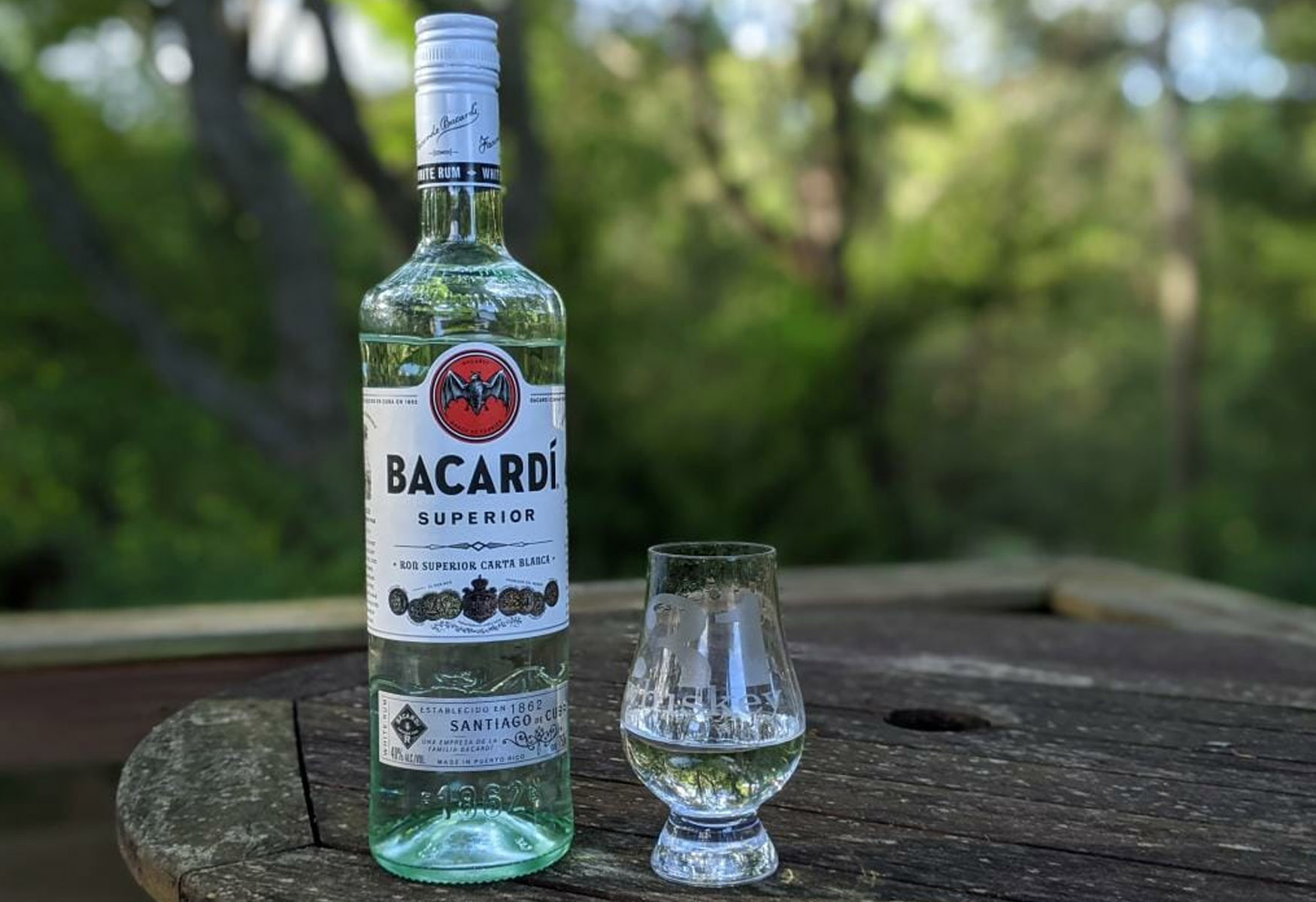
The collective net worth of the Bacardi family, including the prominent Argamasilla Bacardi lineage, is estimated to be between $15 billion and $25 billion in 2026. As Bacardi Limited remains the largest privately held, family-owned spirits company in the world, individual net worth for family members like the Argamasillas is derived from their respective shareholdings, which are primarily held in complex private trusts.
Understanding the net worth of an individual within the Argamasilla Bacardi family requires a deep dive into the structure of a multi-generational spirits empire that has survived revolutions, exiles, and global market shifts. Because the company is not publicly traded, these figures are based on revenue multiples, asset valuations, and historical dividend distributions rather than real-time stock market data.
The Foundation of the Argamasilla Bacardi Fortune
The wealth associated with the Argamasilla Bacardi name is inextricably linked to the success of Bacardi Limited. Founded in 1862 by Facundo Bacardí Massó in Santiago de Cuba, the company revolutionized the spirits industry by creating the first clear, premium rum. The Argamasilla branch of the family entered the lineage through marriage, specifically involving the Argamasilla de la Cerda family, a Spanish noble line that intertwined with the Bacardi industrial dynasty.
In 2026, the Bacardi portfolio includes more than 200 brands and labels, including Grey Goose vodka, Bombay Sapphire gin, Dewar’s Scotch whisky, and Patrón tequila. The diversification of the company from a single-product rum distillery into a global conglomerate has been the primary driver of the family’s astronomical wealth. For descendants carrying the Argamasilla Bacardi name, this wealth is usually managed through family offices and private holding companies that ensure the capital remains intact across generations.
Private Ownership and Valuation Challenges
One of the reasons "Argamasilla Bacardi net worth" is a frequent subject of inquiry is the opacity of the company’s financials. Unlike competitors such as Diageo or Pernod Ricard, Bacardi Limited does not have to disclose its quarterly earnings to the SEC or public shareholders.
To estimate the net worth of the family and its specific branches, financial analysts look at:
- Annual Revenue: Estimated to be upwards of $5.5 billion annually as of the mid-2020s.
- EBITDA Multiples: Spirits companies typically trade at 15x to 20x their earnings before interest, taxes, depreciation, and amortization.
- Asset Holdings: This includes massive bottling plants in Puerto Rico (the "Cathedral of Rum"), aging warehouses in Scotland, and premium real estate holdings globally.
The Argamasilla Bacardi Lineage and Legal History
The Argamasilla name became particularly notable in financial circles due to historical legal disputes over the Bacardi fortune. In the late 20th and early 21st centuries, various branches of the family, including those with the Argamasilla surname, were involved in litigation regarding the distribution of shares and the management of the family’s assets following their exile from Cuba in 1960.
These legal proceedings often shed light on the sheer scale of the family's assets. For example, during various inheritance disputes, it was revealed that even "minority" shareholders within the family often held stakes valued in the hundreds of millions of dollars. The Argamasilla Bacardi branch has historically been part of the shareholder group that navigated the transition of the company from a Cuban national treasure to a Bermuda-based international powerhouse.
The Impact of the 1960 Seizure
A pivotal moment in the family's financial history was the illegal seizure of their Cuban assets by the Castro government. While the family lost their physical distilleries in Cuba, they had fortunately moved their trademarks and certain financial assets to the Bahamas and the United States prior to the revolution. This foresight preserved the "Bacardi" brand equity, which is arguably the most valuable component of the net worth today. The resilience shown during this period ensured that the Argamasilla Bacardi descendants remained among the global elite.
Breakdown of Bacardi Limited Asset Value (2026 Estimates)
To understand the individual wealth of an Argamasilla Bacardi, one must look at the valuation of the core pillars of the company. The following table provides an estimated valuation of the primary brands under the Bacardi umbrella, which dictates the total family equity.
| Brand Category | Key Labels | Estimated Market Value (2026) |
|---|---|---|
| Rum | Bacardi Superior, Bacardi Reserva Ocho | $7.5 Billion |
| Tequila | Patrón, Cazadores | $6.2 Billion |
| Vodka | Grey Goose | $4.8 Billion |
| Gin | Bombay Sapphire | $3.5 Billion |
| Whisky | Dewar’s, Aberfeldy | $3.0 Billion |
| Other (Vermouth/Liqueurs) | Martini & Rossi, St-Germain | $2.5 Billion |
Note: Values are estimated based on industry growth trends and comparable acquisitions in the spirits sector.
Individual vs. Collective Net Worth
When discussing the net worth of "Argamasilla Bacardi," it is crucial to distinguish between the individual and the collective. There are over 600 family members who are shareholders of Bacardi Limited.
- The High-Net-Worth Individuals: Certain members of the Argamasilla Bacardi branch who have held executive positions or seats on the board of directors possess significantly higher liquidity and direct ownership. Their individual net worth can easily exceed $500 million to $1 billion.
- Trust Beneficiaries: Many members of the younger generations are beneficiaries of spendthrift or perpetual trusts. Their "net worth" is not reflected in a single bank account but rather in the annual dividends paid out by the company, which can range from several hundred thousand to millions of dollars per year depending on their share count.
- Real Estate and Private Investments: Beyond the spirits company, the family is known for extensive investments in luxury real estate in Miami, the Bahamas, and Spain, as well as diversified portfolios in private equity and technology.
Factors Influencing Wealth in 2026
Several external factors influence the current valuation of the Bacardi empire and, by extension, the Argamasilla Bacardi fortune.
The Premiumization Trend
As of 2026, the spirits market has moved heavily toward "premiumization." Consumers are drinking less but drinking better. This has benefited Bacardi immensely, as their acquisition of Patrón and the growth of Grey Goose positioned them perfectly for high-margin sales. This shift has increased the company's valuation multiple, directly boosting the family’s net worth.
Global Market Expansion
The growth of middle-class consumers in Asia and Africa has opened new revenue streams for Dewar’s and Bacardi Rum. The family’s ability to maintain a private ownership structure allows them to reinvest profits into these long-term growth markets without the pressure of meeting quarterly earnings targets for Wall Street, a strategy that has consistently compounded their wealth over the last decade.
Diversification into Non-Alcoholic Offerings
In response to global health trends, Bacardi has invested in non-alcoholic spirits and "low-ABV" (alcohol by volume) beverages. This diversification has insulated the family wealth against potential declines in traditional alcohol consumption, maintaining the brand's relevance for a new generation of consumers.
Historical Legal Context: Jose Argamasilla Bacardi
A specific name often associated with these searches is Jose Argamasilla Bacardi. His involvement in the family's historical narrative is significant because it highlights the complexities of the family's transition from Cuba to the global stage. Historical documents and court filings involving the Argamasilla name often touch upon the "Bacardi Act" (Section 211 of the Omnibus Appropriations Act of 1998), which was a major legal battle regarding trademark rights for Cuban-origin brands.
While these legal battles were costly, they were essential in protecting the multi-billion dollar trademarks that form the bedrock of the family’s current net worth. The success of these legal defenses ensured that the Argamasilla Bacardi descendants retained their status as some of the wealthiest individuals in the beverage industry.
Comparison: Bacardi vs. Other Wealthy Dynasties
To put the Argamasilla Bacardi wealth into perspective, it is helpful to compare them to other private and public spirits dynasties.
- The Brown Family (Brown-Forman): Owners of Jack Daniel’s. Their collective wealth is comparable, though they are a publicly-traded entity, making their wealth more transparent.
- The Beckmann Family (Jose Cuervo): Dominant in the tequila market. Their wealth is closely tied to the volatility of agave prices, whereas the Bacardi family has a more diversified portfolio across multiple spirit types.
- The Ricard Family (Pernod Ricard): While they own a massive share of the French company, the Bacardi family's 100% private ownership of their firm gives them unique control over their assets.
Expert Guidance for Tracking Private Net Worth
For those attempting to track the net worth of private figures like the Argamasilla Bacardi family, traditional sources like Forbes or Bloomberg often provide "conservative" estimates. Because private companies do not have to mark their assets to market value, the actual liquidity and net worth are often higher than reported.
Key indicators to watch include:
- Dividend Announcements: Even as a private company, news of dividend payouts often leaks to industry trade journals.
- Acquisition Prices: When Bacardi buys a brand (like the $5.1 billion purchase of Patrón), it reveals their cash-on-hand and borrowing power.
- Family Office Activity: The movements of family offices in Miami and Hamilton, Bermuda, provide clues into how the Argamasilla Bacardi branch is diversifying its wealth outside of the liquor industry.
Common Questions About Argamasilla Bacardi Net Worth
Is the Bacardi family the wealthiest in the spirits industry? While they are among the top five, their position fluctuates based on the valuation of Patrón and Grey Goose. They are generally considered the wealthiest family that maintains 100% private control of their primary business.
How many people share the Bacardi fortune? There are over 600 estimated family members who hold shares. This means that while the collective net worth is $15B+, the individual wealth is spread out, though the "inner circle" of executives and senior family members holds the majority of the value.
What is the role of the Argamasilla name in the family? The Argamasilla name represents a specific branch of the family that resulted from the marriage of Bacardi descendants to the Spanish Argamasilla de la Cerda line. They have been active in both the management and the historical legal defense of the company's assets.
Does the family still have assets in Cuba? Physically, the distilleries in Santiago de Cuba are controlled by the Cuban government. However, the Bacardi family maintains the legal rights to the brand and trademarks internationally, which is where the true value lies. They have stated they will only return to Cuba when it is a free and democratic nation.
How has the net worth changed since 2020? The net worth has seen a significant increase due to the "home cocktail" boom during the pandemic and the subsequent surge in travel and duty-free sales. The acquisition of premium brands has also led to a higher overall valuation of the company's portfolio in 2026.
Final Perspective
The net worth of the Argamasilla Bacardi family is a testament to the power of private ownership and brand longevity. In 2026, as the company continues to dominate the premium spirits market, the family's financial standing remains robust. For an individual carrying the Argamasilla Bacardi name, their net worth is likely a combination of inherited shares in Bacardi Limited, significant real estate holdings, and diversified private investments, making them part of one of the most successful industrial dynasties in history.