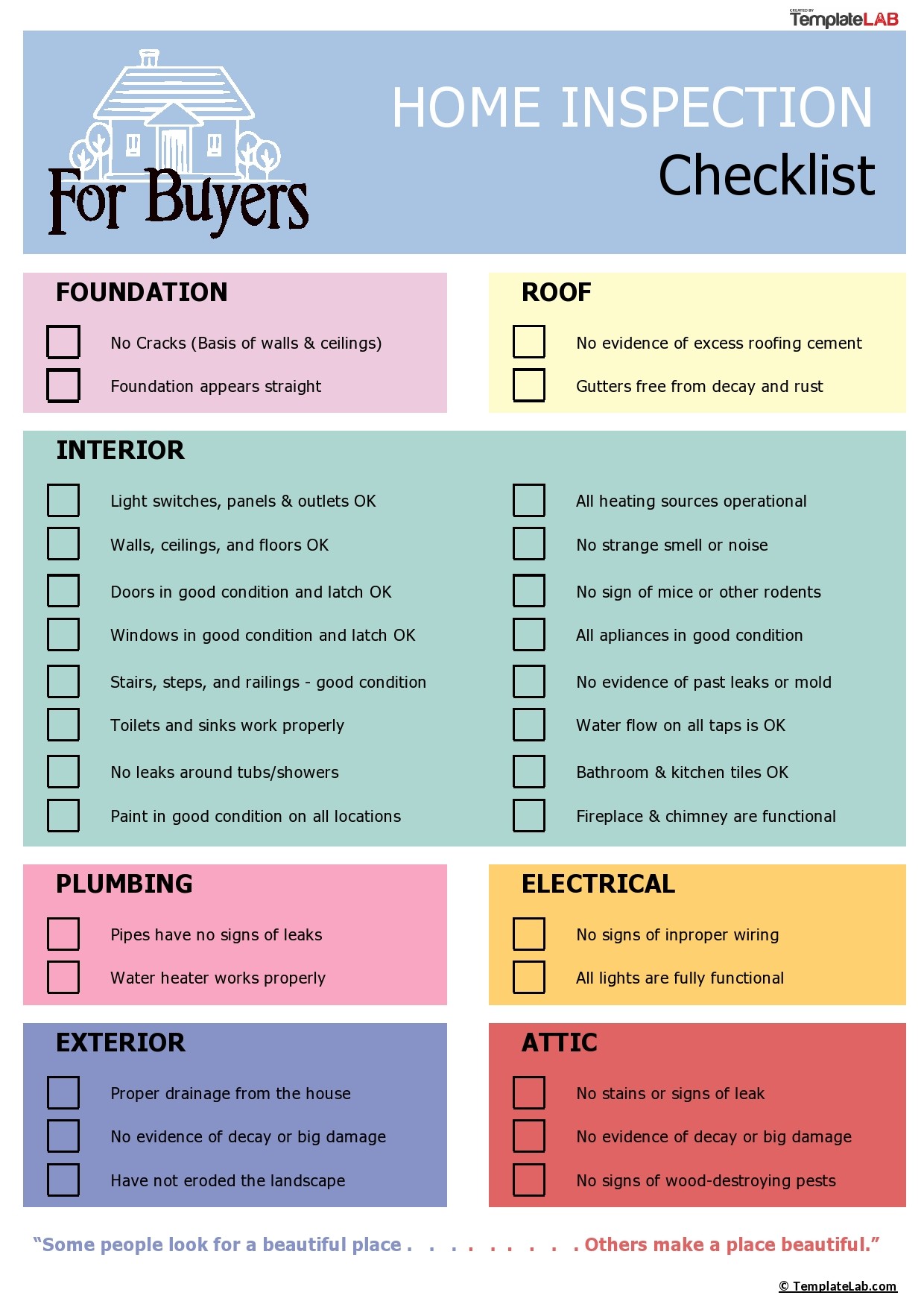
An apartment viewing checklist is a comprehensive tool used by renters to evaluate a property’s condition, functionality, and safety during an in-person tour. By systematically checking structural integrity, appliance performance, and lease terms, you can identify hidden defects, avoid costly surprises, and ensure the rental aligns with your lifestyle and budget.
Finding a new home in 2026 requires more than just a quick walk-through. With the rise of smart-home integration, increased emphasis on energy efficiency, and a competitive rental market, arriving prepared is essential. A physical inspection is your only opportunity to verify that the glossy photos in the listing match the reality of the living space. This guide provides a deep-dive checklist to ensure you overlook nothing during your next viewing.
Preparing for the Viewing: Beyond the Photos
Before you even step foot into the building, your inspection should begin with digital and logistical preparation. Researching the property and the management company saves time and helps you formulate specific questions. In 2026, many properties use automated or self-guided tours; while convenient, these require even more diligence since no agent is present to answer questions in real-time.
Start by researching the neighborhood's connectivity and local amenities. Use satellite imagery to check what shares a fence with the building—is there a noisy construction site, a 24-hour delivery hub, or a school playground? These factors significantly impact your quality of life but are rarely mentioned in a listing. Additionally, check online databases for the building's history of code violations or pest complaints. Knowing that a building had a recurring boiler issue last year allows you to ask specifically if the system was replaced or merely patched.
Pack a "viewing kit" to make your checklist more effective. This should include a flashlight (to see into dark cabinets or under sinks), a small plug-in device like a phone charger (to test electrical outlets), and a measuring tape. Measuring the dimensions of the rooms is vital; an apartment might look spacious when empty, but your existing furniture, such as a king-sized bed or a sectional sofa, might not fit the actual floor plan.
Structural and Interior Inspection: A Room-by-Room Guide
When you enter the apartment, resist the urge to look at the view first. Instead, look at the "bones" of the unit. Structural integrity and surface conditions are the most expensive things for a landlord to fix and the most likely to cause you grief during your tenancy.
The Kitchen and Bathrooms: High-Risk Areas
The kitchen and bathroom are the most complex rooms because they involve both water and electricity. Start by turning on the faucets in the kitchen and bathroom simultaneously. This tests the water pressure and the drainage system. Watch for "burping" drains or slow recession, which indicates a partial clog deep in the pipes. While the water is running, look under the sink with your flashlight. Check for dampness, water spots, or the smell of mildew. Even a small leak can lead to significant mold issues behind the cabinetry.
In the kitchen, check the age and condition of the appliances. Open the refrigerator and check the seals; if the rubber is cracked, the unit will run constantly, increasing your electricity bill. Test every burner on the stove and the interior of the oven. In 2026, many units feature induction cooktops; ensure you have compatible cookware or ask if the landlord provides a set. In the bathroom, check the toilet for stability—it should not rock when you apply pressure. Inspect the grout and caulk around the tub and shower. If it is peeling or black, it suggests poor maintenance and potential water damage to the subfloor.
Living Areas and Bedrooms
In the main living spaces, focus on the floors, walls, and ceilings. Look for "waves" in the flooring or soft spots, which are classic signs of historical water damage. If the apartment has hardwood or laminate, check for significant gaps that could trap dirt or indicate poor installation.
Examine the walls for fresh patches of paint that don't quite match. Landlords often use "landlord white" to cover up water stains or mold growth rather than fixing the underlying leak. Pay close attention to the corners of the ceiling and the areas around window frames. If you see bubbling paint or brownish rings, there is an active or recent leak from the unit above or the roof.
Evaluating Essential Systems and Technology
As we move further into 2026, the technical infrastructure of an apartment is just as important as its square footage. A "modern" apartment must handle high-bandwidth demands and provide efficient climate control.
Electrical and Connectivity
Use your phone or a dedicated tester to check the outlets in every room. In older buildings, you might find "two-prong" outlets that aren't grounded, which can be dangerous for sensitive electronics. Ensure there are enough outlets for your needs; using multiple power strips and extension cords is a fire hazard.
Furthermore, check the cell signal in every room. Modern energy-efficient windows are sometimes coated with metallic films that can degrade cellular reception. Verify the type of internet connection available. Is it fiber-to-the-home (FTTH)? Ask where the router's primary entry point is, as this will dictate your home office setup. If the building offers "community Wi-Fi," ask about the security protocols and dedicated bandwidth per unit.
HVAC and Insulation
Heating, Ventilation, and Air Conditioning (HVAC) systems are often the primary source of tenant-landlord disputes. Find the thermostat and turn on both the heat and the AC (if weather permits). Listen for unusual grinding or rattling noises. High-pitched squeals often indicate a failing belt or motor. Check the air filters; if they are caked in dust, the landlord likely neglects routine maintenance, which leads to higher utility costs and poor air quality.
Don't forget to inspect the windows. Double-pane or triple-pane windows are the standard for 2026. Feel for drafts around the edges. If the windows are difficult to open or don't lock securely, it is both a safety issue and a thermal efficiency problem. According to the U.S. Department of Energy, heat loss through windows can account for 25%–30% of residential heating and cooling energy use.
External Factors and Community Standards
Your living experience extends beyond the four walls of your unit. The "common areas" of a building often reveal the true quality of the management.
- Security and Access: Check the building's entry points. Do the locks feel sturdy? Is there a video intercom system? If the building uses smart locks, ask about the backup plan for power outages or server downtime.
- Trash and Sanitation: Locate the trash rooms or bins. If they are overflowing or located too close to residential units, you will likely deal with odors and pests (cockroaches or rodents) during the summer months.
- Laundry Facilities: If the unit doesn't have in-suite laundry, visit the laundry room. Check the cleanliness and the payment method (app-based vs. coin-operated). Note the number of machines relative to the number of units in the building.
- Mail and Packages: With the continued growth of e-commerce, secure package delivery is vital. Look for secure lockers or a dedicated mailroom with cameras. Package theft is a major grievance in high-density housing.
Essential Questions for the Landlord or Agent
The viewing is your time to interview the landlord as much as they are interviewing you. Verbal promises are often unenforceable, so use these questions to gauge their transparency and prepare for the written lease.
- What utilities are included in the rent? In 2026, some buildings bundle high-speed internet and trash, while others bill back for "common area electricity." Get a clear breakdown.
- What is the guest policy? Some modern leases have strict limits on how many consecutive nights a guest can stay before they must be added to the lease.
- What is the emergency maintenance protocol? Ask who handles repairs at 2:00 AM on a Sunday. A professional management company should have a dedicated 24/7 hotline.
- Are there any upcoming renovations? You don't want to move in only to find out the gym will be closed for the next six months or that the facade will be under scaffolding.
- What are the move-in and move-out fees? Beyond the security deposit, some buildings charge "elevator reservation fees" or non-refundable "amenity fees."
Apartment Inspection Priority Matrix
Use the following table to prioritize your inspection tasks. Focus on the "High" priority items first, as these are often "deal-breakers."
| Category | Item to Check | Priority | Why It Matters |
|---|---|---|---|
| Safety | Smoke & Carbon Monoxide Detectors | High | Legal requirement; life safety. |
| Safety | Door/Window Locks | High | Personal security and insurance compliance. |
| Plumbing | Water Pressure & Drainage | High | Impact on daily hygiene and risk of floods. |
| Climate | HVAC Functionality | High | Essential for habitable temperatures and cost control. |
| Structure | Mold or Water Stains | High | Health hazards and signs of systemic neglect. |
| Connectivity | Cell Signal & Fiber Access | Medium | Vital for remote work and communication. |
| Kitchen | Appliance Seals & Function | Medium | Affects food safety and energy bills. |
| Interior | Floor Levelness/Gaps | Medium | Indicates structural settling or water damage. |
| Community | Trash Management | Medium | Predicts pest issues and general hygiene. |
| Aesthetics | Paint & Cosmetic Finishes | Low | Primarily visual; usually easily fixed. |
Frequently Asked Questions
How long should an apartment viewing take?
A thorough viewing should take between 20 and 45 minutes. A 5-minute walk-through is rarely enough to check the appliances, test the water, and evaluate the neighborhood noise. If an agent tries to rush you, it may be a sign they are hiding a known issue or prioritizing a quick turnover over tenant satisfaction.
Can I take photos and videos during the viewing?
Yes, and you absolutely should. Most landlords expect this. Record a continuous video starting from the hallway into the unit, opening every door and closet. This provides a "baseline" of the unit's condition, which is invaluable if there is a dispute over the security deposit when you eventually move out.
Is it necessary to visit the apartment at night?
If you are serious about a unit, a second visit during the evening or on a weekend is highly recommended. A street that is quiet at 2:00 PM on a Tuesday might become a noisy corridor for nightlife or heavy traffic in the evening. You should also check the brightness of streetlights outside the bedroom windows.
What are the most common "red flags" to watch for?
The most significant red flags are the scent of heavy air freshener (often used to mask mold or cigarette smoke), fresh paint in only one area of a ceiling, signs of "frass" (termite or pest droppings) in cabinets, and a landlord who avoids answering specific questions about utility costs or past repairs.
How do I negotiate if I find issues during the viewing?
If you find minor issues—such as a cracked tile or a leaking faucet—don't necessarily walk away. Instead, use them as leverage. You can request that these items be repaired before you sign the lease, or ask for a small reduction in the security deposit or first month's rent. Ensure any agreement to repair is documented in writing within the lease agreement itself.
Practical Recommendation for Renters
Once you have completed your checklist and decided on an apartment, your final action should be to verify the lease against your findings. Do not sign a lease that contains a "waived inspection" clause if you found issues that need addressing. In 2026, many lease agreements are digital and may contain "boilerplate" language that contradicts what you were told in person. Ensure that any specific promises regarding repairs, parking spots, or utility inclusions are explicitly written in the contract. Finally, always take a final "move-in" set of photos on the day you receive the keys, before moving any furniture, to document that no new damage occurred between the viewing and your move-in date.