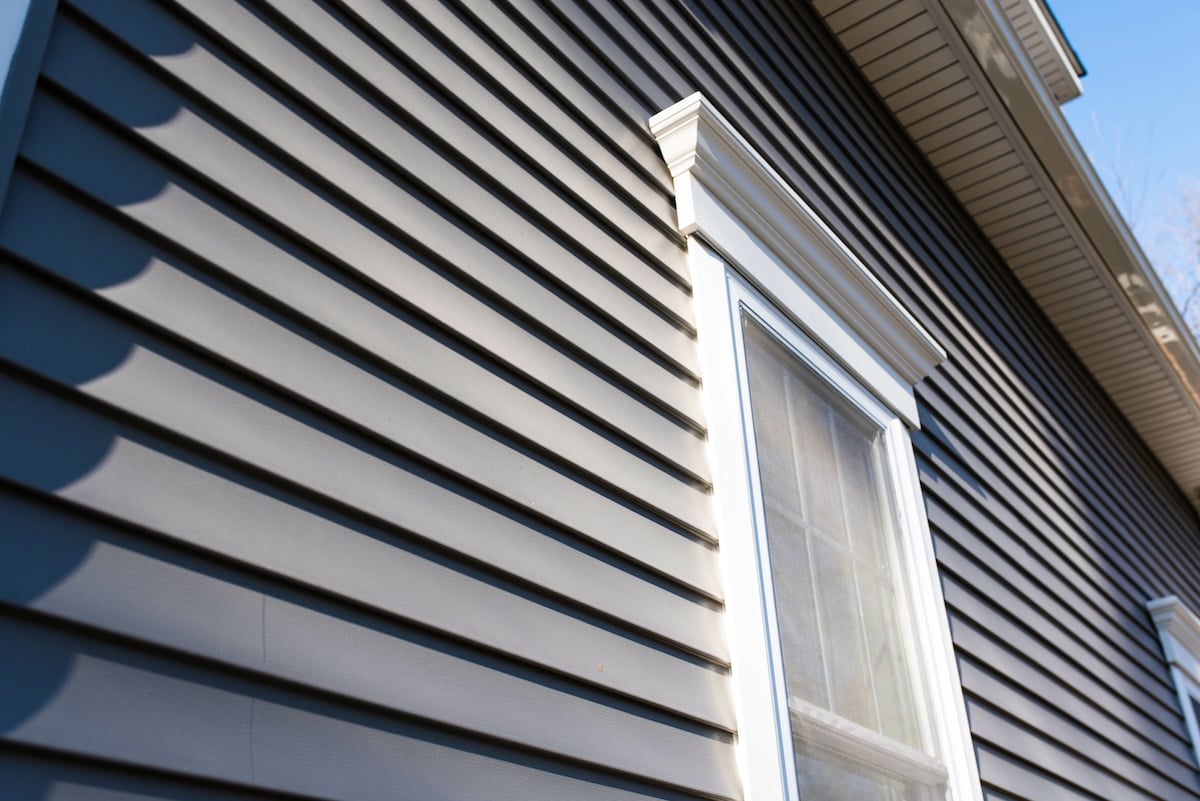
APCO siding refers to the high-performance exterior cladding solutions offered by APCO Industries, a premier home improvement leader specializing in vinyl, fiber cement, and engineered wood siding. As of 2026, their overview highlights a focus on weather-resistant durability, energy-efficient insulated profiles, and professional-grade installation tailored for the Midwest climate.
Selecting the right siding is one of the most significant investments a homeowner can make in 2026. The exterior envelope of a home serves as both its first line of defense against the elements and its primary source of curb appeal. APCO Industries has established itself as a dominant force in the exterior remodeling sector, particularly in the Ohio region, by providing a comprehensive approach that combines manufacturing expertise with specialized installation.
This overview examines the specific materials used in APCO siding projects, the technical advantages of their installation methodologies, and a comparison of the various product lines available to homeowners. Whether you are addressing storm damage, seeking to lower energy costs, or aiming to modernize an aging facade, understanding the nuances of APCO's offerings is essential for an informed decision.
The Identity and Heritage of APCO Industries
To understand APCO siding, one must first recognize the organization behind the product. Founded in 1962, APCO (originally an acronym for Aluminum Products Company of Ohio) began as a manufacturer of aluminum siding and storm windows. Over the decades, the company evolved alongside the industry, transitioning from aluminum to high-tech vinyl and eventually incorporating advanced composites like fiber cement and engineered wood.
In 2026, APCO remains unique because it operates as both a direct installer and a curated distributor of top-tier brands. This "dual-role" allows them to offer specific warranties that cover both the product integrity and the workmanship—a critical distinction in an industry where many contractors only provide a one-year labor guarantee. Their siding solutions are engineered to withstand the specific temperature fluctuations, moisture levels, and wind loads common in the North Central United States.
Primary Siding Material Categories
APCO categorizes its siding solutions into four primary material groups. Each is designed to meet different aesthetic preferences, maintenance requirements, and budget constraints.
1. Advanced Vinyl Siding Systems
Vinyl remains the most popular siding choice in 2026 due to its cost-effectiveness and low maintenance requirements. APCO’s vinyl offerings are not standard "builder-grade" materials. They utilize high-gauge panels (typically 0.044 to 0.050 inches thick) that resist sagging and impact damage.
- Insulated Vinyl: These systems feature a rigid foam backing that is contoured to the shape of the siding panel. This adds structural rigidity and significantly improves the R-value (thermal resistance) of the home's exterior walls.
- Designer Profiles: APCO provides vinyl in various styles, including traditional clapboard, Dutch lap, and cedar shake impressions, allowing for a wood-like appearance without the susceptibility to rot.
2. Fiber Cement Siding (James Hardie Partnership)
For homeowners seeking the ultimate in durability and fire resistance, APCO is a recognized installer of James Hardie fiber cement siding. This material is composed of cement, sand, and cellulose fibers. It is non-combustible and specifically engineered to resist the "freeze-thaw" cycles that can cause other materials to crack or delaminate.
3. Engineered Wood Siding (LP SmartSide)
LP SmartSide is the primary engineered wood product in the APCO catalog. It offers the authentic texture of real wood but is treated with a proprietary SmartGuard process. This treatment uses zinc borate and resins to protect against fungal decay and termite infestation. It is often favored for its impact resistance against hail and stray golf balls.
4. Specialized Cellular PVC and Composites
For high-end architectural projects, APCO utilizes cellular PVC siding. This material is moisture-proof and can be cut and installed with the precision of fine woodworking, making it ideal for historic restorations or modern luxury homes that require crisp lines and deep shadow marks.
Technical Specifications and Energy Efficiency
The technical performance of APCO siding is measured by its ability to manage heat transfer and moisture. In the current 2026 energy landscape, the "whole-wall" R-value is a key metric. Standard siding provides very little insulation, but APCO’s integrated systems address this through several layers.
Thermal Bridging Mitigation
Most homes have "thermal bridges"—studs in the wall that allow heat to bypass fiberglass batts. APCO’s insulated siding acts as a continuous layer of thermal protection, breaking these bridges. This can reduce energy loss by up to 20% in older homes.
Permeability and Vapor Management
While keeping water out is vital, a home must also "breathe." APCO siding installations utilize high-quality house wraps (such as Tyvek or HardieWrap) that have a specific "perm rating." This allows interior moisture vapor to escape, preventing mold growth within the wall cavity while simultaneously acting as an air barrier to stop drafts.
Wind Load Resistance
In regions prone to severe thunderstorms, wind lift is a major concern. APCO siding systems are tested to withstand wind speeds exceeding 110 mph. This is achieved through reinforced nail hems and locking mechanisms that ensure the panels remain attached even under high negative pressure.
The APCO Installation Standards
A siding product is only as effective as its installation. APCO employs a rigorous set of standards that go beyond the basic manufacturer requirements. These standards are designed to prevent the most common siding failures: buckling, moisture intrusion, and rattling.
Precise Flashing and Sealants
The most vulnerable points of any siding system are the "penetrations"—windows, doors, and vents. APCO installers utilize custom-bent aluminum flashing and high-performance OSI QUAD sealants. This ensures that water is diverted away from the sheathing and channeled down the exterior of the siding.
Expansion and Contraction Management
Vinyl and engineered wood expand and contract with temperature changes. If nailed too tightly, the siding will "oil-can" or buckle. APCO technicians are trained to "hang" the siding, leaving specific gaps at the J-channels and using "floating" nails to allow for natural movement.
Structural Inspection
Before new siding is applied, APCO crews perform a thorough inspection of the underlying substrate. If any rot is found in the OSB or plywood sheathing, it is replaced. Installing new siding over compromised wood is a leading cause of premature failure, a practice that APCO’s protocols strictly forbid.
Cost Considerations and Value Analysis
In 2026, the cost of an APCO siding project is influenced by material choice, the architectural complexity of the home, and the current price of raw polymers and fibers. Generally, siding is priced by the "square" (a 10-foot by 10-foot area).
| Material Type | Estimated Cost per Square (Installed) | Maintenance Level | Expected Lifespan |
|---|---|---|---|
| Standard Vinyl | $650 – $950 | Very Low | 25 – 30 Years |
| Insulated Vinyl | $900 – $1,300 | Very Low | 30 – 40 Years |
| LP SmartSide | $1,100 – $1,600 | Moderate (Requires Paint) | 50 Years |
| James Hardie Fiber Cement | $1,250 – $1,800 | Moderate (Requires Paint) | 50+ Years |
| Cellular PVC | $1,800 – $2,500+ | Low | Lifetime |
Note: Prices are estimates for the 2026 market and include removal of old siding and standard trim work.
While the initial investment for fiber cement or engineered wood is higher, these materials often provide a higher Return on Investment (ROI) in terms of home resale value. According to various Remodeling Magazine Cost vs. Value reports, siding replacement consistently ranks as one of the top exterior projects for recovering costs at the time of sale.
Maintenance Requirements by Material
To preserve the warranty and aesthetic of APCO siding, homeowners must follow specific maintenance schedules.
- Vinyl Siding: Requires an annual wash with a soft-bristle brush and a solution of mild soap and water. High-pressure washing is generally discouraged as it can force water behind the panels.
- Fiber Cement: While the ColorPlus technology used by James Hardie is highly fade-resistant, the caulking around windows and joints should be inspected every 3–5 years and replaced as needed to maintain the watertight seal.
- Engineered Wood: Requires periodic repainting (typically every 10–15 years depending on sun exposure) and inspection for any chips in the finish that could expose the wood fibers to moisture.
Pros and Cons of APCO Siding Solutions
Evaluating the strengths and weaknesses of the APCO approach helps determine if their services align with your specific project goals.
Advantages
- Localized Expertise: APCO understands the Midwestern climate, selecting materials that won't crack in sub-zero temperatures or warp in humid summers.
- Single-Source Accountability: Because they often handle both the product and the labor, there is no "finger-pointing" if a warranty issue arises.
- Design Consultation: They offer digital visualization tools that allow homeowners to see how different colors and profiles will look on their specific house before installation begins.
Disadvantages
- Premium Pricing: APCO is rarely the "lowest bidder." Their focus on high-quality materials and certified labor means their quotes are often higher than independent, small-scale contractors.
- Regional Availability: Their primary service footprint is concentrated in the Ohio area, making their full installation packages unavailable to homeowners in other parts of the country.
Warranty Verification and Consumer Protection
In 2026, APCO provides a multi-tiered warranty system. This usually includes a Limited Lifetime Warranty on the vinyl products and a 30-year non-prorated warranty on fiber cement substrates. However, the most critical component for many is the APCO Workmanship Warranty.
Homeowners should verify the specific duration of the labor warranty, as it often ranges from 5 to 10 years, which is significantly longer than the industry standard of one year. It is also advisable to check the Better Business Bureau (BBB) for the company's current rating and to ensure they maintain active registration with the Vinyl Siding Institute (VSI).
Frequently Asked Questions
Does APCO siding provide better insulation than standard siding?
Yes, specifically their insulated vinyl lines. By adding a layer of rigid-cell foam backing, APCO siding creates a "thermal envelope" that reduces energy transfer through the wall studs. This can improve the R-value of your exterior walls by 2.0 to 3.5, depending on the specific product chosen.
How long does a typical APCO siding installation take?
For an average-sized single-family home, the process usually takes 7 to 10 business days. This timeframe includes the removal of existing siding, any necessary repairs to the sheathing, the installation of the house wrap and flashing, and the final application of the siding and trim.
Can I paint my APCO vinyl siding if I want to change the color?
While it is technically possible to paint vinyl siding using specialized "vinyl-safe" paints, it is generally not recommended and may void the manufacturer’s warranty. If you anticipate wanting a color change in the future, fiber cement or engineered wood are better choices, as they are designed to be repainted.
Is fiber cement siding better than vinyl for fire protection?
Yes. Fiber cement (James Hardie) is non-combustible and has a Class A fire rating. It will not ignite when exposed to a direct flame and will not contribute fuel to a fire. Vinyl, while treated with flame retardants, will eventually melt and deform when exposed to high heat.
Does APCO offer financing for siding projects?
In 2026, APCO typically partners with third-party lenders to offer various financing options, including "same-as-cash" periods and long-term low-interest loans. Eligibility is subject to credit approval, and terms can vary based on the total project cost.
Practical Recommendation
If you are considering APCO siding in 2026, the most effective next step is to schedule an on-site structural assessment rather than seeking a simple "over-the-phone" estimate. Because siding performance is so dependent on the condition of your home’s underlying sheathing and framing, a physical inspection is required to identify potential moisture issues that could compromise the new installation. Prioritize the "Insulated Vinyl" or "Fiber Cement" options if you plan to stay in your home for more than ten years, as the energy savings and durability of these materials provide the best long-term value.