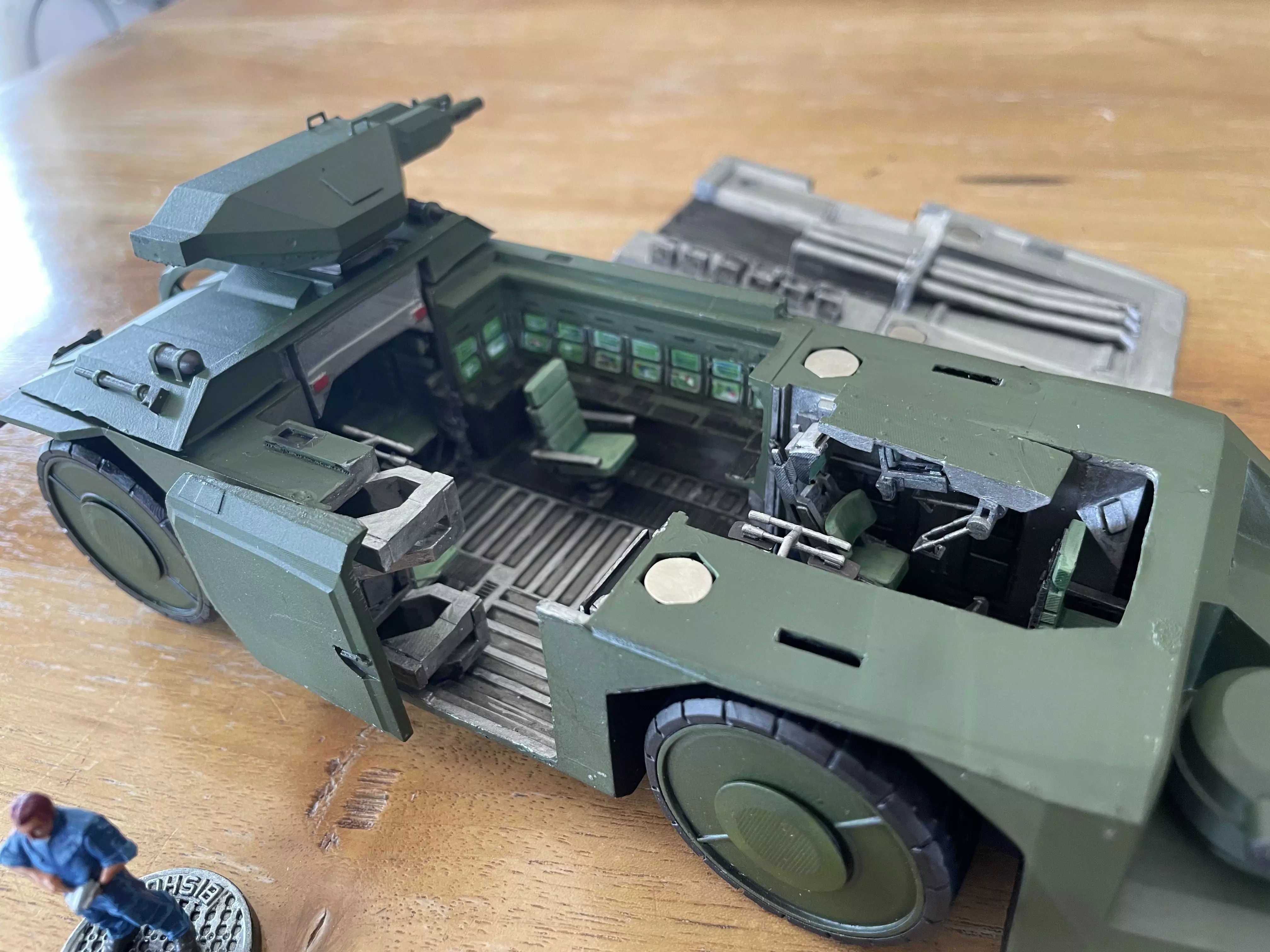
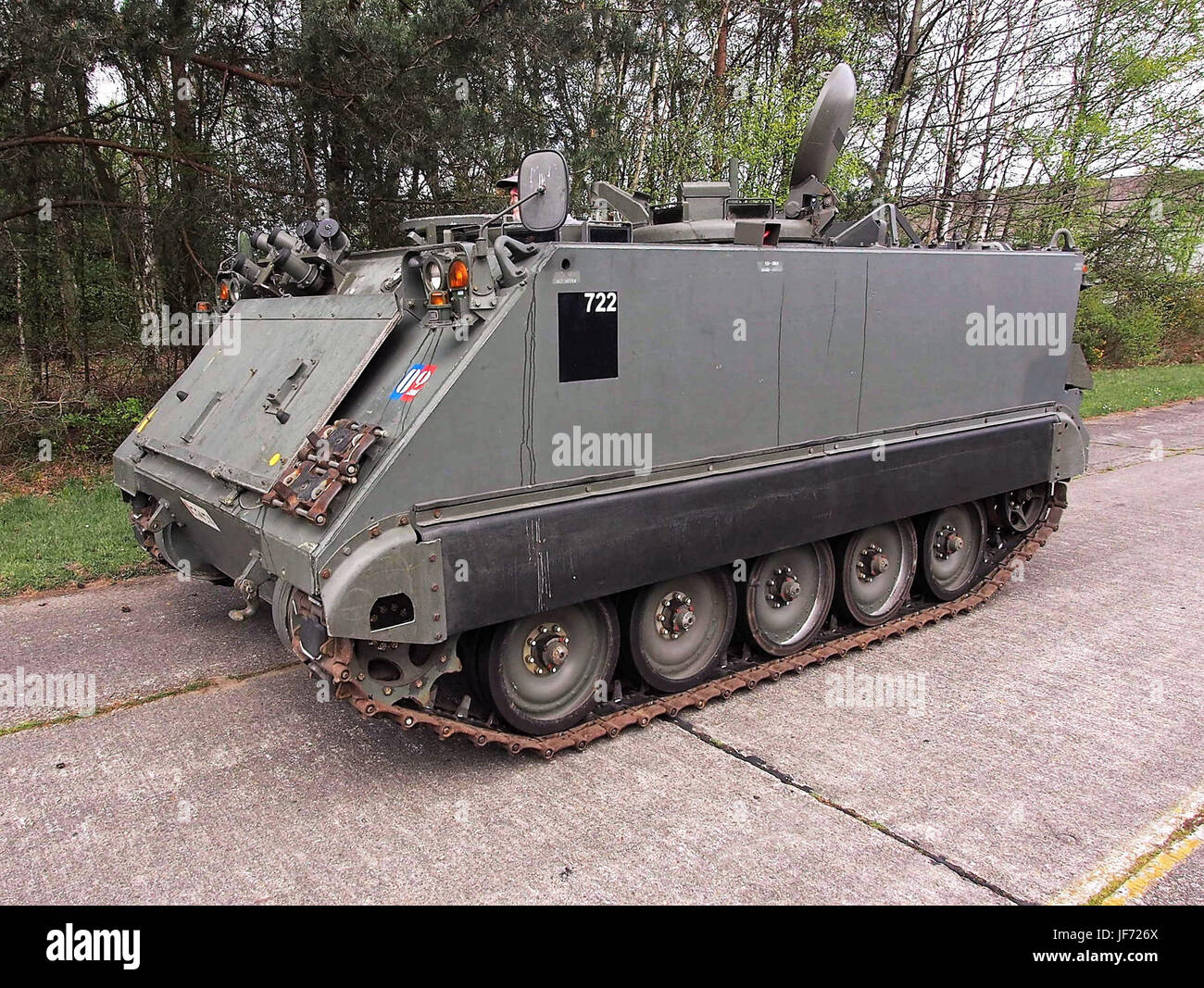
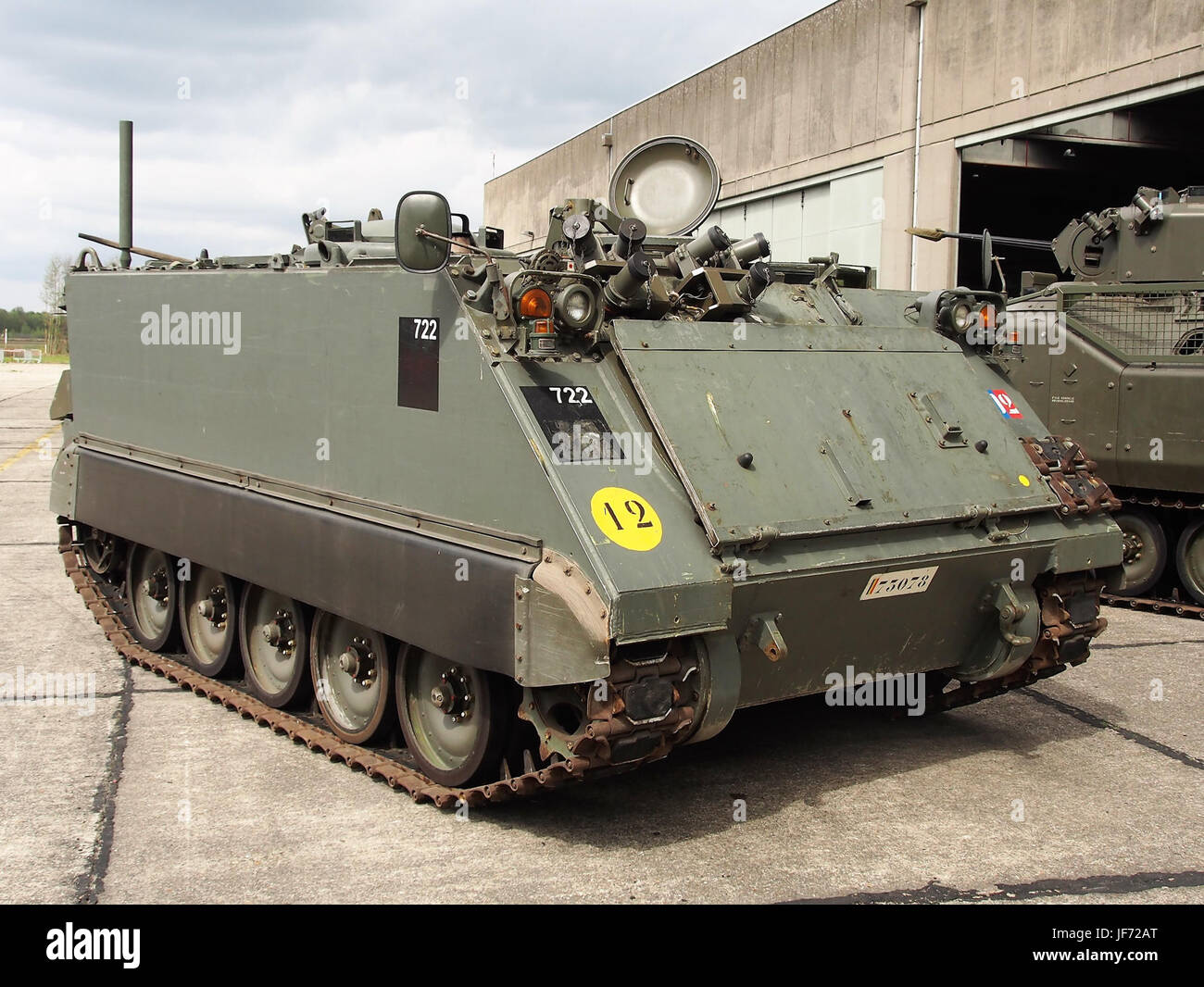
The acronym APC stands for armored personnel carrier, a specialized combat vehicle designed to transport infantry to the front lines while providing protection against small arms fire, shrapnel, and environmental hazards. Unlike infantry fighting vehicles, APCs are primarily "battlefield taxis" intended for transport rather than direct engagement with enemy armor.
The Fundamental Role of the Armored Personnel Carrier
In modern military doctrine as of 2026, the armored personnel carrier remains a cornerstone of mechanized infantry. Its primary purpose is to deliver a squad of soldiers—typically ranging from 8 to 12 individuals—directly to an objective or as close to the "edge of the battle" as safety permits. The APC fills a vital gap between soft-skinned transport trucks, which offer no protection against ambush, and main battle tanks, which lack the internal volume to carry infantry.
The core philosophy of an APC is mobility and protection over firepower. While most APCs carry defensive armament, such as a heavy machine gun (e.g., the M2 Browning) or an automatic grenade launcher, they are not designed to lead an assault against fortified positions or other armored vehicles. Instead, they ensure that the infantry arrives at the combat zone fresh, organized, and shielded from the "fragmentation environment" of the modern battlefield.
APC vs. IFV: Distinguishing the Two
One of the most common points of confusion in defense terminology is the difference between an APC and an Infantry Fighting Vehicle (IFV).
- The APC focuses on transport. It usually has lighter armor and basic weaponry. Its goal is to drop off troops and then pull back or provide suppressive fire from a distance.
- The IFV (such as the M2 Bradley or the Puma) is designed to fight alongside the infantry. It carries heavier autocannons (20mm to 40mm), anti-tank guided missiles (ATGMs), and significantly thicker armor.
As we look at the global inventories in 2026, the line occasionally blurs due to modularity, but the fundamental distinction remains: if the vehicle’s primary mission is to move people safely, it is an APC.
Historical Evolution of the APC
The concept of the armored personnel carrier emerged from the carnage of the First World War. Infantry following tanks across "No Man's Land" were decimated by machine-gun fire. This led to early experiments, such as the British Mark IX tank, which was specifically designed to carry 30 soldiers. However, it was not until World War II that the APC became a tactical necessity.
The Era of the Half-Track
During World War II, the most recognizable APCs were "half-tracks," such as the American M3 and the German Sd.Kfz. 251. These vehicles used wheels in the front for steering and tracks in the rear for traction. While they provided protection against small arms, they were often open-topped, leaving the occupants vulnerable to overhead artillery bursts and grenades.
The Cold War and the Rise of the M113
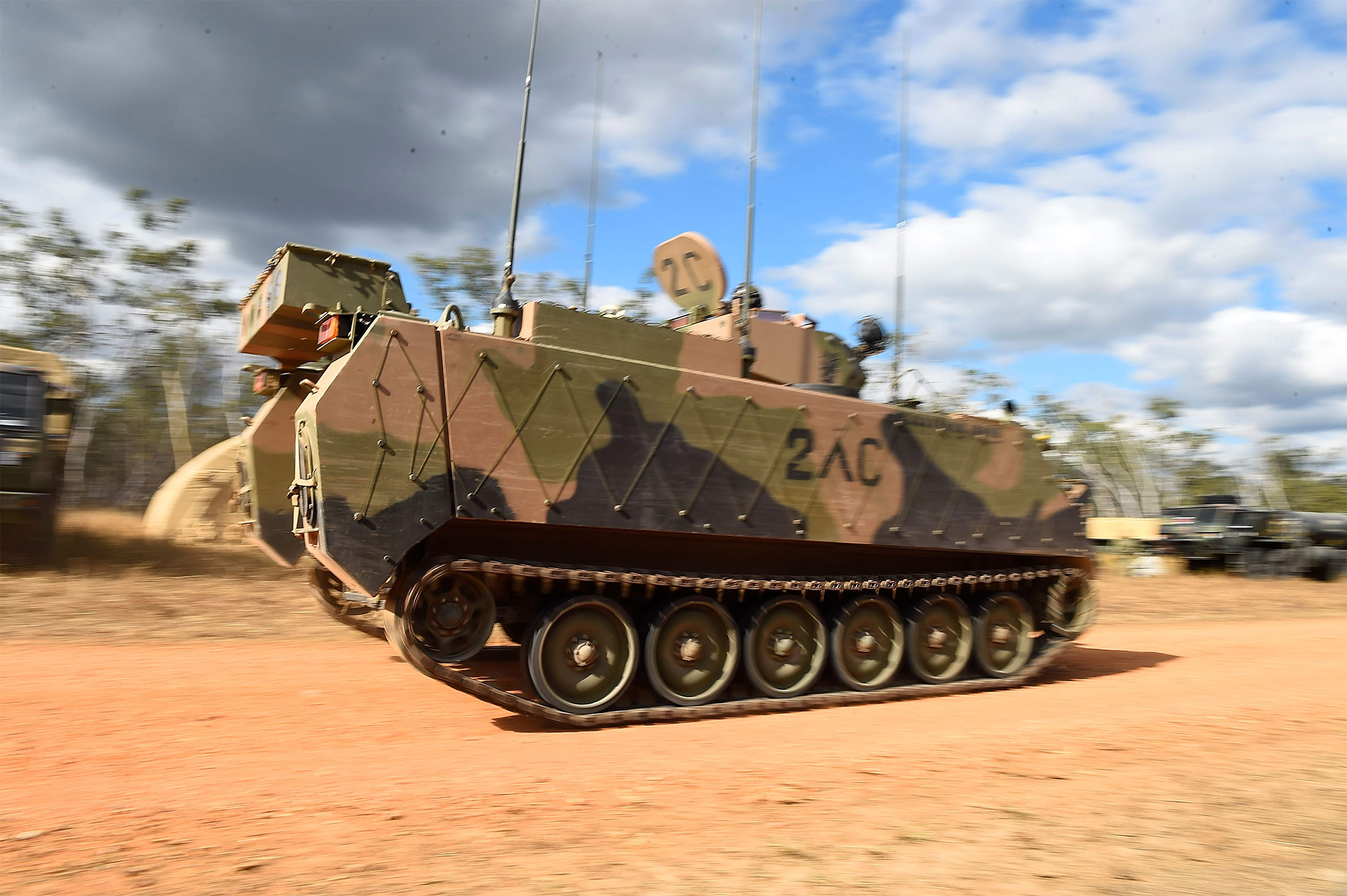
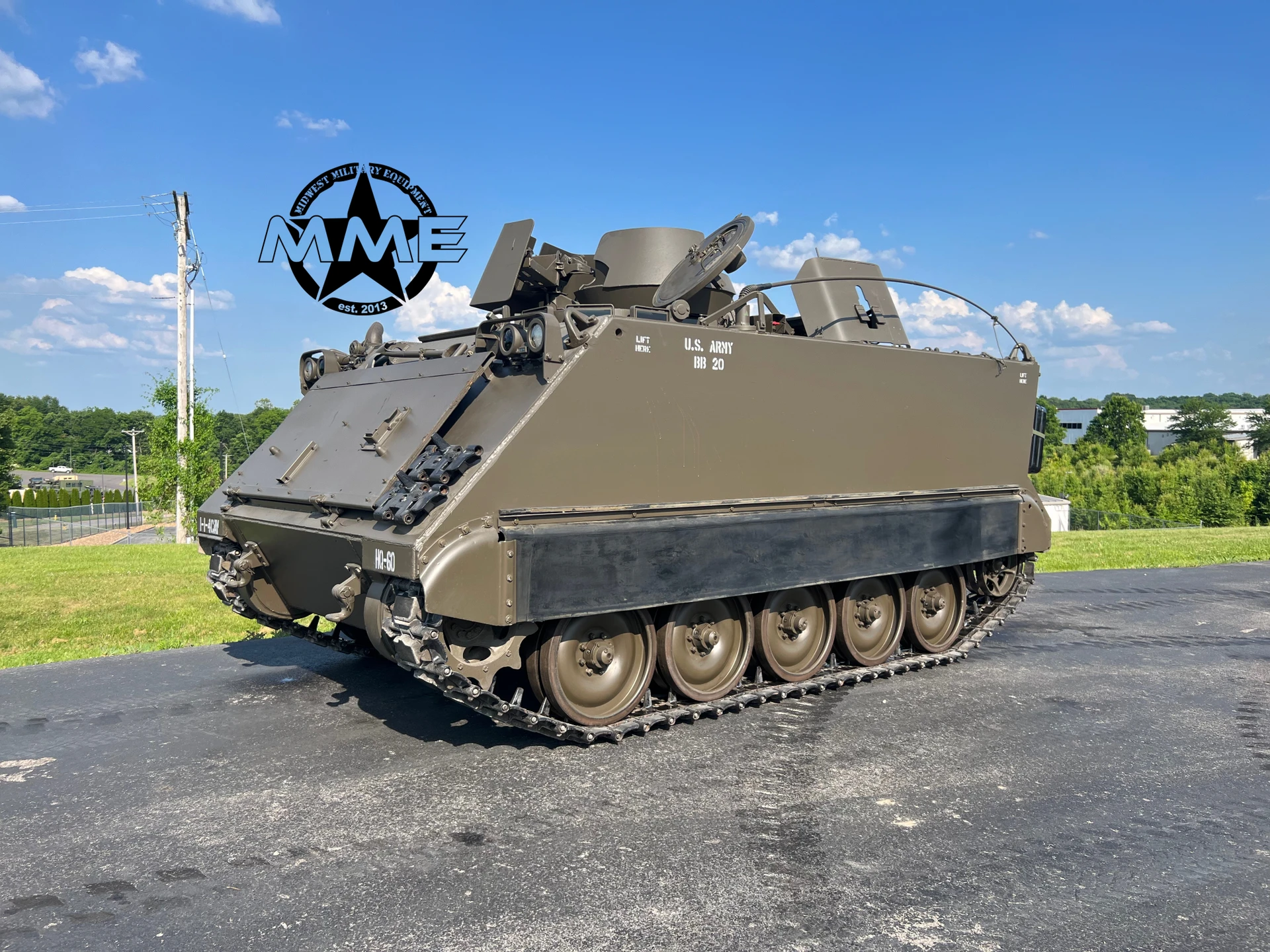
The post-war era saw the development of fully enclosed, tracked APCs. The most iconic of these is the M113, introduced by the United States in the 1960s. Made of aluminum armor to save weight and allow for amphibious operations, the M113 became the "standard" APC for dozens of nations. In the East, the Soviet Union developed the BTR series (wheeled) and the MT-LB (tracked), emphasizing high mobility across the vast plains of Europe and Asia.
The Modern Shift to Wheeled Platforms
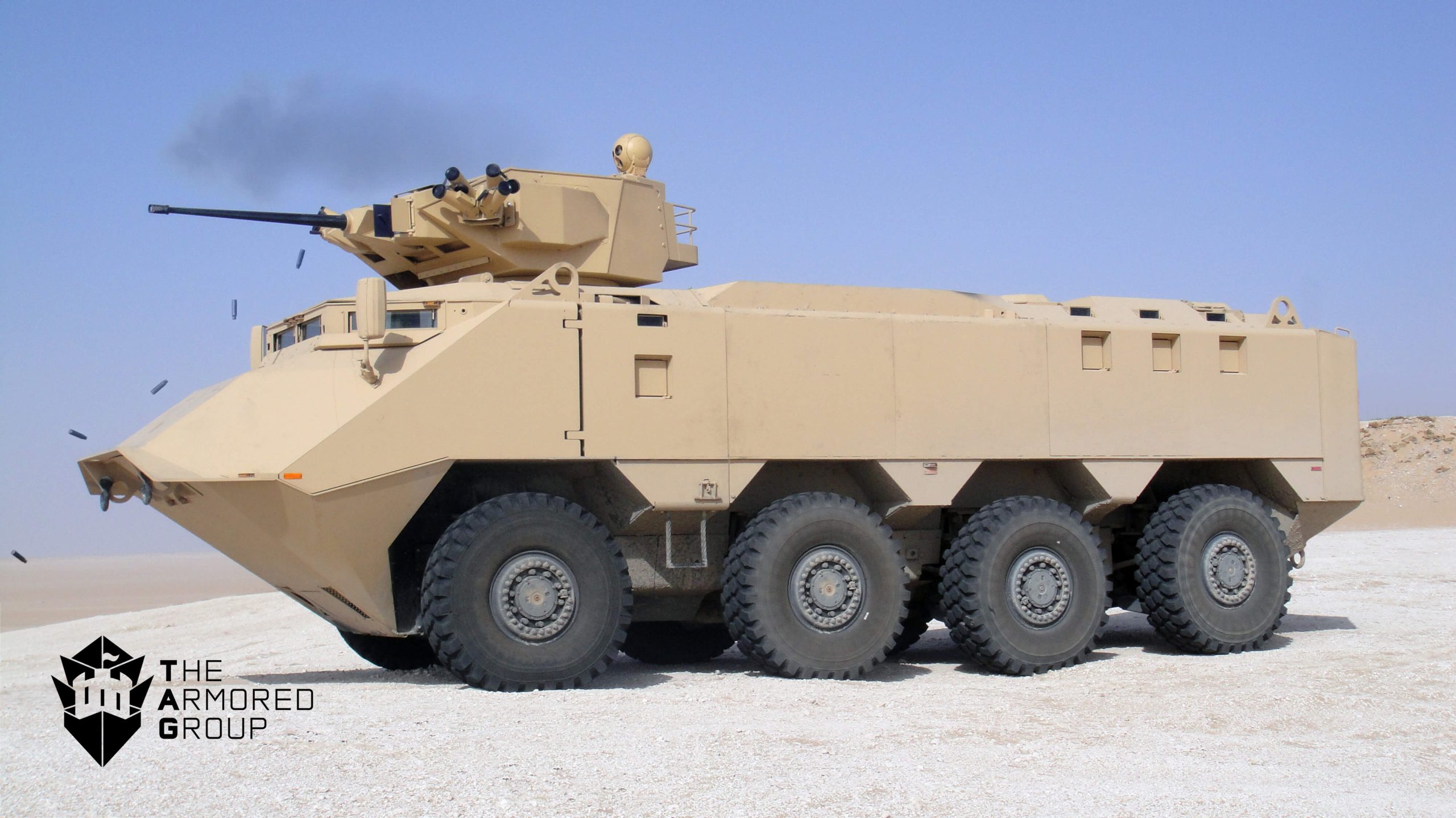
By the early 2000s, many militaries began shifting toward 8x8 wheeled APCs, such as the Stryker (USA), the Boxer (Germany/Netherlands), and the Patria AMV (Finland). Wheeled vehicles offer better operational mobility—meaning they can drive long distances on roads without needing heavy transport trailers—and lower maintenance costs compared to tracked vehicles.
Technical Specifications and Design Architecture
An APC's design is a balance of three competing factors: protection, mobility, and payload. In 2026, engineering advancements have allowed for significant improvements in all three categories without necessarily increasing the vehicle's footprint.
Hull Design and Protection
Modern APCs utilize high-strength steel or aluminum alloys, often supplemented by ceramic or composite add-on armor. A critical development in the last two decades is the V-shaped hull. This design deflects the blast of an Improvised Explosive Device (IED) or landmine away from the troop compartment, a feature that became standard following conflicts in the Middle East.
Armor protection is generally rated by the STANAG 4569 standard. A typical APC provides Level 3 or Level 4 protection, meaning it can withstand 7.62mm or 14.5mm armor-piercing rounds and artillery fragments from a specific distance.
Mobility: Tracks vs. Wheels
The choice between tracks and wheels defines the vehicle's tactical utility:
- Tracked APCs: Excel in "soft" terrain like deep mud, snow, or sand. They have a lower ground pressure, allowing them to follow tanks wherever they go. However, they are louder, slower on roads, and require more mechanical upkeep.
- Wheeled APCs: Modern 8x8 configurations provide nearly the same off-road capability as tracks but with much higher road speeds (often exceeding 100 km/h). They are also quieter, which is an advantage for stealthy troop insertions.
The Digital Backbone
In 2026, an APC is more than just a metal box; it is a node in a networked battlefield. Modern units are equipped with Battle Management Systems (BMS) that provide real-time GPS tracking of friendly and enemy forces. High-bandwidth radio systems and satellite links allow the squad inside to maintain "situational awareness" through external cameras and sensors before they even drop the rear ramp.
Comparative Overview of Modern APC Platforms
The following table compares three prominent APC platforms currently in service or active production as of 2026.
| Feature | M113A3 (Classic Tracked) | Stryker ICV (Wheeled) | Boxer MIV (Modular Wheeled) |
|---|---|---|---|
| Origin | United States | United States | Germany / Netherlands / UK |
| Drive Train | Tracked | 8x8 Wheeled | 8x8 Wheeled |
| Combat Weight | ~12.3 Tons | ~19 Tons | ~36.5 Tons (up-armored) |
| Max Speed | 66 km/h | 97 km/h | 103 km/h |
| Troop Capacity | 11 Soldiers + 2 Crew | 9 Soldiers + 2 Crew | 8 Soldiers + 3 Crew |
| Primary Armament | .50 Cal M2 Machine Gun | 12.7mm MG or 40mm AGL | Remote Weapon Station (RWS) |
| Key Strength | Low cost, high availability | Rapid deployability | Exceptional modularity and protection |
Operational Limitations and Challenges
Despite their importance, APCs are not invincible. Their role is strictly defined by their vulnerabilities, which commanders must account for in mission planning.
Vulnerability to Heavy Weaponry
An APC is not designed to withstand a hit from a tank's main gun or a heavy anti-tank guided missile (ATGM). In high-intensity conflicts, APCs must be used carefully, often following behind tanks or using terrain for cover. If an APC is caught in the open by an enemy IFV equipped with a 30mm autocannon, the results are usually catastrophic for the infantry inside.
Logistics and Maintenance
While wheeled APCs are easier to maintain than tracked ones, they still represent a significant logistical burden. They require specialized parts, high-grade fuel, and trained technicians. In 2026, the increasing complexity of electronics and Active Protection Systems (APS) has added another layer of required maintenance, making the "cost per mile" of operating an APC higher than ever before.
Urban Warfare Constraints
In narrow city streets, APCs face threats from all angles, including "top-down" attacks from rooftops. Their size can make them difficult to maneuver, and their limited visibility (though improved by cameras) makes them susceptible to close-quarters ambushes using RPGs (Rocket-Propelled Grenades).
The Future of APCs: Trends and Innovations in 2026
As of 2026, several key trends are reshaping how APCs are built and utilized. These innovations focus on increasing the survivability of the infantry while reducing the risk to the vehicle itself.
1. Active Protection Systems (APS)
Many modern APCs are now being retrofitted with systems like the Trophy or Iron Fist. These systems use radar to detect incoming projectiles and fire a "counter-munition" to destroy the threat before it hits the vehicle's armor. This allows lighter APCs to survive threats that would previously have required heavy tank armor.
2. Hybrid and Electric Propulsion
To reduce the thermal and acoustic signature of these vehicles, several manufacturers are testing hybrid-electric drives. A "silent watch" capability allows the APC to run its electronics and sensors for hours without the main engine running, and a "silent drive" mode allows for low-speed movement using electric motors, making it significantly harder for enemy thermal sensors to detect the vehicle.
3. Unmanned and Autonomous Variants
The concept of the "Unmanned APC" is gaining traction. These are robotic platforms designed to carry supplies or evacuate wounded soldiers from high-risk zones without putting a human driver at risk. While fully autonomous troop transport is still in the testing phases in 2026, remote-controlled logistics carriers are becoming common.
4. Drone Integration
Modern APCs are increasingly acting as "motherships" for Small Unmanned Aerial Systems (sUAS). Before the infantry exits the vehicle, they can launch a tethered or free-flying drone from the roof to scout the surrounding buildings and woods, ensuring they aren't stepping into a kill zone.
FAQ: Frequently Asked Questions
What is the difference between an APC and a tank?
A tank is a heavily armored offensive weapon system with a large-caliber gun (usually 120mm) designed to destroy other vehicles and fortifications. An APC is a transport vehicle with lighter armor and minimal weaponry designed to carry infantry safely across the battlefield. Tanks lead the fight; APCs bring the soldiers to the fight.
Can an APC be amphibious?
Yes, many APCs are designed with amphibious capabilities. For example, the older M113 can "swim" using its tracks for propulsion, while many BTR and Patria models use water jets. However, most modern, heavily armored 8x8 vehicles have become too heavy for natural buoyancy and require significant preparation or specialized kits to cross deep water.
Why do some APCs use wheels instead of tracks?
Wheels are preferred for missions requiring high speed, long-distance travel on paved roads, and lower operating costs. Wheeled vehicles are also generally quieter and exert less stress on the crew during long transits. Tracks are reserved for missions requiring maximum "all-terrain" capability, particularly in mud or heavy snow where wheels might get stuck.
How many soldiers can a standard APC carry?
While it varies by model, a standard APC typically carries a full infantry squad, which is usually between 8 and 10 dismounted soldiers, plus a crew of 2 or 3 (driver, commander, and sometimes a gunner).
Is the Stryker an APC or an IFV?
Technically, the Stryker is classified as an Infantry Carrier Vehicle (ICV), which is a specific type of APC. While some variants carry a 30mm cannon (making them more like an IFV), the standard version carries a .50 caliber machine gun or MK19 grenade launcher, fitting the classic definition of an armored personnel carrier.
Practical Recommendation for Military Hardware Analysis
When evaluating the effectiveness of an APC in a modern context, do not look solely at armor thickness or top speed. Instead, focus on the system modularity and electronic architecture. In 2026, the most valuable APCs are those that can be quickly reconfigured for different roles—such as an ambulance, a command post, or a mortar carrier—while providing the crew with 360-degree digital situational awareness. For defense contractors and procurement officers, prioritizing vehicles with "open architecture" ensures that the platform can be upgraded with new drone-countermeasure or communication technology as threats evolve over the next decade.