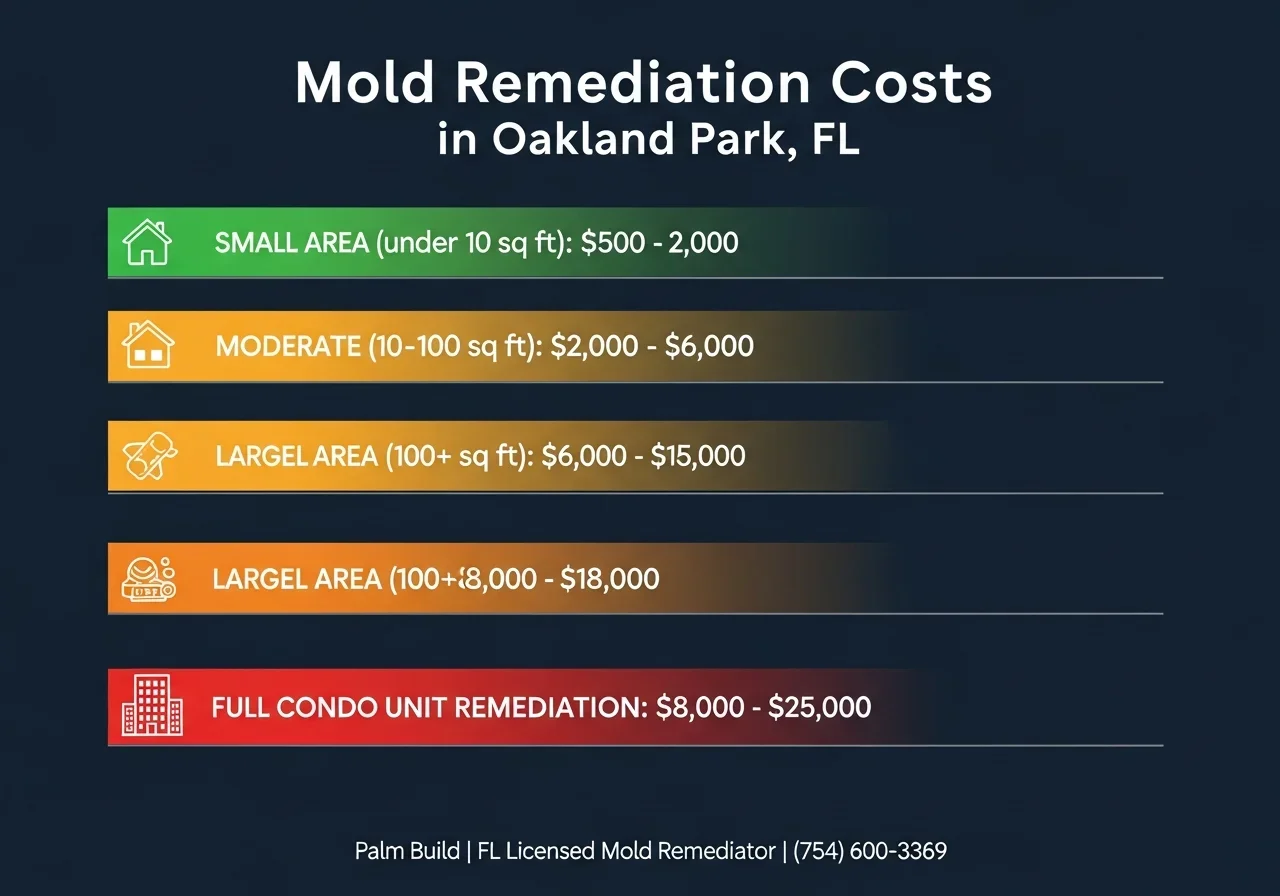
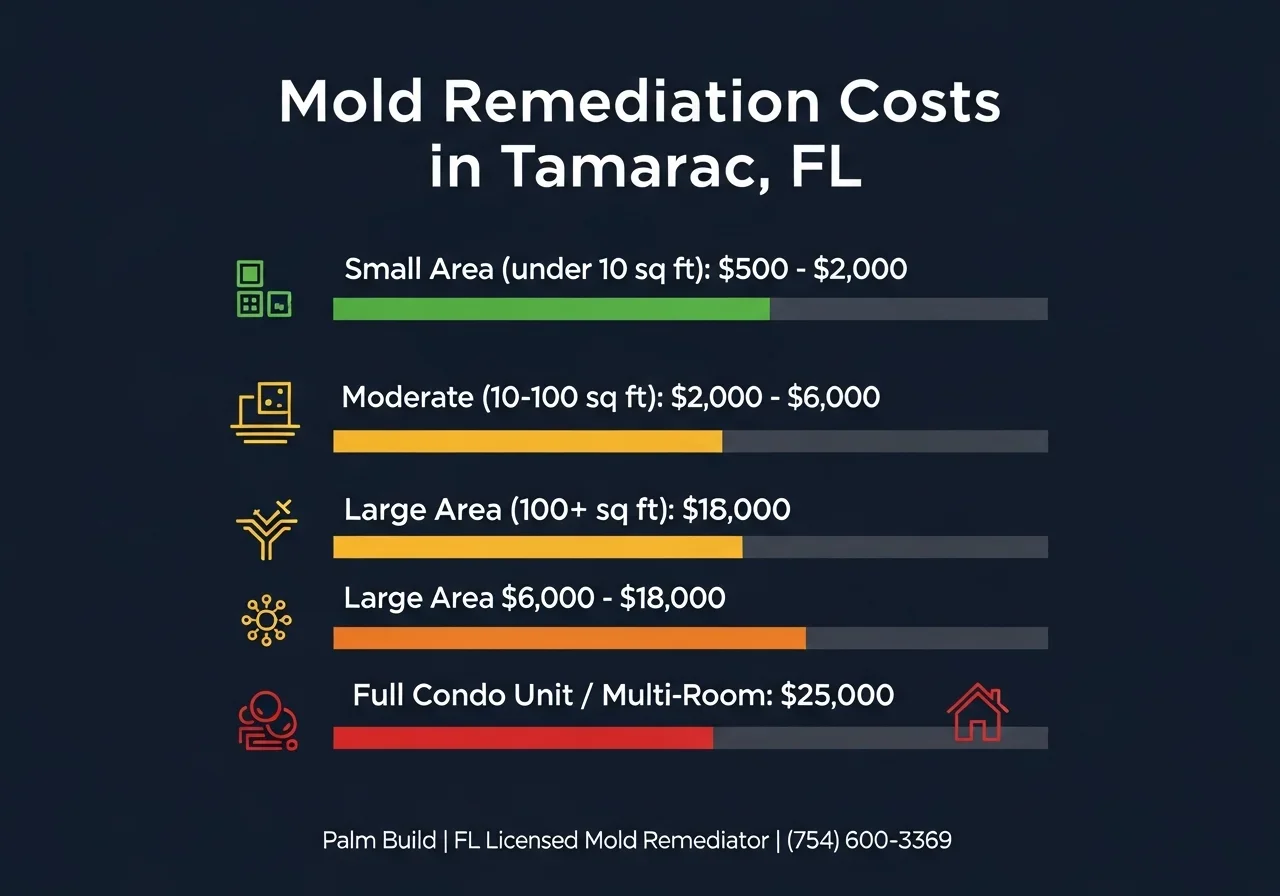
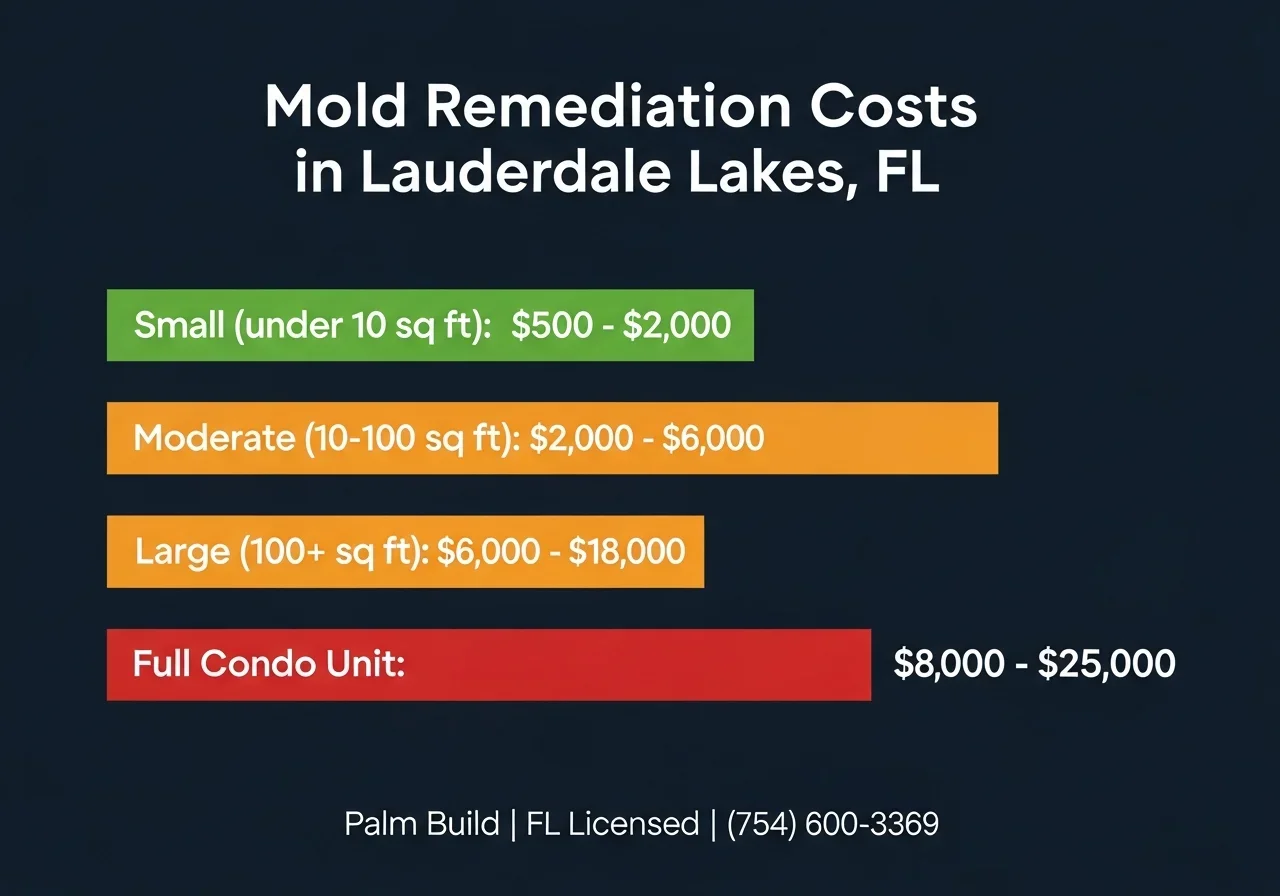
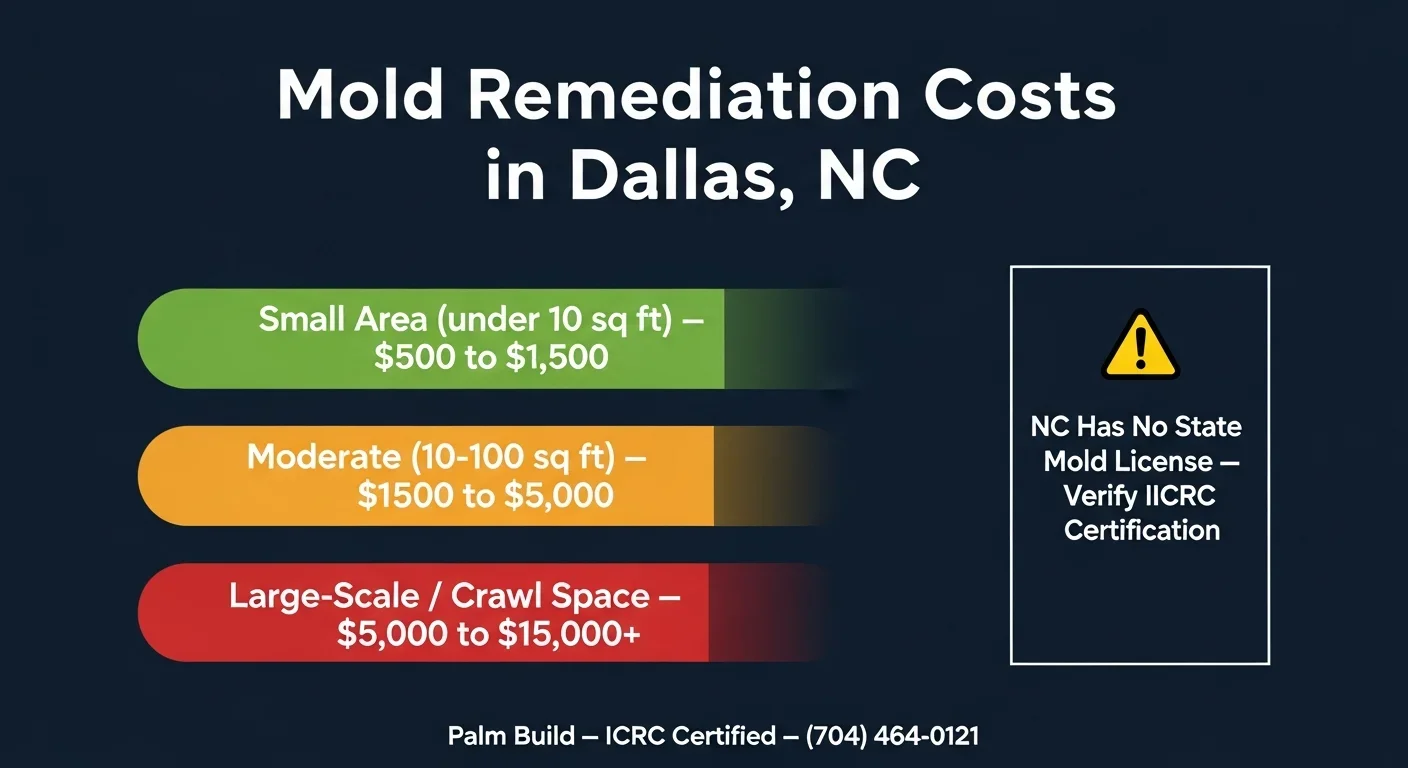
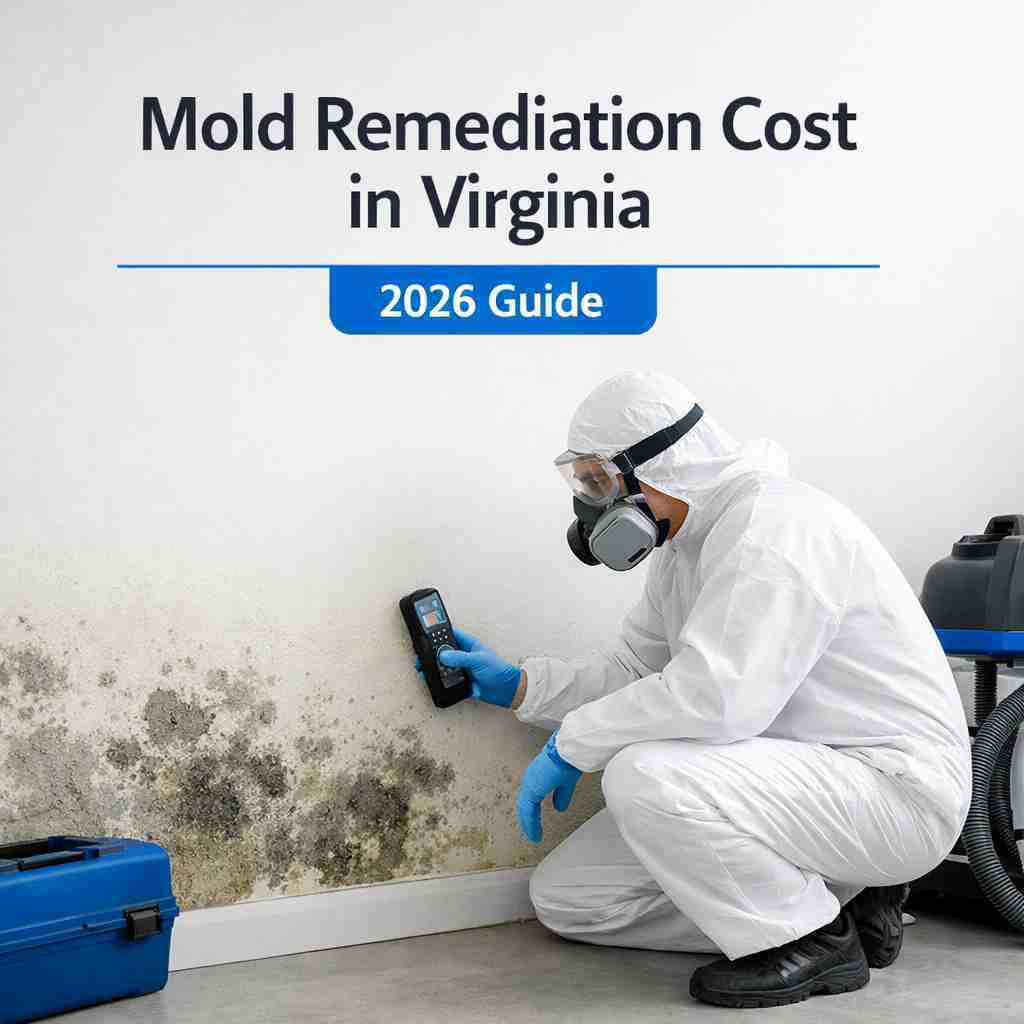
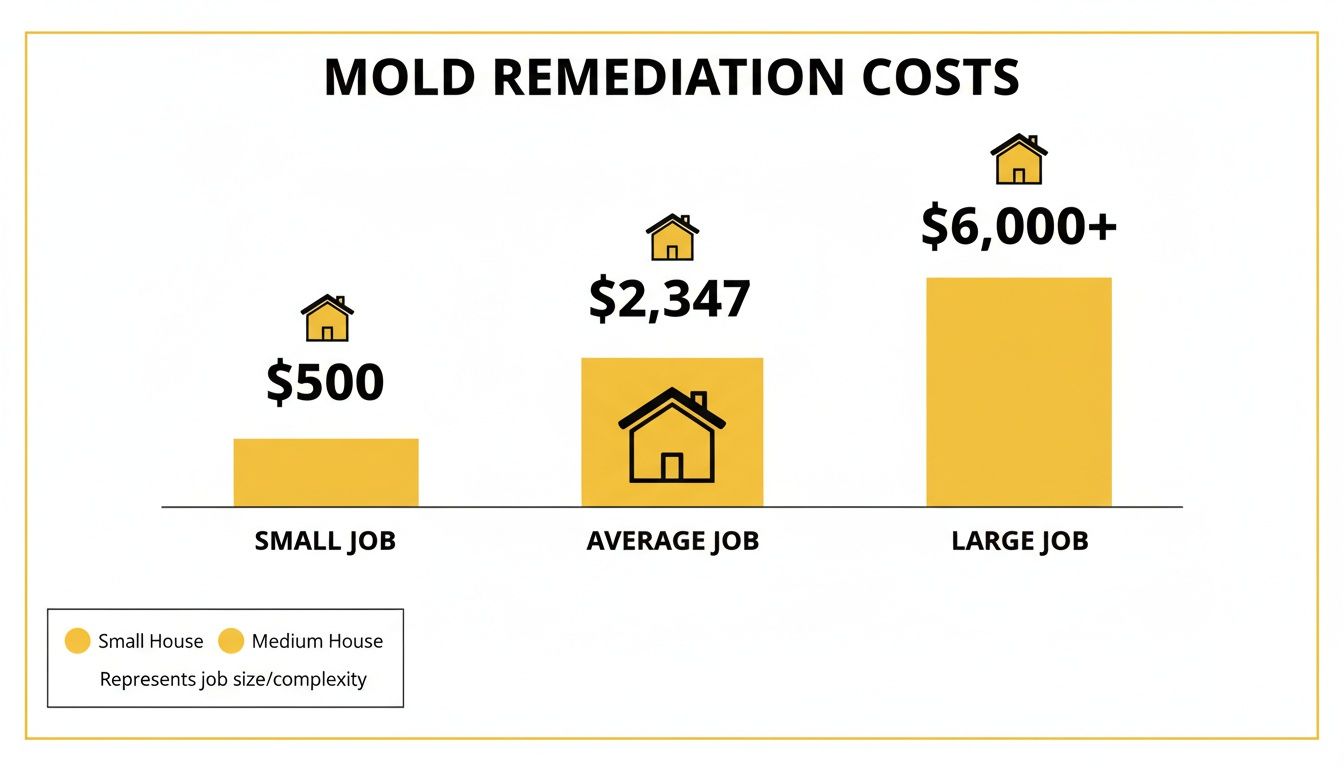
In 2026, the typical apartment mold remediation cost range falls between $500 and $6,000, with most minor to moderate cases averaging around $2,500. However, extensive structural damage or contamination within shared HVAC systems in high-rise buildings can drive costs well beyond $10,000, depending on the square footage and accessibility of the affected area.
Mold growth in an apartment is a complex issue that intersects property management, public health, and construction. Unlike a detached single-family home, an apartment unit is part of a larger ecosystem where shared walls, plumbing stacks, and ventilation systems can facilitate the spread of spores. Addressing mold in this environment requires a precise understanding of containment and local building codes. Whether you are a tenant seeking a healthy living environment or a landlord protecting an asset, understanding the financial and technical landscape of mold remediation is essential for a resolution that sticks.
Understanding the Factors That Drive Remediation Costs
The cost of removing mold from an apartment is rarely a flat fee. Instead, it is a calculation based on the level of infestation, the materials affected, and the labor required to restore the unit to a habitable state. In 2026, labor costs remain the most significant variable, influenced by regional economic conditions and the specialized certifications required for mold technicians.
1. Scope and Square Footage
The most obvious factor is the size of the affected area. Remediation companies often categorize projects by the "level" of contamination:
- Level 1 (Minor): Under 10 square feet. This often involves surface mold on bathroom tiles or a small patch of drywall behind a leaky sink.
- Level 2 (Moderate): 10 to 30 square feet. This may require removing sections of drywall or flooring and is common after minor pipe bursts.
- Level 3 (Extensive): Over 30 square feet or mold hidden within walls and ventilation. This requires heavy containment and specialized air scrubbing equipment.
2. Location and Accessibility
In an apartment setting, accessibility plays a massive role in the final bill. If the mold is located inside a wall cavity that shares plumbing with an adjacent unit, the remediation team must take extra care to prevent cross-contamination. Working in high-rise buildings often incurs "logistics fees" for transporting equipment via service elevators and managing waste disposal in accordance with strict urban regulations.
3. Type of Material Affected
Removing mold from non-porous surfaces like metal, glass, or finished tile is relatively inexpensive because these materials can be cleaned and disinfected. However, porous materials like drywall, insulation, carpeting, and baseboards usually cannot be "cleaned" once mold has taken root. These must be removed and replaced, adding significantly to the material and disposal costs.
4. Testing and Post-Remediation Verification
Professional mold remediation begins and ends with testing. An initial inspection in 2026 typically costs between $250 and $600. This identifies the species of mold and the concentration of spores in the air. Post-remediation verification (PRV), often called "clearance testing," is a final check to ensure the air quality has returned to safe levels. Skipping this step is a common mistake that can lead to re-infestation and higher long-term costs.
Breakdown of Apartment Mold Remediation Costs (2026 Estimates)
The following table provides a generalized range of costs based on the severity and location of the mold within a standard apartment unit.
| Remediation Category | Estimated Cost Range | Common Services Included |
|---|---|---|
| Small Surface Patch | $500 – $1,200 | Professional cleaning, HEPA vacuuming, antimicrobial treatment. |
| Bathroom/Kitchen Leak | $1,500 – $3,500 | Drywall removal, cabinetry cleaning, dehumidification, vanity repair. |
| HVAC / Ductwork | $2,000 – $5,000 | Specialized duct cleaning, filter replacement, coil disinfection. |
| Attic/Crawlspace (Top/Bottom Units) | $3,500 – $7,000 | Fogging, insulation replacement, structural wood cleaning. |
| Whole-Unit Remediation | $6,000 – $15,000+ | Full containment, negative air pressure, extensive demolition, structural drying. |
The "Who Pays?" Dilemma: Landlord vs. Tenant Responsibility
One of the most contentious aspects of apartment mold remediation is determining who is financially responsible. In most jurisdictions, this is governed by the "Warranty of Habitability," a legal doctrine that requires landlords to keep a rental property in a condition fit for human occupation.
Landlord Responsibility
If the mold is caused by a structural defect, such as a leaking roof, a pipe burst inside the walls, or a failing HVAC system provided by the building, the landlord is generally responsible for the entire cost of remediation. They are also responsible for ensuring the apartment is dried correctly after a flood. In 2026, many states have updated their health codes to explicitly list mold as a habitability violation if it exceeds a specific surface area.
Tenant Responsibility
If the mold is a direct result of tenant behavior—such as failing to use bathroom exhaust fans, keeping the unit at excessively high humidity levels, or failing to report a visible leak for several months—the landlord may attempt to hold the tenant liable for the remediation costs. Tenants are encouraged to document all maintenance requests in writing to provide a paper trail should a dispute arise.
Insurance Considerations
Renters insurance typically does not cover mold remediation unless it is a secondary result of a "covered peril," such as a sudden water discharge from a burst pipe. Similarly, landlord insurance policies often have "mold exclusions" or low sub-limits (e.g., $5,000 or $10,000) for mold-related claims. Both parties should review their 2026 policy riders to understand their specific coverage limits.
The Professional Remediation Process in 2026
When you hire a professional for apartment mold remediation, you are paying for a multi-step protocol designed to protect the rest of the building from spore dispersal. The process generally follows the standards set by the IICRC (Institute of Inspection, Cleaning and Restoration Certification).
Phase 1: Assessment and Containment
Technicians use moisture meters and thermal imaging cameras to find hidden pockets of dampness. Once the perimeter is established, they set up physical barriers using 6-mil polyethylene sheeting. In an apartment, this is critical to ensure spores do not travel through the hallway or shared ventilation.
Phase 2: Negative Air Pressure
To prevent spores from escaping the work area, professionals use high-efficiency particulate air (HEPA) air scrubbers to create negative air pressure. This pulls air from the "clean" parts of the apartment into the "contaminated" work zone and exhausts filtered air outside.
Phase 3: Removal and Cleaning
Contaminated materials that cannot be salvaged (drywall, carpet padding) are bagged in the containment area and removed. Remaining structural elements are cleaned using HEPA vacuums and specialized antimicrobial solutions. In 2026, many companies utilize "green" biocides that are highly effective but safer for pets and children.
Phase 4: Structural Drying
Even if the mold is gone, it will return if the moisture remains. High-capacity dehumidifiers and air movers are used to reduce the moisture content of the wood and concrete to below 15%. This phase can take 24 to 72 hours and contributes significantly to the electricity usage and equipment rental costs.
Phase 5: Encapsulation and Reconstruction
In some cases, specialized "mold-resistant" sealants are applied to structural studs to prevent future growth. Finally, the removed drywall and flooring are replaced. Note that many mold remediation quotes do not include the cost of reconstruction; always ask if the bid is for "remediation only" or "full restoration."
Avoiding Common Pitfalls and Scams
The mold remediation industry is occasionally plagued by "fly-by-night" operators who take advantage of the fear associated with "toxic black mold." To ensure you are getting a fair apartment mold remediation cost range, follow these guidelines:
- Check for Certification: Ensure the company is certified by the IICRC or the ACAC (American Council for Accredited Certification).
- Separate Testing and Remediation: Whenever possible, hire one company to perform the initial testing and a different company to do the actual work. This removes the incentive for a company to "find" mold that isn't there to inflate the bill.
- Beware of "Bleach" Solutions: A professional who suggests simply spraying bleach on moldy drywall is not following industry standards. Bleach kills surface mold but does not reach the roots in porous materials, and the water in bleach can actually encourage more growth.
- Request a Detailed Scope of Work: A reputable estimate should list the specific rooms, the square footage of material removal, the number of air scrubbers to be used, and the expected duration of the project.
Health and Safety Regulations in 2026
By 2026, several states and municipalities have implemented stricter mold guidelines. For example, the Environmental Protection Agency (EPA) provides updated resources for large-scale buildings that many local jurisdictions now use as the basis for their enforcement. Tenants living in apartments with significant mold issues should consult their local Department of Health or Housing Authority. If a landlord refuses to address a verified mold issue, the tenant may have the right to "repair and deduct" or to terminate the lease early without penalty, depending on local laws.
Frequently Asked Questions
Is "black mold" more expensive to remove than other types?
The color of the mold (e.g., Stachybotrys chartarum, often called black mold) does not inherently make it more expensive to remove. The cost is determined by the extent of the growth and the difficulty of the removal, not the species. However, because certain types of mold are associated with higher health risks, the labor required for specialized containment and PPE (Personal Protective Equipment) may be slightly higher.
How long does the remediation process usually take for an apartment?
A typical apartment remediation takes between 3 and 5 days. This includes a day for setup and containment, one to two days for removal and cleaning, and 48 hours for the dehumidification process to ensure the area is dry before reconstruction begins.
Can I stay in my apartment during mold remediation?
If the mold is confined to a single room (like a bathroom) and the remediation team can seal it off completely, you may be able to stay. However, if the mold is in the HVAC system or the main living area, professionals strongly recommend vacating the unit. The noise from air scrubbers and the potential for spore disturbance can make the environment inhospitable.
Does a landlord have to pay for a hotel if my apartment has mold?
This depends on your lease and state law. If the apartment is deemed "uninhabitable" by a health inspector or a professional mold assessor, the landlord may be required to provide alternative housing or a rent abatement for the days the unit cannot be occupied. Review your local "Tenant Rights" handbook for 2026-specific updates.
Will mold remediation prevent mold from ever coming back?
Remediation only removes the current growth. It does not prevent future mold if the underlying moisture problem (high humidity, leaks, poor ventilation) is not fixed. A reputable remediation company will identify the source of the moisture and require it to be repaired as part of the project scope.
Is DIY mold remediation worth the savings for an apartment?
DIY is only recommended for surface areas smaller than 10 square feet (Level 1). For anything larger, or if the mold is in the HVAC system, DIY efforts often make the problem worse by spreading spores throughout the apartment. The cost of professional remediation is a safeguard against cross-contaminating your furniture, clothing, and the rest of the building.
Final Recommendation
If you suspect mold in your apartment, the first step is to identify the source of moisture. For tenants, this means notifying the landlord immediately in writing. For landlords, this means hiring a certified inspector to assess the risk. Do not settle for a "quick fix" that involves painting over the mold. In 2026, the most cost-effective solution remains a thorough, professional remediation that includes moisture control and air quality verification. Prioritize companies that offer a clear, itemized breakdown of costs and provide a certificate of completion to protect the future value and safety of the property.