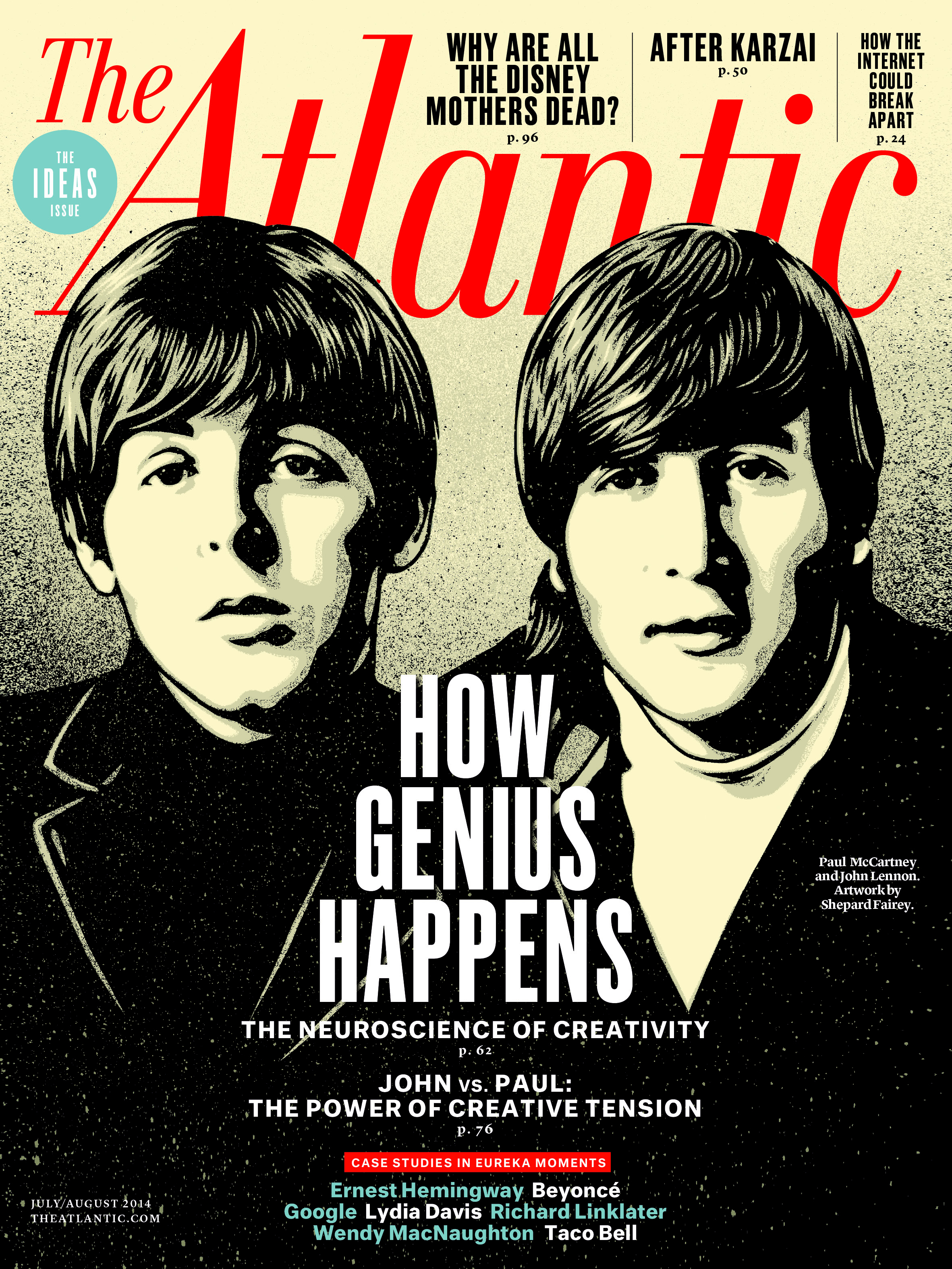
The Atlantic is a monthly American magazine that specializes in long-form journalism, investigative reporting, and cultural commentary. While it shares some overlapping content types with newspapers—such as political analysis and news-driven essays—it is fundamentally categorized as a magazine due to its editorial focus, publication frequency, and physical design.
Defining the Magazine Model
To understand why The Atlantic is classified as a magazine, one must first look at the editorial and structural differences between magazines and newspapers. Newspapers are primarily designed to report the news of the day, focusing on immediacy, localized information, and broad coverage of current events, business, sports, and weather. They are typically published daily, providing a high volume of time-sensitive updates.
In contrast, magazines—including The Atlantic—prioritize depth over immediacy. The magazine model focuses on curated content that is intended to be read over a longer period. While The Atlantic reports on political and social developments, it does so through the lens of analytical journalism, long-form storytelling, and essays that explore the "why" and "how" behind the news, rather than just the "what." This approach allows for higher production value, thematic cover stories, and a sustained focus on specific topics that newspapers often cover only in brief.
Historical Context and Evolution
Founded in 1857 in Boston, Massachusetts, The Atlantic Monthly was established as a literary and cultural magazine. It featured the work of prominent thinkers, poets, and politicians, setting a precedent for intellectual discourse that has defined its brand for over a century. Throughout its history, the publication has transitioned through several ownership structures and frequency changes, but it has never shifted toward a daily news cycle format.
Even as the publishing industry moved toward digital-first models in the 2010s and 2020s, The Atlantic retained its magazine identity. Its digital platform serves as a modern extension of its print heritage, providing the same high-level editorial rigor found in its monthly issues. While a reader might visit the website daily, the nature of the content remains consistent with the magazine's long-standing mandate: providing deep, context-rich journalism rather than daily briefs on global news developments.
Key Differences: The Atlantic vs. The Daily Newspaper
The distinction between the two formats can be measured across several operational and creative dimensions. The table below outlines how The Atlantic aligns with the characteristics of a magazine compared to a traditional daily newspaper.
| Feature | The Atlantic (Magazine) | Daily Newspaper |
|---|---|---|
| Publication Cycle | Monthly (print/digital editions) | Daily (print/digital updates) |
| Editorial Goal | Analytical, long-form, thematic | Reporting, breaking news, local events |
| Focus | Deep dive into issues and ideas | Immediacy and broad news coverage |
| Design/Layout | High-design, feature-focused | Informational, column-based |
| Scope | National/International commentary | Local, national, and daily global news |
Why Frequency and Format Matter
The classification of a publication is often tied to its operational tempo. Newspapers are engines of consumption; they are meant to be read quickly and discarded or recycled to make room for the next day's edition. This "perishable" nature is a hallmark of the daily newspaper industry.
Magazines like The Atlantic are designed to be "durable." A reader who picks up an issue of The Atlantic from three weeks ago will likely find the content as relevant today as it was on the day of publication. This is because the articles are not reporting on the weather or a local zoning board meeting; they are examining social trends, economic theories, and political shifts that require time to analyze properly. The magazine format gives journalists the time to report, write, and edit pieces that can run thousands of words—a luxury that daily newspapers, which are constrained by space and time, rarely have.
Content Strategy and Editorial Voice
One of the most defining characteristics of The Atlantic is its specific, recognizable editorial voice. While a newspaper is expected to be relatively objective and neutral in its reporting—at least in its core news sections—The Atlantic is an opinion-heavy, intellectual publication. It aims to provoke thought, challenge conventional wisdom, and offer nuanced perspectives.
This editorial style is synonymous with the magazine tradition. By fostering a specific community of readers who engage with its long-form arguments, The Atlantic acts more like a journal of record for ideas than a chronicle of events. Even when covering breaking political news, the publication frames the content within a larger historical or philosophical context. This is fundamentally different from the headline-driven, inverted-pyramid style of writing taught in traditional journalism schools for newspaper reporters.
Adapting to the Digital Era in 2026
In 2026, the lines between "newspaper" and "magazine" have blurred significantly due to the rise of digital subscription models. Many legacy newspapers have adopted magazine-style features, and many digital magazines now publish content as frequently as newspapers. Despite this, The Atlantic remains firmly within the magazine category because of its internal DNA.
Its revenue model, which relies heavily on digital subscriptions, is built on the strength of its contributors' voices and the depth of its storytelling. The organization maintains a clear separation between its long-form editorial content and the rapid-fire updates provided by wire services or daily newspapers. By maintaining this distinction, The Atlantic preserves the trust of an audience that specifically seeks out magazines for their interpretive power.
Frequently Asked Questions
Is The Atlantic a scholarly journal? While The Atlantic is an intellectual publication that features high-level reporting and essays, it is not a peer-reviewed scholarly journal. It is a commercial magazine intended for a general, educated public, rather than an academic audience focused on original research in specialized fields.
Does The Atlantic still print a physical edition? Yes, as of 2026, The Atlantic continues to publish a print edition. It is distributed to subscribers on a monthly basis, maintaining the tradition of the "monthly magazine" format that has been central to the publication's identity since 1857.
How does The Atlantic differ from The New York Times or The Washington Post? The primary difference is the publication cycle and intent. The New York Times and The Washington Post are daily newspapers that aim to provide comprehensive coverage of daily breaking news across every sector. The Atlantic is a monthly publication that focuses on curated, in-depth analysis of specific topics, intentionally choosing to cover fewer stories in much greater detail.
Is it possible to subscribe to just the digital version? Yes, the publication offers digital-only subscription tiers. This allows readers to access the full archive of articles, newsletters, and digital-exclusive reporting without receiving the monthly print magazine.
Does The Atlantic carry sports or stock market reports? The Atlantic generally does not provide sports coverage or daily stock market updates. Its editorial calendar is focused on politics, culture, technology, and society. If these topics are covered, it is usually because they intersect with larger cultural or political trends, not because the publication is tracking the day-to-day fluctuations of the market or league standings.
Final Considerations for Readers
If you are looking for a source of information that helps you understand the nuance behind the major headlines of the day, The Atlantic is best viewed as a magazine that prioritizes intellectual engagement over information throughput. Whether you are consuming it in its monthly print form or through its digital platform, recognize that the goal is to provide a deeper narrative rather than a daily digest. To get the most out of your reading, focus on the feature-length articles and essays, which represent the core value proposition of this historic American publication.