The smell of rotten eggs emanating from a washing machine is almost always caused by the buildup of organic debris, biofilm, or sewer gas infiltration. In most cases, this odor indicates that bacteria are decomposing soap scum, body oils, and hair inside the drum, the door gasket, or the drainage system, releasing hydrogen sulfide gas as a byproduct.
Understanding the Source of the Odor
When you notice a sulfurous or "rotten egg" smell coming from your appliance, it is rarely the machine itself failing. Instead, the machine is acting as a collection point for various organic materials. Modern high-efficiency (HE) washing machines are designed to use significantly less water than older models. While this is environmentally friendly, it often means there is not enough water flow to flush away all the residual detergent, dirt, and fabric softener.
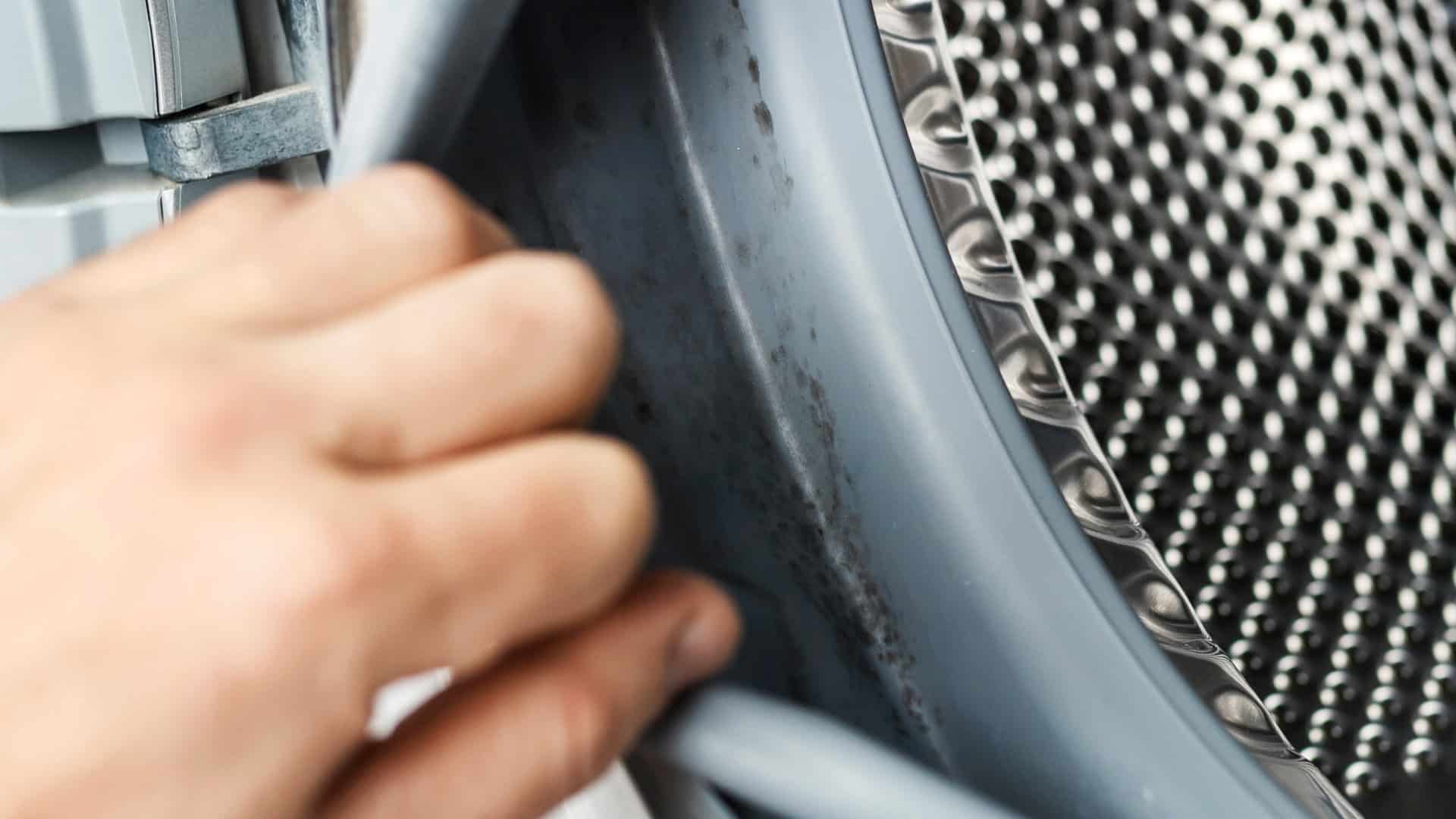
Over time, these substances create a "biofilm"—a slimy layer of bacteria and mold—that coats the inside of the outer drum, the seals, and the drainage hoses. When this bacteria thrives in a dark, damp, and warm environment, it breaks down organic matter, producing gases that smell distinctly like sulfur or eggs.
Beyond biofilm, there is the possibility of sewer gas backflow. If the washing machine's drain pipe is not properly vented or if the P-trap (the U-shaped pipe meant to hold water and block gases) is dry or clogged, sewer gases can travel directly into your laundry room. This is a structural plumbing issue rather than a cleaning issue.
Prerequisites for Troubleshooting
Before you begin the cleaning process, ensure you have the following items on hand. Attempting to clear these odors with standard laundry detergent alone will likely prove ineffective.
- Cleaning Agents: You will need high-quality white vinegar, baking soda, and a specialized washing machine cleaner (such as Affresh or a manufacturer-recommended tablet).
- Manual Tools: A soft-bristled brush or an old toothbrush, a microfiber cloth, and a bucket or shallow pan to catch residual water.
- Safety Gear: Rubber gloves are recommended, as the biofilm can harbor bacteria, and you may be handling stagnant water.
- Accessibility: Ensure you have access to the drain pump filter, usually located behind a small panel at the bottom front of the machine.
Step-by-Step Decontamination Procedure
To eliminate the smell, you must address both the visible surfaces and the hidden mechanical components where the odor-causing bacteria reside.
1. Inspect and Clean the Door Gasket
The rubber seal (gasket) on front-load machines is the primary culprit. It often has folds that trap water, socks, coins, and hair. Wipe down the entire gasket with a mixture of water and white vinegar. Reach deep into the folds to remove any black slime. If you see mold growth, use a mild bleach solution, but ensure it is thoroughly rinsed before your next load of laundry.
2. Clean the Drain Pump Filter
This is the most critical step for addressing the rotten egg smell. Water that sits in the drain pump filter becomes stagnant. To clean it, place a shallow pan under the access panel, pull the small drain tube (if present) to release the water, then unscrew the filter. You will likely find a collection of lint, debris, and foul-smelling water. Rinse the filter housing under a faucet until it is clear of all slime.
3. Run a Hot Sanitizing Cycle
Once the manual cleaning is complete, run the machine on its "Tub Clean" or "Sanitize" cycle. If your machine does not have these settings, use the hottest water setting available. Add a specialized machine cleaning tablet or two cups of white vinegar to the drum. This cycle works to break down the residual biofilm within the pipes and the outer drum that you cannot reach by hand.
4. Address the Plumbing
If the smell persists after the machine is deep-cleaned, the issue is likely the drain plumbing. Check the standpipe where your washing machine hose enters the wall. Ensure there is an air gap so the machine isn't siphoning water out of the P-trap. If the P-trap is empty, the sewer air can freely enter your home.
Comparison of Odor Sources and Solutions
| Source of Odor | Identifying Sign | Recommended Fix |
|---|---|---|
| Biofilm/Mildew | Slimy residue on gasket | Manual scrubbing and hot tub clean |
| Stagnant Drain Water | Foul water in pump filter | Drain and clean the pump filter |
| Sewer Gas Backflow | Smell occurs even when dry | Check P-trap or vent pipe integrity |
| Low-Quality Detergent | Excessive suds/soap scum | Switch to HE-rated detergent |
| Overloading | Musty/Rotten smell | Reduce load size to allow water flow |
Common Mistakes to Avoid
Many homeowners inadvertently contribute to the "rotten egg" problem through routine habits. Avoiding these mistakes can save you significant time and maintenance costs.
- Overusing Detergent: Using more detergent than recommended—especially in HE machines—is the number one cause of biofilm buildup. Excess soap acts as a food source for bacteria. Always use the minimum amount suggested by the manufacturer.
- Leaving the Door Closed: Closing the door immediately after a cycle seals moisture inside. Always leave the door or lid slightly ajar between washes to allow the drum to dry completely.
- Ignoring the Filter: Many people do not realize that the drain pump filter requires periodic maintenance. If you have not cleaned this filter in the last six months, it is likely the source of your odor.
- Skipping the "Tub Clean" Cycle: Modern machines are engineered to be cleaned. Skipping the machine's own maintenance cycle allows buildup to calcify, making it much harder to remove later.
When to Call a Professional
If you have performed a thorough manual cleaning, cleared the drain filter, and verified that your home’s plumbing P-trap is functioning correctly, yet the smell remains, you may be facing an internal mechanical failure.
Specifically, if the bearings on the drum are failing, they can sometimes leak grease that interacts with water to produce unusual odors. Furthermore, if the smell is actually coming from the walls or the floor behind the machine, there could be a slow leak leading to mold growth in the floor joists. In these instances, a professional plumber or an appliance repair technician should be consulted to inspect the machine's internal seals or the home's drainage lines.
Frequently Asked Questions
Is the "rotten egg" smell dangerous to my health? While the smell itself is an indicator of bacteria and potentially sewer gas, it is usually not acutely dangerous in small amounts. However, prolonged exposure to sewer gases can lead to headaches or nausea. It is best to address the source promptly.
Can I use bleach to kill the smell? You can use bleach for surface cleaning the gasket, but avoid using large amounts of bleach in a full cleaning cycle as it can damage rubber seals and hoses over time. Vinegar and specialized enzymatic cleaners are generally safer for the internal plumbing.
How often should I clean my washing machine? Under normal usage conditions, performing a "Tub Clean" cycle and checking the drain filter once every three months is sufficient to prevent odors from returning.
Does hard water cause this smell? Hard water can contribute to mineral buildup, which provides more surface area for biofilm to attach to. If you have very hard water, you may need to clean your machine more frequently or consider using a water softener.
Will switching to pods solve the problem? Not necessarily. While pods are convenient, they are highly concentrated. If you use them in an overloaded machine with insufficient water, the detergent will not dissolve fully, leading to even more soap scum buildup in the drum.
Why does the smell only happen when it rains? If the smell is worse during or after rain, it is a classic sign of an improperly vented plumbing system. Atmospheric pressure changes can force sewer gases back through the drain lines, and your washing machine is simply the path of least resistance. Consult a licensed plumber to check your roof vents.
Final Recommendation
Start by cleaning the drain pump filter and the rubber door gasket thoroughly. These two areas account for the vast majority of cases where a washing machine smells like eggs. Once manually cleaned, run a hot cycle with a dedicated cleaner. If the odor disappears, implement a quarterly maintenance schedule to keep the biofilm from returning. If the odor returns immediately or persists, do not delay in contacting a plumber to inspect your home’s venting system for sewer gas infiltration.