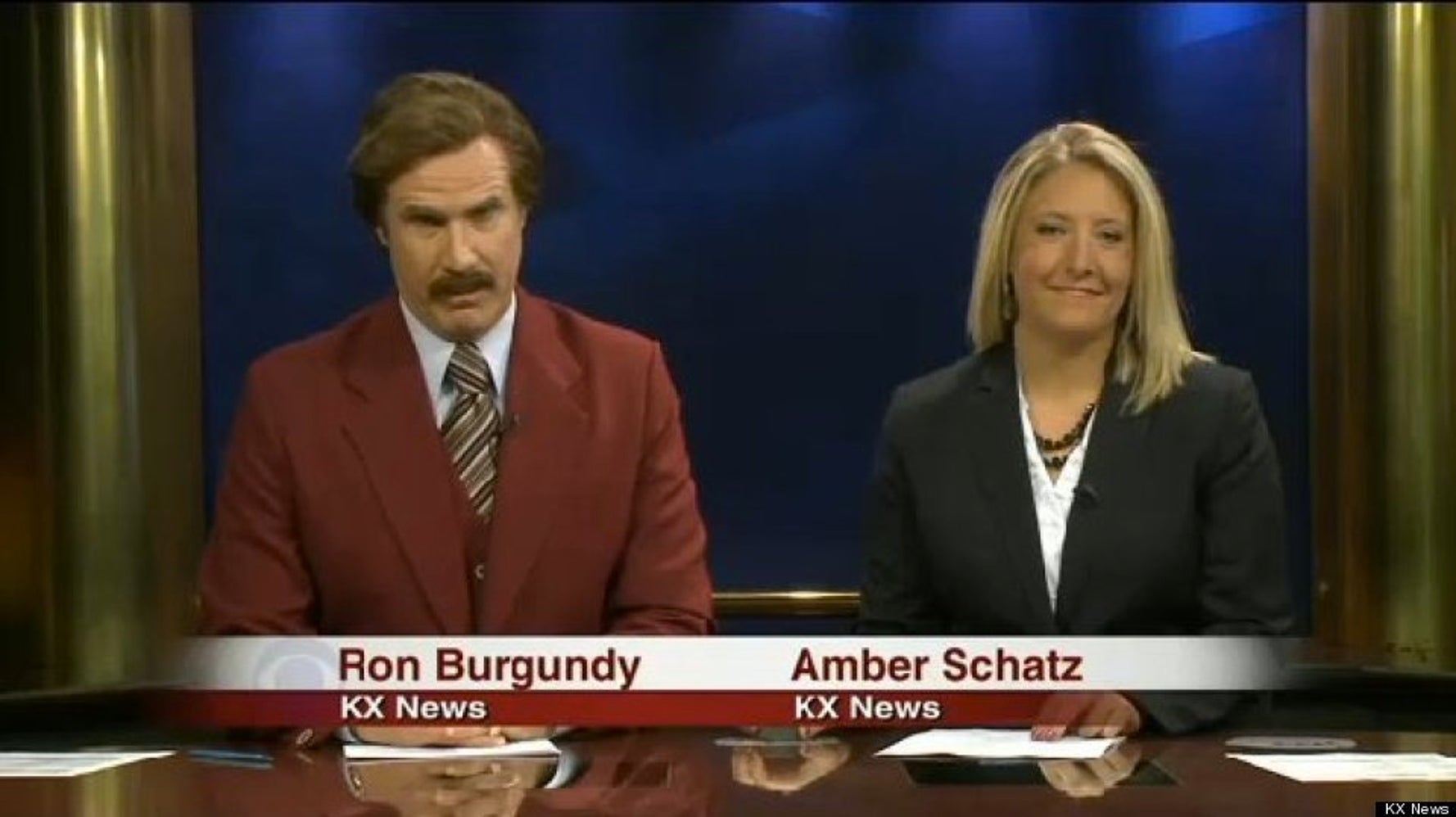
Ron Burgundy is a fictional character, not a real person. He is the central protagonist of the 2004 comedy film Anchorman: The Legend of Ron Burgundy, portrayed by actor Will Ferrell. While the character was inspired by the archetypes of 1970s local news anchors and specific television personalities, he does not exist as a historical figure in journalism.
The Origin of Ron Burgundy in Pop Culture
The character of Ron Burgundy was created by Will Ferrell and Adam McKay for the 2004 cult classic Anchorman: The Legend of Ron Burgundy. Set in the 1970s in San Diego, California, the film serves as a satirical look at the hyper-masculine, often absurd world of local news broadcasting during an era when the industry was undergoing significant cultural shifts, including the integration of women into the newsroom.
Will Ferrell, known for his improvisational style, crafted Burgundy as an ego-driven, mustachioed, jazz-flute-playing anchor who commands his news team with a mix of misplaced confidence and sheer ignorance. The character became a cultural phenomenon, leading to a 2013 sequel, Anchorman 2: The Legend Continues, and cementing Burgundy as one of the most recognizable comedy personas of the 21st century.
Inspiration vs. Reality: The Real-Life Anchors Behind the Myth
While Ron Burgundy is entirely fictional, creators Will Ferrell and Adam McKay have publicly acknowledged that the character was heavily influenced by real-world broadcast legends. The most cited inspiration is Mort Crim, a veteran news anchor who worked in Detroit during the 1970s.
Ferrell famously watched a documentary about Jessica Savitch, the first female anchor to hold a weeknight slot in a major American market, and caught glimpses of Crim in the archival footage. Crim’s authoritative delivery, combined with the "legendary status" often afforded to news anchors of that era, provided the bedrock for Burgundy’s demeanor. Other anchors of the period, such as Harold Greene of San Diego’s own local news circuit, also contributed to the aesthetic and stylistic tropes the character parodies.
Despite these real-world inspirations, it is vital to distinguish between a caricature and a biopic. Burgundy is not a representation of any single individual but an amalgamation of the broadcast clichés—the booming voice, the vanity, the hairspray-heavy grooming, and the detached seriousness—that characterized the "golden age" of local television news.
The Satirical Purpose of the Character
The primary function of Ron Burgundy within the context of the film is to expose the absurdity of the "news anchor as a demigod" trope. In the 1970s, local news anchors were often the most trusted faces in their communities, sometimes wielding more influence than politicians. By creating a character who is fundamentally incapable of critical thought but obsessed with his own fame, the film critiques the cult of personality that had taken root in the news media.
The narrative arc of the character—his struggle to adapt to changing times and his rivalry with female colleagues—mirrors the real-life growing pains of newsrooms across the United States. While the film plays these tensions for laughs, it reflects a genuine historical transition where the "all-knowing male anchor" model began to collapse under the pressure of professional journalism and diverse reporting.
Distinguishing Between Fiction and Fact
For viewers, the confusion regarding Ron Burgundy’s existence often stems from the film’s meticulous attention to period-accurate detail. The costume design, the specific branding of 1970s television sets, and the style of the dialogue are so authentic that, when viewed out of context, they can mimic the appearance of actual historical footage.
Furthermore, the marketing for the films often pushed the boundaries between reality and fiction. Will Ferrell frequently appeared on talk shows, in commercial spots, and at public events in full character, maintaining the illusion of Ron Burgundy as a working journalist. This "method" approach to marketing was so effective that it contributed to a persistent, albeit minor, belief among some audiences that he might be based on a singular, obscure, yet real, news anchor.
Comparative Analysis: Fictional vs. Historical Media Archetypes
The following table distinguishes the traits of the fictional Ron Burgundy against the reality of 1970s broadcast journalism.
| Characteristic | Ron Burgundy (Fictional) | 1970s News Anchor (Real) |
|---|---|---|
| Professionalism | Frequently unprofessional and biased | Adhered to strict journalistic ethics |
| Education | Often implies a lack of basic literacy | Usually held journalism/communications degrees |
| Role of Women | Hostile, treats them as competitors | Colleagues in a changing professional landscape |
| Source Material | Based on exaggerated comedy tropes | Grounded in the socio-political climate |
| Public Status | Viewed as a local celebrity demigod | Viewed as a public servant and reporter |
Frequently Asked Questions
Is Ron Burgundy based on a specific reporter who died? No. Ron Burgundy is a purely fictional construct. While he draws inspiration from several real news personalities of the 1970s, such as Mort Crim, he is not modeled after any specific deceased journalist or media figure.
Why do some people think Ron Burgundy was a real anchor? The confusion stems from the film's high-quality production design that perfectly recreates 1970s aesthetics and Will Ferrell’s commitment to the character during promotional tours. His appearances on real-life news programs in character created a blur between reality and the satirical performance.
Are the news stations in the movie real? The KVWN Channel 4 station depicted in the film is fictional. While there are real Channel 4 stations across various local markets in the United States, the version portrayed in the movie was designed solely for the narrative requirements of the screenplay.
Did Ron Burgundy ever work for a real news network? No. He is a character confined to the Anchorman film franchise. Any professional affiliations or news accomplishments attributed to him exist solely within the script of the movies and the associated promotional universe created by the film's production team.
Navigating the Legacy of Satire
Understanding that Ron Burgundy is a fictional character does not diminish his importance in the landscape of American comedy. He remains a critical figure in the study of how pop culture processes the history of mass media. By creating a character that is simultaneously hilarious and intellectually void, the creators provided a lens through which audiences could laugh at the rigid, overly serious nature of the news industry from that era.
If you are researching the history of 1970s broadcasting, look for credible archival sources, such as the Paley Center for Media or regional history archives, to distinguish between the caricature of the "Anchorman" and the actual professionals who navigated the complex realities of the newsroom during that decade.
For those interested in the craft of character creation in film, the Ron Burgundy persona serves as an excellent case study in how to maintain a fictional identity across multiple media platforms, including film, viral video, and live appearances, without the need to claim a basis in historical fact.