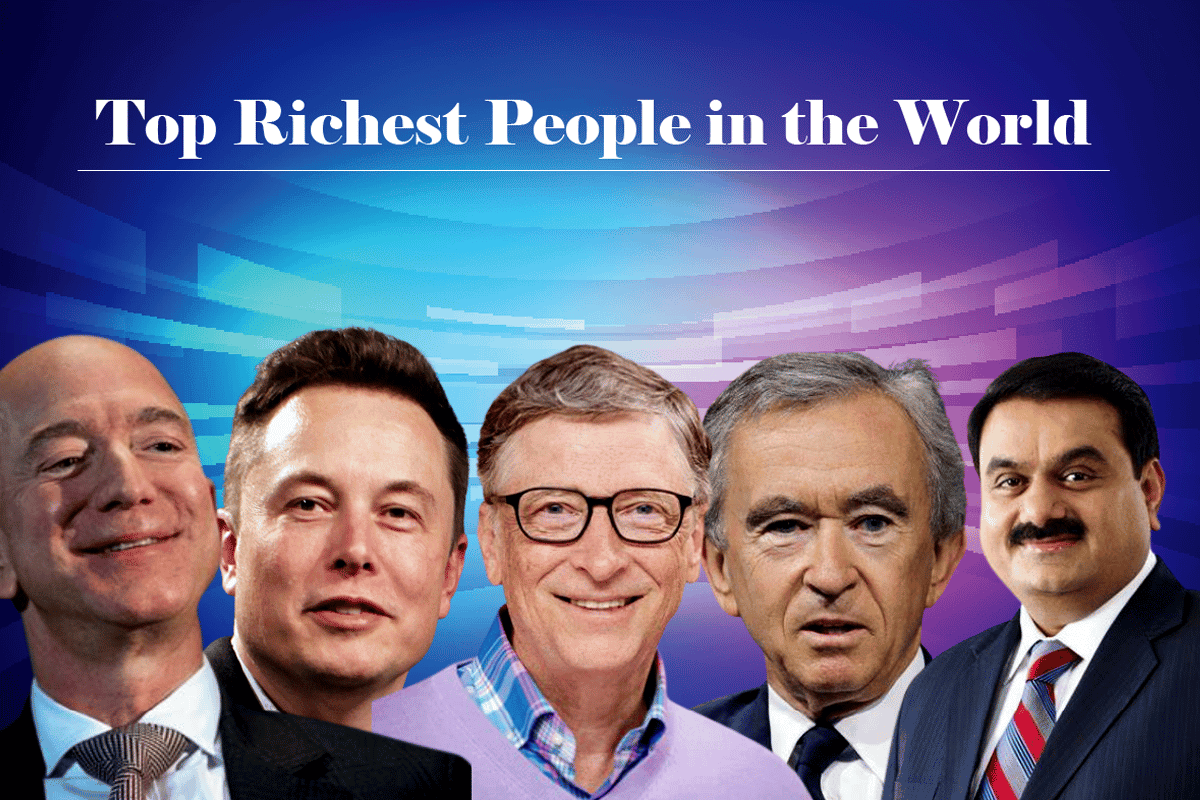
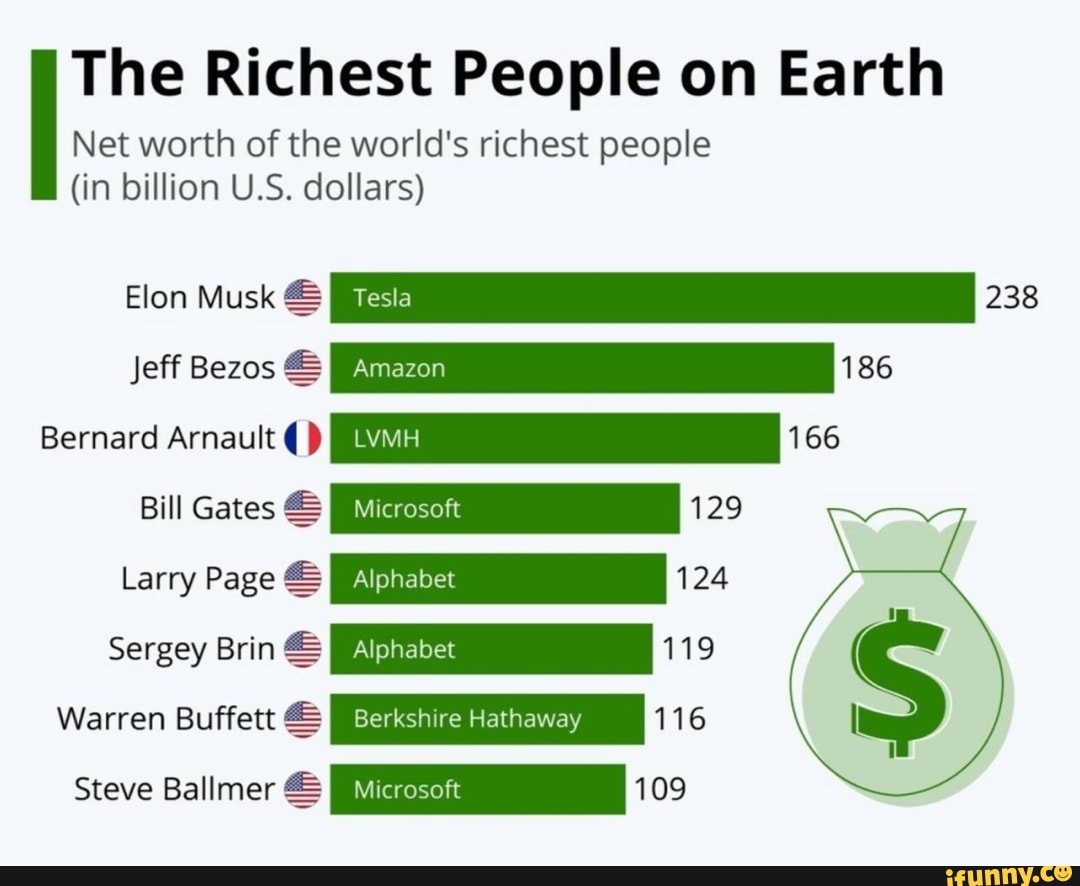
Determining the richest person on the planet requires analyzing real-time fluctuations in equity markets, as the title is held by individuals whose wealth is primarily tied to their ownership stakes in publicly traded corporations. As of 2026, the position is fluid, frequently shifting between tech entrepreneurs like Elon Musk, Jeff Bezos, and Bernard Arnault, depending on daily stock performance and market valuations.
The Financial Mechanics of Ultra-High-Net-Worth Rankings
The concept of being the "richest person" is often misunderstood by the public. It is rarely a measure of liquid cash; rather, it is a calculation of net worth—the total value of an individual’s assets minus their liabilities. For the world’s wealthiest, these assets are dominated by concentrated holdings in companies they founded or currently lead.
When market analysts and financial institutions like Forbes or Bloomberg evaluate net worth, they focus on "enterprise value." If a founder owns 10% of a company valued at $1 trillion, their stake is worth $100 billion. If that company's stock price drops by 5% in a single day due to earnings reports, product delays, or macroeconomic shifts, that individual’s net worth can decline by billions of dollars overnight. Consequently, the answer to who holds the top spot often changes not because of a shift in the person’s lifestyle or actual income, but because of the volatility inherent in global stock exchanges.
Major Indices and How They Calculate Wealth
Because there is no official government "wealth registry," the title of the world’s richest person is tracked by private financial data organizations. Understanding how these organizations operate is essential to grasping why rankings occasionally differ.
The Bloomberg Billionaires Index
Bloomberg updates its index at the close of every trading day in New York. Their methodology is considered one of the most transparent in the industry. They utilize a mix of public filings, asset valuation models, and interviews to estimate a subject's net worth. They specifically account for debt, taxes, and the performance of private companies by applying industry-standard multiples to reported revenues or earnings.
The Forbes Real-Time Billionaires List
Forbes maintains a live tracker that updates as market prices change. Their team monitors stock prices throughout the trading day, meaning that if a tech giant has a volatile morning, the Forbes list may reflect that change within hours. They are known for rigorous vetting processes, which include verifying ownership percentages through SEC filings and other regulatory documentation.
Why Rankings May Conflict
You may notice that different platforms occasionally list different people as the richest. This is typically due to three factors:
- Reporting Delay: One outlet may have updated their data based on a closing bell, while another may be using an average based on the previous day.
- Private Asset Valuation: If an individual owns significant private, non-traded companies, organizations must "estimate" the value. One outlet might be more conservative than another when calculating the value of these assets.
- Debt Inclusion: Some methodologies are more aggressive in subtracting known debts or tax liabilities than others, leading to a discrepancy in the "net" figure.
The Role of Industry Concentration
The individuals who reach the pinnacle of the wealth rankings almost always come from specific sectors—primarily technology, retail, and luxury goods. This concentration is a prerequisite for reaching the top tier of wealth because these sectors allow for "scalable" business models.
Unlike a traditional service-based business that grows linearly with headcount, a technology or retail conglomerate can reach billions of customers globally with minimal incremental cost. This creates massive margins and high investor demand, driving the stock price and the founder's net worth to extraordinary heights.
| Sector | Primary Wealth Driver | Typical Volatility |
|---|---|---|
| Technology | Software/Cloud Services | High |
| Retail | E-commerce/Logistics | Moderate |
| Luxury Goods | Brand Equity/Scarcity | Low to Moderate |
| Energy/Industrial | Commodity Pricing | High |
Historical Trends and the Billionaire Cycle
Throughout the early 2020s and into 2026, the list has been dominated by a "Big Three": Elon Musk (Tesla, SpaceX), Jeff Bezos (Amazon), and Bernard Arnault (LVMH). The shifting leadership among these three illustrates different economic drivers.
When technology stocks are in a bull market, Musk and Bezos tend to pull ahead. When consumer spending in the luxury sector is robust, Arnault often takes the lead. This cyclical nature confirms that the "richest person" is less of a permanent status and more of a snapshot in time. It is important to note that these individuals often pledge significant portions of their shares as collateral for personal loans, which can complicate net worth calculations. If an individual has borrowed heavily against their shares, that debt must be subtracted from the total asset value, which is a detail often missed in superficial reporting.
Prerequisites for Accurate Wealth Tracking
If you are attempting to track this information for personal research or financial analysis, you must rely on verifiable data points. Relying on social media or speculative articles often results in inaccurate figures. To verify wealth, look for the following:
- SEC Filings (Form 4): In the United States, corporate insiders must file Form 4 whenever they buy or sell company stock. This is the "gold standard" for determining exactly how many shares an individual owns.
- Proxy Statements: These documents detail the compensation and ownership structures of top executives and are released annually by public companies.
- Market Capitalization: This is the current price per share multiplied by the total number of outstanding shares. This provides the "total value" of the company, from which the individual's portion is derived.
Common Mistakes in Wealth Analysis
Many observers make the mistake of conflating "cash on hand" with "net worth." If a person has a net worth of $200 billion, it does not mean they have $200 billion in a bank account. In reality, they likely have a very small percentage of their wealth in cash. The vast majority is "trapped" in the equity of their businesses.
Another mistake is failing to account for "lock-up periods" or "holding requirements." Many CEOs are restricted by contract or regulation regarding how quickly they can sell their shares. Therefore, even if a stock price is high, the wealth is not necessarily "realizable" in the short term. Always treat these figures as estimates based on market value, not as a reflection of available liquid capital.
Frequently Asked Questions
Does the richest person pay taxes based on their net worth? No. In most jurisdictions, including the United States, taxes are levied on realized income (such as salary, dividends, or capital gains from sold stock), not on the unrealized appreciation of assets. As long as the individual holds their shares, their net worth can grow without triggering a tax event.
Why does the ranking change every day? The ranking changes because the stock market is a dynamic auction. As buyers and sellers adjust their prices for a company’s shares throughout the day, the market capitalization of that company fluctuates. Because the wealth of these individuals is tied directly to these shares, their net worth reflects this real-time movement.
Are there people wealthier than those on public lists? Yes, it is widely believed that there are individuals with vast wealth—such as monarchs, heads of state, or families with diversified, non-public global assets—who are not included in standard lists. These figures are difficult to estimate because the assets are often held in complex, private trusts or are considered sovereign property rather than personal wealth.
Is being the richest person a sign of economic health? Economists debate this point. While the rise of these fortunes often signifies innovation and market success, it also sparks discussions about wealth inequality and the concentration of capital. It is not necessarily a direct indicator of the health of the broader economy, as billionaire wealth can rise even while the middle-class economy remains stagnant.
Next Steps for Independent Verification
If you require the most up-to-date data for your own tracking, visit the "Real-Time Billionaires" pages of major financial reporting outlets like Bloomberg or Forbes. Ensure you are looking at the live page rather than static articles, which are often outdated within hours of publication. For a more technical breakdown, access the investor relations portal of the specific companies led by these individuals; this is where you will find the most accurate primary source documents regarding share counts and ownership percentages.