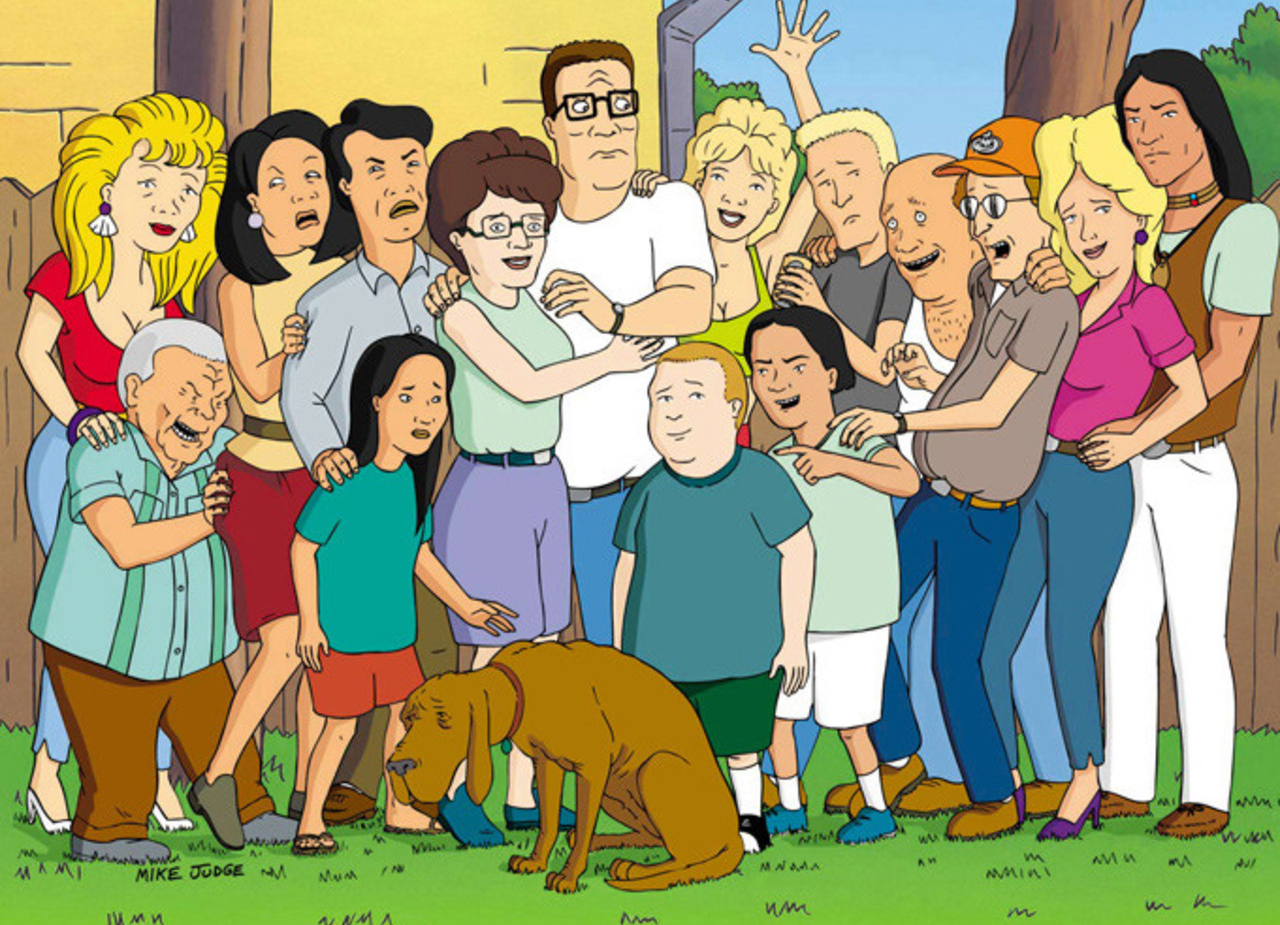
Connie Souphanousinphone, the intelligent and violin-playing daughter of Khan and Minh Souphanousinphone on the long-running animated series King of the Hill, is voiced by actress Lauren Tom. She has provided the voice for the character throughout the show's entire initial run and its subsequent revivals and syndication, bringing depth and relatability to the role of Bobby Hill’s girlfriend and neighbor.
The Career and Contribution of Lauren Tom
Lauren Tom is a prolific American actress and voice artist whose career has spanned decades in both live-action television and voice-over work. Her portrayal of Connie Souphanousinphone is one of her most recognizable roles, largely due to the specific personality traits she brought to the character. Connie was introduced early in the series as a brilliant student, a talented musician, and a level-headed contrast to the more chaotic personalities of the Hill family and her own parents.
Tom’s ability to imbue the character with a sense of adolescent angst, intellectual curiosity, and grounded maturity allowed Connie to evolve from a guest character into a central fixture of the series’ secondary cast. Unlike many other teen archetypes in animation during the late 1990s and early 2000s, Connie was written with a degree of specificity regarding her upbringing as the daughter of Laotian immigrants, a nuance that Tom captured with great respect and consistency.
Character Dynamics and Development
Within the world of King of the Hill, Connie’s voice performance serves as an anchor for the character’s growth. Throughout the seasons, Connie is seen navigating the pressures placed on her by her father, Khan, who constantly pushes her toward academic perfection, and her mother, Minh, who is equally demanding in her own way.
The voice acting must convey a delicate balance: Connie is often exasperated by her parents’ antics, yet she remains deeply connected to her family. Her scenes with Bobby Hill, voiced by Pamela Adlon, rely heavily on the chemistry between the two actors. The contrast between Bobby’s often naive and comedic approach to life and Connie’s more pragmatic, focused temperament creates a dynamic that sustained many of the show's most poignant storylines. Lauren Tom’s performance ensures that even when the show leans into absurdity, Connie remains a tether to reality.
Lauren Tom’s Broader Voice-Acting Portfolio
While King of the Hill fans recognize her as Connie, Lauren Tom is a powerhouse in the voice-acting industry. Her versatility is evidenced by the wide range of characters she has voiced across various genres. Understanding her background helps explain why she was able to bring such a distinct identity to the character of Connie.
- Futurama: Lauren Tom is famous for voicing Amy Wong, a character that shares some superficial similarities with Connie—such as navigating high expectations—yet Tom voices them with distinct vocal inflections, paces, and emotional ranges.
- Teen Titans: In this animated series, she provided the voice for Jinx, Gizmo, and See-More, showcasing her ability to play antagonistic or mischievous roles that require a completely different energy than the grounded, relatable teenager Connie.
- Live-Action Work: Her influence is not limited to animation; her role as Julie in Friends remains one of her most famous live-action appearances, showcasing her timing in a sitcom format that mirrors the comedic timing required for an animated series like King of the Hill.
Impact of Casting Choices in Animated Series
The consistency of a voice actor in a long-running series like King of the Hill is rare. Maintaining the same actor for over a decade allows the character’s voice to age naturally with the audience’s perception of them. Because Lauren Tom remained the voice of Connie for the duration of the series, fans were able to develop a deep familiarity with the character’s vocal mannerisms, such as her dry wit when reacting to Hank Hill’s bafflement or her earnestness when expressing frustration with her school life.
This consistency contributes to the "timeless" quality of the series. Even as modern audiences encounter the show for the first time in 2026, the performances remain high-quality and integrated with the writing. The decision to cast an actress who could handle the comedic timing of the show while portraying a character with specific cultural and social pressures was instrumental in the show's critical success.
Comparative Analysis of Key Voices in the Series
To understand the casting environment of King of the Hill, it is useful to look at how Connie stands alongside other characters. The voice cast of King of the Hill was notable for its stability, with many actors playing multiple roles or staying with the series for its entire duration.
| Character | Voice Actor | Notable Traits |
|---|---|---|
| Connie Souphanousinphone | Lauren Tom | Intelligent, level-headed, observant |
| Bobby Hill | Pamela Adlon | Naive, energetic, comedic |
| Khan Souphanousinphone | Toby Huss | Competitive, ambitious, bombastic |
| Minh Souphanousinphone | Lauren Tom | Pragmatic, snarky, status-driven |
As seen in the table above, Lauren Tom also voiced Minh Souphanousinphone. This dual performance is a testament to her range; playing both the mother and the daughter required a distinct shift in register and personality that many viewers do not notice upon a casual listen. Her ability to differentiate the two roles—making Minh sound sophisticated and sharp-tongued, while making Connie sound like a grounded, modern teenager—highlights the technical skill required for voice acting in animated comedy.
Frequently Asked Questions
Does Lauren Tom still voice Connie in the 2026 revivals? Yes, Lauren Tom has maintained a consistent professional relationship with the series. As the show has seen continued interest and production, the continuity of the original voice cast remains a priority for the creative team to ensure the integrity of the characters as fans remember them.
Is Connie’s voice meant to sound like a specific regional accent? No, Connie is written as a teenager raised in Arlen, Texas. Her vocal performance reflects a suburban American teen identity, which serves to emphasize her assimilation and the generational gap between her and her parents, who retain more of their Laotian heritage in their speech patterns.
How does Lauren Tom switch between playing Connie and Minh? It is a process of character modulation. For Minh, Tom uses a more clipped, rapid-fire, and status-conscious delivery. For Connie, she uses a more relaxed, teenage cadence that is slightly lower in pitch and more contemplative. This requires significant vocal control to prevent character bleeding.
Was Connie always a central character? Connie was introduced in the first season as a new neighbor and love interest for Bobby. While she started as a catalyst for Bobby’s development, the writers expanded her role as her personality became more defined, eventually allowing her to lead her own storylines regarding school, music, and social issues.
What other roles is Lauren Tom known for besides King of the Hill? Beyond King of the Hill, she is widely recognized for her work on Futurama as Amy Wong and Nudar, as well as various roles in the LEGO franchise and the Teen Titans series. Her live-action work on Friends is also a significant part of her public profile.
Conclusion and Next Steps
Identifying the voice of a character like Connie Souphanousinphone highlights the often-overlooked craftsmanship of voice acting. Lauren Tom’s contribution to King of the Hill was not merely providing a voice, but helping to shape the identity of a character who became a fan favorite.
For those interested in exploring the world of voice acting further, looking into the credits of your favorite animated series can often lead to surprising discoveries about how many roles a single actor plays. If you enjoy the character work in King of the Hill, it is highly recommended to explore the filmographies of other cast members like Pamela Adlon or Toby Huss, who also demonstrate incredible range within the same series. This provides a deeper appreciation for the collaborative art of voice performance.