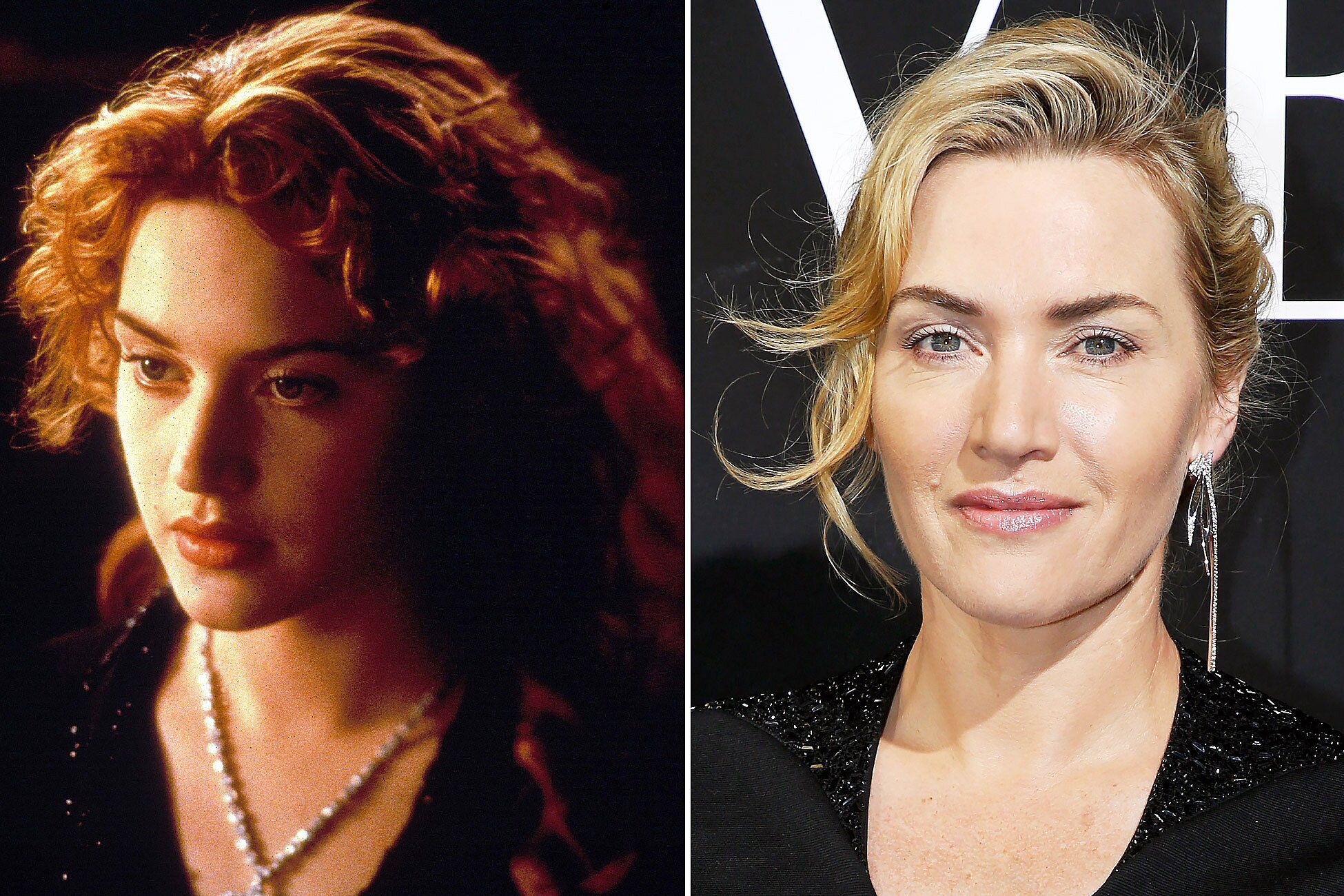
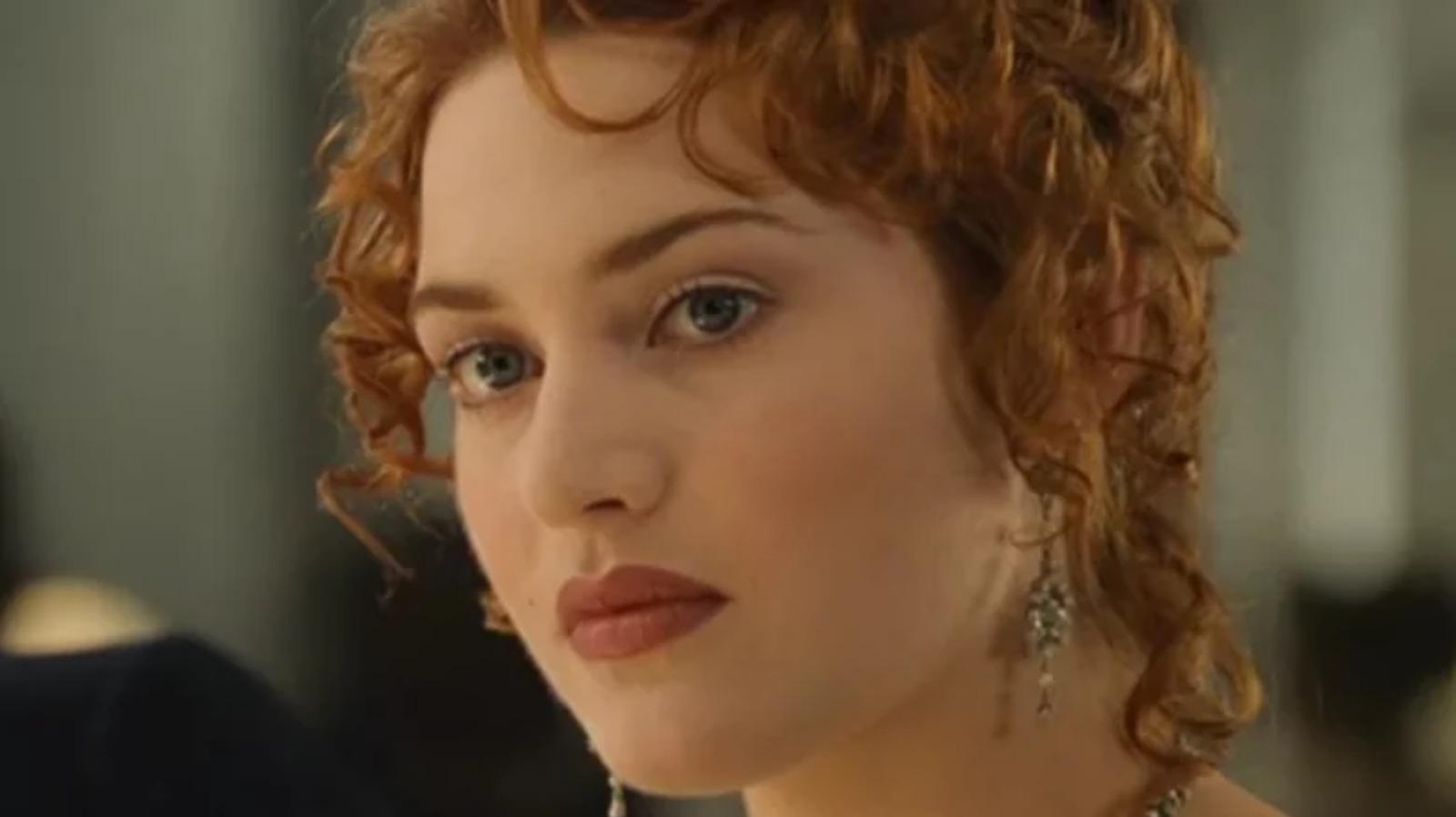
Kate Winslet is the actress who famously portrayed the character of Rose DeWitt Bukater in the 1997 epic romance film Titanic. Directed by James Cameron, the film features Winslet in the lead role alongside Leonardo DiCaprio, who played Jack Dawson. Her performance earned her an Academy Award nomination for Best Actress and cemented her status as a global star.
The Casting and Production of Rose DeWitt Bukater
When James Cameron began the casting process for his ambitious film project regarding the sinking of the RMS Titanic, he faced the significant challenge of finding an actress who could capture the complexity of the fictional character Rose DeWitt Bukater. Rose was written as a young, high-society American woman feeling trapped by the restrictive social expectations of the early 20th century.
Kate Winslet, then a rising British actress, campaigned vigorously for the role. Reportedly, she sent Cameron a single rose with a card signed "From your Rose." Her dedication to the project proved instrumental in securing the part, as she successfully convinced the director that she possessed the emotional range required to portray the evolution of the character from a stifled aristocrat to a liberated survivor.
The production of Titanic remains one of the most significant undertakings in the history of cinema. Filmed largely in a massive water tank facility in Baja California, Mexico, the production required the actors to spend hours in cold water, often for extended shoots that lasted through the night. Winslet’s portrayal was physically demanding; she famously suffered from hypothermia during the filming of the water sequences, yet she maintained a commitment to the role that contributed to the film's gritty, realistic depiction of the disaster.
Character Trajectory: From Aristocracy to Resilience
Rose DeWitt Bukater is characterized by her internal conflict. As a passenger in first class, she is expected to marry Cal Hockley—a wealthy, arrogant steel heir played by Billy Zane—to secure her family's social and financial status. However, Rose is depicted as intellectually curious and stifled by the rigid patriarchy of 1912.
The arrival of Jack Dawson, a penniless artist who wins his ticket in a poker game, serves as the catalyst for Rose's transformation. Through her interaction with Jack, Rose discovers a sense of agency, learning to express herself through art and rejecting the suffocating lifestyle planned for her by her mother, Ruth DeWitt Bukater, played by Frances Fisher.
The film utilizes a dual-narrative structure. While the bulk of the story takes place during the 1912 maiden voyage of the RMS Titanic, the scenes are framed by a 101-year-old version of Rose recounting her experience to a team of treasure hunters. Gloria Stuart portrayed the older Rose, providing a bridge between the historical event and the present day. This narrative choice emphasizes the lasting impact of the disaster and the life Rose lived after the tragedy, having fulfilled the promise she made to Jack to "never let go" and to live a full, adventurous life.
Impact on the Careers of the Lead Cast
The success of Titanic cannot be overstated, and for Kate Winslet, the role of Rose was a career-defining moment. Before Titanic, Winslet was known primarily for period dramas such as Sense and Sensibility and Hamlet. Playing Rose transformed her into a household name and provided her with the leverage to pursue diverse, complex roles throughout her subsequent career.
Leonardo DiCaprio, already a well-regarded actor, saw his fame reach an unprecedented level following the film’s release. The chemistry between Winslet and DiCaprio became a core element of the film's enduring popularity. Their collaboration in Titanic created a cinematic pairing that is still frequently cited in pop culture, and the two actors have maintained a close professional and personal relationship for nearly three decades since the filming.
| Feature | Details |
|---|---|
| Character Name | Rose DeWitt Bukater |
| Actress (Young Rose) | Kate Winslet |
| Actress (Old Rose) | Gloria Stuart |
| Film Director | James Cameron |
| Release Year | 1997 |
| Key Romantic Lead | Leonardo DiCaprio (as Jack Dawson) |
The Historical and Fictional Blend in Titanic
One common point of confusion for audiences is the extent to which Rose DeWitt Bukater is based on a real person. While the film Titanic incorporates many historical figures who were actually on board the ship—such as Molly Brown (played by Kathy Bates), Captain Edward Smith, and J. Bruce Ismay—Rose DeWitt Bukater is a fictional character created by James Cameron.
Cameron utilized the fictional romance to guide the audience through the various decks of the ship, allowing the viewer to experience both the opulence of the first-class staterooms and the claustrophobia of the steerage areas. By placing a fictional character at the center of the disaster, the director was able to maintain emotional focus amidst the massive scale of the sinking.
The historical accuracy of the ship’s construction, the interior design of the RMS Titanic, and the sequence of events during the sinking were meticulously researched. Despite the presence of fictional characters, the technical aspects of the film serve as an educational tool regarding the actual maritime disaster of 1912, a practice that set a high standard for historical filmmaking in the following decades.
Legacy and Ongoing Cultural Relevance
As of 2026, Titanic continues to occupy a unique place in popular culture. It remains a benchmark for filmmaking, noted for its groundbreaking special effects, the iconic musical score by James Horner, and the enduring performances of its lead actors. The question of "who played Rose" is a frequent query because the film continues to find new audiences through streaming platforms and periodic theatrical re-releases.
The film's legacy also extends to the way it depicts the human spirit. The character of Rose is often studied in film theory for her growth and resistance to social norms. Her refusal to conform, symbolized by her decision to choose her own name—Rose Dawson—at the conclusion of the film, serves as a powerful thematic anchor for the story. The role is widely considered one of the most iconic performances of the 1990s, firmly establishing Kate Winslet as one of the most versatile and talented actors of her generation.
Frequently Asked Questions
Was Rose DeWitt Bukater a real passenger on the Titanic? No, Rose DeWitt Bukater is a fictional character created specifically for the 1997 film. While the movie features many real historical figures and accurately depicts the sinking of the ship, Rose's story is an invention of the screenwriter and director, James Cameron, to drive the narrative.
Who played the elderly version of Rose? The elderly version of Rose, who narrates the story in 1996, was played by the actress Gloria Stuart. Stuart, who was a veteran of Hollywood's Golden Age, received an Academy Award nomination for Best Supporting Actress for her portrayal, making her the oldest person to ever be nominated for an acting Oscar at the time.
Did Kate Winslet do her own stunts in the film? Kate Winslet performed many of her own stunts during the filming of Titanic. Due to the nature of the production, which involved massive amounts of water and freezing conditions, much of the physical movement in the final scenes was performed by the actors. Winslet has noted in various interviews that the physical toll of the filming was significant but necessary for the film's realistic tone.
Why does Rose change her name at the end of the movie? Rose changes her name to Rose Dawson as a tribute to Jack Dawson. Throughout the film, Jack encourages Rose to be free and to live life to the fullest. By taking his last name, she honors the promise she made to him and signifies her complete break from her former life, her oppressive family, and the social constraints of her aristocratic upbringing.
Is there any historical basis for the character of Rose? While Rose is fictional, James Cameron drew inspiration from the works of artist Beatrice Wood. While Wood was not on the Titanic, her rebellious nature and independent spirit as an artist served as a template for the character development of the young Rose.
Next Steps for Titanic Enthusiasts
If you are interested in exploring the production details of Titanic further, consider reviewing the official production notes or documentaries released alongside the film’s home media editions. These resources provide an in-depth look at the construction of the set, the use of scale models, and the collaborative process between Kate Winslet and James Cameron. For a deeper understanding of the actual 1912 disaster, academic journals on maritime history and the archives of the British National Archives offer comprehensive, fact-based reporting on the structural failures and the tragic loss of life that occurred during the sinking.