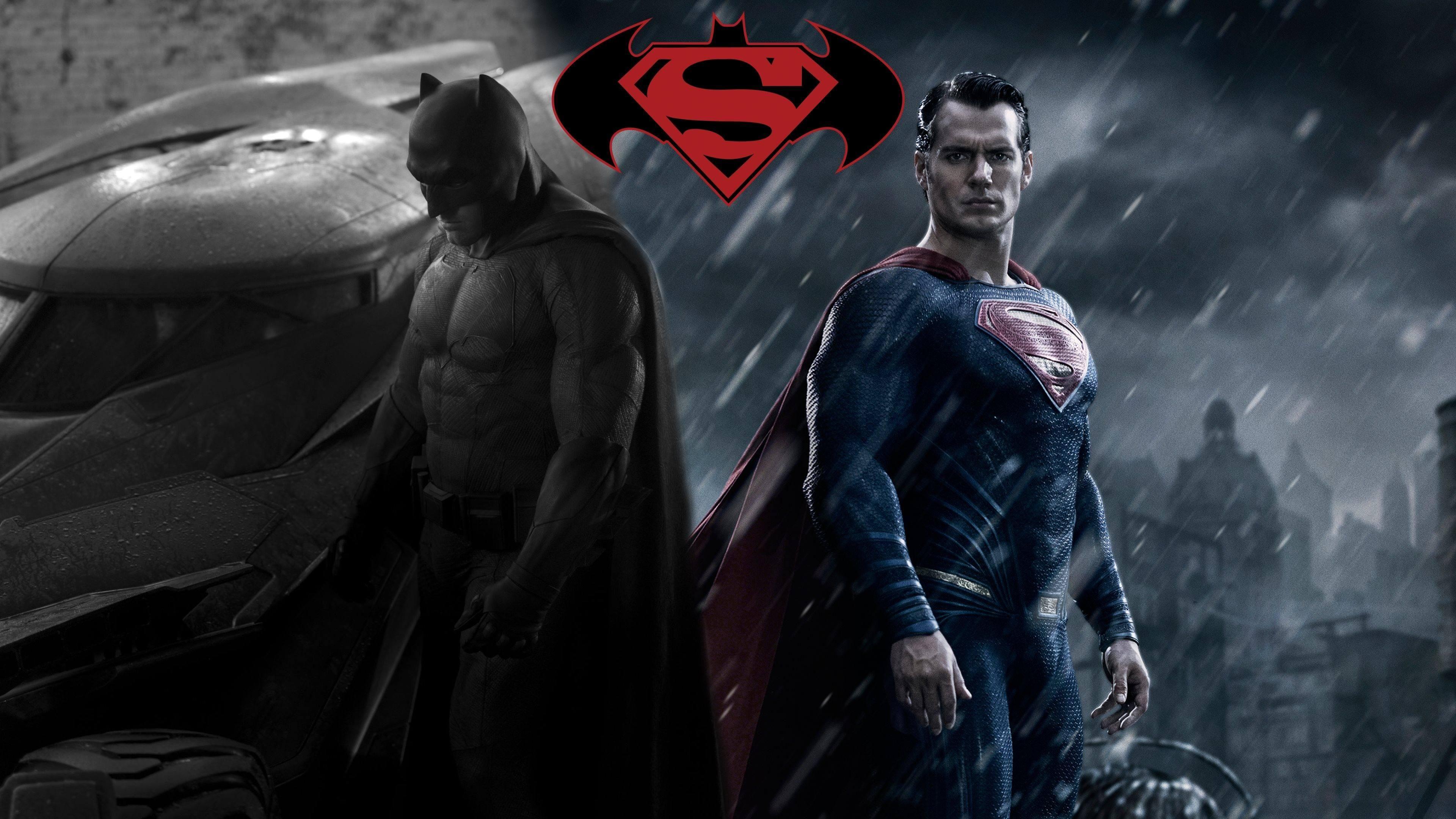
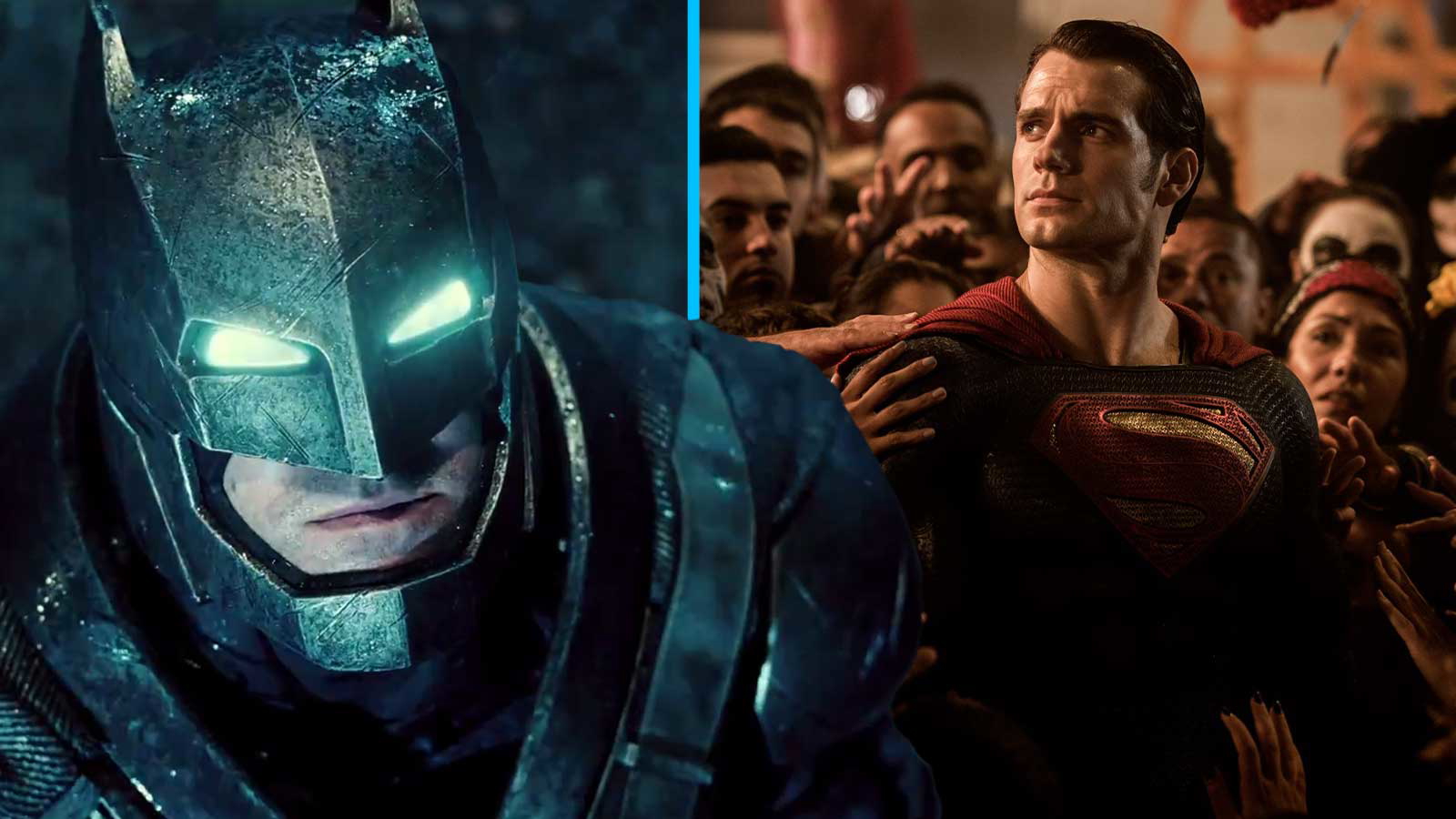
The confrontation between Batman and Superman in the 2016 film Batman v Superman: Dawn of Justice is technically won by Batman, who incapacitates a weakened Superman using kryptonite-based weaponry. However, the conflict is narratively resolved as a draw, as the two heroes cease hostilities upon recognizing their shared goal and mutual connection through Martha Kent, ultimately uniting against a common external threat.
The Context of the Conflict
To understand why this battle is often debated, one must look at the structural design of the 2016 film directed by Zack Snyder. The film posits Batman (Bruce Wayne) as a cynical, aging vigilante who views Superman (Clark Kent) as an existential threat to humanity—an alien whose unchecked power could trigger a global catastrophe. Conversely, Superman views Batman’s brutal brand of justice as a sign of moral decay that must be reigned in.
The fight is not a contest of pure physical endurance; it is a tactical engagement. Batman spends the duration of the film preparing for this specific encounter, utilizing technological research, environmental awareness, and a strategic psychological assessment of his opponent. When the two eventually clash at an abandoned construction site in Gotham, the conditions are heavily weighted in Batman’s favor.
The Tactical Breakdown: Batman’s Strategy
Batman’s victory—or tactical success—relies entirely on his ability to strip Superman of his primary advantage: his invulnerability. By utilizing a kryptonite gas grenade, Batman is able to suppress Superman’s physiology, effectively leveling the playing field.
- Environmental Preparation: Batman lures Superman to a location rigged with traps and sonic devices, ensuring that the fight happens on his own terms.
- Kryptonite Deployment: The use of gas-propelled kryptonite serves as the pivot point of the fight. Once the gas is inhaled, Superman’s strength is diminished, allowing Batman to utilize his own physical combat training to dominate the encounter.
- Technological Edge: Throughout the fight, Batman utilizes armored plating that enhances his durability, allowing him to withstand whatever reduced-force attacks Superman can muster while he is actively being poisoned by the kryptonite.
From a purely martial perspective, Batman executes his mission objective. He forces Superman into a position of total vulnerability. If the objective was to "win" a fight through incapacitation, Batman succeeds.
The Narrative Resolution: Why It Is Not a Clear Victory
While Batman gains the upper hand, the film makes it clear that the conflict is not a traditional winner-take-all scenario. The turning point occurs when Batman prepares to strike the fatal blow with a kryptonite-tipped spear. Superman speaks the name "Martha," a trigger that forces Batman to confront the reality of the person behind the "alien" mask.
The shift from antagonism to cooperation highlights the thematic core of the movie. The conflict was birthed from manipulation by Lex Luthor, who exploited the distrust each man felt for the other. By forcing them to fight, Luthor intended to eliminate both, or at the very least, destroy the public’s faith in their heroes. The fact that the fight ends not in a death, but in a realization of shared humanity, means the "winner" is technically humanity itself, as the heroes align to face Doomsday.
Comparison of Strengths and Objectives
It is useful to compare the two characters’ attributes during the confrontation to understand why the outcome played out as it did.
| Feature | Batman (Bruce Wayne) | Superman (Clark Kent) |
|---|---|---|
| Primary Motivation | Fear of extinction/preemptive strike | Moral containment of vigilante justice |
| Source of Power | Wealth, training, technology | Kryptonian physiology/Solar energy |
| Weakness Exploited | Emotional trauma (Martha) | Kryptonite exposure |
| Combat Style | Tactical, trap-heavy, brutal | Direct, force-based, defensive |
| Outcome | Tactical dominance | Forced negotiation |
The Role of Lex Luthor’s Manipulation
One cannot discuss the winner of this confrontation without addressing the architect of the fight. Lex Luthor acts as the third party in this dynamic, manipulating both individuals through systemic deception. By kidnapping Martha Kent and Lois Lane, Luthor places Batman and Superman in a lose-lose scenario.
If Superman kills Batman, he falls from his status as a savior. If Batman kills Superman, he becomes the cold-blooded murderer he has sworn to hunt. Because the conflict was manufactured by an external source, any "victory" achieved by one over the other would have been a pyrrhic victory—a gain that costs more than it is worth. Therefore, the decision by both characters to stand down is the only way to avoid losing to Luthor.
Philosophical Implications of the Fight
The confrontation explores the age-old philosophical debate of "power vs. accountability." Superman represents the god-like figure who must answer to no one, while Batman represents the human drive to hold power accountable, even when that power seems benevolent.
The fact that Batman "wins" the physical skirmish but "loses" the moral argument—realizing that he has become as bloodthirsty and paranoid as the enemies he fights—is the most significant character development in the film. Batman’s transition from a killer-in-all-but-name to a leader of the Justice League begins at the moment he puts down the spear.
FAQ: Common Questions Regarding the Fight
Did Batman actually kill Superman in the movie? No. While Batman incapacitates Superman with a kryptonite spear, he does not kill him. The fight ends because of an emotional realization regarding their parents, leading them to unite against a greater threat.
Why did Superman hold back during the fight? Superman, throughout the film, is attempting to avoid a lethal confrontation with Batman. He is trying to reason with Bruce Wayne, whereas Batman is committed to a hostile engagement from the start. Superman’s lack of intent to kill is a significant factor in why Batman is able to gain the upper hand.
Is this fight based on a specific comic book? While not a direct adaptation, the conflict draws heavy inspiration from Frank Miller’s The Dark Knight Returns. In that graphic novel, an aging Batman fights a government-controlled Superman. The film borrows the iconic armored suit and the use of kryptonite, though the motivations and the outcome are altered to fit the DC Extended Universe continuity.
Who would win in a fight without kryptonite? In a scenario where Superman is at full power and not restricted by his desire to avoid killing, he would almost certainly defeat Batman instantly. The kryptonite is the only reason Batman remains competitive in the engagement.
Does the movie confirm a winner? The film avoids labeling a winner. Instead, it presents the fight as a tragic error. The marketing of the film framed it as a rivalry, but the resolution focuses on the necessity of partnership.
Practical Implications for Viewers
For those revisiting the film in 2026, it is important to view the sequence not as an action set-piece for the sake of violence, but as a turning point for the characters. The "winner" is essentially the viewer, who gains insight into the psychological makeup of two of DC’s most iconic figures.
If you are evaluating this fight for a debate or a retrospective analysis, focus on the distinction between tactical success and thematic victory. Batman wins the tactical encounter through preparation and resources, but Superman wins the moral alignment by forcing a cessation of hostilities.
Moving forward, if you are interested in exploring similar confrontations, look into the specific comic runs that preceded the film's release. These sources provide the technical specifications and historical context that explain why these specific gadgets—the sonar, the armored plating, the smoke pellets—were chosen for the onscreen battle. Understanding that Batman’s strategy is rooted in decades of comic book lore adds a layer of depth that the visuals alone may not convey.