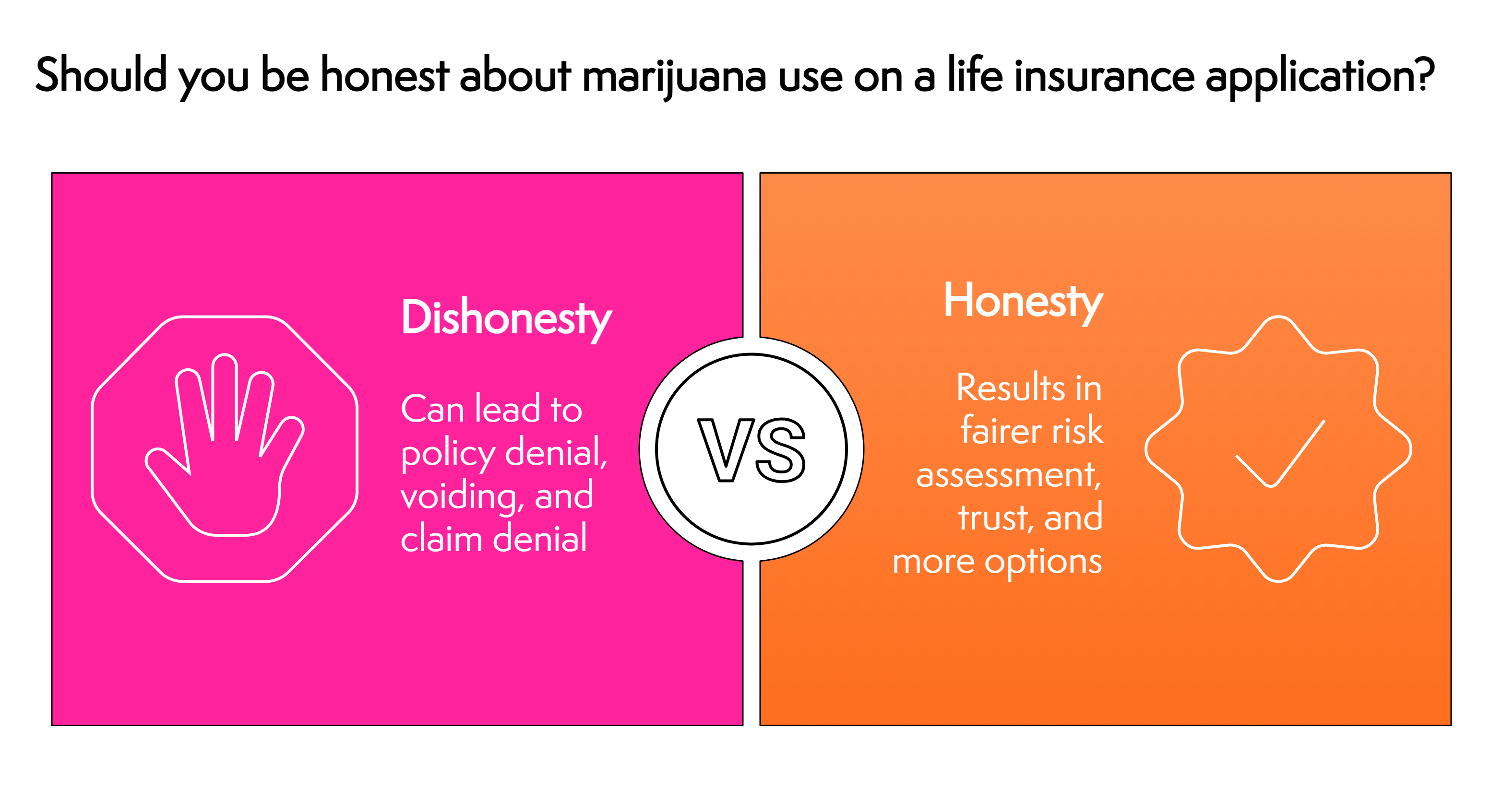
When you apply for life insurance, honesty is the foundation of your contract. If you use medical marijuana, answering "yes" to questions about cannabis use is generally the safest and most effective way to approach your application. Life insurance underwriters assess risk based on medical history, frequency of use, and the underlying condition being treated. By being transparent, you allow the underwriting team to categorize your application accurately, often resulting in favorable coverage options rather than a denial due to undisclosed information.
The Role of Underwriting and Disclosure
Life insurance underwriting is the process by which an insurance company evaluates the risk of insuring an applicant. When you complete an application, you are required to answer questions about your health, lifestyle, and history of tobacco or drug use. These questions are designed to determine your "mortality risk," or how likely you are to die while the policy is active.
Medical marijuana use often triggers a follow-up inquiry. Underwriters want to know two primary things: why you are using the substance and how you are consuming it. Answering "yes" confirms your eligibility for coverage while ensuring that the policy remains incontestable. If you were to answer "no" and a subsequent investigation or medical record reveals you were prescribed marijuana at the time of the application, the insurer could deny a death benefit claim for material misrepresentation. This makes full disclosure not only a requirement of the application but a vital protection for your beneficiaries.
How Marijuana Use Affects Premium Ratings
The impact of medical marijuana on life insurance premiums depends heavily on the "rating" class assigned to you. Most insurance carriers categorize applicants into tiers, such as Preferred Plus, Preferred, Standard, and Substandard.
Historically, all marijuana use was viewed as a significant health risk. However, as medical marijuana has gained legal status across many jurisdictions, the insurance industry has evolved. Today, many providers distinguish between recreational use and medicinal use. If you use medical marijuana to manage a minor, non-life-threatening condition (such as occasional pain or anxiety), you may still qualify for competitive rates. If you use it to treat a severe, chronic, or progressive illness, the underlying condition becomes the primary factor in your premium calculation, rather than the marijuana use itself.
The Importance of the Underlying Condition
It is a common misconception that the marijuana use itself is the most important factor to an underwriter. In reality, the medical condition that led to your doctor recommending medical marijuana is often far more significant.
For example, an applicant who uses medical marijuana for mild arthritis may be treated as a standard risk. Conversely, an applicant using medical marijuana to manage the side effects of a serious neurological disorder or cancer will be evaluated primarily based on the severity, stage, and prognosis of that specific disease. Providing detailed documentation about your diagnosis, your treatment plan, and your physician’s notes allows the underwriter to see the "whole picture." This transparency can prevent the insurer from assuming the worst-case scenario regarding your health.
Understanding Consumption Methods
The method of consumption plays a substantial role in how an insurer perceives your risk. Modern underwriting guidelines often distinguish between the following:
- Smoking/Vaping: These methods are often scrutinized more heavily because they involve inhaling substances into the lungs. Some carriers may classify frequent smokers of any substance as "tobacco users," which significantly increases premiums.
- Edibles, Oils, and Topicals: Many insurance companies view these methods as lower risk because they avoid the potential respiratory complications associated with smoking.
- Frequency: Occasional use is viewed differently than daily or heavy use. Providing an honest account of your frequency is essential for accurate classification.
Comparison Table: Factors Influencing Underwriting
| Factor | Low-Risk Impact | High-Risk Impact |
|---|---|---|
| Consumption Method | Edibles, Oils, Topicals | Frequent Smoking/Vaping |
| Usage Frequency | Occasional or Rare | Daily or Multiple Times Daily |
| Underlying Condition | Minor/Stable (e.g., occasional pain) | Chronic/Severe/Progressive |
| Disclosure | Transparent and Documented | Omitted or Misrepresented |
| Lab Results | Negative for other substances | Positive for illicit drugs |
Preparing Your Application for Success
If you use medical marijuana, you should be proactive. Gathering medical records ahead of time can streamline the process. Include records from the physician who authorized your medical marijuana use, as well as any specialists treating your primary health condition.
Ensure your application includes the specific reasons for your medical marijuana use, the duration of your use, and the dosage. When an examiner conducts a paramedical exam, be prepared for a urine or blood test. These tests will detect the presence of THC and other cannabinoids. If you have disclosed your use, these results will serve as confirmation. If you have not, they will create a discrepancy that will likely result in your application being flagged or denied.
Avoiding Common Mistakes
The most common mistake is assuming that "medical" implies "invisible" to the insurance company. Insurance companies have access to your Medical Information Bureau (MIB) report and your prescription history. These databases track the medications you have been prescribed and, in many cases, the certifications you have received for medical marijuana programs.
Another mistake is failing to update your information. If your health improves or your need for medical marijuana changes, keep records that document this transition. If you are currently in a period of transition or treatment for a health issue, wait until your condition is stable before applying, if possible. A stable medical history is always more attractive to an underwriter than a fluctuating or acute one.
Frequently Asked Questions
Does answering "yes" to medical marijuana automatically increase my premiums? No. It does not automatically trigger an increase. Many carriers now offer standard or even favorable rates to medical marijuana users, provided the underlying condition is manageable and the consumption method does not involve smoking.
Can I be denied coverage solely for using medical marijuana? Generally, no. Most major life insurance companies have moved toward accepting applicants who use medical marijuana under the supervision of a physician. A denial is more likely to stem from the underlying medical condition being treated or other lifestyle factors like tobacco use.
Should I stop using medical marijuana before taking my medical exam? You should never change your medication or lifestyle simply to "pass" a life insurance exam. Furthermore, many substances stay in the system for several weeks. Attempting to hide use can lead to a denial for fraud or misrepresentation, which is a permanent mark on your insurance record.
Are all life insurance companies equally "marijuana-friendly"? No. Different insurance companies have different internal guidelines regarding cannabis. Some are very conservative, while others are more modern in their approach. Working with an independent broker who has access to multiple carriers can help you find a company that views your specific situation more favorably.
What happens if my medical marijuana use is discovered after I am approved? If you lied on your application (answering "no" when you were using it), the insurance company can contest your policy if you die within the contestability period—usually the first two years. This could lead to your beneficiaries being denied the death benefit.
Next Steps and Professional Guidance
When you are ready to apply, consider consulting with an independent insurance agent who specializes in "high-risk" or complex cases. These professionals understand which carriers have the most flexible underwriting guidelines regarding medical marijuana. They can help you prepare your disclosures to present your health in the most accurate light.
If you have a chronic condition, prioritize gathering your medical history and letters of support from your primary care physicians. Remember, the goal of the life insurance process is to ensure that your family is protected. Transparency during the application process is the most effective way to ensure that the policy you purchase will provide the financial security your loved ones deserve.