Biotechnology is the multidisciplinary application of biological systems, living organisms, or their derivatives to develop technologies, products, and processes that improve human life and the environment. By integrating biology with engineering, computer science, and chemistry, biotechnology addresses critical challenges in healthcare, agriculture, industrial production, and environmental sustainability.
Defining the Scope of Biotechnology
At its core, biotechnology is not a single science but a toolbox. It encompasses a vast array of techniques ranging from the use of yeast in baking—an ancient form of biotechnology—to the sophisticated manipulation of genetic code via CRISPR-Cas9 in modern laboratories. The field is typically categorized by color-coded sectors that help professionals and researchers organize their focus.
The Color-Coded Sectors of Biotechnology
- Red Biotechnology: Focused on medical processes. This includes the development of vaccines, gene therapies, stem cell research, and the production of pharmaceuticals.
- Green Biotechnology: Dedicated to agricultural processes. Examples include the creation of genetically modified crops that are resistant to pests, diseases, or drought, as well as bio-fertilizers.
- White Biotechnology: Often referred to as industrial biotechnology. It focuses on optimizing manufacturing processes to be more energy-efficient and environmentally friendly, such as the production of biofuels or the use of enzymes to replace harsh chemical catalysts.
- Blue Biotechnology: Concentrated on marine and aquatic applications, such as extracting bioactive compounds from marine organisms for use in medicine or food products.
How Biotechnology Functions: The Technical Pipeline
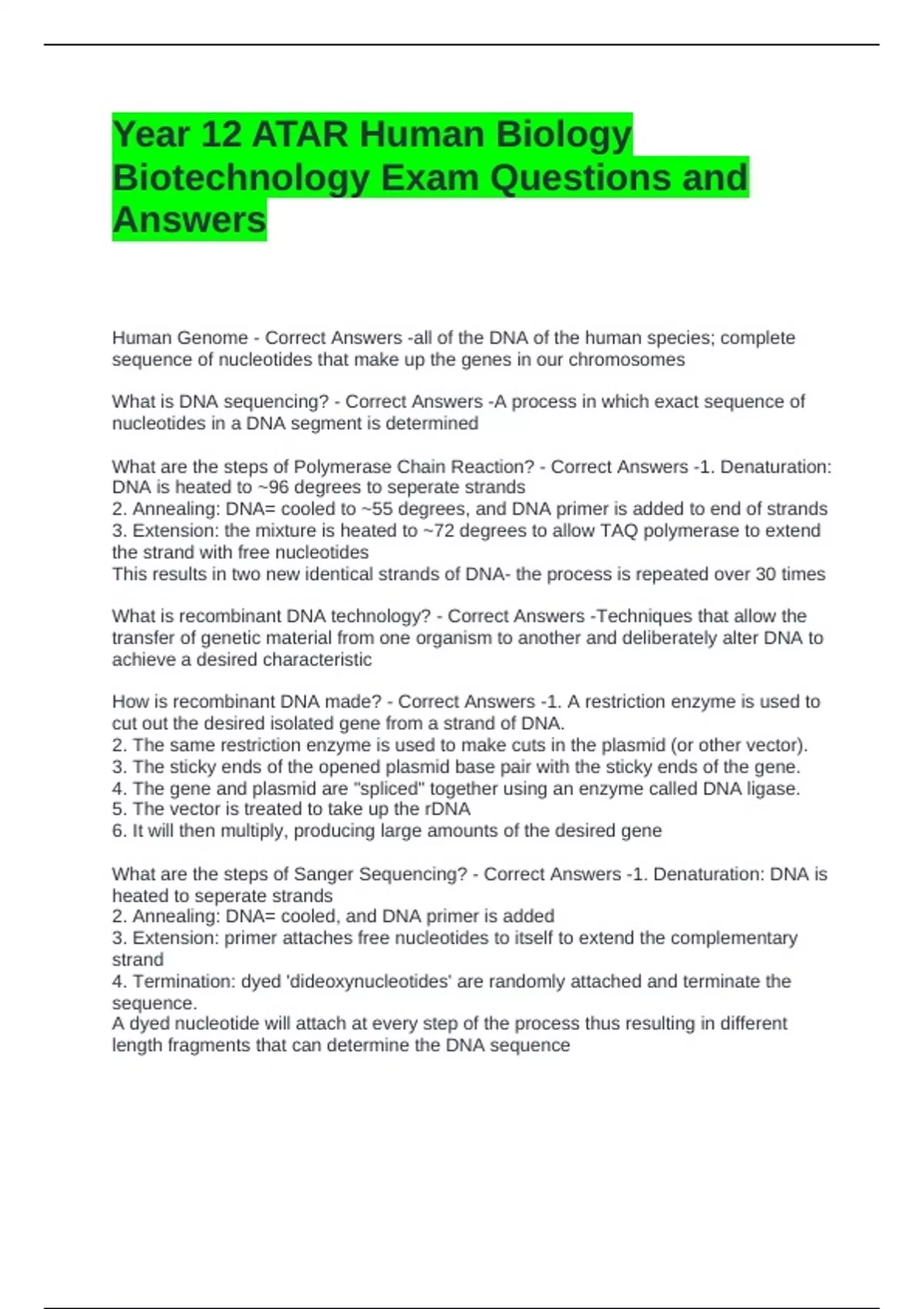
To understand how biotechnology works, one must view it as a cycle of discovery, manipulation, and application. The process almost always begins at the molecular level, specifically with the analysis of DNA, RNA, and proteins.
1. Discovery and Identification
Researchers identify specific genes or proteins that perform a function they wish to replicate or modify. For example, in the production of insulin, the human gene that encodes for insulin is identified and isolated.
2. Genetic Engineering
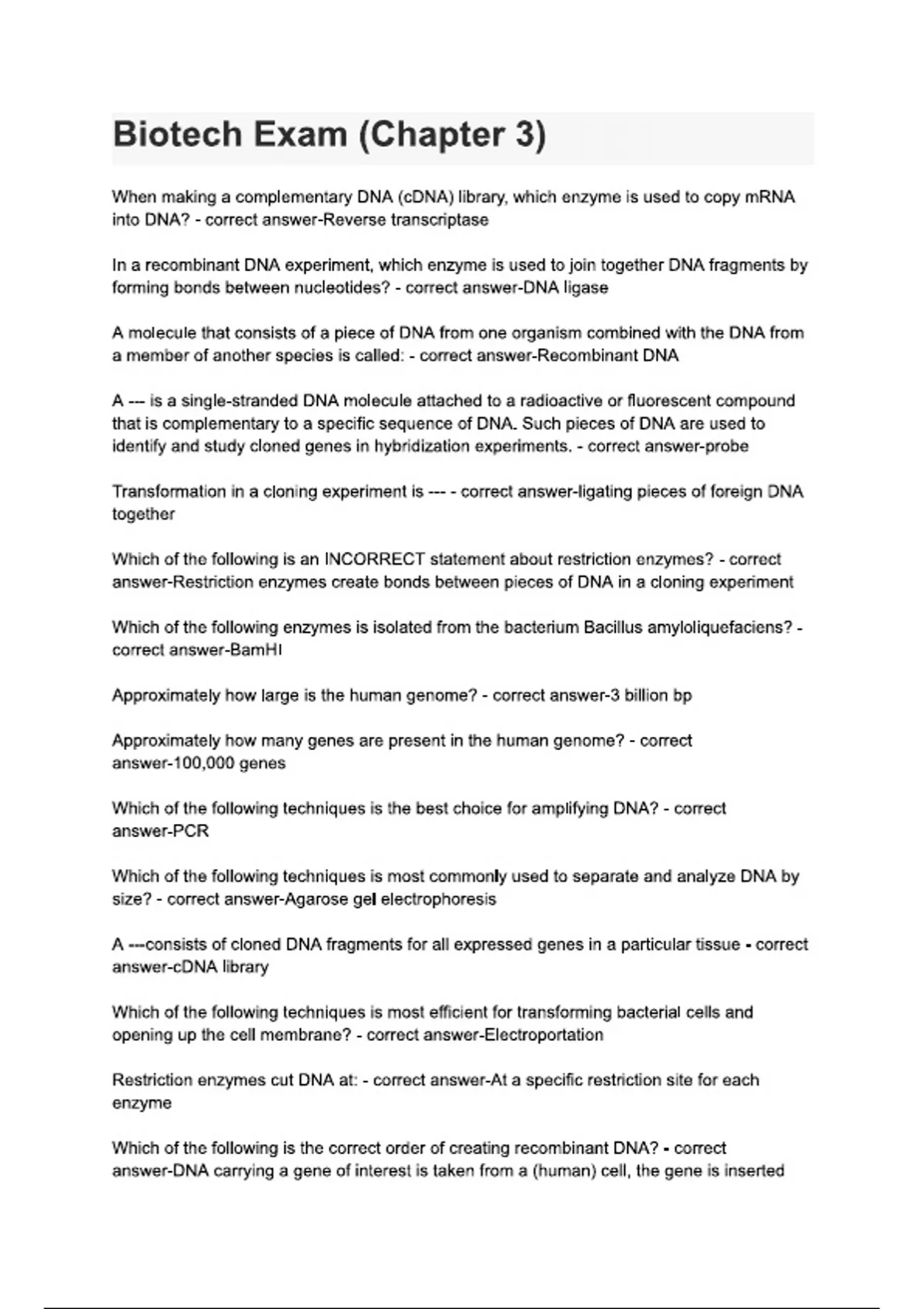
The isolated gene is inserted into a host organism, such as a bacterium or yeast. This host becomes a "bioreactor," essentially a living factory. Because these microorganisms reproduce rapidly, they create millions of copies of the desired product—in this case, insulin—which can then be harvested, purified, and bottled for medical use.
3. Scaling and Manufacturing
Moving from a laboratory beaker to an industrial-scale plant involves process engineering. Bioprocessing engineers design systems that maintain the optimal environment (pH, temperature, oxygen levels) for the microorganisms to thrive and produce the desired outcome efficiently.
Practical Applications and Impacts
The impact of biotechnology on the modern world is profound. It has shifted the paradigm of medicine from reactive treatment to proactive, personalized care.
Advances in Medicine
Biotechnology has enabled the development of "biologics"—complex medicines produced from living sources rather than synthetic chemicals. These have revolutionized the treatment of chronic conditions like rheumatoid arthritis, multiple sclerosis, and various cancers. Furthermore, mRNA technology, which gained widespread recognition in 2020, allows for rapid vaccine development by providing cells with the "blueprint" to trigger an immune response against specific pathogens.
Agricultural Sustainability
Global food security is a major challenge for 2026. Agricultural biotechnology provides tools to increase crop yields without requiring more land. By developing crops that require fewer pesticides or are bio-fortified with essential vitamins (such as Golden Rice), biotechnology addresses both the quantity and nutritional quality of the global food supply.
Environmental Stewardship
White biotechnology is playing a pivotal role in the transition to a circular economy. Microbes are being engineered to break down plastic waste or clean up oil spills through bioremediation. Additionally, the development of bio-based plastics—made from corn or sugarcane instead of petroleum—is helping to reduce the carbon footprint of the packaging industry.
Comparison of Biotechnological Methods
When evaluating how biotechnology solves a specific problem, researchers choose between various methodologies based on precision, cost, and feasibility.
| Method | Primary Mechanism | Best Use Case | Key Limitation |
|---|---|---|---|
| Recombinant DNA | Inserting foreign DNA into a host | Insulin/Hormone production | Regulatory complexity |
| CRISPR-Cas9 | Precise gene editing/cutting | Disease research & crop traits | Off-target effects risk |
| Fermentation | Microorganism metabolism | Biofuels, enzymes, brewing | Sensitivity to contamination |
| Bioremediation | Natural metabolic degradation | Oil spills, heavy metal removal | Slow reaction times |
Frequently Asked Questions
Is biotechnology the same as genetic engineering?
No. Genetic engineering is a specific technique used within biotechnology. Biotechnology is the broader field that includes genetic engineering, but also encompasses other areas like fermentation, cell culture, tissue engineering, and bio-informatics.
Are there significant safety risks associated with biotechnology?
Like any powerful technology, it carries risks. Regulatory bodies like the U.S. Food and Drug Administration (FDA) and the European Medicines Agency (EMA) enforce strict oversight. The primary concerns relate to "biosafety" (preventing the accidental release of modified organisms) and "bioethics" (ensuring human trials and animal research are conducted with integrity).
How is biotechnology regulated in 2026?
Regulations remain highly localized and stringent. In the United States, the Coordinated Framework for Regulation of Biotechnology involves the EPA, FDA, and USDA, ensuring that products are evaluated based on their function and risk profile rather than the method used to create them. Always check your local jurisdiction’s current guidelines regarding the commercialization of biological products.
Can biotechnology help with climate change?
Yes, primarily through industrial biotechnology. By developing high-efficiency enzymes for manufacturing and creating sustainable alternatives to petrochemicals, biotechnology reduces the energy intensity of industrial processes and captures carbon more effectively through advanced plant-based solutions.
What is the most promising area of biotechnology research right now?
Personalized medicine is currently seeing the most rapid growth. By sequencing a patient's genome, clinicians can tailor treatments to a specific individual’s genetic profile, increasing the efficacy of drugs and minimizing side effects, particularly in oncology and rare genetic disorders.
Addressing Challenges and Limitations
Despite the immense potential, biotechnology faces significant hurdles. Public perception remains mixed; there is often skepticism regarding genetically modified organisms (GMOs) and the ethics of gene editing in humans. Transparency in labeling, rigorous long-term safety studies, and open public dialogue are essential for the continued societal acceptance of these technologies.
Furthermore, the economic barrier to entry is high. The R&D costs for bringing a single biotechnological product to market—from the initial lab discovery to clinical trials and final approval—can reach hundreds of millions of dollars. This limits the pace of innovation, as startups and academic researchers often rely on heavy venture capital or government grants to move past the prototype phase.
Next Actions and Further Learning
If you are looking to enter the field or seek specific solutions, your next steps should be grounded in your intent. For students, focusing on the intersection of data science and biology—often called "computational biology"—is currently the most high-demand skill set. For those looking at agricultural or medical applications, investigating the specific regulatory pathway for your product is the most critical first action. Ensure you consult the official documentation provided by national health and environmental authorities to remain compliant with 2026 safety and ethical standards.
The field is evolving, but the fundamental promise of biotechnology remains the same: to apply the laws of biology to solve the most pressing problems of our era through innovation, precision, and rigorous evidence-based practice.