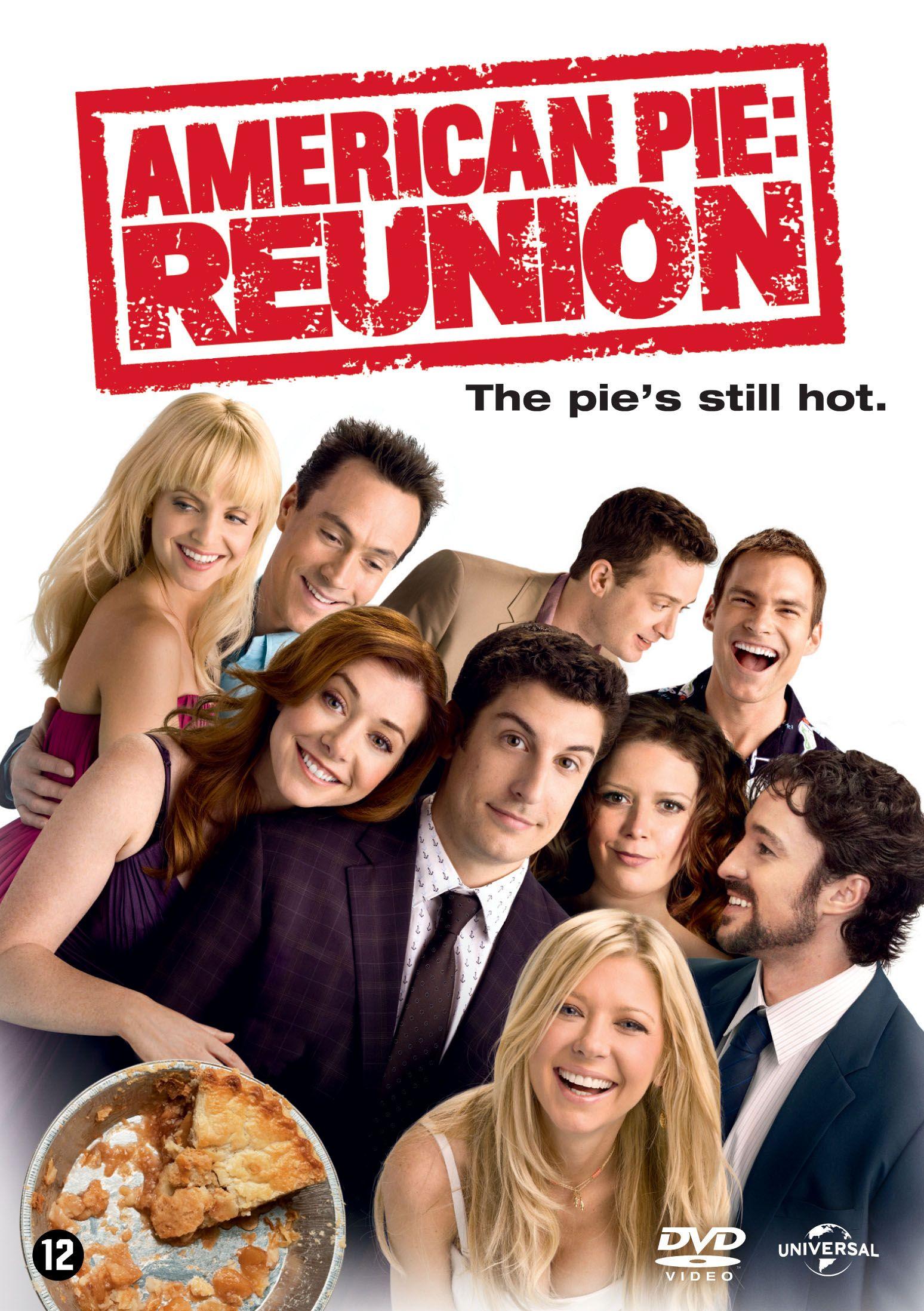
The "American Pie title and tag" refers to the strategic naming and marketing taglines of the 1999 seminal teen comedy American Pie. Originally titled under a generic working name, the final title and its provocative promotional taglines—most notably "There's something about your first piece"—played a pivotal role in defining the film's brand and the teen sex comedy genre.
The Origin of the Title: From Placeholder to Cultural Phenomenon
In the late 1990s, the landscape of teenage cinema was undergoing a significant shift. When screenwriter Adam Herz first shopped his script around Hollywood, it did not bear the iconic name we recognize today. The original working title was a literal, self-describing mouthful: Untitled Teenage Sex Comedy That Can Be Made For Under $10 Million. While this served as a functional description for studio executives at Universal Pictures, it lacked the punch necessary for a commercial blockbuster.
The transition to the name American Pie was a masterclass in thematic branding. The title was derived from one of the film's most infamous scenes involving the protagonist, Jim Levenstein, and a warm apple pie. By choosing this title, the filmmakers moved away from a generic description and toward a specific, memorable "event" within the movie. This created a sense of intrigue; audiences in 1999 were curious as to why a film about high school seniors would be named after a classic dessert.
As of 2026, looking back through the lens of nearly three decades of film history, the title American Pie has transcended its original culinary reference. It has become a linguistic shorthand for the awkward, "coming-of-age" experiences of the millennial generation. The decision to finalize this title was not merely about a single scene, but about capturing a sense of Americana—the idea of "apple pie" as something wholesome, which the film then hilariously subverted.
Analyzing the Iconic Taglines ("The Tags")
In marketing terms, a "tag" or "tagline" is a short, memorable phrase used in advertisements to sum up the tone and premise of a product. The American Pie taglines are studied by marketing professionals for their use of the "double entendre"—a linguistic device where a phrase has two meanings, one of which is usually risqué.
The Primary Tag: "There’s something about your first piece."
This is arguably the most successful tagline in the history of the teen comedy genre. It was designed to achieve several psychological goals:
- Immediate Engagement: It directly referenced the "apple pie" scene (a "piece" of pie).
- Suggestive Humor: It simultaneously alluded to the characters' primary motivation: losing their virginity (getting a "piece" of the action).
- Genre Identification: It signaled to the audience exactly what kind of movie this was—irreverent, R-rated, and unapologetically focused on teenage sexuality.
The "tag" was placed prominently on the original 1999 posters, usually centered beneath the main title. This placement ensured that even if a potential viewer didn't know the plot, the combination of the title and the tag told a complete story.
Secondary Tags and Promotional Labels
Beyond the primary tagline, Universal Pictures utilized several other "tags" across different media formats, including television spots and international trailers:
- "Coming Soon:" While standard, the timing of this tag was often played for comedic effect in teaser trailers, following scenes of high tension or embarrassment.
- "The comedy that’s a real mouthful:" Used in specific radio and print promotions to lean further into the gross-out humor that became the franchise's trademark.
Technical Marketing Specifications and Brand Identity
The visual representation of the American Pie title and tag followed a strict set of design guidelines that helped establish a recognizable brand identity across the entire franchise.
Typography and Color Palette
The title was consistently rendered in a bold, sans-serif font (often a modified version of Helvetica or similar high-impact grotesque faces). The primary colors used were red and white, often set against a clean, high-contrast background or a group shot of the ensemble cast. The use of red for the word "Pie" emphasized the "heat" and energy of the comedy, while the white provided a clean, commercial look that appealed to a broad demographic.
Placement and Composition
On theatrical one-sheets (posters), the "tag" was almost always positioned to bridge the gap between the title and the "billing block" (the technical credits at the bottom). This architectural choice in graphic design led the viewer's eye from the title, through the joke (the tag), and finally to the release date.
| Film Title | Primary Tagline (The Tag) | Release Year | Branding Focus |
|---|---|---|---|
| American Pie | "There's something about your first piece." | 1999 | Subverting Americana |
| American Pie 2 | "This summer, the heat is on." | 2001 | Sequel momentum |
| American Wedding | "This summer, they're having a piece of cake." | 2003 | Life stage transition |
| American Reunion | "The gang's all here." | 2012 | Nostalgia / Legacy |
The Song vs. The Film: Resolving Title Disambiguation
A common point of confusion—and a vital aspect of the "title and tag" history—is the relationship between the 1999 film and Don McLean’s 1971 folk-rock masterpiece, "American Pie." When researching the "American Pie title," it is essential to distinguish between these two distinct entities.
The film's title was not an official adaptation of the song. However, the song's cultural ubiquity provided a pre-existing brand awareness that the film’s producers were able to leverage. While the song is a metaphorical exploration of the loss of innocence in America following the 1959 plane crash that killed Buddy Holly, the film uses the title literally and comedically.
The producers had to ensure that the "tagging" of the film clearly separated it from the song to avoid consumer confusion. By using high-energy, sexually suggestive taglines, they made it clear that the film was a contemporary comedy, not a musical biography or a somber drama. In 2026, the two exist in a state of cultural symbiosis; mentioning the title "American Pie" almost always requires a follow-up "tag" to clarify whether one is discussing the music or the movie.
The Evolution of Branding in the Franchise
As the American Pie series expanded into sequels and the "American Pie Presents" spin-off line, the "title and tag" strategy evolved. The "American..." prefix became a valuable piece of intellectual property.
Consistency in Naming
By keeping "American" as the first word in every title, Universal created a "shelf-space" advantage. In the era of physical media (DVDs) and early digital storefronts, the films would always appear together alphabetically. This naming convention is a technical SEO strategy that predates modern search engines, ensuring the brand remained cohesive.
Tagline Adaptation
For the sequels, the "tags" became increasingly self-referential. For example, American Wedding used the tag "This summer, they're having a piece of cake," which was a direct callback to the "piece" joke from the first film's tagline. This created a sense of "inside-baseball" humor for returning fans, rewarding them for their knowledge of the franchise's history.
Challenges and Controversies in Title Tagging
The "American Pie title and tag" strategy was not without its hurdles. In several international markets, the double entendres used in the English taglines did not translate effectively.
- Linguistic Barriers: The word "piece" does not carry the same sexual connotation in many European or Asian languages. Marketers had to invent entirely new "tags" that captured the "gross-out" spirit of the film without relying on the specific pie-related wordplay.
- Censorship: In more conservative markets, the suggestive nature of the primary tag was deemed too explicit for public display. In these instances, the "tag" was often replaced with a more generic "The #1 Comedy in America."
- Legal Protections: Universal Pictures had to aggressively defend the "American Pie" trademark to prevent other production companies from using similar "American [Noun]" titles for low-budget teen comedies, which could have diluted the brand equity.
The Role of Digital Tags and Metadata in 2026
In the current landscape of 2026, the "title and tag" concept has moved beyond physical posters and into the realm of digital metadata. For streaming services and digital archives, the "tags" associated with American Pie include specific keywords that dictate how the film is recommended to users.
Modern digital tags for the film include:
- Genre Tags: Teen Comedy, Coming-of-Age, Raunchy Humor.
- Cultural Tags: 90s Nostalgia, Millennial Classics.
- Technical Tags: R-Rated, Ensemble Cast.
The original "tagline" is now often used as the "Short Description" or "Hook" in streaming UI (User Interface) design. This demonstrates the lasting power of the original marketing strategy; a joke written in a room in 1998 still serves as the primary gateway for a viewer discovering the film on a streaming platform today.
Common Mistakes When Referencing the Title and Tag
When documenting or discussing this subject, writers often fall into several traps:
- Attributing the Title to the Song: As mentioned, the song did not inspire the script; the "pie scene" did.
- Misquoting the Tagline: People often misremember the tag as "There's something about your first time," losing the crucial "piece" pun that made it famous.
- Ignoring the Spin-offs: Many forget that the "title and tag" strategy was applied to a long line of direct-to-video movies (like Band Camp or The Naked Mile), which used the "American Pie Presents" branding to maintain the "tag" connection.
Troubleshooting Brand Recognition
If you are a collector or a student of film marketing, you may encounter different versions of the American Pie title and tag. To verify the authenticity of promotional material, check for:
- The Universal Pictures Logo: Ensure it matches the 1997-2012 era "Globe" design.
- The Font: The "A" in American should have a specific, slightly stylized crossbar in the original theatrical font.
- The Tagline Placement: On original 1999 posters, the tagline is almost never at the very top; it is traditionally placed in the bottom third of the image.
Next Steps for Researchers and Enthusiasts
To fully appreciate the impact of the American Pie title and tag, one should examine the original press kits released by Universal Pictures in 1999. These kits contain the "Style Guide" used by global partners to ensure the title and tags were used correctly. Additionally, comparing the theatrical "tags" to the "tags" used for the "Unrated" DVD releases provides insight into how the brand adjusted its tone for the home video market, which often leaned even further into the film's adult themes.
FAQ
Why was the movie named American Pie?
The movie was named American Pie because of a central scene where the main character, Jim, is caught in a compromising situation with a homemade apple pie. The title also served as a metaphor for the quintessential (and often messy) American teenage experience.
What is the most famous tagline for American Pie?
The most famous tagline (or "tag") is "There's something about your first piece." It is celebrated for its clever use of a double entendre, referring both to a piece of pie and to the film's themes of teenage sexual discovery.
Did Don McLean approve of the film using his song title?
While the title is the same, the film and the song are legally distinct. The film used the title under the "Fair Use" or "Titles cannot be copyrighted" principles in many jurisdictions, provided it did not cause consumer confusion. The song "American Pie" does play during a pivotal scene in the film, indicating a respectful, if ironic, acknowledgement of the source material.
How did the taglines change for the sequels?
The sequels often used "call-back" tags. American Pie 2 focused on the "heat" of summer, while American Wedding and American Reunion used puns related to cake or the "gang" getting back together. Each tag was designed to remind the audience of the original film's humor while highlighting the characters' new life stages.
Is American Pie the only film to use this "title and tag" strategy?
While not the only one, it is one of the most successful. The strategy of using a wholesome title and a suggestive tag became a template for many comedies in the early 2000s, such as 40-Day and 40 Nights or National Lampoon’s Van Wilder.