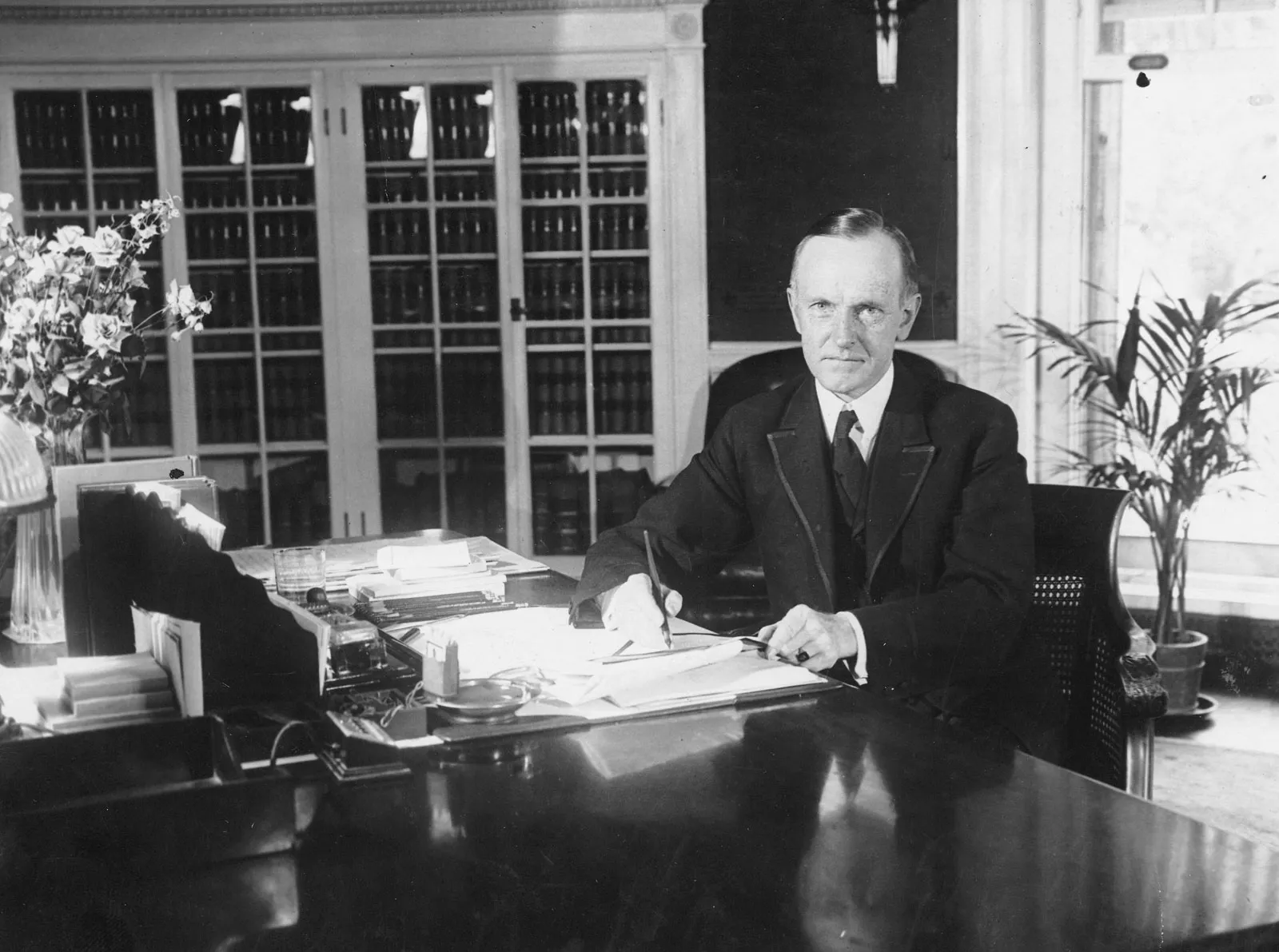
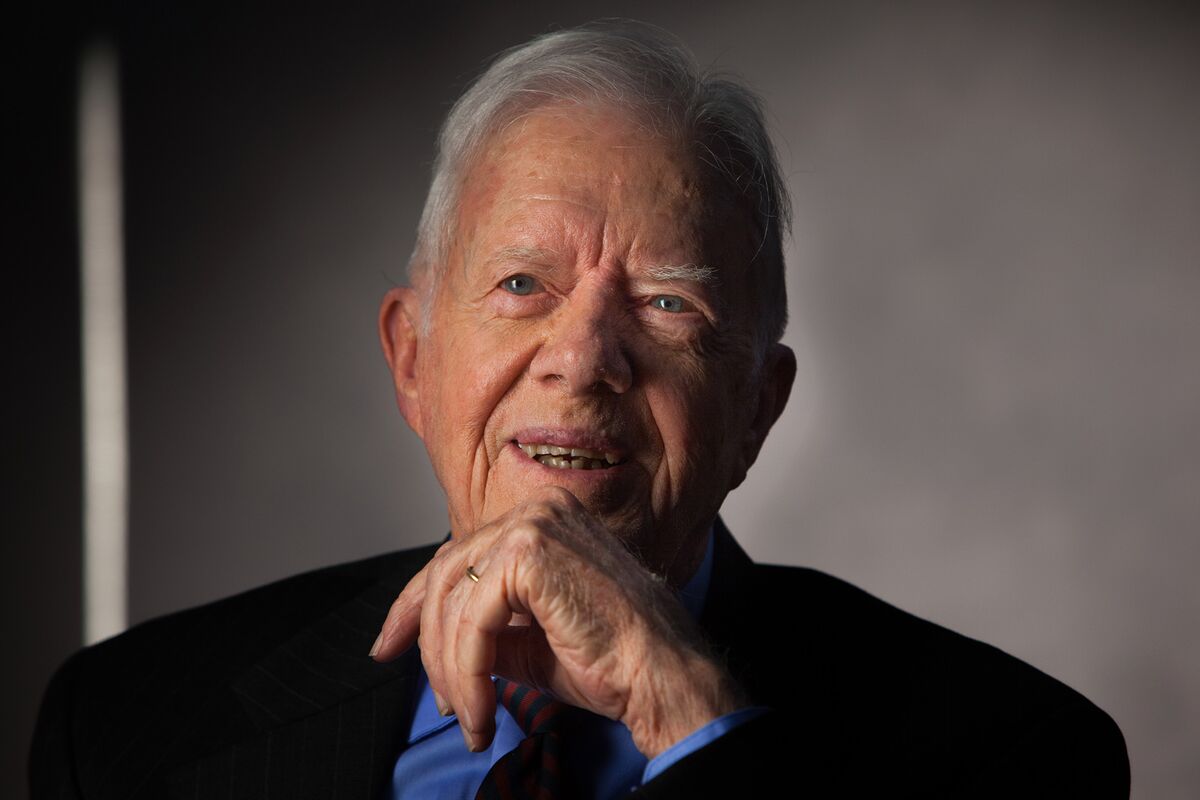
Four United States presidents have been awarded the Nobel Peace Prize: Theodore Roosevelt, Woodrow Wilson, Jimmy Carter, and Barack Obama. While Roosevelt, Wilson, and Obama received the honor during their terms in office, Jimmy Carter was awarded the prize in 2002, two decades after leaving the White House, for his lifelong commitment to diplomacy.
The intersection of the American presidency and the Nobel Peace Prize represents a unique nexus of global power and humanitarian aspiration. Since the prize’s inception in 1901, the Norwegian Nobel Committee has occasionally looked toward the leaders of the world's most influential democracy to recognize efforts in conflict resolution, international organization, and the promotion of human rights. These awards are rarely without controversy, often sparking debates about the timing of the recognition, the political motivations of the committee, and the long-term efficacy of the peace efforts cited.
As of 2026, the historical record remains focused on these four individuals, each of whom represents a different era of American foreign policy and a distinct approach to the concept of global peace. Understanding their contributions requires looking beyond the gold medals to the specific geopolitical tensions they sought to resolve.
Theodore Roosevelt: The First American Laureate (1906)
Theodore Roosevelt became the first American to win a Nobel Prize in any category. His 1906 Nobel Peace Prize was awarded primarily for his role in mediating the end of the Russo-Japanese War. While Roosevelt is often remembered for his "Big Stick" diplomacy and his robust, sometimes interventionist foreign policy, his work as a peacemaker in 1905 demonstrated a sophisticated understanding of the global balance of power.
The Treaty of Portsmouth
The Russo-Japanese War (1904–1905) was a brutal conflict that threatened to destabilize East Asia and drag other European powers into a broader struggle. Recognizing the danger, Roosevelt invited representatives from both the Russian Empire and the Empire of Japan to Portsmouth, New Hampshire. Throughout the summer of 1905, Roosevelt acted as a tireless intermediary, often communicating directly with the Tsar and the Japanese Emperor to break deadlocks over indemnities and territorial concessions.
His success resulted in the Treaty of Portsmouth, signed in September 1905. It was a landmark achievement that signaled the emergence of the United States as a major player in international arbitration. The Nobel Committee recognized that Roosevelt’s intervention likely prevented a much larger, more devastating continental war.
Legacy and Controversy
Roosevelt did not attend the ceremony in Oslo (then Christiania) in 1906, citing his duties as president. When he finally delivered his Nobel lecture in 1910, he spoke about the necessity of "international police power" to maintain peace, a concept that foreshadowed modern peacekeeping. However, critics at the time—and some historians today—point to his simultaneous expansion of the U.S. Navy and his role in the Panama Canal's acquisition as contradictions to the spirit of a peace prize.
Woodrow Wilson: The Architect of International Order (1919)
Woodrow Wilson received the Nobel Peace Prize in 1919 for his efforts to end World War I and his primary role in founding the League of Nations. Wilson’s approach was deeply ideological, rooted in "Liberal Internationalism" and the belief that a formal organization of states could prevent future conflicts through collective security.
The Fourteen Points and the League
In January 1918, Wilson delivered his "Fourteen Points" speech, which outlined a vision for a post-war world based on self-determination, free trade, and open diplomacy. The fourteenth point specifically called for a "general association of nations" to afford "mutual guarantees of political independence and territorial integrity."
During the 1919 Paris Peace Conference, Wilson fought tenaciously to include the Covenant of the League of Nations in the Treaty of Versailles. The Nobel Committee awarded him the prize for providing the framework for a new international order, even as the peace treaty itself was criticized for being too harsh on Germany.
The Great Irony
Wilson’s Nobel win is marked by a profound historical irony. While the world recognized him for his vision of the League of Nations, he was unable to convince his own country to join. The U.S. Senate, led by Henry Cabot Lodge, rejected the Treaty of Versailles, and the United States never became a member of the League. This failure, combined with Wilson’s declining health following a massive stroke in late 1919, left his internationalist legacy in a state of suspended animation until the founding of the United Nations after World War II.
Jimmy Carter: A Lifetime of Humanitarian Service (2002)
Unlike his predecessors, Jimmy Carter was recognized not for a single act during his presidency, but for "decades of untiring effort to find peaceful solutions to international conflicts, to advance democracy and human rights, and to promote economic and social development." Awarded in 2002, the prize served as a validation of his extensive post-presidential work through The Carter Center.
The Post-Presidency Standard
While Carter's presidency included the historic Camp David Accords (1978) between Israel and Egypt, he was notably excluded from the Nobel Peace Prize that year, which was shared only by Anwar Sadat and Menachem Begin. Many viewed the 2002 award as a "rectification" of that earlier omission, combined with twenty years of subsequent achievement.
The Nobel Committee specifically cited Carter’s work in:
- Conflict Mediation: From North Korea to Ethiopia and Haiti, Carter often stepped into diplomatic vacuums to prevent violence.
- Disease Eradication: The Carter Center led the global charge to eradicate Guinea worm disease, reducing cases from millions to nearly zero.
- Election Monitoring: Carter became the gold standard for verifying democratic processes in emerging nations, overseeing over 100 elections globally.
Ethical Leadership
Carter’s award was also seen by some as a political statement by the Norwegian Committee. In 2002, as the U.S. moved toward war in Iraq, the committee's chairman, Gunnar Berge, explicitly stated that the prize should be seen as a criticism of the then-current administration's shift toward unilateralism. Despite this, Carter’s personal dedication to peace remains one of the most respected "second acts" in American political history.
Barack Obama: The Prize of Aspiration (2009)
The Nobel Peace Prize awarded to Barack Obama in 2009 remains one of the most debated in the committee’s history. Coming just nine months into his first term, the award was given for his "extraordinary efforts to strengthen international diplomacy and cooperation between peoples."
Diplomacy and Denuclearization
The committee highlighted Obama’s commitment to a world without nuclear weapons and his emphasis on multilateralism. They noted that his presidency had fundamentally changed the international climate, replacing a period of confrontation with a "new climate" of dialogue. Key moments cited included his 2009 speech in Prague regarding nuclear non-proliferation and his Cairo speech ("A New Beginning") aimed at mending relations with the Muslim world.
The "Aspiration" Debate
The timing of the award was criticized by both political allies and opponents. Critics argued that Obama had not yet achieved any concrete peace breakthroughs and that the prize was awarded based on promise rather than performance. Even Obama expressed surprise, stating in his acceptance speech that he was "at the beginning, and not the end" of his labors on the world stage.
In hindsight, Obama’s Nobel legacy is viewed through the lens of the complex conflicts that followed, including the Arab Spring, the Syrian Civil War, and the continued use of drone strikes. However, proponents argue the prize gave him the "moral capital" to pursue the Iran Nuclear Deal and the normalization of relations with Cuba later in his presidency.
Comparison of Presidential Nobel Peace Prizes
The following table summarizes the key details surrounding each president's award, highlighting the diversity of their achievements.
| President | Year Awarded | Status at Time of Award | Primary Reason Cited |
|---|---|---|---|
| Theodore Roosevelt | 1906 | In Office (1st Term) | Mediating the Russo-Japanese War (Treaty of Portsmouth). |
| Woodrow Wilson | 1919 | In Office (2nd Term) | Efforts in ending WWI and founding the League of Nations. |
| Jimmy Carter | 2002 | Former President | Decades of work in human rights, democracy, and conflict resolution. |
| Barack Obama | 2009 | In Office (1st Term) | Strengthening international diplomacy and nuclear non-proliferation. |
Common Themes and Requirements for the Prize
The Nobel Peace Prize is governed by the will of Alfred Nobel, which specifies that the award should go to the person who has done "the most or the best work for fraternity between nations, for the abolition or reduction of standing armies and for the holding and promotion of peace congresses."
The Role of the Norwegian Nobel Committee
Unlike the other Nobel Prizes, which are awarded by Swedish institutions, the Peace Prize is determined by a five-member committee appointed by the Norwegian Parliament (the Storting). This creates a unique political dynamic, as the committee often uses the prize to encourage future behavior or to signal international consensus on specific issues.
The Nomination Process
Nominations for the prize can be made by various qualified individuals, including members of national assemblies, university professors in specific fields, and former laureates. For a sitting U.S. president, the nomination typically comes from international political figures or academics who wish to highlight a specific shift in American foreign policy.
Other Presidents Nominated or Considered
The list of four winners does not tell the whole story of the American presidency and the Nobel Peace Prize. Several other presidents have been nominated or were considered close contenders:
- Franklin D. Roosevelt: Though he died before the 1945 prize was awarded, FDR was frequently mentioned for his role in planning the United Nations.
- Dwight D. Eisenhower: Nominated multiple times for his "Atoms for Peace" initiative and for maintaining stability during the Cold War.
- Bill Clinton: Frequently discussed in the late 1990s for his mediation of the Good Friday Agreement in Northern Ireland and the Oslo Accords between Israel and the PLO.
- Richard Nixon: While his Secretary of State, Henry Kissinger, won the prize in 1973 for the Vietnam ceasefire, Nixon himself was not included—a point of significant historical debate.
Frequently Asked Questions
Which president won the Nobel Prize after leaving office?
Jimmy Carter is the only U.S. president to receive the Nobel Peace Prize as a former president. He was awarded the prize in 2002, twenty-one years after his presidency ended in 1981. This award recognized his extensive humanitarian work through The Carter Center rather than his specific actions while in the White House.
Why was Barack Obama's Nobel Prize controversial?
The controversy stemmed primarily from the timing. Obama had been in office for less than a year and had not yet signed any major peace treaties or ended any wars. Many critics felt the award was "aspirational"—meant to encourage his stated goals—rather than a recognition of established achievements.
Did any president win a Nobel Prize in a category other than Peace?
No. All four American presidents who have won a Nobel Prize were awarded the Nobel Peace Prize. While many presidents have been accomplished authors or thinkers, none have received prizes in Literature, Physics, Chemistry, Medicine, or Economic Sciences.
Who was the first U.S. president to win the award?
Theodore Roosevelt was the first, receiving the award in 1906 for his mediation of the Russo-Japanese War. This was a significant moment for the United States, as it marked the first time an American had won a Nobel Prize in any category.
Can a sitting president decline the Nobel Prize?
While a president could theoretically decline the prize, none have done so. Acceptance of the prize by a sitting president is often viewed as a diplomatic necessity. However, U.S. presidents generally donate the monetary award (which can exceed $1 million) to various charities to avoid conflicts of interest or the appearance of personal profiting from the office.
Conclusion and Future Outlook
The history of American presidents and the Nobel Peace Prize reflects the shifting nature of global leadership. From the mediation of 19th-century imperial wars to the 21st-century focus on human rights and nuclear non-proliferation, these awards highlight the unique capacity of the American presidency to influence the global search for order.
For those researching the impact of these awards, the primary recommendation is to look at the Nobel Lecture delivered by each president. These speeches often provide the most direct insight into how each leader reconciled the realities of exercising national power with the idealistic goals of the Nobel Committee. As we move further into the 2020s, the criteria for the prize continue to evolve, placing greater emphasis on climate change, digital rights, and global health—areas where future presidents may yet leave their mark on the Nobel stage.