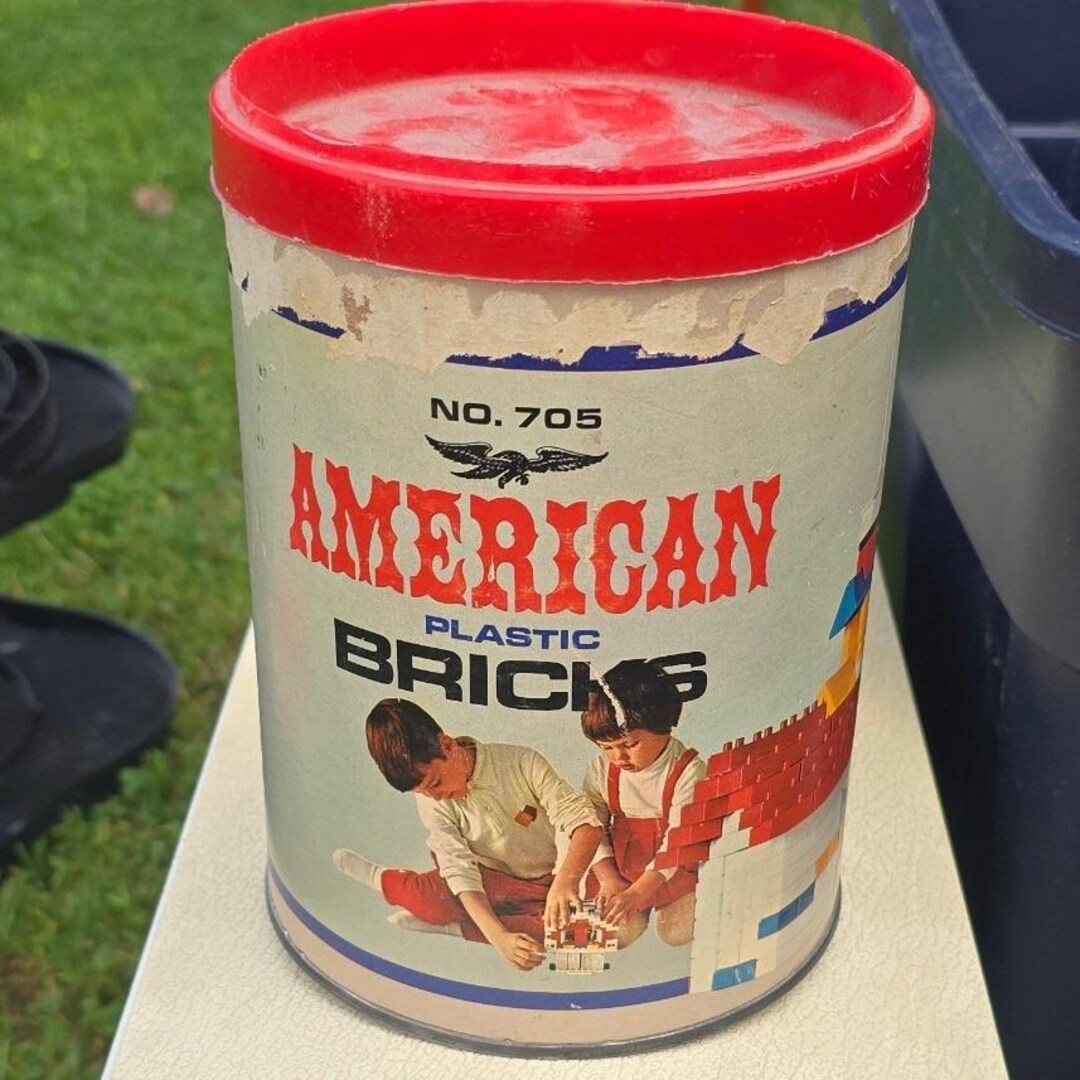
American plastic products encompass a vast range of industrial, commercial, and consumer goods manufactured within the United States. In 2026, the industry is defined by a significant shift toward domestic supply chain resilience, the integration of advanced chemical recycling technologies, and strict compliance with evolving state-level environmental regulations and federal safety standards.
The term "American plastic products" often refers to the output of the United States’ multi-billion dollar plastics manufacturing sector. While several specific companies share variations of this name, the primary interest for most stakeholders lies in the sourcing, quality standards, and sustainability of domestically produced plastic goods. As we navigate the landscape in 2026, the industry has moved beyond simple fabrication into high-tech material science, focusing on "circularity"—the ability to reuse and recycle materials indefinitely. This guide explores the technical specifications, sourcing strategies, and regulatory environment of the modern American plastics industry.
The Landscape of US Plastic Manufacturing
The United States remains one of the world’s largest producers of plastic resins and finished plastic goods. The industry is concentrated in regions with high access to raw materials and shipping hubs, notably the Gulf Coast (Texas and Louisiana) and the industrial Midwest (Ohio, Michigan, and Illinois).
By 2026, the sector has branched into three primary categories:
- Commodity Thermoplastics: High-volume production of polyethylene (PE), polypropylene (PP), and polyvinyl chloride (PVC) used in packaging, construction, and consumer goods.
- Engineering Plastics: Specialized materials like polycarbonates, polyamides (nylon), and acetals designed for high-performance applications in the automotive, aerospace, and medical sectors.
- Bio-based and Compostable Polymers: A rapidly growing segment focusing on polylactic acid (PLA) and polyhydroxyalkanoates (PHA) derived from renewable American agricultural feedstocks like corn and soy.
The technical depth of American manufacturing is most evident in the precision of the molding processes used. American facilities heavily utilize Injection Molding for complex geometries, Blow Molding for hollow containers, and Extrusion for continuous profiles like piping and sheeting. The adoption of Industry 4.0—utilizing AI-driven quality control and automated resin blending—has allowed US manufacturers to maintain competitive pricing despite higher labor costs compared to overseas markets.
The "Made in USA" Advantage: Quality and Logistics
Sourcing American plastic products provides several strategic advantages that have become increasingly critical in the post-2024 economic climate. Companies are moving away from extended global supply chains in favor of "near-shoring" or "onshoring" to mitigate the risks of geopolitical instability and port congestion.
Supply Chain Resilience and Lead Times
One of the most immediate benefits of domestic production is the reduction in lead times. Shipping a container from Asia can take weeks or months, whereas domestic trucking or rail can deliver products across the country in days. This allows for Just-in-Time (JIT) manufacturing, reducing the amount of capital tied up in inventory.
Regulatory Compliance and Safety Standards
American plastic products are subject to some of the world's most rigorous safety and quality standards. This is particularly vital for products that come into contact with food or medical patients.
- FDA Compliance: The U.S. Food and Drug Administration (FDA) regulates the resins and additives used in food contact substances (FCS).
- NSF International: For water distribution and plumbing, NSF/ANSI standards ensure that plastic pipes and fittings do not leach harmful chemicals into the water supply.
- USP Class VI: This is the gold standard for medical-grade plastics, requiring stringent biocompatibility testing.
Total Cost of Ownership (TCO)
While the "piece price" of a plastic part made in the US may be higher than one made in a low-cost labor market, the Total Cost of Ownership often favors American products. When factoring in duty fees, international shipping, quality inspection costs, and the risk of intellectual property theft, the domestic option frequently emerges as the more financially sound long-term investment.
Sustainable Materials and the Shift to Circularity
By 2026, the American plastics industry is no longer just about production; it is about recovery. The push for "circularity" has transformed how products are designed.
Post-Consumer Resin (PCR) Integration
Many American manufacturers now offer products made with high percentages of Post-Consumer Resin (PCR). Unlike "post-industrial" plastic (which is essentially factory scrap), PCR is material that has been used by a consumer, diverted from a landfill, and reprocessed. In 2026, several US states—led by California’s SB 54—require a minimum percentage of PCR in plastic packaging, forcing a massive scale-up in domestic recycling infrastructure.
Advanced (Chemical) Recycling
A major development in the mid-2020s has been the commercialization of Advanced Recycling (also known as molecular or chemical recycling). Unlike traditional mechanical recycling, which can degrade the plastic’s quality, chemical recycling breaks the polymer down into its original monomers. This allows the creation of "virgin-quality" resin from hard-to-recycle plastics like flexible films and multi-layer packaging. American companies like Eastman and ExxonMobil have opened massive facilities to supply this "circular" plastic to manufacturers.
PFAS-Free Manufacturing
The industry has also undergone a significant shift away from "forever chemicals" or PFAS (per- and polyfluoroalkyl substances). These substances were traditionally used as processing aids to prevent "melt fracture" in plastic extrusion. Due to aggressive state-level bans and EPA scrutiny, the majority of American plastic products in 2026 are now marketed as PFAS-free, utilizing alternative processing technologies.
Technical Comparison of Common American Plastic Resins
Choosing the right material is essential for product performance. The table below outlines the properties of the most common resins produced and used in American manufacturing today.
| Resin Type | Common Applications | Key Properties | 2026 Sustainability Status |
|---|---|---|---|
| PET (Polyethylene Terephthalate) | Beverage bottles, food jars, polyester fiber. | High clarity, strong moisture barrier, high recyclability. | Widely available in 50% to 100% PCR grades. |
| HDPE (High-Density Polyethylene) | Milk jugs, shampoo bottles, piping, lumber. | High strength-to-density ratio, chemically resistant. | Primary material for domestic mechanical recycling. |
| LDPE (Low-Density Polyethylene) | Plastic bags, squeeze bottles, shrink wrap. | Flexible, tough, transparent. | Transitioning to advanced chemical recycling paths. |
| PP (Polypropylene) | Yogurt cups, automotive parts, medical devices. | High melting point, fatigue resistance. | Rapidly increasing demand for recycled food-grade PP. |
| PVC (Polyvinyl Chloride) | Construction pipes, medical tubing, flooring. | Durable, flame retardant, cost-effective. | Shift toward non-phthalate plasticizers. |
| PC (Polycarbonate) | Eyewear, electronic components, bullet-resistant glass. | Extreme impact resistance, optical clarity. | High-value material for closed-loop industrial recycling. |
Navigating Regulatory Requirements in 2026
The regulatory environment for plastic products in the United States has become increasingly localized. While the federal government provides a baseline, individual states have taken the lead on environmental mandates.
Extended Producer Responsibility (EPR) Laws
As of 2026, four major states (California, Colorado, Oregon, and Maine) have fully operational Extended Producer Responsibility (EPR) programs. These laws require manufacturers to take financial or physical responsibility for their products at the end of their life cycle. If you are sourcing plastic products for sale in these states, you must ensure the packaging is either recyclable, compostable, or meets specific source-reduction targets.
The UN Global Plastics Treaty Impact
Internationally, the 2024 UN Global Plastics Treaty has begun to influence American standards. Although the US has a decentralized approach to implementation, many American manufacturers have voluntarily adopted "Global Design for Recycling" standards to ensure their products can be sold in international markets that adhere strictly to the treaty's mandates.
Labeling and Claims
The Federal Trade Commission (FTC) has updated its "Green Guides" as of 2025 to prevent "greenwashing." To label an American plastic product as "recyclable," there must be evidence that at least 60% of the communities where the product is sold have access to recycling facilities for that specific item. Claims regarding "biodegradability" are now almost entirely restricted to products that meet ASTM D6400 or D6868 standards in industrial composting environments.
Sourcing American Plastic Products: A Step-by-Step Guide
For businesses looking to procure domestic plastic components or finished goods, following a structured sourcing process is vital to ensuring quality and compliance.
1. Define Material Specifications
Determine the environmental stressors the product will face. Does it need UV resistance for outdoor use? Does it require high heat deflection for automotive engine bays? Identify the necessary ASTM (American Society for Testing and Materials) standards.
2. Verify Manufacturer Certifications
Look for manufacturers with ISO 9001:2015 certification for quality management. For specialized industries, look for ISO 13485 (medical) or IATF 16949 (automotive). If the product is food-contact related, confirm the facility is registered with the FDA and follows Good Manufacturing Practices (GMP).
3. Evaluate Tooling Costs
If you are ordering a custom-molded product, the most significant upfront cost is the "tooling" (the metal mold). American-made molds are often more expensive than imports because they are typically made from higher-grade steel (like H13 or S7) designed for hundreds of thousands of cycles. Ensure the manufacturer provides a life-of-tool guarantee.
4. Request a Sustainability Audit
In 2026, transparency is a requirement for many ESG (Environmental, Social, and Governance) reports. Ask the supplier for their Scope 1 and Scope 2 emissions data and the origin of their resin. Verify if they utilize "Mass Balance" accounting for their recycled content claims.
Common Mistakes in Sourcing Plastic Products
- Over-specifying the Material: Using a high-performance engineering plastic for a simple consumer good can triple costs unnecessarily. Always consult with a materials engineer.
- Ignoring Draft Angles: In injection molding, the "draft" is the taper on the sides of the part that allows it to be ejected from the mold. Neglecting this in the design phase leads to high scrap rates and increased costs.
- Underestimating Shipping Costs for Large Items: Plastics are often lightweight but bulky. For large items like storage bins or automotive bumpers, the cost of "shipping air" can be prohibitive. Sourcing from a manufacturer within a 500-mile radius is often the most cost-effective strategy.
Frequently Asked Questions
Is it more expensive to buy plastic products made in the USA?
While the unit price can be 10% to 30% higher than imports from Southeast Asia, the total cost is often lower when considering the removal of transoceanic shipping fees, import tariffs (which remain high in 2026), and the lower risk of defects. Furthermore, domestic products avoid the "Carbon Border Adjustment" taxes that some regions have begun to implement on imported goods with high carbon footprints.
How can I verify if a product is truly "Made in USA"?
According to the FTC, for a product to be labeled "Made in USA," "all or virtually all" of the product must be made in the United States. This includes the sourcing of the raw resin and the final molding process. You should ask for a Certificate of Origin from the manufacturer to verify these claims for tax or regulatory purposes.
What is the difference between "recyclable" and "compostable" plastic?
Recyclable plastic (like PET or HDPE) is intended to be melted down and reformed into new products. Compostable plastic (like PLA) is designed to break down into water, CO2, and biomass in a controlled environment. Importantly, most compostable plastics will not break down in a standard backyard compost bin or a landfill; they require the high heat of an industrial composting facility.
Can American plastic products be PFAS-free?
Yes. By 2026, the majority of American plastic manufacturers have transitioned to PFAS-free processing aids. These new formulations use silicone-based or ceramic-based lubricants to achieve the same smooth finish as PFAS-based additives without the environmental persistence associated with fluorinated chemicals.
What is "Mass Balance" in plastic manufacturing?
Mass Balance is an accounting method used when recycled or bio-based feedstocks are mixed with traditional fossil-fuel feedstocks in a refinery. Because the molecules are identical, they cannot be physically separated after mixing. Instead, the manufacturer "attributes" the recycled volume to a specific batch of product, which is then certified by third parties like ISCC PLUS.
Practical Recommendation
When sourcing American plastic products in 2026, prioritize material transparency and regional proximity. Begin by requesting a technical data sheet (TDS) and a safety data sheet (SDS) for the specific resin grade being used. If your project involves high volumes, consider a "Dual Sourcing" strategy—maintaining two domestic suppliers in different geographic regions of the US to protect against regional disruptions. Finally, always ensure your product design incorporates the "Design for Recycling" principles to stay ahead of the increasingly strict state-level EPR mandates that now dominate the American market.