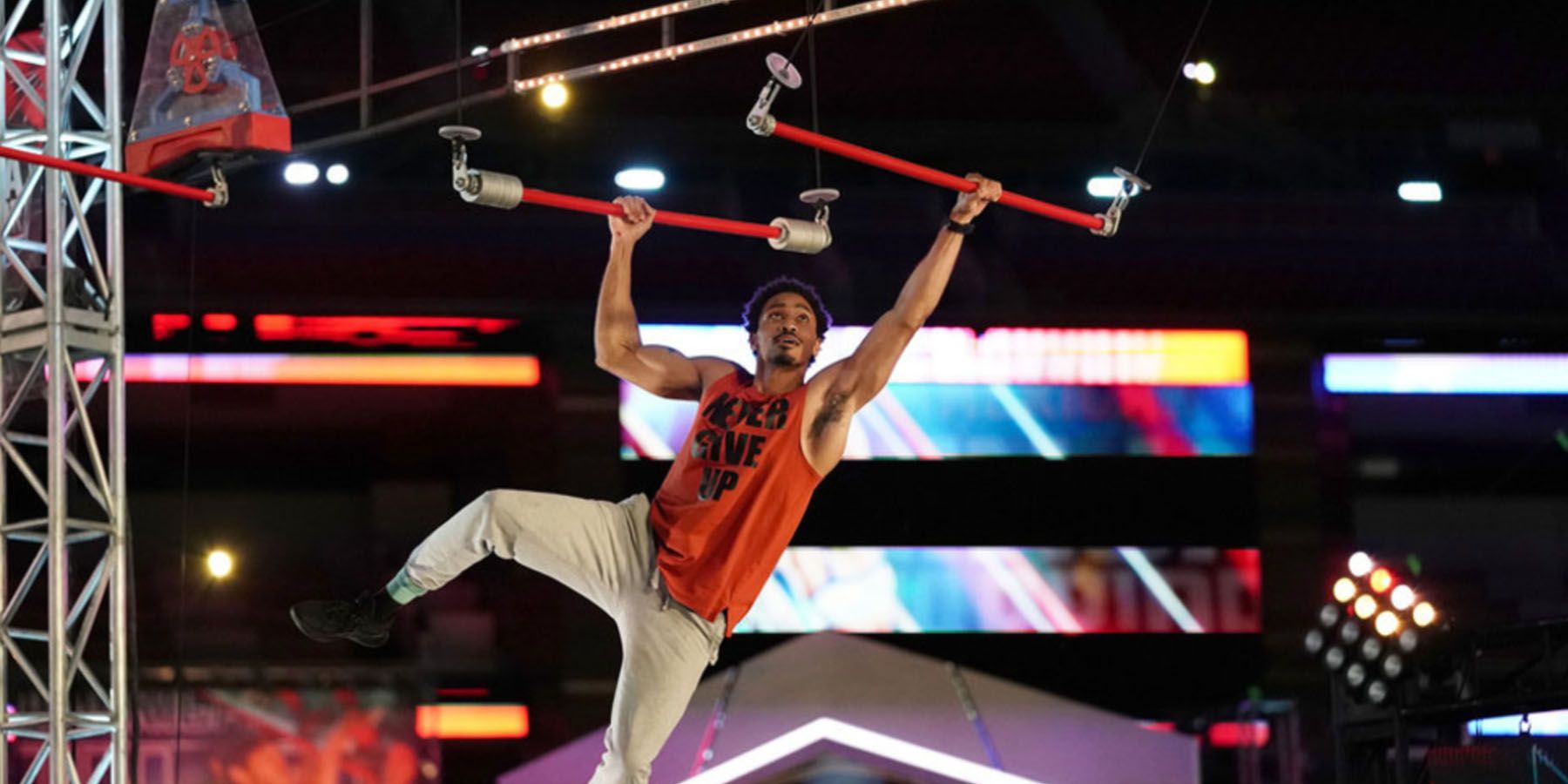
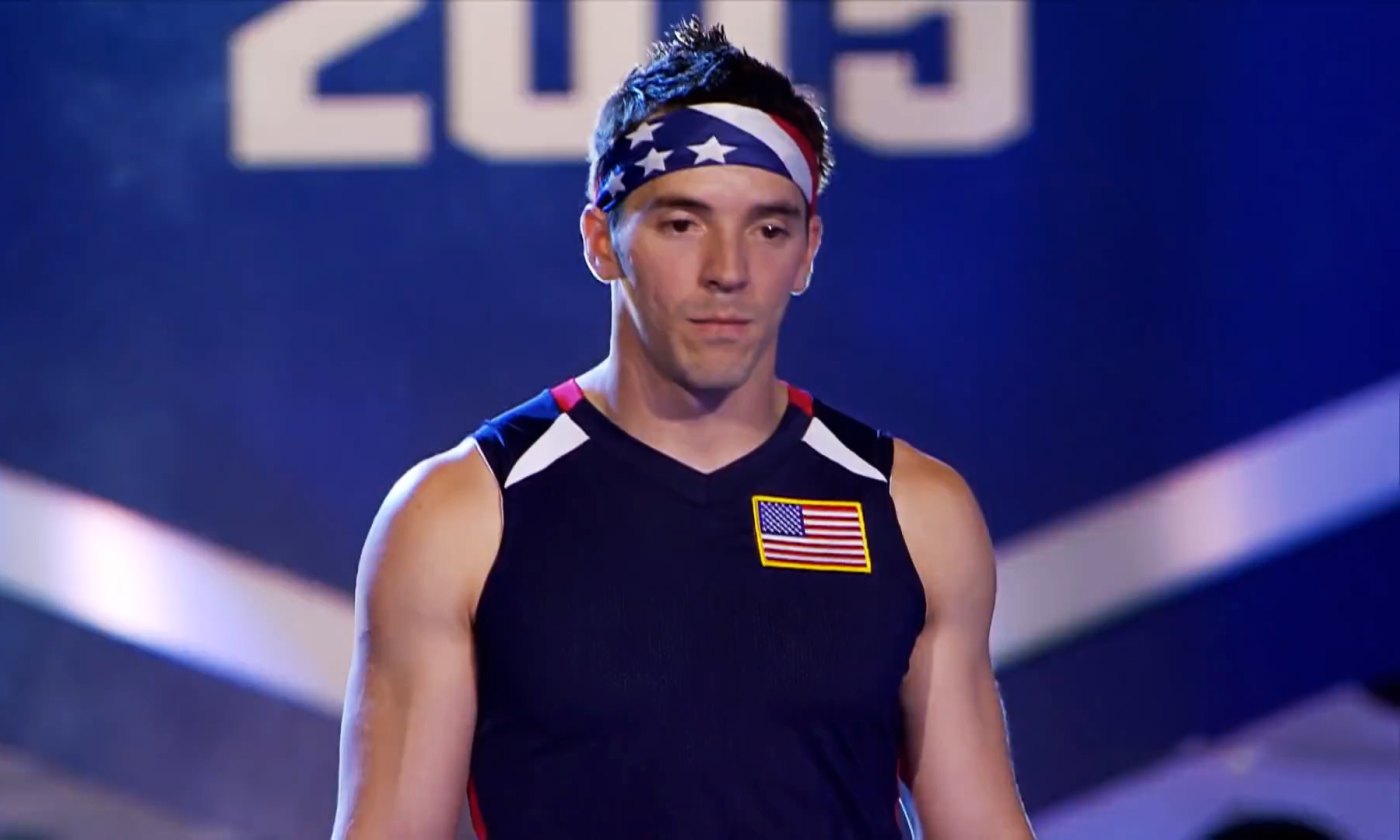
Drew Drechsel remains one of the most polarizing and influential figures in the history of the television competition series American Ninja Warrior (ANW). Known for his exceptional speed, technical precision, and analytical approach to obstacle design, he established himself as a dominant force during his tenure on the show. Throughout his career, he achieved multiple buzzer-beating runs, set speed records, and gained widespread recognition for his role in professionalizing the sport of ninja obstacle course racing.
The Rise of a Competitive Titan
Drew Drechsel’s journey on American Ninja Warrior began long before his emergence as an elite athlete. He entered the scene during a period when the sport was transitioning from a niche spectacle to a highly disciplined athletic pursuit. Drechsel distinguished himself through his background in gymnastics and parkour, which allowed him to navigate the complex, physics-based obstacles of the Sasuke-inspired course with a fluidity that few contemporaries could match.
During his prime years on the show, Drechsel was frequently described as a "Ninja Master." His training philosophy focused on functional strength, grip endurance, and, perhaps most importantly, the ability to remain calm under the immense pressure of the competition stage. Unlike many competitors who relied on brute force, Drechsel approached obstacles with a calculated, biomechanical mindset. He often spent hours analyzing the geometry of new obstacles, theorizing the most energy-efficient ways to traverse them.
Major Milestones and Athletic Achievements
Drechsel’s professional record is characterized by a series of high-stakes performances. He was a perennial favorite in the Las Vegas Finals, often reaching the final stage of the competition. His ability to maintain a rapid pace while ensuring perfect placement on salmon ladders, spider climbs, and balance tanks made him a benchmark against which other competitors measured their own speed.
Key aspects of his competitive tenure included:
- Speed Efficiency: Drechsel was famous for finishing qualifying and city final courses with significant time remaining, often pacing himself to ensure he could replicate the performance during the grueling multi-stage finale.
- Obstacle Innovation: Beyond just competing, he contributed to the broader community by opening training facilities. These "Ninja gyms" became hubs for aspiring competitors, fostering a culture of knowledge-sharing and standardized training techniques.
- Consistency: Over several seasons, he maintained a high success rate on obstacles that claimed the majority of the competition field, earning him a reputation for near-invincibility in the earlier rounds.
The Evolution of Training and Professionalization
The impact Drechsel had on American Ninja Warrior extends beyond his personal statistics. He was a central figure in the professionalization of the sport. As the show grew in popularity, the athletes—led by figures like Drechsel—began to treat their participation as a full-time professional career.
This transition involved moving away from casual gym visits toward structured, periodized training cycles. Drechsel emphasized the importance of recovery, nutrition, and psychological conditioning. He was an early advocate for the use of specific, custom-built training rigs that mimicked the exact dimensions and materials used by the show’s production team. This commitment to "course-specific" preparation forced the show's producers to continuously increase the complexity and unpredictability of obstacles to prevent the athletes from plateauing.
Comparison of Performance Metrics
Understanding the competitive landscape of American Ninja Warrior requires comparing the different approaches taken by elite athletes. While some competitors prioritized massive upper-body power, Drechsel focused on a hybrid model of agility and endurance.
| Performance Metric | Drew Drechsel's Approach | Typical Contender Approach |
|---|---|---|
| Course Strategy | Analytical and time-efficient | Reactive and safety-oriented |
| Training Focus | Biomechanical precision | Pure strength and pull-up volume |
| Obstacle Transitions | Minimal movement, flow-based | Explosive, high-impact movements |
| Risk Management | Calculated precision | Speed-focused aggression |
The data in this table reflects the competitive archetypes that emerged during the show's peak years. Drechsel’s reliance on flow-based movement often meant he could tackle balance obstacles—traditionally the "great equalizer" of the show—with a higher success rate than larger, more muscular athletes.
Technical Limitations and Challenges
Despite his success, the sport of American Ninja Warrior is inherently unforgiving. Even for elite competitors like Drechsel, the design of the course is inherently weighted toward failure. Environmental factors—such as humidity on the course surface, changing rope textures, or the psychological toll of a long night of waiting—frequently cause even the most experienced athletes to stumble.
The primary limitation facing all competitors, including Drechsel, is the "closed loop" nature of the sport. Because the obstacle configurations change every season, there is no standardized "game" to master. The requirement to constantly adapt to new, unfamiliar mechanical designs meant that every season was a reset, preventing anyone from truly dominating the sport indefinitely without constant innovation.
The Broader Impact on the Sport
The legacy of top-tier athletes on American Ninja Warrior is often measured by how they changed the landscape for future generations. Drechsel’s influence was instrumental in the creation of the National Ninja League and similar organizations that sought to create a year-round competitive circuit. By proving that ninja training could be a viable lifestyle and business model, he paved the way for younger athletes to enter the sport with professional-grade resources from the start.
However, the sport also faced increased scrutiny as it grew. Issues regarding safety protocols, the liability of high-impact training, and the ethics of professional athletic development became subjects of conversation within the community. Drechsel’s career trajectory, from a participant to an gym owner and mentor, mirrored the growth of the industry itself, highlighting both the commercial potential and the inherent volatility of a sport tied to a singular television franchise.
Frequently Asked Questions
1. What was Drew Drechsel's signature style on American Ninja Warrior? Drechsel was known for a "flow-based" style, which emphasized fluidity and minimizing wasted motion. He focused on efficient footwork and precise grip placement, which allowed him to clear obstacles with less fatigue than athletes who relied on raw power.
2. How did training facilities influence his performance? By establishing dedicated training environments, he was able to replicate the dimensions of competition obstacles. This allowed him to practice specific muscle memory for unique obstacles like the Salmon Ladder or the Warped Wall, giving him a significant advantage over competitors who trained in traditional gyms.
3. Did Drew Drechsel face common injuries during his career? Like most high-level competitors, he dealt with the repetitive stress injuries common in gymnastics and climbing, such as tendonitis in the elbows and shoulders. Managing these injuries while maintaining an elite training schedule is a standard challenge for all professional ninjas.
4. How did the show’s obstacle design affect his training? As the show introduced more difficult and unpredictable obstacles, Drechsel had to evolve his training to include more "unstable" objects. He frequently incorporated balance-based drills into his routine to prepare for the variety of "luck-heavy" obstacles that often ended the runs of less prepared athletes.
5. What is the current status of competitive ninja training? In 2026, competitive ninja training continues to expand as a discipline. It has integrated more sports science, including dedicated coaching for grip strength and injury prevention, building upon the foundations established by early professional competitors.
Conclusion and Next Steps
The career of Drew Drechsel represents a significant chapter in the evolution of obstacle course racing. For those interested in the sport of ninja training, the most effective next step is to seek out a local facility that prioritizes safety-certified equipment and professional coaching. Beginners should focus on building a foundation of grip strength and core stability before attempting high-level obstacles. Engaging with the broader community through local leagues or clinics can provide the structured guidance necessary to progress safely and effectively in this demanding sport.