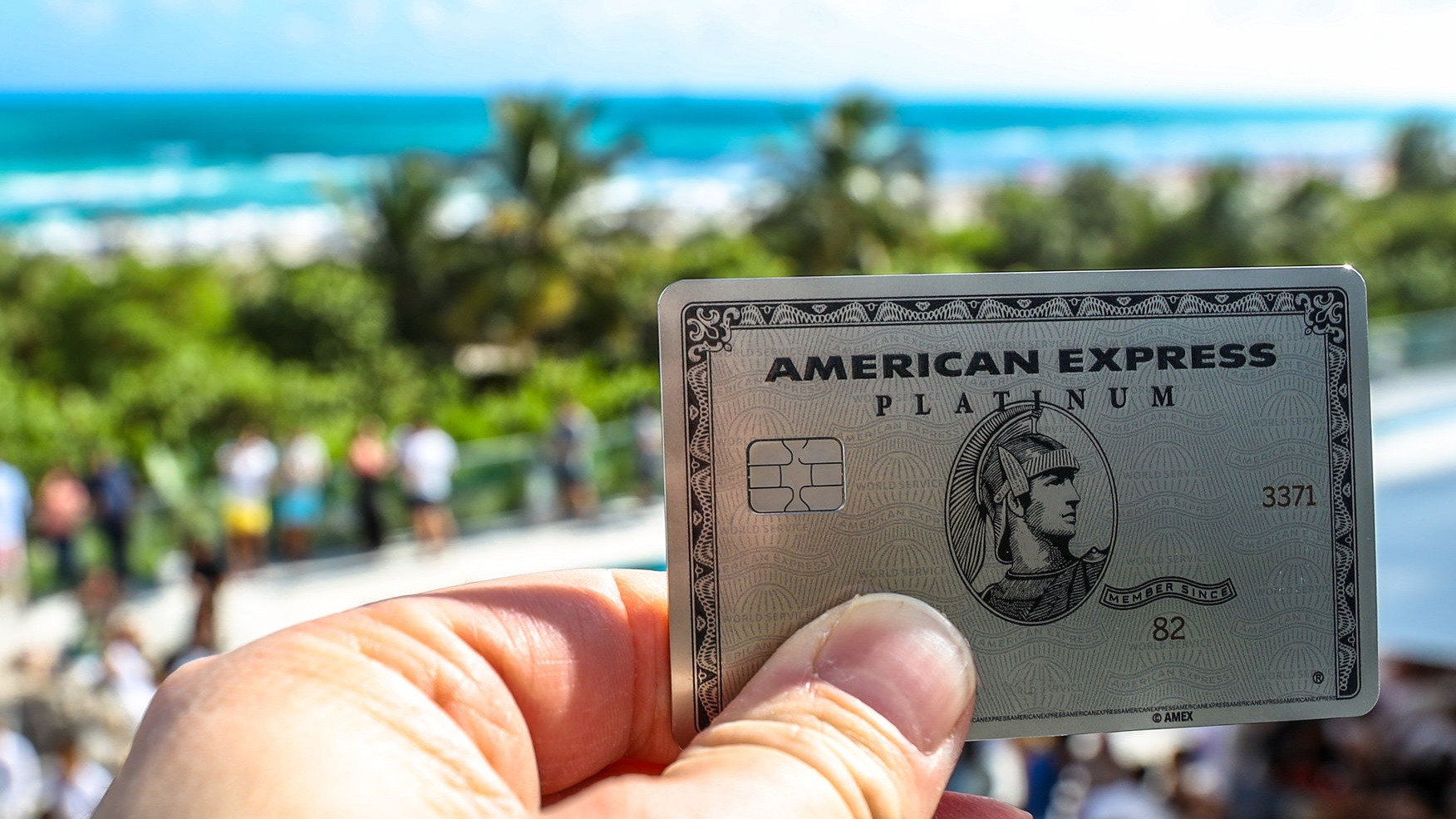
The American Express travel card portfolio encompasses a wide range of credit and charge cards designed to provide benefits for frequent travelers, including airport lounge access, travel statement credits, and flexible point-redemption programs. Choosing the right card depends on your annual travel volume, spending habits, and your preference for premium perks versus fee-conscious reward structures.
Disambiguation: What Defines an American Express Travel Card?
"American Express travel card" is a broad term that users often apply to any American Express product that earns Membership Rewards points or provides travel-related benefits. In the American Express ecosystem, there is no single card officially named "The Travel Card." Instead, the company offers a suite of cards tailored to travel, ranging from personal charge cards like The Platinum Card to cobranded airline and hotel cards.
Understanding this distinction is vital. Some cards are designed for luxury travelers seeking extensive lounge access and elite status, while others focus on earning airline-specific miles or hotel nights. To determine which card fits your needs, you must distinguish between cards that offer general-purpose, flexible travel points and those that are tied to a specific loyalty program, such as the Delta SkyMiles or Marriott Bonvoy portfolios.
Analyzing the Value Proposition of Travel Cards
The core value of an American Express travel card lies in its ecosystem of partners. Unlike bank-issued cards that might limit you to a single airline or booking portal, American Express Membership Rewards points can be transferred to a diverse group of airline and hotel loyalty programs.
Flexibility in Point Redemption
The primary benefit of a flexible travel card is the ability to transfer points at a 1:1 ratio (with some exceptions) to various partners. This allows you to hunt for the best redemption values—often found in international business or first-class award flights—rather than being anchored to a fixed cent-per-point value in a travel portal.
Travel Statement Credits
Many high-end American Express travel cards offset their annual fees through statement credits. These may include:
- Airline Fee Credits: Reimbursements for incidental expenses like checked bags or lounge day passes on a selected airline.
- Global Entry/TSA PreCheck Credits: Periodic credits that cover the application fees for these government trusted traveler programs.
- Travel Portal Credits: Annual credits applied to flights or hotels booked through the American Express Travel portal.
Comparing Key American Express Travel Card Categories
To select the right product, you should compare the features based on the level of commitment you are willing to make regarding annual fees and usage requirements.
| Feature | Premium Charge Cards | Mid-Tier Travel Cards | Cobranded Airline/Hotel Cards |
|---|---|---|---|
| Annual Fee | High | Moderate | Varied |
| Primary Goal | Luxury Lounge & Perks | Flexible Point Earnings | Brand-Specific Loyalty |
| Point Type | Membership Rewards | Membership Rewards | Airline Miles/Hotel Points |
| Best For | Frequent flyers, luxury seekers | Everyday travelers | Brand-loyal enthusiasts |
Premium Charge Cards
These cards typically require high spending to justify their annual fees. They provide a "lifestyle" experience, including access to the Global Lounge Collection (including Centurion Lounges), status upgrades at hotel partners (e.g., Marriott Bonvoy Gold Elite or Hilton Honors Gold Status), and specialized concierge services.
Mid-Tier Travel Cards
Designed for the savvy traveler who wants to earn accelerated points on dining and travel expenses without the high cost of a premium card. These cards often offer "travel protections," such as trip delay reimbursement or baggage insurance, which can be invaluable when plans change unexpectedly.
Cobranded Airline and Hotel Cards
These cards are best suited for individuals who consistently fly a specific carrier or stay at a specific hotel chain. They often provide "in-flight" benefits, such as free checked bags or priority boarding, which can generate significant savings if you are a frequent customer of that brand.
Prerequisites and Eligibility Requirements
Before applying for any American Express travel card, you must meet certain internal and external criteria. American Express evaluates potential cardholders based on a combination of credit history, income, and previous relationship with the issuer.
- Credit Profile: While American Express does not publish a specific minimum FICO score, their travel cards are generally aimed at applicants with "Good" to "Excellent" credit scores. A history of missed payments or high credit utilization can result in an automatic decline.
- "One-in-Lifetime" Rule: American Express has a strict policy regarding welcome bonuses. If you have previously held a specific card, you may be ineligible to receive a bonus for that same product again.
- Internal Relationship: If you have defaulted on an American Express account in the past, your ability to be approved for a new product may be limited.
- Income Verification: While you do not need to submit pay stubs during the initial application, you must be able to provide accurate, truthful information about your total annual income.
Strategic Use: Maximizing Your Benefits
Once you have secured an American Express travel card, the path to maximizing its value requires active management of your account.
Utilize Travel Protections
Many travelers fail to leverage the secondary benefits included in their cardholder agreement. If your card offers Trip Delay Insurance, you must ensure you charge the flight to the card. Understanding the technical triggers—such as whether a delay must be 6 hours or 12 hours—can mean the difference between receiving reimbursement for a hotel stay and being forced to pay out-of-pocket.
Manage the Amex Travel Portal
The American Express Travel portal functions similarly to a third-party Online Travel Agency (OTA). While it is convenient for using points, be aware that booking through a third party can sometimes complicate hotel stay credits or elite status recognition. If you are chasing hotel status, verify if the booking qualifies for your loyalty program before finalizing the transaction.
Transfer Partner Optimization
Do not transfer points to a partner airline or hotel program until you have confirmed award availability on that partner's website. Once points are moved, they typically cannot be reversed. Research "sweet spots"—specific routes or cabin classes where the transfer value is exceptionally high—to ensure you are getting the most out of your Membership Rewards points.
Common Mistakes to Avoid
- Ignoring the "Use It or Lose It" Credits: Many cardholders pay high annual fees but fail to utilize the airline or hotel statement credits provided, effectively doubling their net cost.
- Applying Without a Welcome Bonus: American Express frequently updates their introductory offers. Applying during a period when the public offer is "low" is a common regret. Wait for a high-value bonus event if possible.
- Misunderstanding Charge Cards: If you choose a "charge card" (like The Platinum Card) rather than a traditional "credit card," you generally must pay your balance in full every month. While some charge cards have "Pay Over Time" features, treating them like standard credit cards can lead to significant interest charges if the terms are misunderstood.
Frequently Asked Questions
Can I use American Express travel points for cash back?
Yes, but it is generally discouraged. While you can redeem Membership Rewards for statement credits, the value per point is usually significantly lower than what you would receive by transferring those same points to a high-value airline partner for an international business class ticket.
Is the annual fee on an American Express travel card worth it?
The value depends on your travel spend and utilization of perks. If the statement credits, free checked bags, and lounge access provide more cumulative value than the cost of the annual fee, then the card is a net positive for your finances. Calculate your anticipated annual travel costs before committing to a premium card.
Do I get elite status with all travel cards?
No. Elite status benefits are typically reserved for premium cards. Lower-tier and mid-tier cards may offer "path to status" features, such as earning status through a certain amount of spend, rather than granting status automatically upon account opening.
What happens to my points if I close my account?
If you have a Membership Rewards-earning card, your points will be forfeited if you close your only account. To preserve your points, you must either transfer them to a partner program before closing the account or maintain at least one other active American Express card that earns Membership Rewards points.
Are there foreign transaction fees on these cards?
Most American Express travel-focused cards do not charge foreign transaction fees. However, you should verify the terms and conditions of your specific card agreement, as older or entry-level products may still carry these fees.
Recommendation for Next Steps
If you are currently deciding on an American Express travel card, start by auditing your travel habits from the past 12 months. Total your spending on flights, hotels, and dining. Compare this against the annual fees and benefit structures of the top three cards you are considering. If you are a high-volume flyer who values luxury and lounge access, prioritize the premium charge card route. If you are a casual traveler looking for simple, flexible rewards, a mid-tier card that offers point bonuses on everyday spend will likely provide the best return on investment. Always review the full cardholder agreement on the official American Express website before submitting an application to ensure you understand all current terms, interest rates, and fee structures.