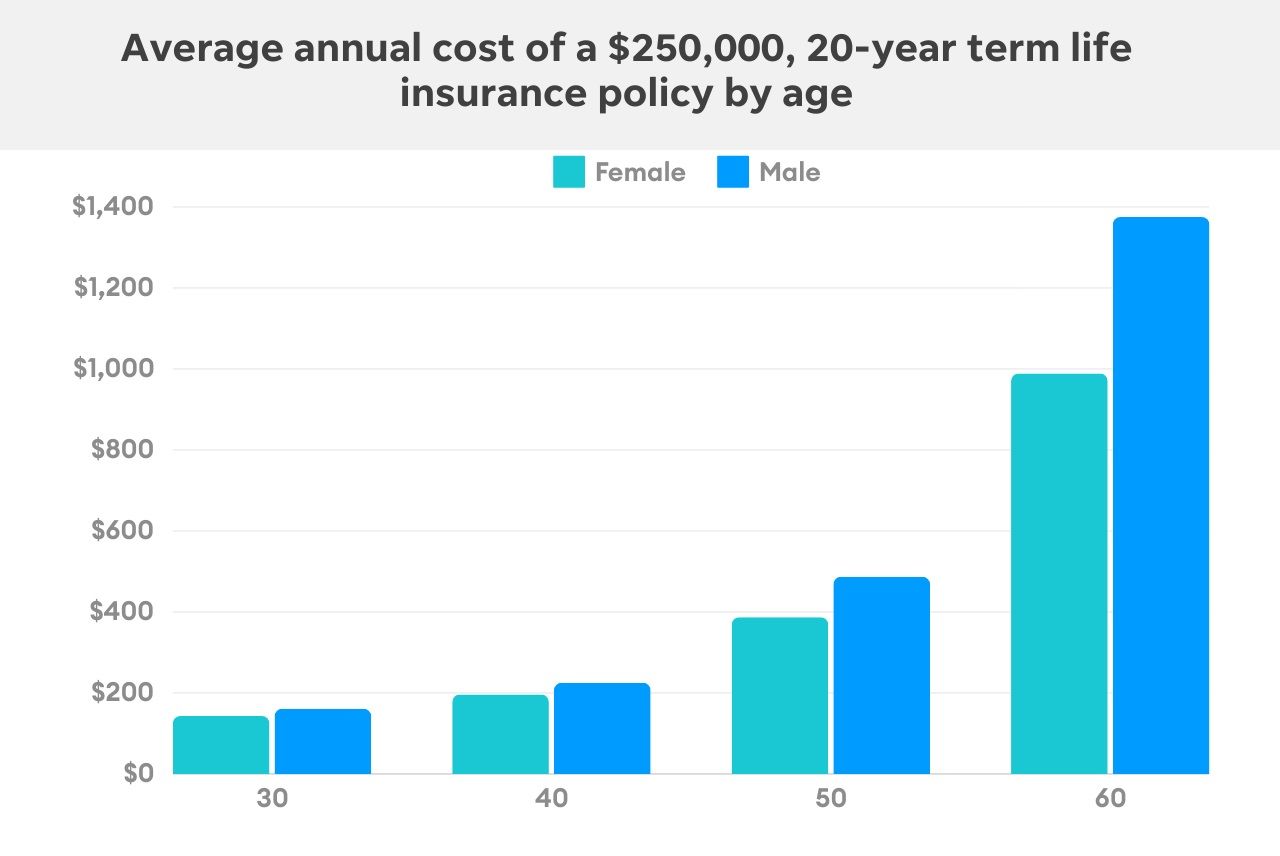
Aflac life insurance premiums are determined by a combination of your age at the time of enrollment, the specific coverage type, the chosen death benefit amount, and your overall health profile. Because Aflac primarily distributes life insurance through employer-sponsored worksite plans, individual rates vary significantly based on group underwriting, state regulations, and the specific riders added to the policy.
The Mechanism of Aflac Life Insurance Pricing
When evaluating life insurance, it is critical to understand that Aflac’s model differs from traditional individual life insurance carriers that often rely on comprehensive medical exams for every applicant. Aflac specializes in supplemental insurance, and its life insurance offerings—typically term or whole life products—are often marketed as "voluntary benefits" through employers.
Your age is the single most significant factor in premium calculation because it serves as the primary proxy for mortality risk. As an individual ages, the statistical likelihood of a claim being filed increases; therefore, insurance companies adjust premiums upward to account for this rising risk. In a term life policy, your premium is locked in based on your age at the start of the term. In a whole life policy, which is designed to provide coverage for your entire lifetime, premiums are generally higher at the outset than term insurance but remain level for the duration of the policy, provided the premiums are paid as agreed.
How Age Influences Rate Tiers
Insurance companies categorize applicants into "age bands." While these bands can vary by policy design, they generally cluster in five-to-ten-year increments. For example, a 25-year-old and a 29-year-old may fall into the same risk tier, whereas moving from 39 to 40 often triggers a shift into a higher rate bracket.
By 2026, the cost of living and shifting actuarial data have reinforced the necessity for early enrollment. Securing a policy at a younger age ensures that you "lock in" a lower rate tier. If you wait to purchase insurance until your 40s or 50s, the insurer calculates your risk based on that older age, leading to significantly higher monthly premiums for the same amount of coverage compared to someone who initiated their policy at age 30.
Factors Beyond Age Affecting Your Premium
While age is the anchor for your rate, it does not act in isolation. Aflac’s underwriters examine several other variables that can influence your final cost:
- Death Benefit Amount: The higher the death benefit (the face value of the policy), the higher the premium. Choosing a $250,000 policy will naturally cost more than a $50,000 policy.
- Health Classification: Even in worksite plans, the company may utilize simplified issue underwriting. Applicants who answer "no" to specific health questions generally qualify for standard rates. Those with certain pre-existing conditions may be subject to higher premiums or, in some cases, limited eligibility.
- Tobacco Status: Being a tobacco user typically results in substantially higher premiums across all age brackets. Insurers view tobacco use as a high-risk health behavior, often increasing rates by 50% or more compared to non-users of the same age.
- Riders and Optional Benefits: If you add riders—such as an Accelerated Death Benefit (which allows you to access a portion of your death benefit if diagnosed with a terminal illness) or a Waiver of Premium (which covers your premiums if you become totally disabled)—these additions will increase the base cost.
Comparing Term vs. Whole Life Costs
To understand your financial commitment, you must distinguish between the two primary types of life insurance Aflac offers.
- Term Life Insurance: This is temporary coverage. It is generally the most affordable way to secure a large death benefit during peak years of financial responsibility (e.g., while raising children or paying off a mortgage). Rates are based on your age at purchase and stay level for the term (e.g., 10, 20, or 30 years). Once the term expires, renewal is often significantly more expensive because the new premium is based on your then-current (older) age.
- Whole Life Insurance: This is permanent insurance that builds cash value. Because it includes a savings component and provides lifelong coverage, the initial premiums are higher than term life. However, these premiums are guaranteed to remain the same for as long as you hold the policy, regardless of how your health changes or how many years pass.
Estimated Premium Comparison Framework
While specific quotes are unique to your employer’s group plan and your personal medical history, the following table illustrates how cost structures generally scale as age increases. These figures are illustrative of industry trends for standard, non-smoker health classifications.
| Age Bracket | Relative Cost (Term Life) | Relative Cost (Whole Life) | Coverage Priority |
|---|---|---|---|
| 20–30 | Lowest | Moderate | Income replacement & debt |
| 31–45 | Low to Moderate | Moderate to High | Family protection & education |
| 46–60 | Moderate to High | High | Final expenses & legacy |
| 61+ | High | Very High | Estate planning |
Note: The "Relative Cost" reflects the trend of premium increases as age advances. "Moderate to High" for 46–60 indicates that while premiums are significantly higher than the 20-30 bracket, they remain manageable for those in peak earning years.
The Role of Worksite Underwriting
A unique aspect of Aflac life insurance is its delivery method. Many Aflac policies are offered through an employer as part of a voluntary benefits package. This setup often provides "Guaranteed Issue" opportunities during your initial enrollment period.
Under Guaranteed Issue, the insurer may waive traditional medical exams or detailed health questions for a specific amount of coverage. This is a critical advantage if you have health issues that might otherwise make life insurance prohibitively expensive or difficult to obtain in the private market. However, because the insurer is taking on more risk by bypassing medical underwriting, the premium rates for Guaranteed Issue policies are sometimes slightly higher than those for policies that require full medical disclosures.
Steps to Determine Your Exact Rates
Because Aflac operates largely through workplace channels, you cannot simply look up a universal rate table on a website. Follow these steps to get an accurate assessment:
- Consult Your Benefits Administrator: Access your company’s internal benefits portal or contact your HR department. They provide the specific master policy information for your organization.
- Review the Summary of Benefits: Each group plan has a "Summary of Benefits" document. This document outlines the age bands and the cost per $1,000 of death benefit coverage.
- Use the Enrollment Portal: Aflac’s digital enrollment tools allow you to input your age and desired benefit amount. The system will automatically calculate the monthly premium based on your specific employer’s group plan.
- Evaluate Riders: During the enrollment process, pay close attention to which riders are included. Determine if the additional cost for features like Accidental Death and Dismemberment (AD&D) is necessary for your current lifestyle.
Common Mistakes to Avoid
- Waiting for the "Right Time": Life insurance premiums are cheapest when you are young and healthy. The most common mistake is waiting to purchase coverage until you have health issues or family responsibilities that make the insurance significantly more expensive or harder to obtain.
- Ignoring the Cash Value: When comparing whole life options, some applicants look only at the premium cost. Ensure you understand the potential for cash value accumulation, which can be accessed later in life for financial emergencies.
- Underestimating Coverage Needs: Many people choose the minimum coverage amount to keep premiums low. Consider the total amount required to replace your income and cover debts (like a mortgage) before selecting your benefit level.
- Misunderstanding Renewals: If selecting term insurance, ask your HR representative what happens when the term ends. Will you be able to renew without a new medical exam? What will the age-adjusted rate be at that time?
Frequently Asked Questions
Does my Aflac premium increase as I get older? For most Aflac whole life insurance policies, the premium you pay at the time of purchase is locked in for the life of the policy. If you have a term life policy, the premium is level for the duration of the term, but it will increase significantly if you choose to renew or purchase a new policy after the term expires, as it will be based on your age at that future time.
Can I get Aflac life insurance if I have a pre-existing condition? Yes, it is often possible. Because many Aflac policies are sold through employer groups, they often utilize "Guaranteed Issue" eligibility. This means you may be able to obtain coverage regardless of your health history, provided you enroll during your initial eligibility period.
Are Aflac life insurance rates the same for everyone at my company? Not necessarily. While the group plan provides a baseline rate structure, individual premiums will vary based on your age, tobacco usage status, and the total coverage amount you select.
How does my tobacco usage affect my rate? Tobacco usage is a primary risk factor for life insurance companies. If you are a smoker, you should expect to pay significantly higher premiums than a non-smoker of the same age, as the statistical risk of premature death is higher.
Can I decrease my premium if my financial situation changes? In many cases, you can adjust your coverage level. While you cannot typically change the age-based risk assessment of your current policy, you can often lower your death benefit amount, which will reduce your monthly premium. Consult your policy documentation or HR representative regarding your specific plan's flexibility.
Next Steps for Securing Coverage
To move forward, the most effective next step is to request the "Evidence of Insurability" guidelines or the enrollment pamphlet from your workplace HR department. These documents contain the specific rate charts applicable to your demographic and your employer's plan. If you are not currently employed by a company offering Aflac as a benefit, you may contact a local Aflac agent to discuss if any individual or portable plans are available in your jurisdiction. Ensure you have a clear picture of your current debt, long-term financial obligations, and family income needs before selecting a policy amount to ensure you are adequately protected.