Aetna Health and Life Insurance Company provides Medicare Supplement Insurance (Medigap) plans designed to bridge the gaps in Original Medicare coverage, such as copayments, coinsurance, and deductibles. Available in most states, these standardized policies help beneficiaries manage out-of-pocket medical costs while allowing them to maintain the freedom to see any doctor who accepts Medicare patients.
Understanding the Role of Medigap
Medicare Supplement Insurance, commonly referred to as Medigap, is private insurance that works alongside Original Medicare (Part A and Part B). When you have Original Medicare, the program pays for a significant portion of your healthcare expenses; however, it does not cover everything. Beneficiaries are often responsible for deductibles, coinsurance, and copayments that can accumulate quickly, especially during a health crisis or with chronic conditions.
Aetna Health and Life Insurance Company—a subsidiary of CVS Health—offers these policies to provide financial predictability. Because these plans are standardized by the federal government and state insurance departments, the benefits for a specific plan letter (e.g., Plan G or Plan N) are the same regardless of which insurance carrier you purchase the policy from. The primary differentiator between companies is the premium cost, the financial stability of the insurer, and the quality of customer service.
Core Benefits and Plan Standardization
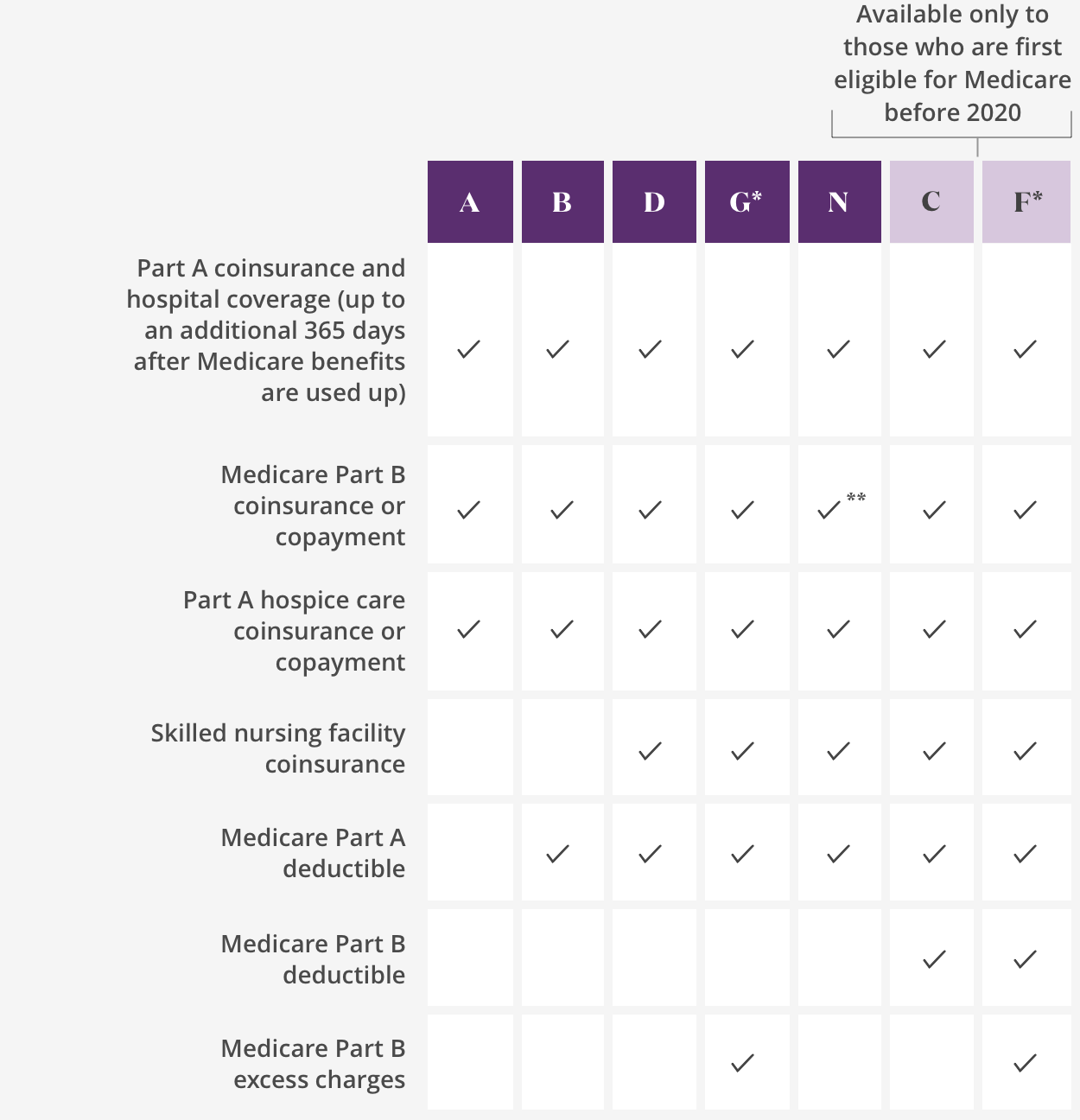
In most states, Medigap policies are categorized by letters, ranging from Plan A through Plan N. Each letter denotes a different set of benefits. Aetna’s offerings typically include the most popular standardized plans. Understanding what these plans cover is the first step in determining which level of protection suits your financial profile.
Common Benefits Across Standardized Plans
While each plan has different coverage levels, all standardized Medigap plans cover the following "basic" benefits:
- Medicare Part A Coinsurance: Coverage for hospital costs up to an additional 365 days after Medicare benefits are exhausted.
- Part B Coinsurance or Copayment: Covers the 20% coinsurance that you would typically pay for medical services after meeting your deductible.
- Blood Coverage: Payment for the first three pints of blood needed for medical procedures.
- Part A Hospice Care Coinsurance: Coverage for copayments or coinsurance associated with hospice care.
Popular Aetna Plan Variations
Many enrollees gravitate toward Plan G or Plan N because they offer a balance between monthly premiums and out-of-pocket protection.
- Plan G: Often considered the most comprehensive plan available for those who became Medicare-eligible after 2020. It covers almost all out-of-pocket costs except for the Medicare Part B deductible.
- Plan N: This plan generally has lower monthly premiums than Plan G, but requires the policyholder to pay small copayments for some office visits and emergency room visits.
Eligibility and Enrollment Guidelines
To purchase a policy from Aetna Health and Life Insurance Company, you must be enrolled in Medicare Part A and Part B. However, enrollment is governed by specific timing rules that dictate your ability to purchase a plan without undergoing medical underwriting.
The Medigap Open Enrollment Period
The most advantageous time to buy a policy is during your Medigap Open Enrollment Period. This six-month window begins automatically on the first day of the month in which you are both 65 or older and enrolled in Medicare Part B. During this period, you have "guaranteed issue" rights. This means Aetna cannot deny you coverage or charge you higher premiums due to pre-existing health conditions.
Medical Underwriting Outside the Window
If you attempt to apply for a Medigap plan after your Open Enrollment Period has passed, you may be subject to medical underwriting. During this process, the insurance company reviews your health history to determine your eligibility and premium rates. In many states, this can result in higher costs or, in some cases, a denial of coverage based on your health status, unless you qualify for a special enrollment period due to a "triggering event," such as losing employer-sponsored coverage.
Financial Considerations: Premiums and Cost Factors
The monthly premium you pay to Aetna is separate from your Medicare Part B premium. It is vital to understand how insurers determine these costs to prepare for future financial requirements.
Rating Methods
Aetna, like other carriers, uses specific methods to price their policies. These methods impact how your premium changes over time:
- Community-Rated: Premiums are the same for everyone in the same geographical area, regardless of age.
- Issue-Age-Rated: Premiums are based on the age you are when you first purchase the policy. They remain lower if you buy the plan when you are younger.
- Attained-Age-Rated: Premiums start low but increase as you get older.
Comparing Costs
When reviewing quotes for 2026, compare the "total cost of ownership." A plan with a very low monthly premium might end up costing more over a year if it has high deductibles or frequent copayments. Conversely, a higher-premium plan might provide greater peace of mind for those who utilize healthcare services frequently.
| Feature | Medicare Supplement (Medigap) | Medicare Advantage (Part C) |
|---|---|---|
| Provider Network | See any doctor who accepts Medicare | Usually limited to HMO/PPO networks |
| Referrals | No referrals needed | Often required for specialists |
| Coverage | Supplements Original Medicare | Replaces Original Medicare |
| Premium | Separate monthly premium | Often $0 or low premium |
| Travel Coverage | Generally covers national/international | Usually limited to home network |
Assessing Suitability and Next Steps
Determining if an Aetna Medicare Supplement plan is right for you requires an assessment of your lifestyle and health needs. If you travel frequently within the United States or prefer the ability to consult specialists without needing a referral or prior authorization, a Medigap plan offers significant advantages over managed care plans like Medicare Advantage.
Steps to Evaluate Your Options
- Review your current medical usage: Analyze your doctor visits, chronic medication needs, and any anticipated surgeries or procedures in the coming year.
- Request quotes: Contact a licensed insurance agent or use the official Aetna Medicare website to retrieve plan quotes specific to your ZIP code and age bracket.
- Check state regulations: Some states have unique rules regarding Medigap eligibility and guaranteed issue rights that may differ from federal standards.
- Confirm network compatibility: Verify that the primary care physicians and specialists you frequent will continue to accept Medicare and, if applicable, your specific Medigap policy.
Important Disclosure for Consumers
Medicare Supplement plans are not intended to replace prescription drug coverage. Because Medigap does not cover outpatient prescription drugs, most beneficiaries opt to enroll in a standalone Medicare Part D plan to manage their pharmacy costs. Purchasing both a Medigap policy and a Part D plan ensures a comprehensive coverage strategy.
Note: This information is for educational purposes only and does not constitute medical or financial advice. Insurance availability and premiums vary significantly by location. Always consult with a licensed insurance professional or visit Medicare.gov for personalized guidance based on your specific situation and state of residence.
Frequently Asked Questions
Does Aetna cover pre-existing conditions?
Yes, if you apply during your Medigap Open Enrollment Period, Aetna cannot refuse to cover you or charge you more for a pre-existing condition. If you apply outside of this window, you may be required to undergo medical underwriting, which could affect your eligibility or premium rates.
Can I switch from an Aetna Medigap plan to a Medicare Advantage plan?
Yes, you are permitted to switch to a Medicare Advantage plan during specific enrollment periods, such as the Annual Enrollment Period (October 15 – December 7). However, keep in mind that dropping your Medigap policy to join an Advantage plan may make it difficult to return to a Medigap policy later if your health changes.
Are Aetna Medigap plans the same in every state?
The standardized plan letters (A, B, C, D, F, G, K, L, M, N) are federally defined and consistent across most states. However, some states, such as Massachusetts, Minnesota, and Wisconsin, have their own standardized plan systems that differ from the national model.
Do I need a referral to see a specialist with an Aetna Medigap plan?
No. Because Medigap policies supplement Original Medicare, you do not need referrals to see specialists. As long as the provider accepts Medicare, you can generally see any doctor or specialist in the United States without needing prior authorization from the insurance carrier.
How are Aetna Medigap premiums determined?
Premiums are generally based on your age, your location (ZIP code), gender, and whether you use tobacco. You should verify the specific "rating method" used in your state—whether community-rated, issue-age-rated, or attained-age-rated—as this determines how your premium will change in future years.
Final Recommendation
Before committing to an Aetna Health and Life Insurance Company Medicare Supplement policy, confirm your specific eligibility based on your state of residence. Use the tools available at Medicare.gov to compare the standardized letter plans against other available carriers in your area. If you are currently in your six-month Open Enrollment Period, prioritize securing a plan that fits your anticipated long-term healthcare needs, as this is your one opportunity to lock in coverage regardless of your health history.