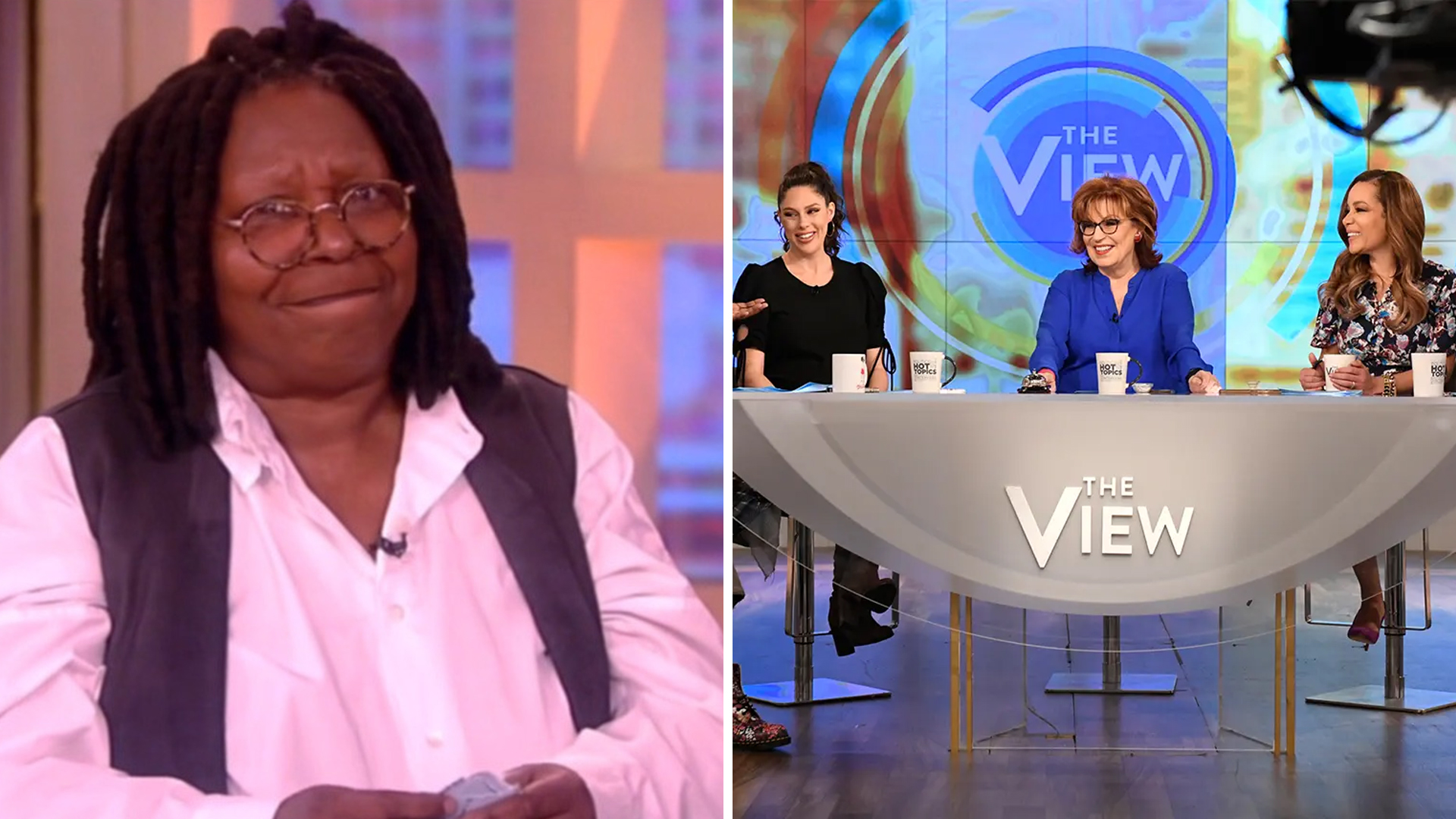
The ABC lawsuit concerning The View highlights the complex intersection of daytime television broadcasting, public commentary, and the stringent legal boundaries of defamation. It reflects how modern media organizations navigate high-stakes legal challenges arising from live studio discussions, on-air remarks, and the editorial protections surrounding protected opinion.
Navigating the landscape of modern broadcast media requires understanding how traditional defamation law, constitutional protections, and corporate risk management intersect. When a popular daytime talk show like The View becomes the subject of legal disputes, it exposes the vulnerabilities inherent in unscripted or fast-paced television commentary. For legal scholars, media executives, and regular viewers alike, examining these controversies provides a clear window into how the American legal system balances free expression with the protection of personal and corporate reputations. This analysis explores the foundational legal concepts, historical contexts, and operational implications surrounding such high-profile media lawsuits.
The Intersection of Daytime Talk Shows and Legal Liability
Daytime television talk shows operate in a unique space within the broader media ecosystem. Unlike hard news programming, which typically adheres to rigid verification processes and structured reporting standards, shows like The View blend current events, political discourse, cultural commentary, and unscripted panel discussions. This format relies heavily on spontaneous dialogue, immediate reactions, and provocative opinions from a rotating panel of co-hosts. However, this spontaneity carries inherent legal risks.
When co-hosts discuss ongoing public controversies, political campaigns, or corporate actions, their statements can sometimes cross the line from protected opinion into actionable assertions of fact. Under United States tort law, defamation encompasses both libel (written defamation) and slander (spoken defamation). Because television broadcasts reach millions of viewers instantaneously and leave a permanent digital record via streaming services and social media clips, spoken statements on air are often treated with the legal gravity of published material. Consequently, media organizations must maintain rigorous legal review protocols even for entertainment and discussion-based programs.
The corporate parent of the network—in this case, The Walt Disney Company and its subsidiary American Broadcasting Company (ABC)—bears ultimate legal responsibility for the content broadcast on its networks. This creates a continuous tension between editorial freedom, which drives ratings and audience engagement, and risk mitigation, which protects the company from costly litigation. Legal challenges serve as stress tests for these internal corporate controls, frequently prompting networks to reassess how they brief talent, handle controversial breaking news, and utilize disclaimers during live broadcasts.
Core Legal Concepts: Defamation, Public Figures, and Actual Malice
To understand the mechanics of lawsuits involving television commentary, one must examine the foundational legal standards established by the U.S. Supreme Court, most notably in the landmark case New York Times Co. v. Sullivan (1964). This ruling established the "actual malice" standard for public figures and public officials seeking damages for defamation.
| Legal Concept | Definition | Standard of Proof | Relevance to Daytime TV |
|---|---|---|---|
| Defamation | A false statement presented as fact that causes injury to a person's or entity's reputation. | Preponderance of the evidence for private figures; Clear and convincing evidence for public figures. | Applies to on-air statements made by co-hosts regarding individuals or businesses. |
| Actual Malice | Publishing a statement with knowledge that it was false or with reckless disregard of whether it was false or not. | Clear and convincing evidence (high legal threshold). | Required when the subject of the commentary is a public official or public figure. |
| Protected Opinion | Commentary, hyperbole, or value judgments that cannot be objectively proven true or false. | N/A (Complete defense against defamation claims). | Serves as the primary defense for talk show panels expressing subjective viewpoints. |
| Neutral Reportage | A privilege protecting the accurate reporting of newsworthy accusations made by responsible entities. | Varies by jurisdiction (not universally recognized). | Protects hosts when discussing allegations made in official court filings or government reports. |
For a plaintiff to prevail in a defamation suit against a media network, they must typically prove several elements:
- A false and defamatory statement of and concerning the plaintiff.
- An unprivileged publication to a third party.
- Fault amounting at least to negligence (or actual malice, depending on the plaintiff's status).
- Harm resulting from the statement.
In the context of talk show panels, the defense often hinges on proving that the disputed remarks constituted protected opinion, rhetorical hyperbole, or fair commentary on a matter of public interest. Courts frequently evaluate whether a reasonable viewer would interpret the statement as an assertion of objective fact or merely as the subjective viewpoint of the speaker.
The Role of Retractions, Clarifications, and On-Air Apologies
When legal challenges arise or threaten to materialize, media organizations typically employ a multi-layered response strategy designed to mitigate damages and avoid protracted litigation. A primary tool in this mitigation strategy is the issuance of retractions, clarifications, or on-air apologies.
Under the libel laws of many states, a timely and prominent retraction can significantly limit a plaintiff’s ability to recover punitive or general damages, restricting recovery to proven economic losses (special damages). For television networks, executing a retraction involves navigating complex public relations considerations. An on-air apology must be carefully worded to satisfy the aggrieved party without explicitly admitting liability that could be used against the network in subsequent civil proceedings.
Furthermore, producers and network legal teams must balance the timing of these corrections. Issuing a correction too quickly without adequate factual review can undermine the show's credibility, while delaying too long can harden a potential plaintiff's resolve to file a formal complaint. This delicate balancing act requires close coordination between executive producers, broadcast standards departments, and outside litigation counsel.
Comparative Overview of Media Defamation Claims
Lawsuits targeting daytime talk shows share certain characteristics with other high-profile media litigation, yet they possess distinct operational challenges. The table below compares the typical trajectory and defenses of defamation claims across different media formats.
| Media Format | Primary Content Type | Typical Legal Vulnerability | Common Defense Strategy |
|---|---|---|---|
| Hard News Broadcasts | Investigative reports, breaking news coverage. | Factual inaccuracies in source attribution, misquoted documents. | Verification of sources, fair report privilege, truth. |
| Daytime Talk Shows | Panel discussions, unscripted interviews, cultural commentary. | Spontaneous remarks crossing from opinion into defamatory factual claims. | Protected opinion, rhetorical hyperbole, context of entertainment. |
| Opinion-Heavy Cable Shows | Monologues, ideological analysis, guest debates. | Reckless disregard for truth when pushing a specific narrative. | Satire, lack of actual malice, hyperbole. |
| Digital/Streaming Commentary | Video essays, podcast discussions, social media integration. | Informal tone increasing the perception of factual assertion among viewers. | Platform immunity (Section 230, where applicable), prompt removal/correction. |
While hard news shows rely heavily on the truth of their underlying investigative reporting, talk shows rely more heavily on establishing that the contested statements were understood by the audience as subjective commentary rather than hard reporting.
Strategic Implications and Risk Management for Broadcasters
The emergence of legal challenges against prominent media platforms prompts continuous internal review within broadcasting networks. To safeguard against liability while preserving the vibrant, spontaneous nature of panel discussions, networks implement several structural safeguards:
- Real-Time Legal Monitoring: Broadcast standards departments frequently monitor live feeds with a slight delay, allowing producers to mute or drop audio if a co-host begins discussing sensitive active litigation or makes legally hazardous assertions.
- Pre-Show Briefing Protocols: Producers brief co-hosts on pending litigation, court orders, and sensitive topics where legal restrictions apply, ensuring that on-air commentary remains within safe legal boundaries.
- Strategic Disclaimers: Networks utilize verbal disclaimers or on-screen graphics to remind viewers that panel discussions represent the personal opinions of the hosts and guests rather than official network policy or verified factual reporting.
- Comprehensive Indemnification Agreements: Contracts with on-air talent, production staff, and syndication partners often include clear provisions regarding liability allocation in the event of third-party intellectual property or defamation claims.
These operational measures reflect the evolving reality of modern media production, where the speed of digital distribution magnifies the legal consequences of every spoken word.
Frequently Asked Questions
What constitutes defamation on a live television talk show?
Defamation on a live broadcast occurs when a co-host or guest makes a false statement of fact about an identifiable person or entity, presents it as objective truth rather than opinion, and causes demonstrable harm to their reputation. Because the broadcast is live and recorded, the spoken words are treated legally much like published print defamation.
How do television networks defend against on-air defamation lawsuits?
Networks primarily defend these lawsuits by arguing that the disputed statements were protected opinions, rhetorical hyperbole, or fair comment on matters of public interest. They may also challenge the plaintiff's ability to prove "actual malice" if the plaintiff is classified as a public figure, or demonstrate that the statements were substantially true.
What is the role of an on-air apology in resolving legal disputes?
An on-air apology serves as a mechanism to mitigate potential financial damages and signal good faith to an aggrieved party. However, crafting these statements requires extreme legal precision to avoid creating an inadvertent admission of liability that could weaken the network's defense in court.
Are talk show hosts personally liable for what they say on air?
While plaintiffs can technically name individual hosts in a lawsuit, liability is typically absorbed by the corporate employer under the doctrine of respondeat superior (employer liability for employee actions within the scope of employment), provided the host was acting within their contractual duties. Networks also generally provide indemnification for their talent under standard employment agreements.
Why do legal challenges against entertainment shows differ from hard news lawsuits?
Hard news lawsuits usually focus on factual errors in investigative reporting, whereas entertainment and talk show lawsuits generally center on the blurry boundary between protected subjective opinion and actionable assertions of fact made during fast-paced, unscripted panel debates.
Practical Next Steps and Guidance
For media professionals, independent content creators, and corporate communications teams monitoring legal developments in broadcasting, maintaining a proactive compliance posture is essential. Review internal editorial guidelines regularly, ensure that breaking news discussions are vetted against current legal filings, and establish clear protocols for issuing prompt, measured corrections when errors occur. Consulting with qualified media defense counsel before launching controversial broadcast segments remains a critical safeguard in today's litigious environment.