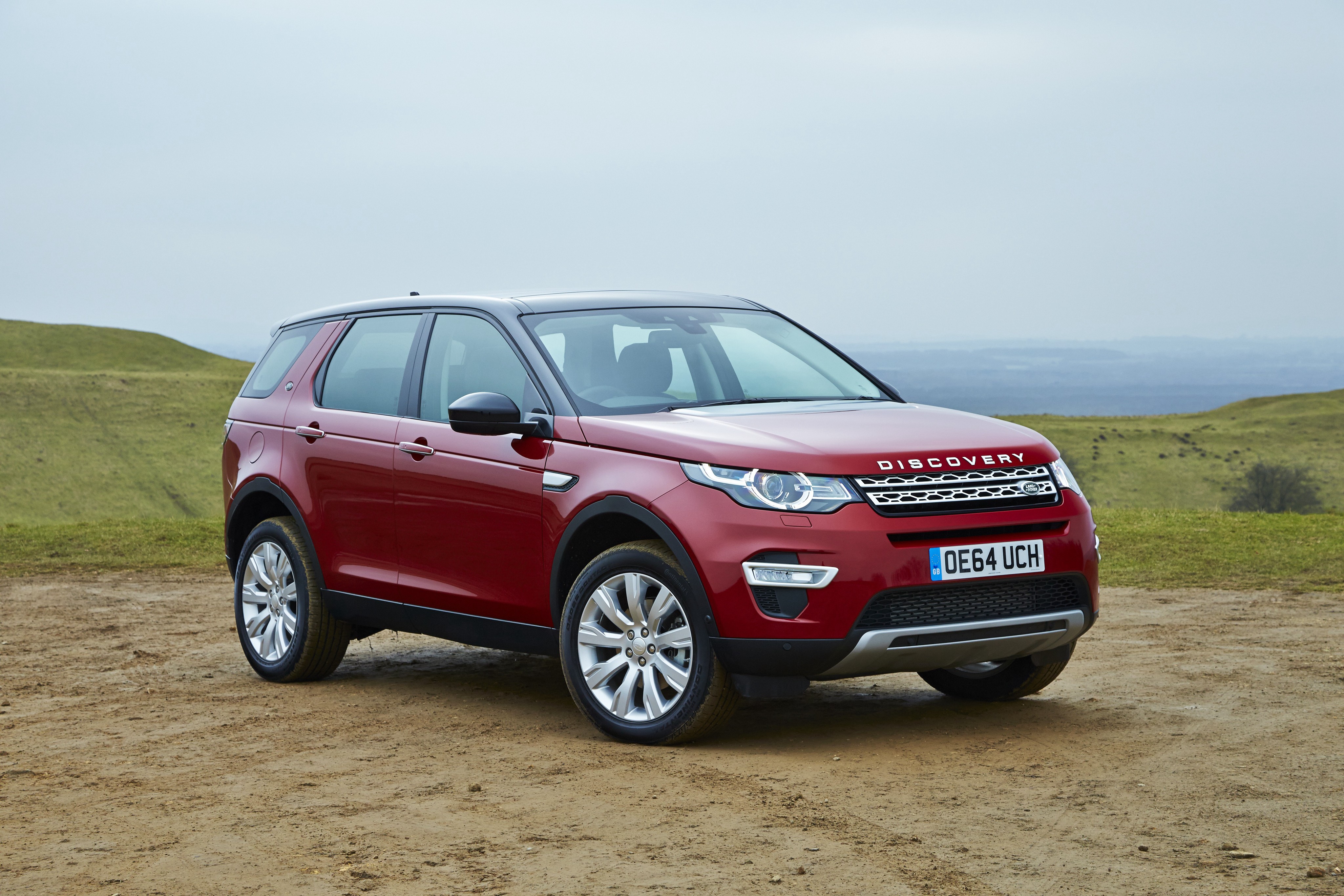
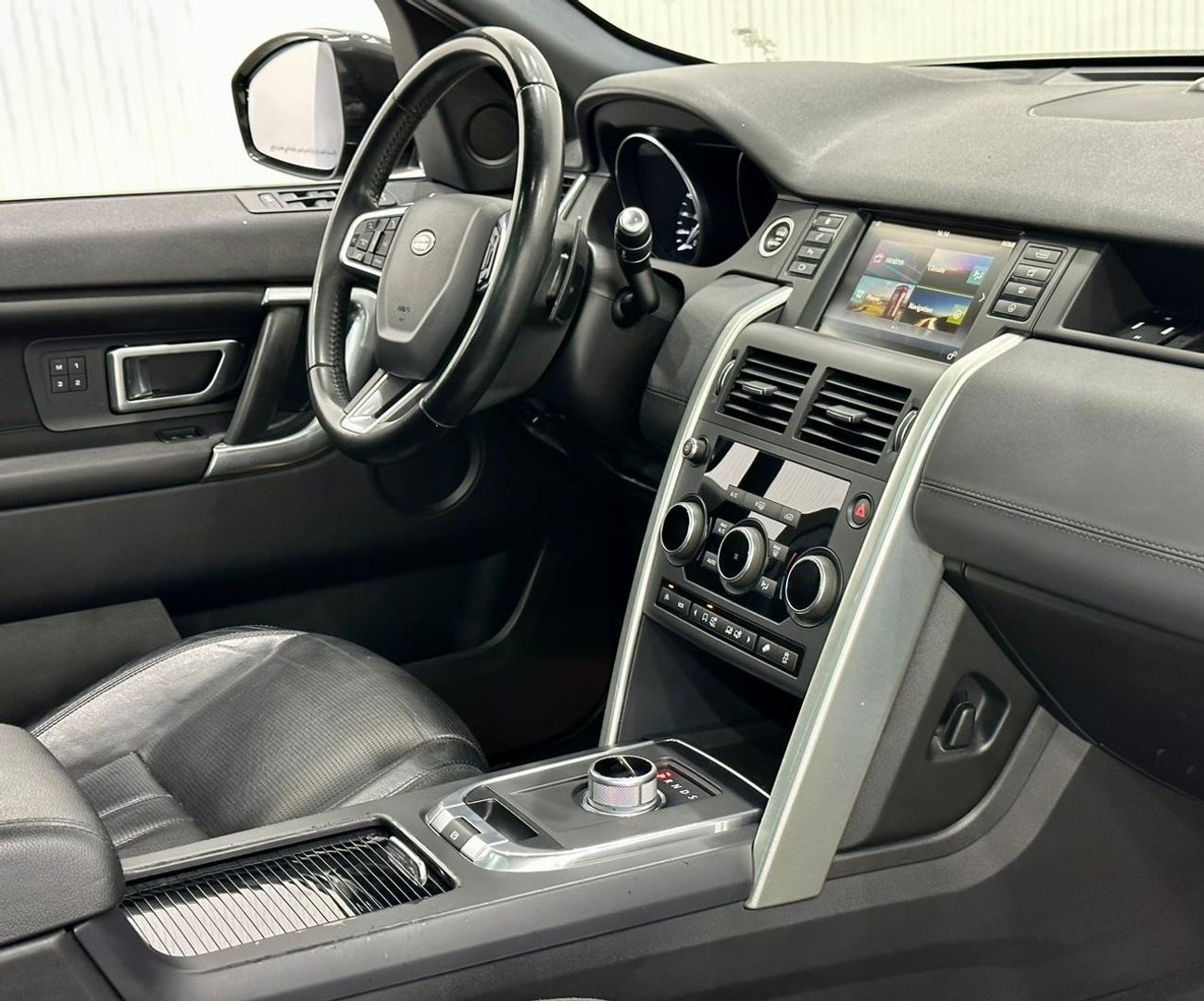
The 2016 Land Rover Discovery Sport interior represents a pivotal shift in the brand’s design language, prioritizing a "5+2" seating configuration within a compact SUV footprint. It introduced a versatile, high-quality cabin that bridged the gap between rugged utility and premium comfort, replacing the Freelander 2 with significantly improved materials and a modernized infotainment architecture.
The Genesis of the L550 Interior Design (2014–2015)
The interior of the 2016 Land Rover Discovery Sport did not emerge in a vacuum. Its development was a calculated response to the growing demand for premium family vehicles that could handle more than just a school run. Internally designated as the L550, the Discovery Sport's cabin was heavily influenced by the Discovery Vision Concept, which debuted at the 2014 New York International Auto Show.
Engineers and designers at Gaydon focused on "maximizing the footprint." While the exterior dimensions remained relatively compact—shorter than many executive sedans—the interior was designed to feel cavernous. This was achieved through a long wheelbase of 2,741mm and a clever multi-link rear axle. By moving the suspension components outward, Land Rover created a flat floor for the rear passengers and enough room to tuck a third row of seats into the cargo floor, a feature rarely seen in the compact luxury SUV segment at the time.
By the time production for the 2016 model year began in late 2015, the interior had been refined to offer a "command driving position." This philosophy ensured that the driver had an expansive view of the road, a signature Land Rover trait, while the dashboard was kept low and horizontal to enhance the sense of space.
The "5+2" Seating Philosophy and Spatial Layout
The defining characteristic of the 2016 Discovery Sport interior is its 5+2 seating arrangement. It is critical to distinguish this from a true seven-seater. Land Rover marketed the third row as "occasional," designed primarily for children or short trips for adults.
Second-Row Versatility
The second row was the true engineering marvel of the 2016 cabin. To accommodate varying cargo and passenger needs, the seats were mounted on a sliding mechanism with 160mm of travel. This allowed users to prioritize either massive legroom (up to 960mm, rivaling a Range Rover) or increased luggage capacity. Furthermore, the second row featured a 60:40 split-fold and a reclining backrest, ensuring comfort on long journeys.
Stadium Seating
Land Rover utilized a "stadium seating" concept where each successive row is mounted slightly higher than the one in front of it. This provides passengers in the back with a better view out of the front windshield, significantly reducing the likelihood of motion sickness and creating a more social environment. In the 2016 model, this was made possible by the compact design of the rear suspension, which allowed for a lower floor height relative to the vehicle's total height.
Third-Row Integration
The optional third row consisted of two individual seats that folded completely flat into the boot floor. When deployed, they were accompanied by their own cup holders and, in higher trim levels, independent climate control vents and USB charging ports. The transition from a five-seat configuration to a seven-seat layout could be performed in seconds, highlighting the vehicle’s focus on practical family ergonomics.
Material Selection and Trim Level Hierarchy
For the 2016 model year, Land Rover offered several distinct trim levels, each defining the interior's tactile experience. The choice of materials reflected the brand’s desire to move upmarket while maintaining a "clean-and-simple" aesthetic.
- SE and SE Tech: These entry-level trims featured Grained Leather as standard in many markets. The dashboard utilized soft-touch plastics, and the center console was finished in a "Satin Brushed Aluminum" or "Dark Grey Brushed Aluminum" trim.
- HSE: The HSE trim elevated the cabin with perforated Grained Leather. It also introduced more sophisticated interior lighting options and enhanced seat adjustment capabilities (usually 8-way power adjustable).
- HSE Luxury: As the flagship of the 2016 range, the HSE Luxury featured Windsor Leather—a higher-grade, softer hide that covered the seats and door cards. This trim also included unique floor mats, illuminated aluminum treadplates, and a configurable ambient lighting system that allowed drivers to change the cabin’s mood via the touchscreen.
Across all trims, the 2016 Discovery Sport emphasized durability. The switchgear was designed to be operated even while wearing gloves, a nod to the vehicle's off-road heritage. The rotary gear selector, which rose from the center console upon startup, became a centerpiece of the interior’s high-tech feel.
Infotainment and Technical Architecture Timeline
The 2016 model year was a transition period for Land Rover's electronic systems. While the mechanical platform was stable, the digital interface underwent several software revisions throughout the year.
The InControl Touch System
The standard infotainment system in 2016 was the InControl Touch system, featuring an 8-inch resistive touchscreen. Unlike modern capacitive screens found in 2026 smartphones, resistive screens required a slightly firmer press. The system managed audio, climate, navigation, and vehicle settings.
Introduction of InControl Touch Pro
In late 2016 (often marketed as the 2017 model year in some regions), Land Rover introduced the InControl Touch Pro. This was a significant upgrade, moving to a 10.2-inch widescreen format with a faster Quad-Core processor and a solid-state drive (SSD). This system eliminated physical buttons on the sides of the screen, opting for a fully digital interface that supported pinch-to-zoom gestures.
Connectivity Milestones
The 2016 model year was also notable for the introduction of the InControl Apps suite. This allowed users to connect their smartphones via USB and control optimized third-party apps—such as Spotify or Tile—directly through the vehicle's touchscreen. In mid-2016, Land Rover made headlines by integrating the Tile Bluetooth tracking technology into the infotainment system, helping drivers locate lost items like keys or bags directly from the dashboard.
2016 Discovery Sport Interior Specifications and Features
| Feature | SE / SE Tech | HSE | HSE Luxury |
|---|---|---|---|
| Primary Material | Grained Leather | Perforated Grained Leather | Windsor Leather |
| Seating Configuration | 5 Seats (5+2 Optional) | 5+2 Standard (most markets) | 5+2 Standard |
| Front Seat Adjustment | Manual or 8-way Power | 8-way Power | 10 or 12-way Power w/ Memory |
| Audio System | Land Rover 190W (10 Spk) | Meridian 380W (11 Spk) | Meridian 825W (17 Spk) |
| Climate Control | Dual-Zone Automatic | Dual-Zone w/ Air Quality | Dual-Zone w/ Row 3 Vents |
| Connectivity | USB (x1), Bluetooth | USB (x2), Bluetooth | USB (x4-x5), Bluetooth |
| Sunroof | Optional | Fixed Panoramic Glass | Fixed Panoramic Glass |
Storage and Practicality Solutions
The interior design team focused heavily on "stowage," a term Land Rover uses to describe small-item storage. The 2016 Discovery Sport interior was dotted with practical solutions designed for family life.
- Door Bins: Large enough to hold 1.5-liter water bottles in all four doors.
- Center Console: A versatile space with removable cup holders that revealed a deep storage bin capable of holding a small tablet or multiple charging cables.
- Glovebox: A respectable 5.4-liter capacity, though largely occupied by the vehicle manual in most configurations.
- Hidden Storage: A small shelf above the glovebox provided a convenient place for passengers to place smartphones, often featuring a non-slip rubber mat.
The cargo area was equally well-thought-out. In the 5-seat configuration, the boot offered up to 981 liters of space when measured to the roof. With all seats folded, this expanded to nearly 1,700 liters. The load floor was designed to be flat, making it easy to slide heavy items in and out, a critical requirement for a vehicle intended for outdoor lifestyles.
Durability and Common Maintenance in 2026
As of 2026, the 2016 Land Rover Discovery Sport has been on the road for a decade. The interior has generally aged well, but certain areas require specific attention for owners and second-hand buyers.
Leather Care
The Windsor leather in the HSE Luxury trims is prone to "bolster wear" on the driver’s side. Because the vehicle sits higher than a sedan, drivers tend to slide out, putting pressure on the outer edge of the seat. Regular conditioning is required to prevent the leather from cracking. In 2026, many owners opt for professional steam cleaning to restore the matte finish of the grained leather.
Infotainment Longevity
The original 8-inch InControl Touch screens can sometimes suffer from ghost touches or delamination over ten years of heat cycles. Firmware updates were frequent between 2016 and 2019, and ensuring the vehicle has the latest software version is essential for Bluetooth stability with 2026-era smartphones.
Headliner and Trim
Like many vehicles with large panoramic glass roofs, the 2016 Discovery Sport’s interior can be subject to significant UV exposure. Owners who do not use the electronic sunblind regularly may find that the headliner adhesive weakens over time. It is recommended to keep the blind closed when the vehicle is parked in direct sunlight to preserve the integrity of the interior plastics and adhesives.
Comparison with Preceding and Succeeding Models
To understand the 2016 timeline, it is helpful to look at how the interior evolved from its predecessor and into its successor.
- Vs. Freelander 2 (Predecessor): The Discovery Sport interior represented a 100% overhaul. The Freelander 2 utilized a vertical, button-heavy center stack and far more hard plastics. The Discovery Sport shifted to a horizontal layout with significantly more leather-wrapped surfaces and a modern touchscreen.
- Vs. 2020 Facelift (Successor): The 2016 model used physical dials for the climate control (which many drivers still prefer for ease of use). The 2020 update introduced the "Touch Pro Duo" or "Pivi Pro" systems, which replaced many physical buttons with a secondary glass touch panel. The 2016 interior is often cited as being more "tactile" and less prone to fingerprint smudges than the later all-digital versions.
Frequently Asked Questions
Is the 2016 Discovery Sport third row big enough for adults?
While an adult can fit in the third row for a very short trip, it is not recommended for anyone over 5'5" (165cm). The legroom is extremely limited, and the floor is high, resulting in a "knees-up" seating position. It is best reserved for children or as an emergency option.
Can I upgrade the 8-inch screen to a modern Apple CarPlay system?
The 2016 Land Rover Discovery Sport did not natively support Apple CarPlay or Android Auto at launch. However, in the years following, various aftermarket interface kits have become available that allow these systems to run through the original hardware. Land Rover also offered a "Smartphone Pack" for later versions of the InControl Touch Pro, but most 2016 models with the base 8-inch screen require hardware modification for this functionality.
How many USB ports does the 2016 model have?
This depends on the trim level and the options selected at the time of purchase. A base SE might only have one or two USB ports in the front. However, a fully optioned HSE Luxury can have up to five USB ports: two in the front, two for the second row, and one for the third row, ensuring all "5+2" passengers can charge devices.
Does the 2016 interior have ambient lighting?
Yes, but the complexity depends on the trim. The SE and HSE typically have standard white ambient lighting in the door handles and footwells. The HSE Luxury features Configurable Ambient Lighting, which allows the driver to choose between colors like "Racing Red," "Moonlight White," or "Aqua" via the touchscreen settings.
Strategic Recommendation for Owners
If you are maintaining or purchasing a 2016 Land Rover Discovery Sport in 2026, focus your interior maintenance on the infotainment software and leather hydration. The L550 interior is mechanically robust, but its premium feel relies on the condition of the Windsor or Grained leather. Applying a high-quality leather preservative twice a year will prevent the drying and cracking common in decade-old luxury SUVs. Additionally, ensure the panoramic roof tracks are lubricated; a sticking sunblind is a common but preventable interior annoyance.