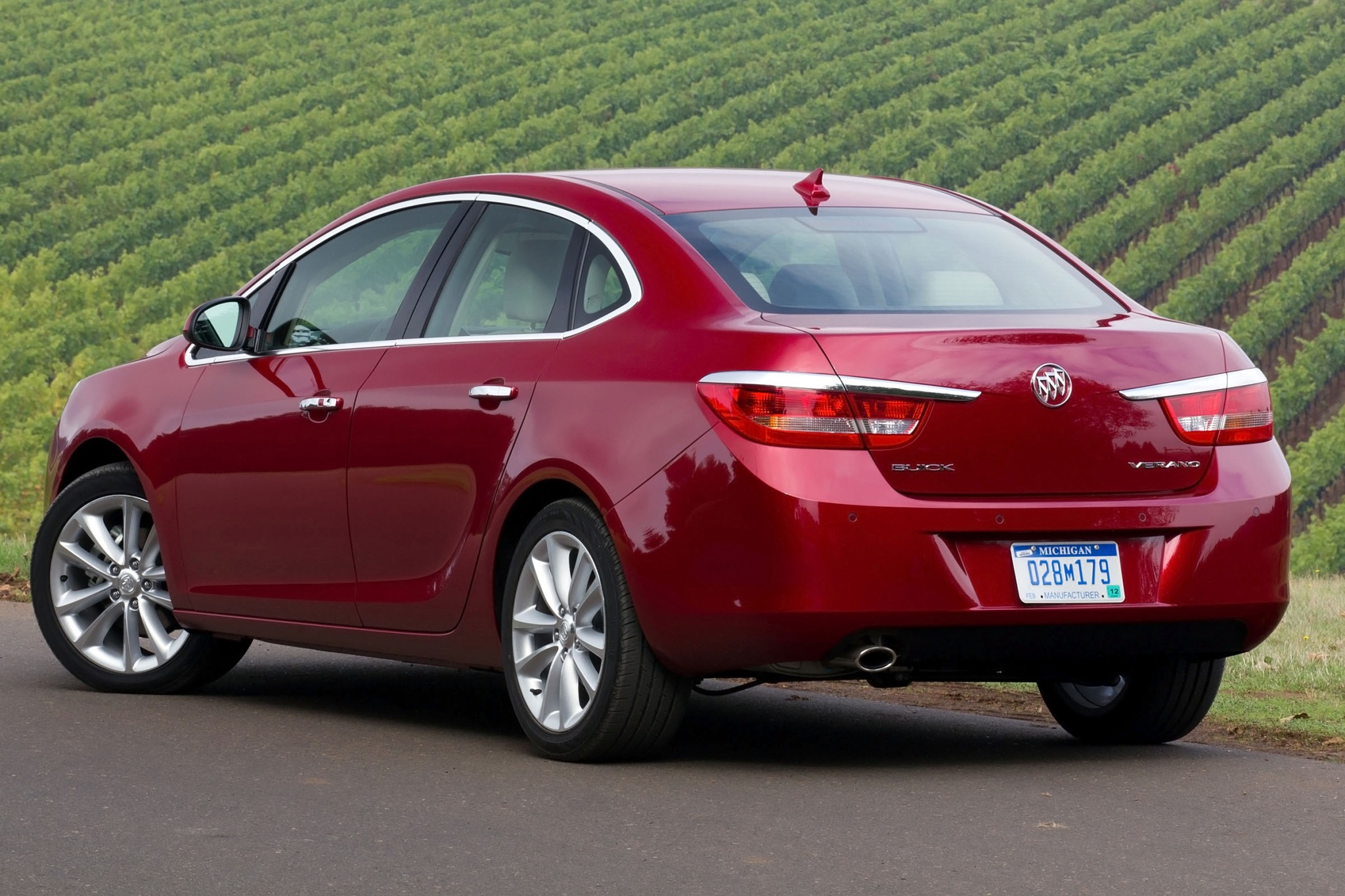
For the 2016 Buick Verano, the manufacturer specifies SAE 5W-30 full synthetic motor oil that meets the dexos1™ quality standard. Both available engines—the 2.4L 4-cylinder and the 2.0L Turbo—require an oil capacity of 5.0 quarts (4.7 liters) when performing a standard oil and filter change.
As the 2016 Buick Verano ages into a decade of service in 2026, maintaining strict adherence to these oil specifications is the most effective way to preserve engine longevity, protect the turbocharger components, and maintain fuel efficiency. This guide provides a comprehensive breakdown of why these specifications matter, how to choose the best brand, and the technical steps required for a successful oil service.
Understanding the Engine Options and Their Requirements
The 2016 Buick Verano was offered with two distinct powerplants, and while they share the same oil viscosity and capacity, their internal architectures and filter requirements differ.
The 2.4L DOHC 4-Cylinder (LEA Engine)
The naturally aspirated 2.4L Ecotec engine is the most common found in the Verano. It utilizes Direct Injection (DI) and Variable Valve Timing (VVT). Because direct injection engines are prone to carbon buildup on intake valves and can experience higher fuel dilution in the crankcase, the quality of the oil is paramount. High-quality synthetic oil helps keep these sensitive components clean and prevents the "sludging" that can occur if conventional oil is used.
The 2.0L Turbocharged 4-Cylinder (LTG Engine)
The 2.0L Turbo engine, found in the Verano Turbo and Premium trims, places significantly higher thermal stress on the motor oil. The oil is responsible for lubricating the turbocharger’s shaft, which can spin at over 200,000 RPM and reach extreme temperatures. Using anything other than a high-quality 5W-30 synthetic oil can lead to "coking"—a process where oil bakes onto the turbo bearings, eventually leading to catastrophic turbocharger failure.
The dexos1™ Standard in 2026
When the 2016 Verano was manufactured, GM’s dexos1™ Gen 1 was the standard. However, in 2026, you will predominantly find dexos1™ Gen 3 on store shelves.
It is important to understand that dexos1™ Gen 3 is fully backward compatible with the 2016 Buick Verano. In fact, Gen 3 was specifically engineered to provide better protection against:
- Low-Speed Pre-Ignition (LSPI): A common issue in small-displacement turbocharged engines that can cause internal engine damage.
- Turbocharger Deposits: Enhanced oxidation stability to prevent oil breakdown at high temperatures.
- Timing Chain Wear: Improved additives to reduce friction and stretching in the timing chain—a known maintenance area for the Ecotec engine family.
Always look for the dexos1™ icon on the oil container. Using oil that is not dexos-certified may void any remaining extended warranties and can lead to premature wear of the VVT solenoids.
Technical Specifications and Capacities Table
| Specification | 2.4L L4 Engine (LEA) | 2.0L Turbo Engine (LTG) |
|---|---|---|
| Viscosity | SAE 5W-30 | SAE 5W-30 |
| Oil Type | Full Synthetic (dexos1™) | Full Synthetic (dexos1™) |
| Capacity (with Filter) | 5.0 Quarts (4.7L) | 5.0 Quarts (4.7L) |
| Oil Filter Type | Cartridge (Internal) | Spin-on (External) |
| OEM Filter Part # | AC Delco PF457G | AC Delco PF64 |
| Drain Plug Torque | 18 lb-ft (25 Nm) | 18 lb-ft (25 Nm) |
| Drain Plug Bolt Size | 15 mm | 15 mm |
Choosing the Right Oil: Viscosity and Climate Considerations
While 5W-30 is the recommended all-season viscosity, owners often ask if they should change oil thickness based on their local climate.
Cold Weather Performance
The "5W" in 5W-30 refers to the oil's flow characteristics at low temperatures. In extreme northern climates, a synthetic 5W-30 remains fluid enough to reach the top of the engine within seconds of a cold start. If you live in an area where temperatures regularly drop below -20°F, GM does allow for the use of SAE 0W-30 dexos1™ oil, which provides even faster lubrication during sub-zero starts while maintaining the "30" weight protection once the engine is hot.
High-Mileage Considerations for 2026
Given that a 2016 Verano is likely approaching or exceeding 100,000 miles in 2026, transitioning to a High-Mileage Full Synthetic 5W-30 is highly recommended. These oils contain specific seal conditioners that help swell and soften internal gaskets (like the valve cover gasket or rear main seal) that may have become brittle with age, reducing the likelihood of leaks.
Oil Filter Specifics: A Critical Distinction
One of the most common errors during a DIY oil change on the 2016 Buick Verano is purchasing the wrong filter style.
- The 2.4L Engine (Cartridge): This engine uses an environmentally friendly cartridge-style filter. It is located on the top of the engine, usually accessible by removing a plastic cap with a 32mm socket. You do not replace a metal canister; you replace the paper element and the rubber O-ring inside the housing.
- The 2.0L Turbo Engine (Spin-On): This engine uses a traditional metal spin-on filter located on the bottom of the engine block. The AC Delco PF64 is the standard, though high-quality alternatives from brands like Wix or Mobil 1 are acceptable as long as they meet the specific bypass valve pressure requirements for the LTG engine.
Step-by-Step Oil Change Procedure
If you are performing the oil change yourself, follow these technical steps to ensure the job is done correctly.
Tools and Materials Needed
- 5 quarts of 5W-30 dexos1™ Full Synthetic Oil.
- The correct oil filter (PF457G for 2.4L or PF64 for 2.0L).
- 15mm wrench or socket for the drain plug.
- 32mm socket (for the 2.4L cartridge cap) or an oil filter wrench (for the 2.0L).
- Drain pan and funnel.
- Clean rags and gloves.
1. Preparation
Run the engine for about five minutes to warm the oil, which helps it drain more completely and carries away more contaminants. Park on a level surface, engage the parking brake, and lift the vehicle using jack stands or ramps if necessary.
2. Draining the Oil
Locate the 15mm oil drain plug on the bottom of the oil pan. Place your drain pan underneath and loosen the bolt. Caution: The oil will be hot. Allow the oil to drain until it is only a slow drip. Inspect the drain plug gasket; if it is flattened or cracked, replace the plug or the washer. Reinstall the plug and torque it to 18 lb-ft.
3. Replacing the Filter
- For the 2.4L: Use the 32mm socket to unscrew the plastic cap on top of the engine. Pull the old cartridge out and snap the new one into the cap. Replace the rubber O-ring on the cap (usually provided with the new filter) and lubricate it with a bit of fresh oil. Screw the cap back on and hand-tighten, then snug it with the wrench (do not over-tighten, as the plastic cap can crack).
- For the 2.0L Turbo: Use an oil filter wrench to remove the old spin-on filter. Ensure the old rubber gasket came off with the filter and isn't stuck to the engine block (a "double-gasket" will cause a massive leak). Smear a small amount of fresh oil on the new filter's gasket and screw it on until it makes contact, then turn it an additional 3/4 turn by hand.
4. Filling and Checking
Remove the oil fill cap on top of the engine and pour in 5.0 quarts of the new 5W-30 oil. Replace the cap, start the engine, and let it idle for one minute while checking for leaks under the car. Turn off the engine, wait three minutes for the oil to settle, and check the dipstick. The level should be within the cross-hatched area.
The GM Oil Life System (OLM)
The 2016 Buick Verano is equipped with an Oil Life Monitor. This is not a simple mileage counter; it is a computer algorithm that tracks engine revolutions, ambient temperature, and driving habits to calculate the remaining life of the oil.
In 2026, as the vehicle ages, it is a best practice to change the oil when the monitor reaches 15% to 20%, rather than waiting for it to hit 0%. This provides a safety margin for engines that may have increased blow-by or minor oil consumption.
How to Reset the Oil Life Monitor:
- Turn the ignition to ON (engine off).
- Press the MENU button on the turn signal lever.
- Use the thumbwheel to scroll until "Remaining Oil Life" is displayed on the Driver Information Center (DIC).
- Press and hold the SET/CLR button on the end of the lever until the display changes to 100%.
- Turn the ignition OFF.
Common Maintenance Issues and Troubleshooting
As the 2016 Verano reaches 10 years of service, owners should be aware of a few oil-related issues:
1. Oil Consumption
The 2.4L Ecotec engine has a history of oil consumption in higher-mileage units, often due to piston ring wear. It is vital to check your oil level at every other fuel fill-up. If you find the engine is losing more than a quart every 2,000 miles, consult a technician.
2. PCV Valve Clogging
A clogged Positive Crankcase Ventilation (PCV) system can cause pressure to build up, leading to oil leaks at the main seals. During your oil change, inspect the air intake bellows for oil residue, which can indicate a failing PCV system.
3. VVT Solenoid Failure
The Variable Valve Timing solenoids are actuated by oil pressure. If you use poor-quality oil or extend your drain intervals too long, sludge can clog the small screens on these solenoids, triggering a "Check Engine" light (usually codes P0010 or P0011). Using dexos1™ synthetic oil is the best preventative measure.
Frequently Asked Questions
Can I use 5W-20 oil instead of 5W-30?
No. The 2016 Buick Verano engines are engineered for the specific film strength provided by 5W-30. Using a thinner 5W-20 oil may not provide adequate protection for the camshafts and turbocharger bearings, especially in high-heat conditions, and could lead to increased engine noise and wear.
How often should I actually change the oil?
While the Oil Life Monitor may allow for intervals up to 7,500 or even 10,000 miles under ideal highway conditions, most mechanics recommend a maximum interval of 5,000 miles for a vehicle of this age. This is particularly important for the 2.0L Turbo engine, as the turbocharger is very sensitive to oil degradation.
Does the 2016 Buick Verano require a special oil filter?
Yes, but the type depends on your engine. The 2.4L requires a cartridge filter (PF457G), while the 2.0L Turbo requires a spin-on filter (PF64). You cannot interchange these. Using an off-brand, low-quality filter is discouraged, as the bypass valve settings are critical for maintaining oil pressure during cold starts.
Is conventional oil okay if I change it more frequently?
It is not recommended. GM specifically requires dexos1™ standards, which are almost exclusively met by synthetic or synthetic-blend oils. Conventional oil breaks down much faster and lacks the detergent package required to keep the Verano’s direct-injection and turbocharger components clean.
What should I do if my oil light comes on?
If the "Low Oil Pressure" light illuminates, pull over and shut off the engine immediately. This light indicates a loss of pressure, not just a low level. Operating the engine with no oil pressure for even a few seconds can cause permanent internal damage. Check the dipstick and add oil if necessary, but if the level is full and the light remains on, the vehicle must be towed.
Final Recommendation
To maximize the life of your 2016 Buick Verano in 2026, use a High-Mileage Full Synthetic 5W-30 oil that carries the dexos1™ Gen 3 certification. Combine this with an AC Delco original equipment filter and a consistent 5,000-mile change interval. This proactive maintenance approach is the single most cost-effective way to prevent expensive engine repairs and ensure your Verano remains a reliable daily driver for years to come.